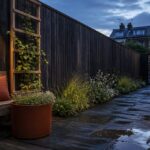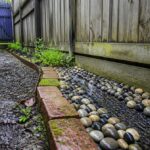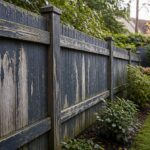
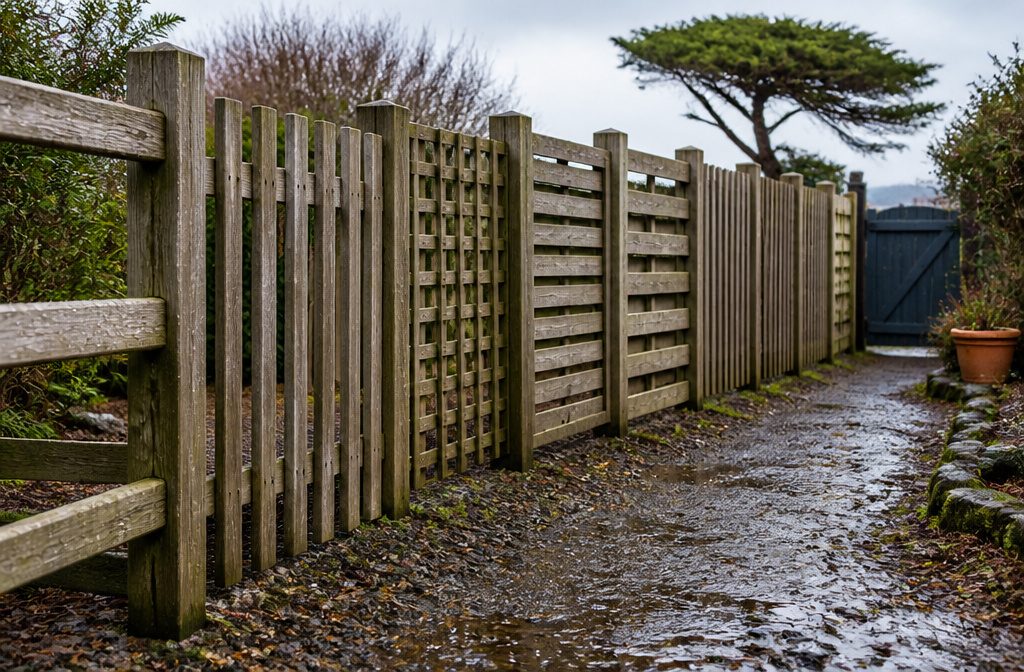
The 7 styles run from post-and-rail, which hides almost nothing, to board-on-board, which hides everything, so the deciding factor is how much privacy you want.
Full screening costs airflow: Straight Line Fence says solid wood fences can reduce wind flow by as much as 50%. Shadowbox and louver styles trade some privacy for breeze.
1. Post-and-Rail Fences
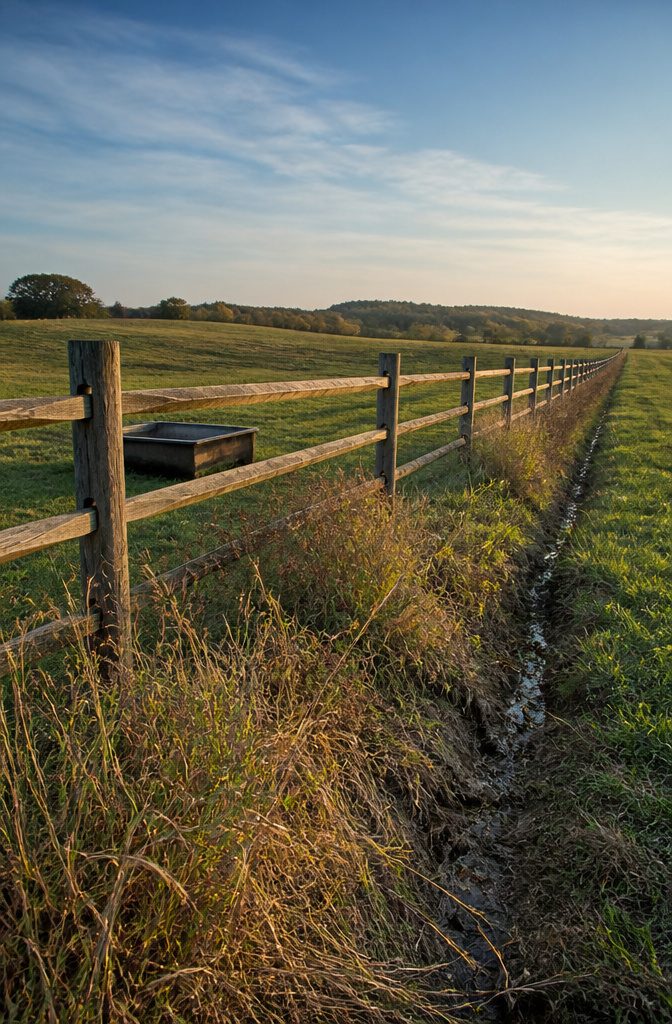
Horizontal rails run between widely spaced posts, which makes post-and-rail the most open fence on this list.
Farm-style and split rail are the same idea, and the style traditionally pens livestock. That fits the history: fences began as plain property markers and barriers, and wood has been the usual residential fencing material for more than 400 years.
Post-and-rail still does that original job well. It marks a line, costs little, and looks charming on a large lot or a country property.
It gives almost no privacy or security, though. I’d skip it if you need to hide a patio or contain a dog.
Recommended Products
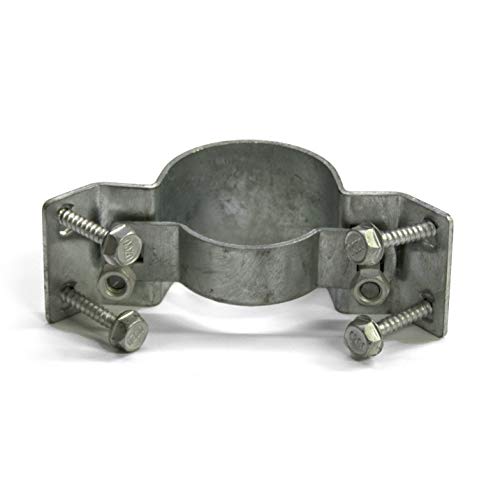
PROFESSIONAL CONNECTION PERFORMANCE: Designed to create strong, secure steel-to-wood connections while maintaining clean 90-degree alignment. This fence bracket helps improve stability and support reliable outdoor fastening performance.

low carbon steel material, powder coating surface treatment
2. Picket Fences
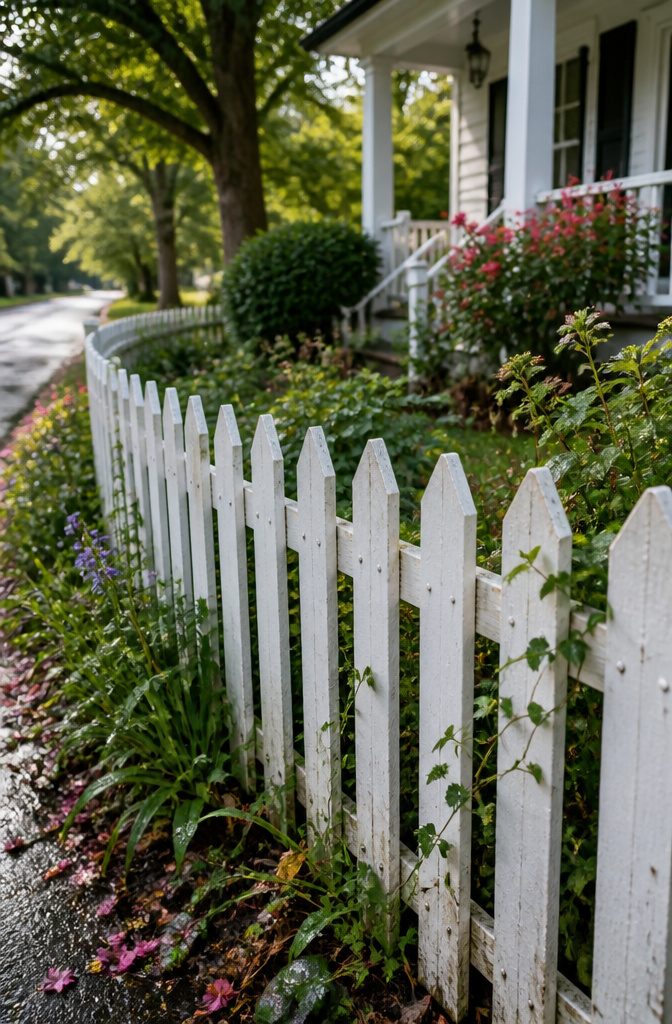
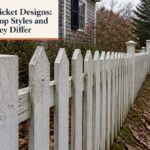
Picket fences use widely spaced vertical boards, usually pointed at the top, and stand about 3–4 feet high. Painted white or left in natural wood, they give a classic, welcoming look that suits cottage-style and traditional homes.
A picket fence marks where your yard ends and keeps the view open, but it screens nothing.
Neighbors and passersby see straight through it. The low height and wide gaps also make it a poor choice for security, though the pointed tops do discourage climbing.
I’d use it for a front yard or around a garden bed, where you want charm more than seclusion.
Vines and ivy climb the pickets easily and can add some cover over time. If you need privacy, pick one of the solid styles below.
Recommended Products
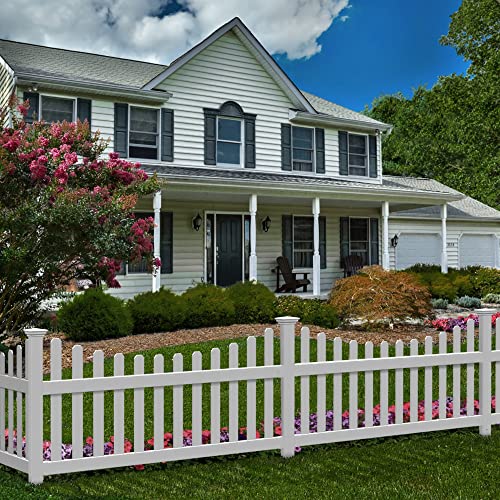
PET & CHILD SAFE: Create a safe outdoor play area for fur babies and children. Rest assured that this fence will create a sturdy barrier to protect your family.

PET & CHILD SAFE: Create a safe outdoor play area for fur babies and children. Rest assured that this fence will create a sturdy barrier to protect your family.

1.【Privacy Protection】: 70% visibility occlusion rate, effectively protect your privacy, it can also prevent strangers from peeping at your yard, and prevent dogs from barking on the other side of the fence, making your life safer, need attention , If you need 100% privacy cover, you can buy two pieces of cover.
3. Lattice Fences
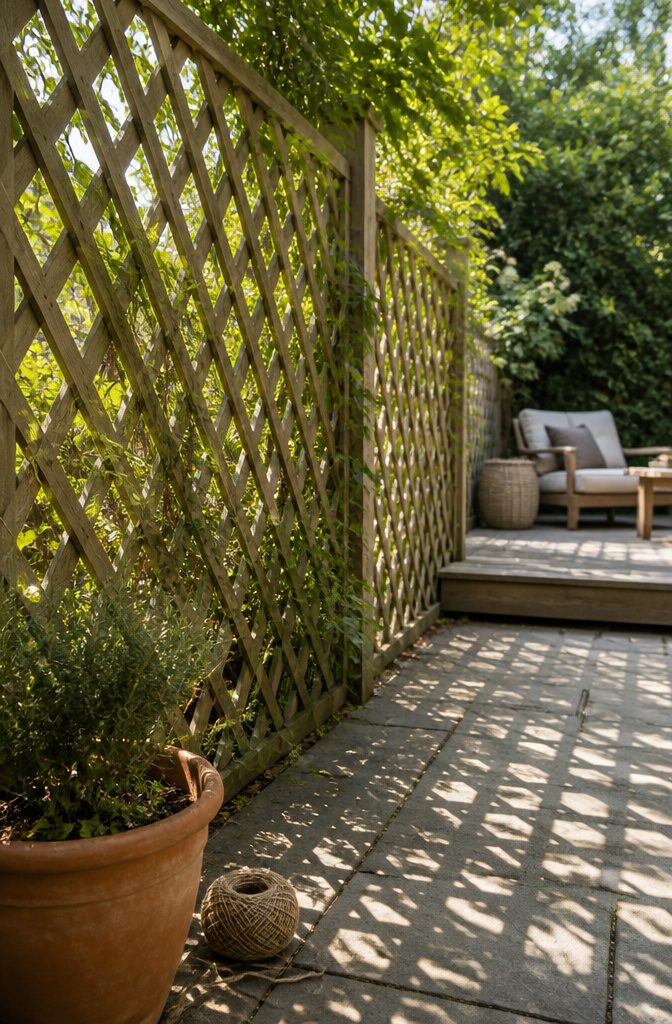
Lattice fences overlay strips of lath in a crisscross pattern. The gaps break up the view from outside while letting sunlight and air through, which suits pools, decks and patios.
For a gardener, the open weave works as a built-in trellis. Climbing plants can grip the strips, so I’d choose lattice over solid boards wherever a vine is the plan.
Expect partial privacy, not full privacy.
People can still see shapes through the gaps from close up. For a seating area a neighbor overlooks, let the vines fill in the weave or pick a solid style instead.
4. Shadowbox Fences
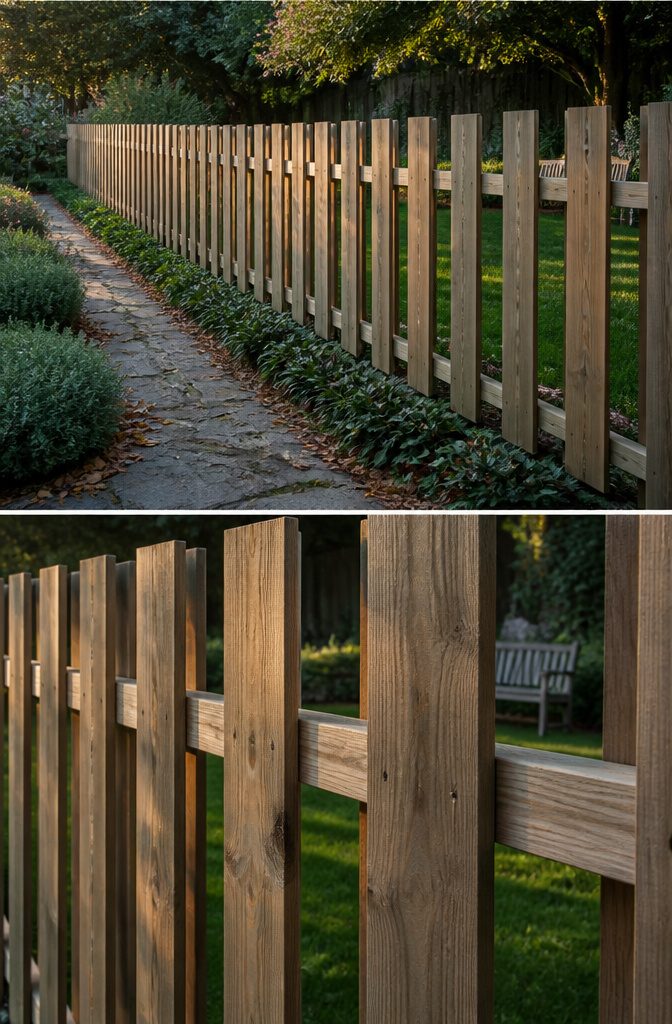
Shadowbox fences attach pickets to alternating sides of the rails, so the boards on one face cover the gaps on the other.
The layering looks the same from both sides, which is why I favor this style on a shared property line: neither yard gets the "back" of the fence.
Air moves through the gaps, so wind passes instead of pushing against a solid wall, and the fence gives partial privacy rather than a full screen. That openness keeps it neighborly, since no one faces a blank wall.
If you need to block every sightline, this is the wrong choice. For everyone else, the staggered boards add depth and texture along the fence line.
Recommended Products
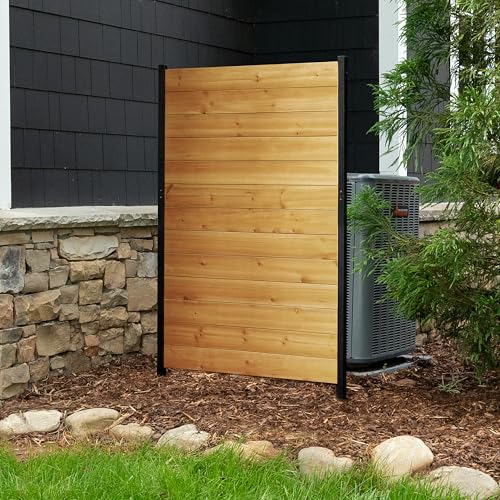
STYLISH NATURAL WOOD: This FSC certified wood screen is made with real wood meaning no two boards have the same grain color, finish, or wood knots differing it from vinyl outdoor privacy fence screen panels.

STYLISH NATURAL WOOD: This FSC certified wood screen is made with real wood meaning no two boards have the same grain color, finish, or wood knots differing it from vinyl outdoor privacy fence screen panels.

Neighbor Privacy, Not Blackout: Blocks direct line-of-sight while allowing airflow — designed for comfortable backyard privacy, not a solid wall or tarp.
5. Louver Fences
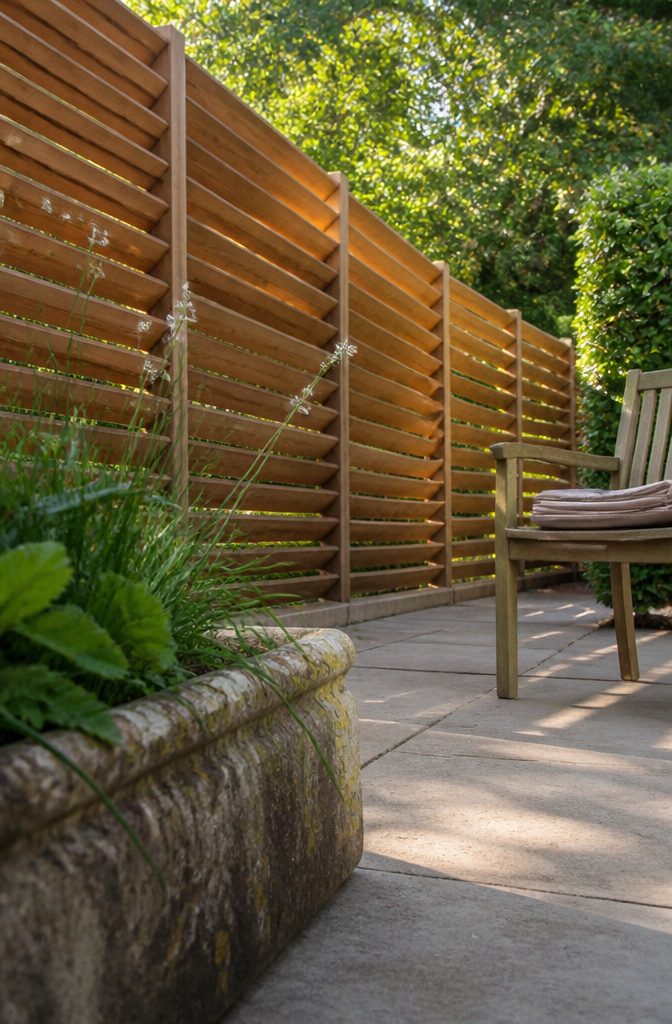
Louver fences set angled boards in a staggered pattern, so anyone looking straight on sees wood and little else, while light and air still pass through the gaps.
For a patio, pool or sauna, I’d choose this over a solid wall when you want privacy without a boxed-in, stuffy corner.
The limit is the angle.
A louver fence blocks the view from straight on, but someone standing off to the side can see through it. It works best where the sightline is direct, such as a patio facing the street or a neighbor’s window.
It is a screen, not a sealed barrier. If you need full privacy from every direction, pick a solid fence instead.
6. Horizontal Slat Fences
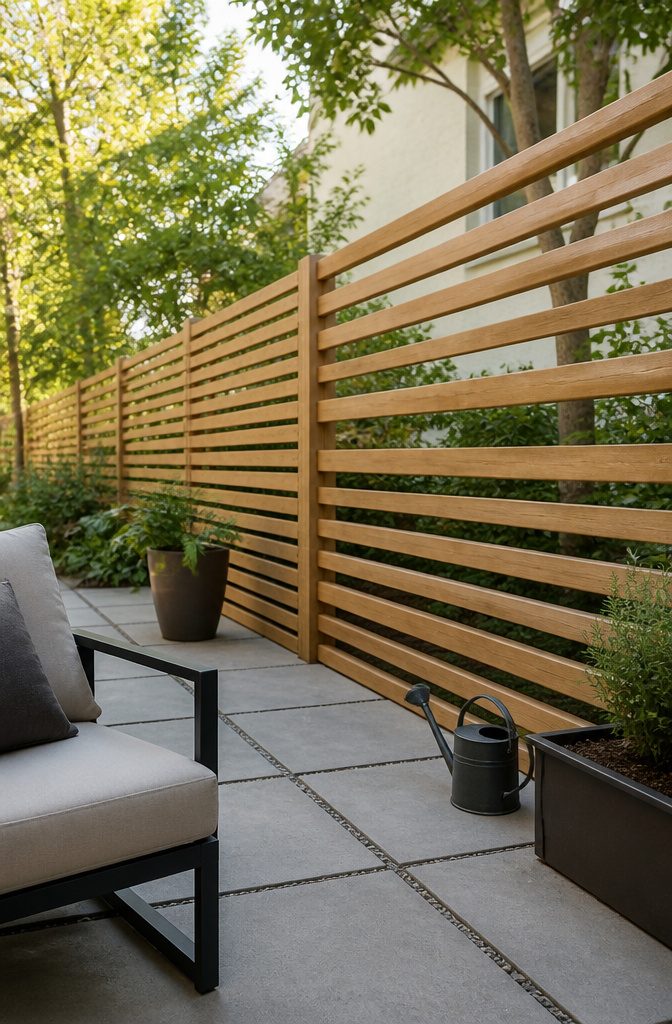
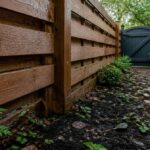
Running the boards sideways gives a fence clean, minimalist lines, which is why it suits modern homes better than a traditional vertical look.
The adjustable spacing is the real draw. Each board is set individually, so you choose the gap: tight for privacy, wider to let light and air through.
On a small patio I’d lean toward gaps, because a solid wall of boards a few feet from your chairs makes the space feel boxed in.
Close the spacing only where neighbors can see in, and leave it open everywhere else. A fence that mixes tight and open runs also looks intentional, not like a compromise.
Recommended Products

【For What Size?】Actual internal size of our fence caps is 3.6”×3.6”, which is suitable for 3.5*3.5 inches to 3.6*3.6 inches wood fence post. Application for protecting the top of wood post like deck railing, wooden fence, woody handrail, porch railing and so on. NOTE that measure your posts before use and sanding is required for the wood to fit the post cover if your wood is slightly larger.

Premium Material Construction: Crafted from high-grade steel, our fence brackets ensure durability and long-term use. These brackets are designed to provide solid support for 2x4 wooden posts, making them ideal for constructing sturdy fences and deck railings
Premium Material Construction: Crafted from high-grade steel, our fence brackets ensure durability and long-term use. These brackets are designed to provide solid support for 2x4 wooden posts, making them ideal for constructing sturdy fences and deck railings
7. Board-on-Board Privacy Fences
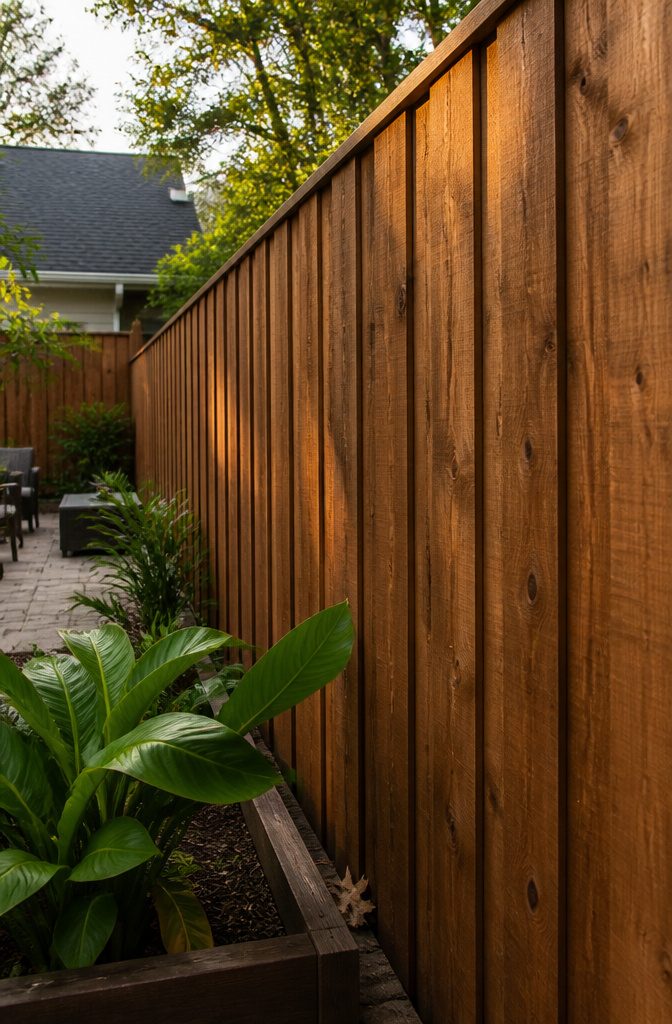
Board-on-board uses vertical planks set tight or overlapped, so no gap shows from any angle.
That makes it the most private style on this list, and the one I’d choose for a yard that backs onto a neighbor’s patio or a busy street.
Overlapping the boards covers the seams that a single row of boards leaves open.
Straight Line Fence says solid wood fences like this can reduce wind flow by as much as 50%. That drop in airflow is the cost of full screening.
In a small yard or on a patio, it means less breeze for you and your plants, so if you want privacy and moving air, consider a style with spacing instead.
Recommended Products

Perfect for DIY projects like dollhouses, fairy gardens, and micro landscapes. The sturdy yet flexible design ensures it won’t break or fade

【Specifications】 Color: Brown; Materials: varnished fir wood, metal hardware; Quantity: 5 x fence panel; 6 x ground stake; Assembled Dimensions:177.5” L x 21.7” W; Panel dimension: 35.5” L x 11.5” W; Stake dimension: 21.7” H x 1.7” L x 1.7” W

2-Piece Mini Fence Set: This set includes 2 white mini picket fence pieces, giving you enough decorative material for small landscape arrangements, plant pot projects, dollhouse scenes, and DIY display ideas.
Choosing a Style for Your Yard
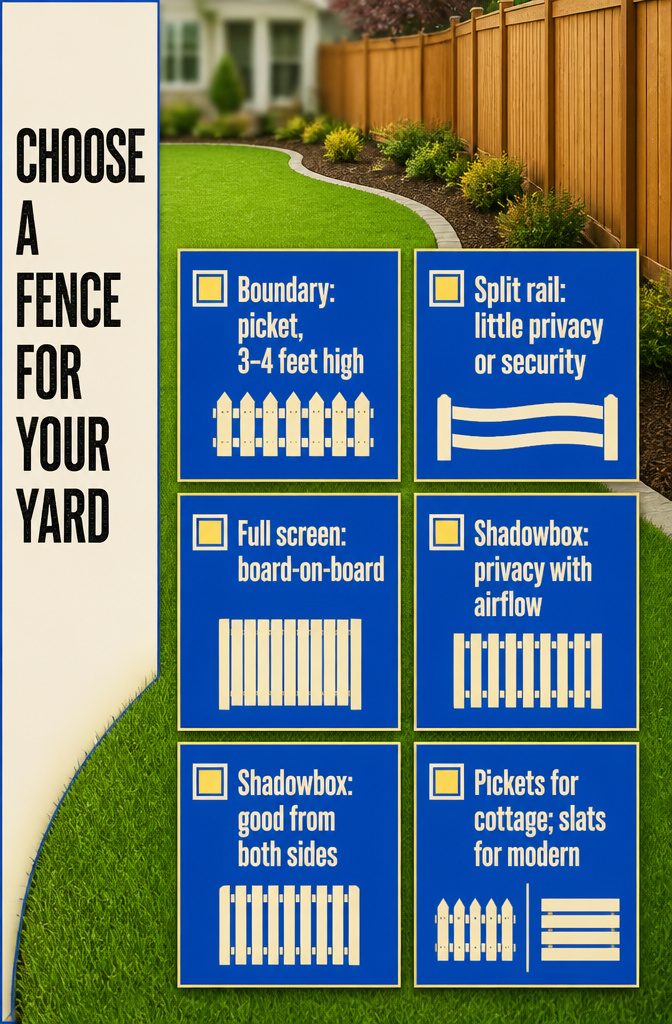
Match the fence to the job the yard needs it to do:
- Boundary only: Picket Fences and Post-and-Rail Fences mark a line without hiding anything. Pickets typically stand 3–4 feet high and discourage climbing. Split rail suits rustic or rural lots, but it offers little privacy or security.
- Full privacy: Board-on-Board Privacy Fences are my pick here. I’d skip the open styles if a screen is the goal.
- Privacy with airflow: Shadowbox Fences give partial privacy while letting air pass through, so they suit windy yards. They also look good from both sides.
- Home style: Pickets complement cottage and traditional houses, and Horizontal Slat Fences suit a modern one.
Recommended Products

EXPANDABLE DESIGN: This expandable garden trellis extends up to approximately 13" x 68" and adjusts wider or narrower to suit different garden beds, patios, yards and planting layouts. The flexible wooden lattice provides useful vertical coverage for different spaces and contracts to a compact size for easier storage when not in use

NATURAL WOODEN TRELLIS FOR CLIMBING PLANTS: Crafted from natural wood, this expandable lattice fence provides reliable support for climbing plants, vines, roses, ivy, cucumbers, and other garden plants. Encourage healthy upward growth while enhancing the beauty of your outdoor space

✅【0.35'' Thickness】 We've reinforced our garden lattice, increasing thickness by 30% to 0.35'' (0.9cm). A sturdier fence that withstands warping, cracking, and weathering, ensuring long-lasting beauty with less maintenance.
Cedar, Redwood and Care
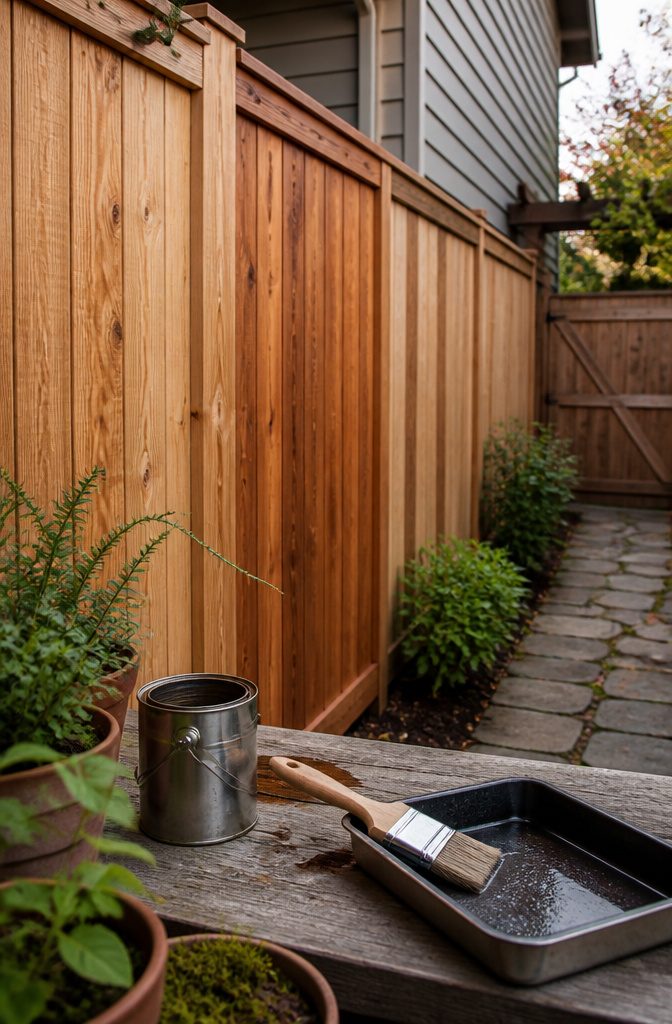
Cedar and redwood are the two woods I’d pick for a fence meant to last.
Both are durable, high-quality choices. Oak and hickory are the traditional options, and they suit classic fence styles.
Any wood fence needs ongoing care, though.
Bare boards can rot or attract bugs, so plan to stain or seal the wood rather than leave it untreated. Eco-friendly stains and sealants protect it from the weather and preserve its look.
For the lumber itself, buy from an FSC-certified supplier, which means the wood comes from responsibly managed forests. Also check that the finish color works with your siding and the other materials around the yard.
Recommended Products

STYLISH NATURAL WOOD: This FSC certified wood screen is made with real wood meaning no two boards have the same grain color, finish, or wood knots differing it from vinyl outdoor privacy fence screen panels.

Versatility: This wooden privacy screen provides a discreet enclosure, creating a sense of mystery and concealment. It is perfect for elevating the overall aesthetic of your outdoor space. Quickly creates a secluded retreat while adding a touch of elegance that complements any décor, indoors or out.

STYLISH NATURAL WOOD: This FSC certified wood screen is made with real wood meaning no two boards have the same grain color, finish, or wood knots differing it from vinyl outdoor privacy fence screen panels.