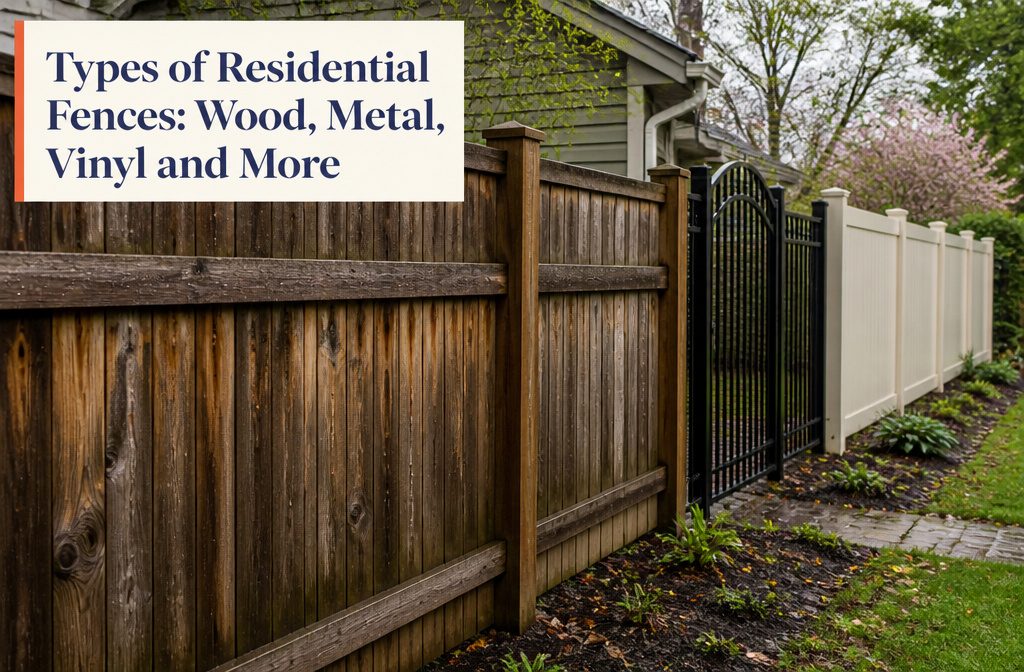
Fences range from chicken wire around a lettuce bed to masonry, and the job decides the material: privacy, containing pets, or keeping a pool in view.
Before buying, check HOA rules, which can restrict material, height and color. Without a property survey, the fence may need to sit 6 inches farther back.
1. Cedar
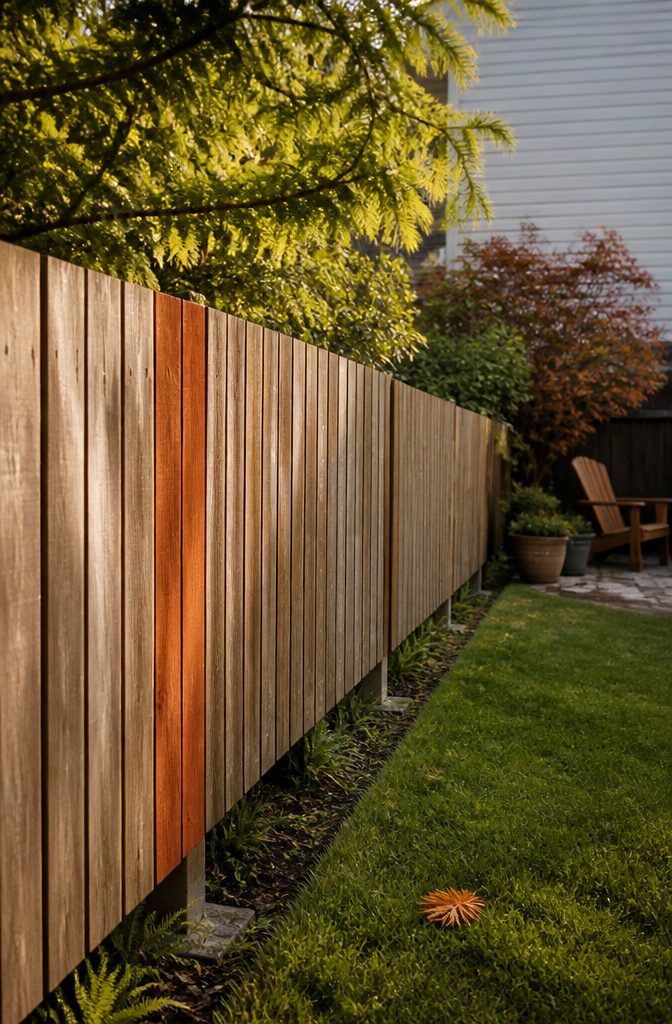
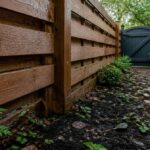
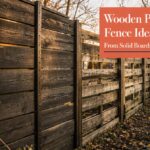
Cedar is the classic privacy wood, prized for its tight grain, few knots and red hue, and it is unlikely to warp or shrink.
It resists decay and insects on its own, but it handles soil contact worse than pressure-treated wood and will likely rot after several years. Set the posts in concrete, or hang cedar pickets on treated posts.
The upkeep is real. Apply a penetrating wood sealant right after installation, then again every year.
Without it, cedar weathers to a silvery gray. Some people like that look, but the wood is less protected.
Plan on replacing the occasional plank, and on a healthy budget up front. I’d still pick cedar over cheaper wood if I could afford it.
Recommended Products
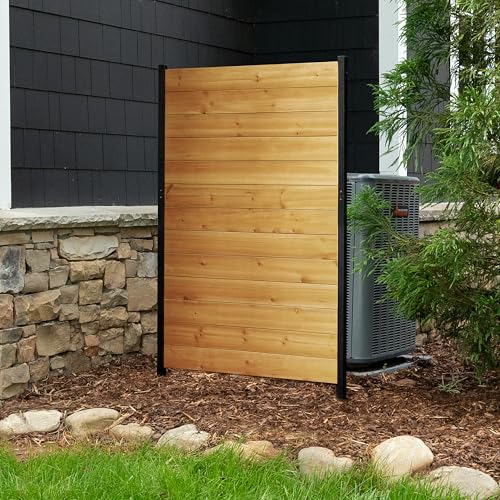
STYLISH NATURAL WOOD: This FSC certified wood screen is made with real wood meaning no two boards have the same grain color, finish, or wood knots differing it from vinyl outdoor privacy fence screen panels.

STYLISH NATURAL WOOD: This FSC certified wood screen is made with real wood meaning no two boards have the same grain color, finish, or wood knots differing it from vinyl outdoor privacy fence screen panels.

STYLISH NATURAL WOOD: This FSC certified wood screen is made with real wood meaning no two boards have the same grain color, finish, or wood knots differing it from vinyl outdoor privacy fence screen panels.
2. Treated Pine and Pallet
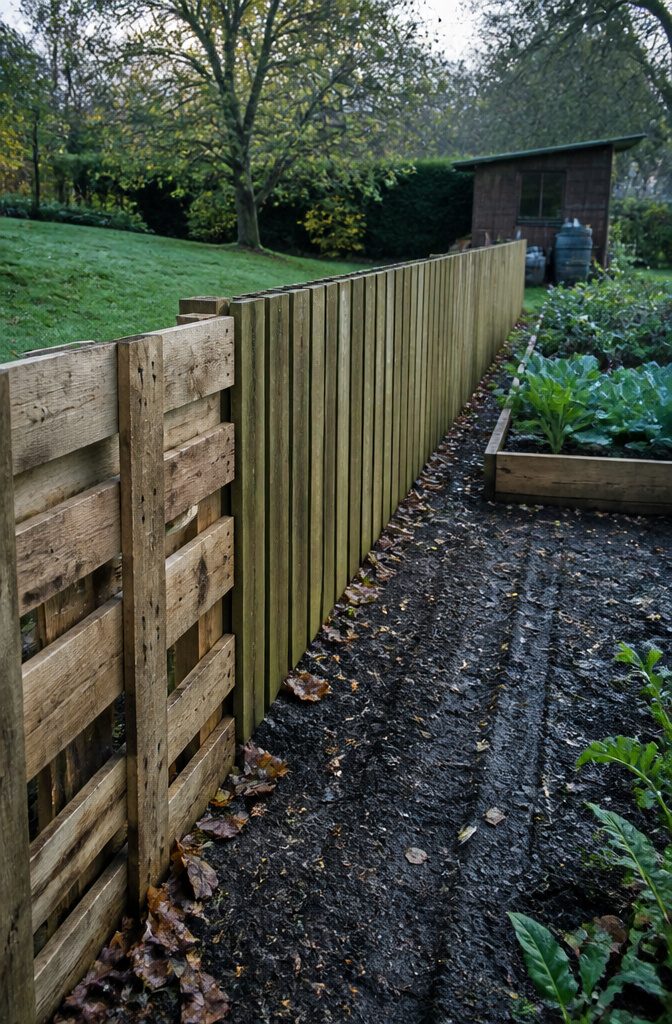
Pressure-treated pine is the budget pick for a wood fence. It costs less than cedar or redwood, the chemical treatment resists rot and pests, and it takes paint or stain well, though it never lasts as long as those woods.
Treated pickets can warp or twist as soon as 1 month after installation, so I’d choose planks one by one at the lumberyard.
Take the straightest and skip any that look damp or "green." Treated wood is a better bet for posts than for pickets.
Pallet fences are the cheapest DIY route and still give privacy. Pallet wood is knotty, and knots weaken boards and invite rot, so expect a shorter life.
Recommended Products

Treated Wood for Longevity

【Specifications】 Color: Brown; Materials: varnished fir wood, metal hardware; Quantity: 5 x fence panel; 6 x ground stake; Assembled Dimensions:177.5” L x 21.7” W; Panel dimension: 35.5” L x 11.5” W; Stake dimension: 21.7” H x 1.7” L x 1.7” W

DIMENSIONS: Each panel measures 32” H x 48” W
3. Redwood and Teak
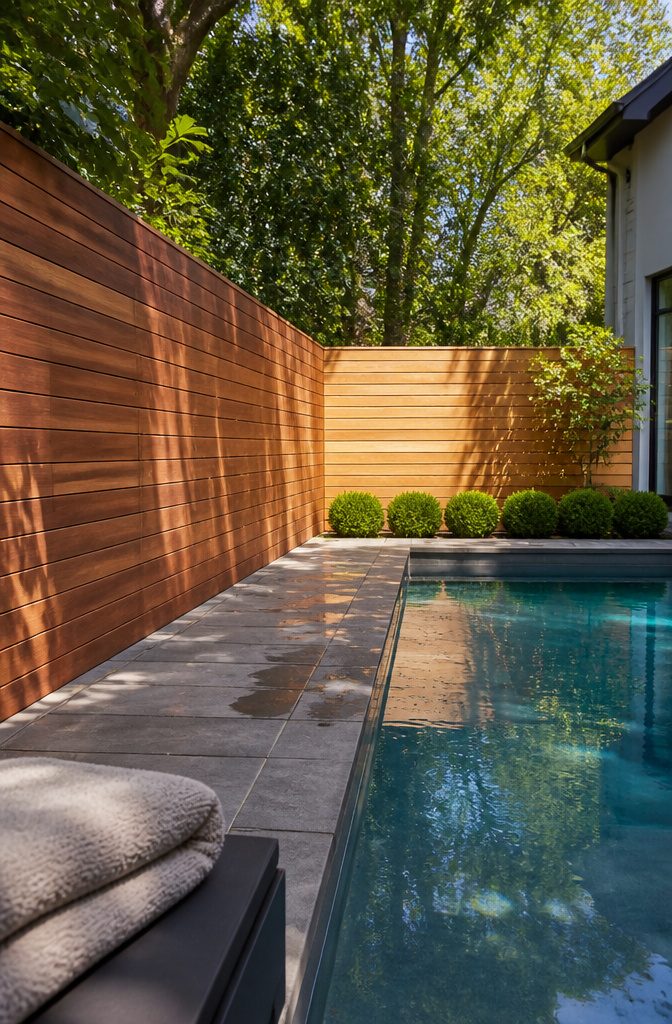
Redwood and teak are the premium fence woods. Both resist insects, decay, shrinking and warping on their own, and both have a soft luster that cheaper boards don’t match.
Teak weathers extremely well, which is exactly why it costs far more than a pine fence. That price is why they usually enclose a spa or pool rather than a whole property line.
Plan on a penetrating sealer or oil once or twice a year to keep the original color. A light sanding beforehand removes surface weathering.
I’d buy either one for a small area, a generous budget and an owner who doesn’t mind recoating. For a long run of yard line, the cost isn’t worth it.
Recommended Products

Details: Artificial ivy wall is 120 inches long and 40 inches wide, with green faux ivy leaves. Made up of 12 small panels (connected).Can cover 33.33 square feet. the faux Ivy Vine are textured and look real. You can reassemble or cut to get the size you want. 50 cable ties are included to assist in installation.

1 SCREEN PURCHASE: You will receive preassembled materials to construct 1 cedar wood outdoor privacy screen in a charcoal finish with your purchase

Neighbor Privacy, Not Blackout: Blocks direct line-of-sight while allowing airflow — designed for comfortable backyard privacy, not a solid wall or tarp.
4. Painted Wood Pickets
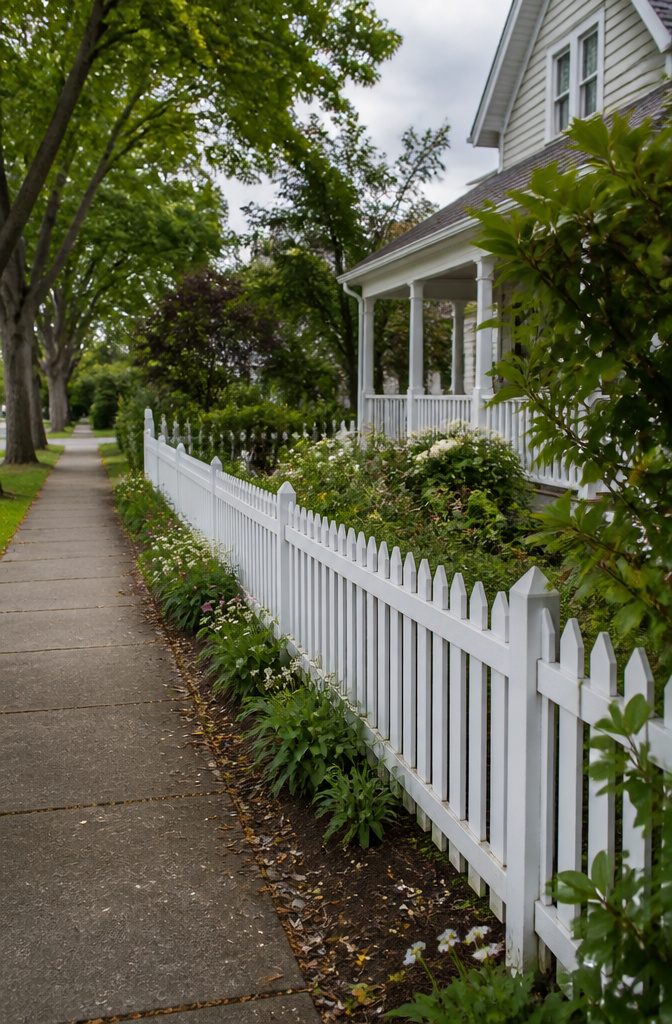
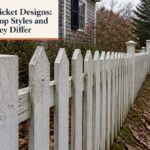
Wood is the most customizable fence material, and paint sets its look: white for the classic picket fence, or a color that matches your trim or front door. Treated pine keeps a picket build relatively economical.
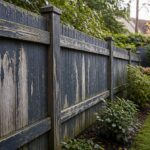
Paint is also the upkeep problem. Plan on touching up a picket fence every year, and expect the finish to give out eventually:
Painted wood is going to peel over time no matter what you do. You can get a similar effect with a colored stain, which absorbs into the wood and is a little more resilient.
If you’d rather not repaint, stain gets you close to the same color with less peeling.
Recommended Products

EASY ORDERING: Everything you need for your fence project is in the box except for the final post. Only ONE additional post, BL19112, is required for the end of your project. A gate is available by searching BL19111.
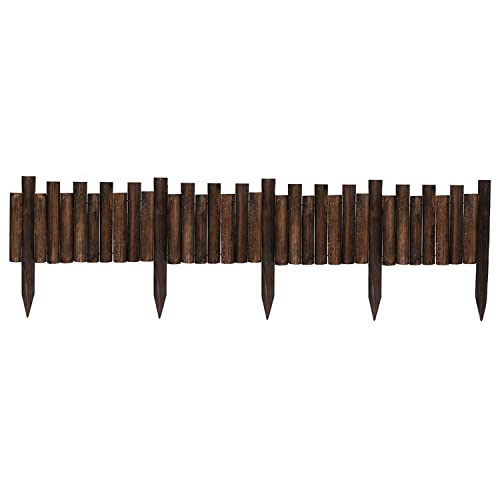
About the Edging: 8 inch height above ground, stakes Height 4 inch, 3.6 Feet total Length; Made from sturdy wood with a carbonized finish, this short fence is durable and long-lasting, standing up to outdoor elements.

DIMENSIONS: Each unit is 41" H x 44" W and includes 2 complete fence panels with posts for a total of 88in of fence.
5. Vinyl
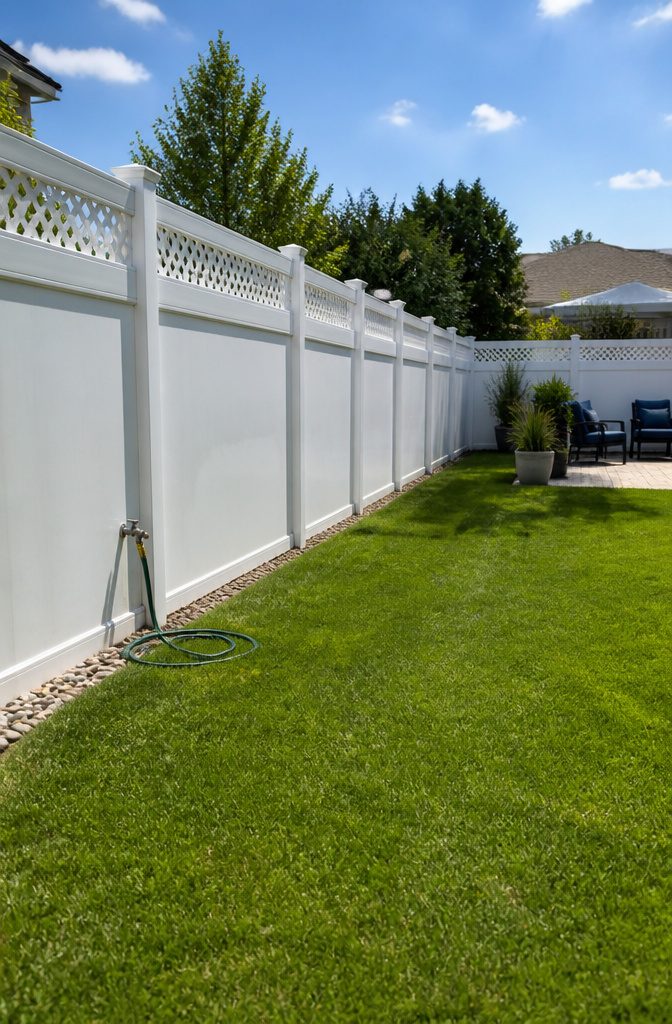
Vinyl is PVC, a plastic that resists UV, so it won’t fade, crack or peel, and unlike wood it won’t rot.
Upkeep is a garden hose, plus a bleach and water mix for stubborn mildew. It comes in solid privacy panels (some topped with lattice), picket and ranch-style designs.
Against real wood, vinyl gives up looks: it has a telltale shine that natural grain never does. I’d point anyone who wants a clean, bold look without a maintenance routine toward it, especially on a large yard.
Buy thick, virgin vinyl, since early fences yellowed, sagged and turned brittle within a couple of years. Installation also has to be precise, because a post that’s slightly out of plumb shows.
6. Composite and Trex
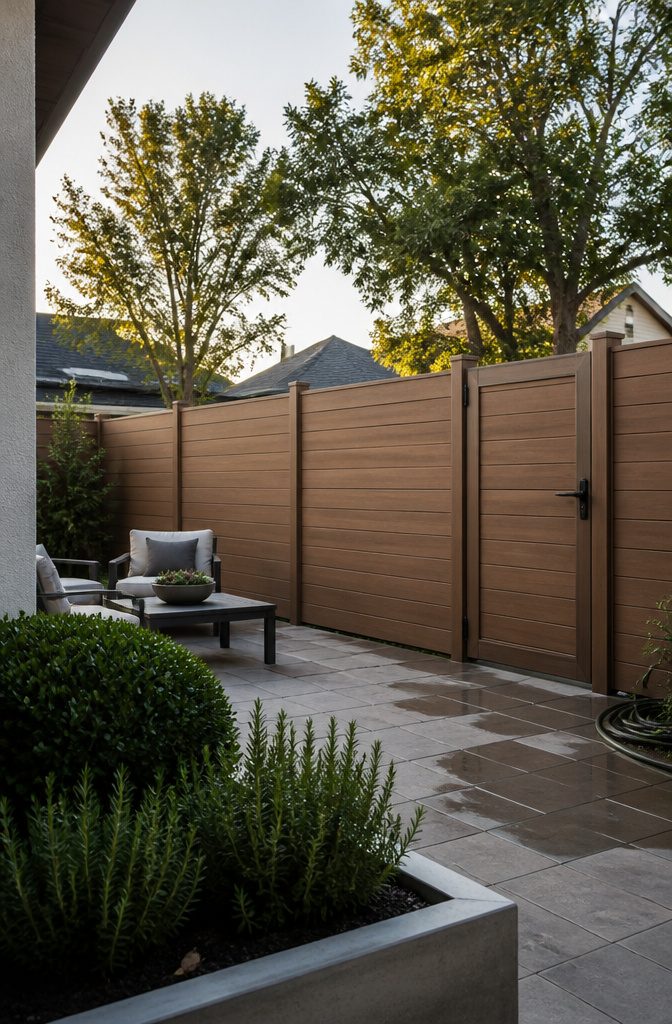
Composite fencing blends wood fibers with plastic polymers, often recycled ones, so it keeps a wood look while resisting rot, decay and insect damage. Trex® is the named product here.
It looks like wood, won’t rot or splinter, never needs painting or staining, and sits alongside cedar and vinyl as a privacy option. It also meets HOA standards, which makes it an easy sell in strict neighborhoods.
Expect to pay a bit more than for vinyl or cedar, for both materials and installation. Quality varies by manufacturer, and the install is exacting, so I’d hire a pro and buy from a reputable dealer.
Upkeep is an occasional rinse with water. On a tight budget, cedar or vinyl wins.
Recommended Products

【Natural Reed Fencing Rolls】ZNCMRR natural fencing replaces traditional faux leaf fencing that uses plastic. Made with natural carbonized reed to double the strength and safety of plastic ones, making it a great choice for anyone looking for a less-waste life.

DIMENSIONS: Each screen measures 47in H x 48.125 W
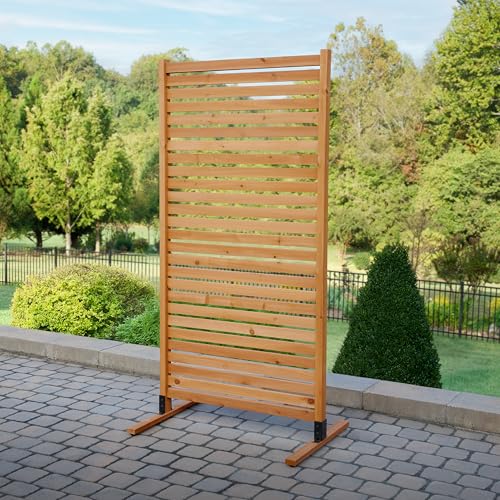
STYLISH NATURAL WOOD: This FSC certified wood screen is made with real wood meaning no two boards have the same grain color, finish, or wood knots differing it from vinyl outdoor privacy fence screen panels.
7. Aluminum
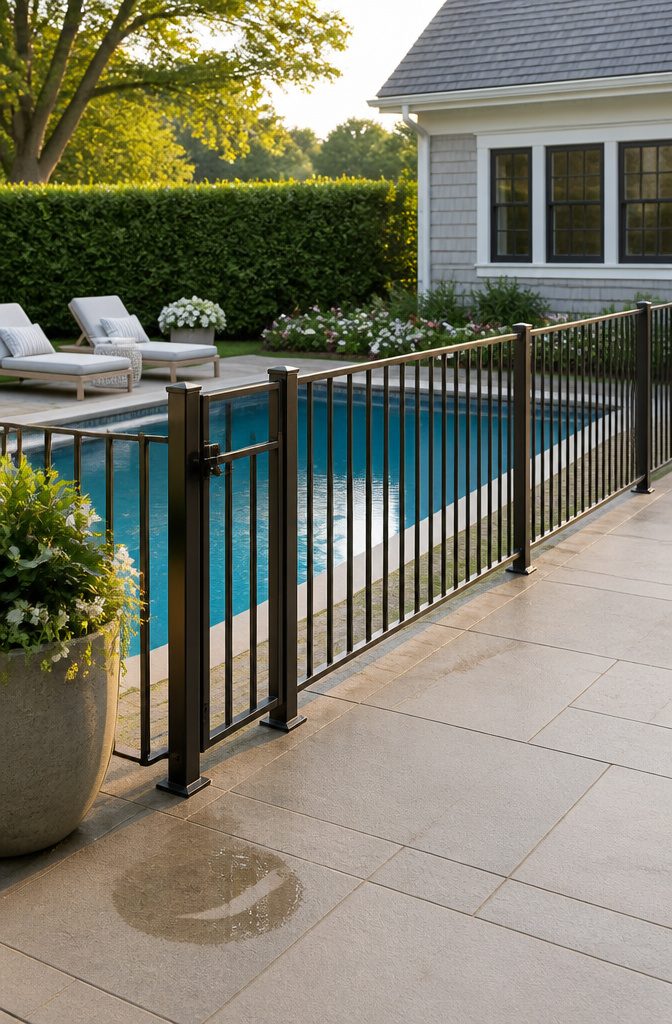
Aluminum gives you the look of wrought iron in a lighter, lower-maintenance metal. The slim vertical pickets read as iron from the street, but the panels are easy to carry and set, which helps if you’re installing it yourself.
For a front yard where looks matter more than brute strength, I’d choose aluminum over iron.
Pool enclosures are where it works best. The open pickets keep the water in view, and a latching gate keeps small children and pets out.
It also pairs well with other materials in the same run. Check your local pool-barrier rules before you buy.
Aluminum is ornamental and hides almost nothing, so look elsewhere if you want privacy.
Recommended Products

Package contains 4 CritterGuard fence panels

[Rich Vintage Rustic Style] Transform your garden into a serene and natural retreat with our beautiful edging for landscaping. It adds a touch of rustic charm and neatly separates different areas of your garden, ensuring an organized outdoor space.

Quality Material: This picket fence features fence pickets made from sturdy PVC, crafted to meet consistent standards for outdoor use; The material is chosen for its ability to hold shape and resist common outdoor stresses, making it a reliable base for building or enhancing your vinyl picket fence
8. Steel
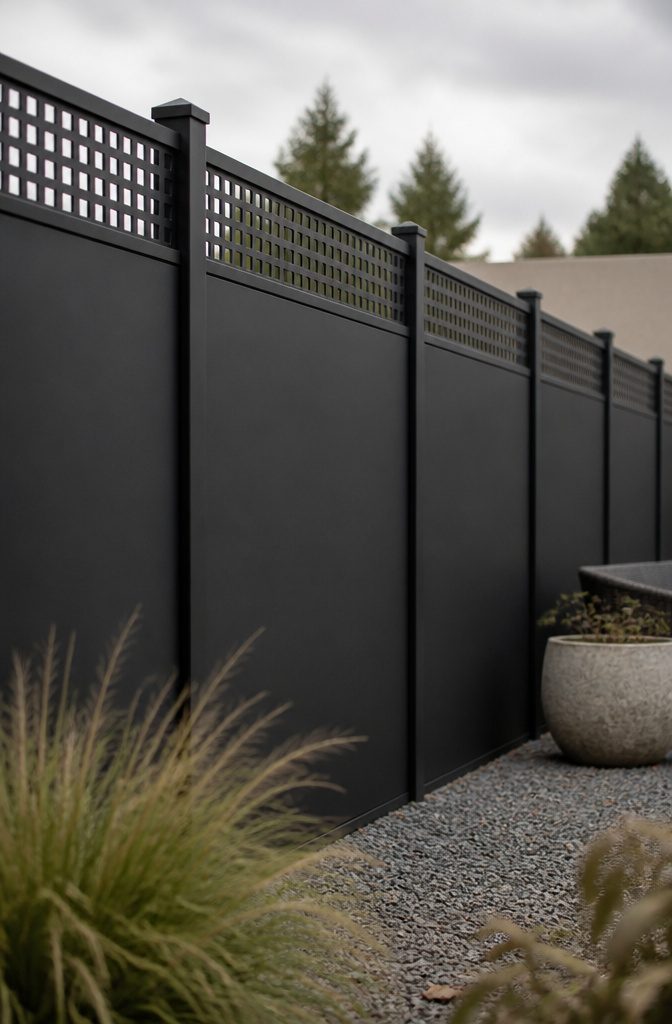
Steel is strong and holds up in harsh weather, but what you get depends on the form.
Ornamental steel is built to look good and to keep kids and pets in, and it needs little upkeep. It gives no privacy, so skip it if you want a screen.
Privacy steel comes solid or with a lattice top, and that is the form to buy for cover. Chain link is galvanized steel wire woven into diamonds and coated in zinc.
It costs little and suits a dog run or a large lot, though it can corrode where the links meet. I’d pay extra for vinyl-coated mesh, which looks better and lasts longer.
Recommended Products

Privacy Solution: Most economical way for privacy over chain link fence, porous decorative concealment, existing cyclone wire fence, wood retaining wall, welded wire fence, chain link fence, privacy barrier around swimming pool, block nose neighbor see through, add privacy to acre back yard backdrop, front yard, patio, garden and porch; hide street, road, construction site, pet kennel pen, block surrounding noise and street view, stops dogs from barking at neighbors.

STYLISH NATURAL WOOD: This FSC certified wood screen is made with real wood meaning no two boards have the same grain color, finish, or wood knots differing it from vinyl outdoor privacy fence screen panels.

Privacy Fence Screen:Reed Fences are Amazing in Color and Opacity,The Bamboo reed Fencing Blocks the sun and the view of Neighbours,In additionour reed privacy screen can help hide flawed walls,replace old fences,improve backyard/balcony privacy and even prevent pets from jumping out from the balcony
9. Wrought and Cast Iron
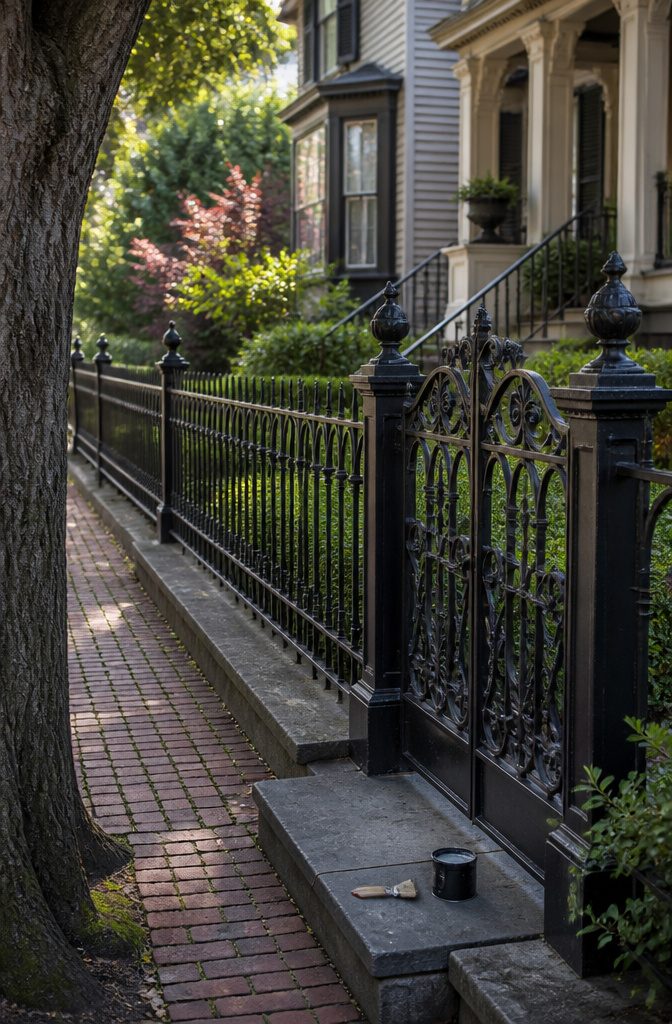
Wrought iron is the fence to buy once.
Iron heated and shaped by hand resists corrosion and lasts, and it reads as classic and secure, whether around a Victorian home or in sleeker modern lines. It is also one of the most expensive fences.
Most wrought iron fences are custom made to fit the property, so plan on a specialized fencing contractor. Upkeep is light: brush or spray on rust-inhibiting paint when corrosion first shows.
Cast iron gives you wrought iron’s strength in a newer form.
It comes in panels, so a DIYer can set posts and attach sections instead of commissioning a custom run. For the look without the contractor, I’d choose it.
Recommended Products

Redwood Fence Slat - Designed for a 4' high fence, slats are approximately 44.5" in length to accommodate the bottom locking channel and to prevent the slats from being above the top of the fence. (Available Colors: Beige, Black, Brown, Gray, Green, Redwood, Royal Blue, Sky Blue, White)

HEAVY DUTY & STURDY: This metal garden fence border is tall fencing, each of garden metal fence panel is 44" high x 36" wide, 4 panels in total, the whole length is 12ft long. It is made of thickened iron frame and thick welded wire to be a pretty heavy duty, sturdy and durable iron garden fenc gates, borders for dogs, animal barrier fence for your beautiful garden, yard and patio landscape.

【Natural Solid Wood with Unique Grain】Crafted from real wood, each privacy screen features its own natural grain patterns, color variations, and wood knots, bringing warmth and character to your outdoor space. Unlike vinyl or composite alternatives, the natural wood construction blends beautifully with gardens, patios, and landscaping.
10. Chain Link and Wire
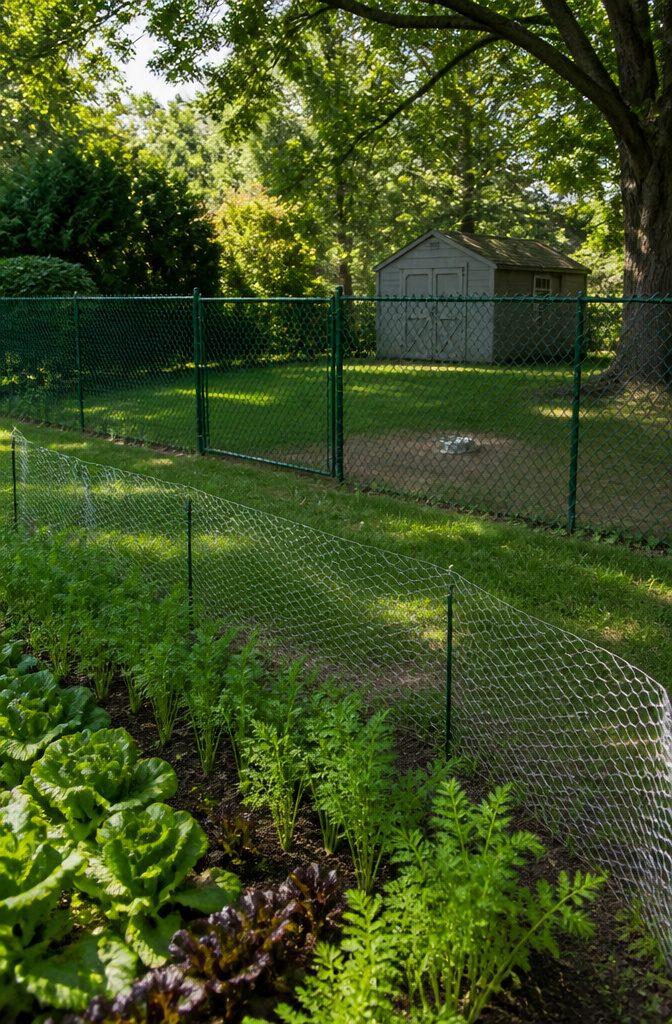
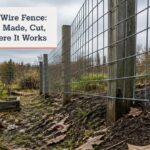
Chain link is among the least expensive fencing there is, and it keeps pets and kids in, though the open mesh gives no privacy.
It wins for dog runs and large lots, and you can set the posts, hang the top rail and stretch the mesh yourself.
Corrosion starts where the links meet, so vinyl-coated mesh is worth the upgrade for a longer life and a better look.
Chicken wire belongs around a vegetable bed. Wrapped on garden stakes, it keeps rabbits, deer and other pests off lettuce and carrots.
Barbed wire, 5 taut strands between metal T-posts, is for livestock and predators, and most residential communities prohibit it.
11. Bamboo
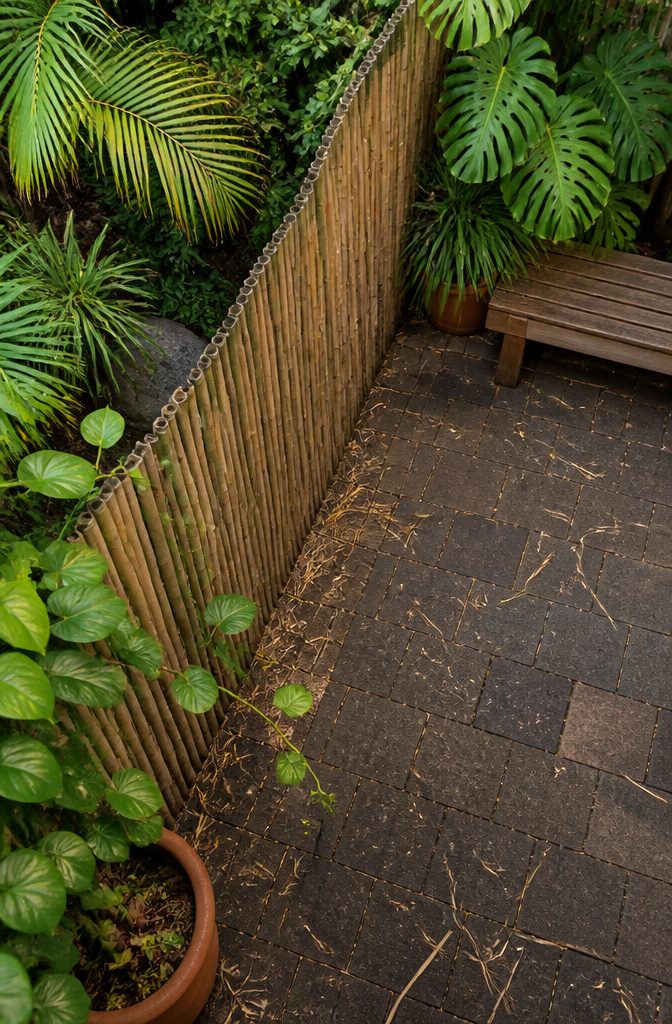
Bamboo grows fast and regrows after harvest, which makes it the renewable choice among natural fence materials, and the stalks are light, strong and flexible.
Natural bamboo fencing uses whole stalks woven together for a rustic, tropical look, and it can cost more than other fence types.
Rolled bamboo binds stalks with wire or string into a roll, so it is the easiest to install. Composite bamboo blends bamboo with plastic to resist rot, decay and insect damage.
I would keep lifespan expectations modest, since natural bamboo can crack or split without upkeep. Treat bamboo as a screen or accent, because it gives less privacy and less customization than wood.
12. Stone, Brick and Masonry
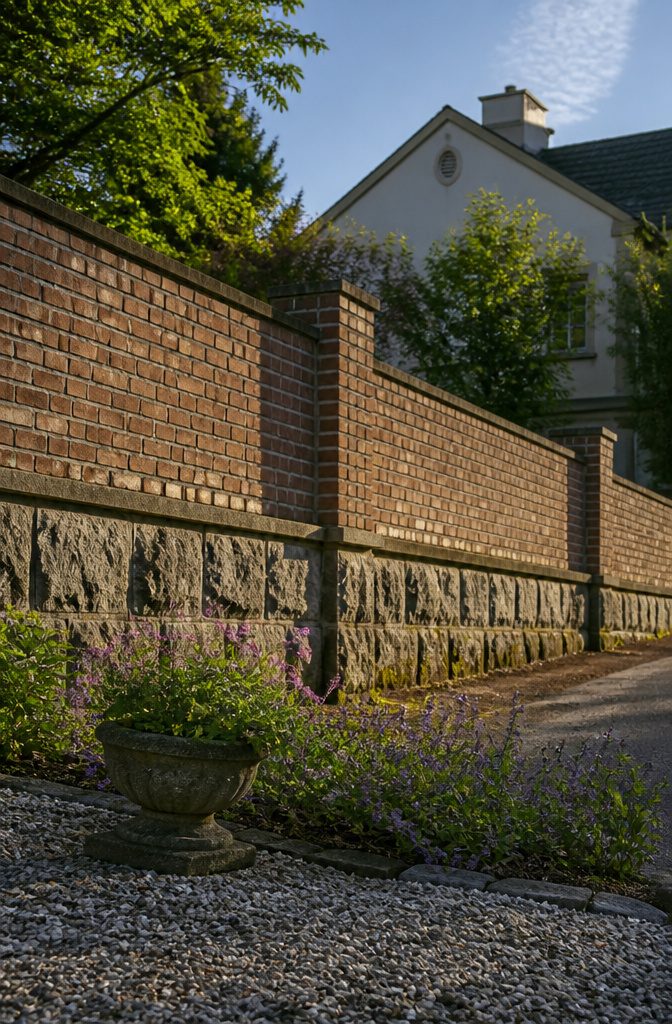
Stone, brick, concrete, stucco and block are the permanent options, and also the heaviest and priciest. All of them need a structural footing poured below the frost line, so plan on professional installation.
Stone comes dry-stacked (rustic, no mortar), mortared (sturdier) or as thin veneer over a wood or metal frame, which costs less.
Brick comes solid, veneer or laid in decorative patterns, and many brick fences are really a concrete or block core with brick only on the outside.
Block and poured concrete need steel reinforcement. Mortar joints loosen over time and eventually need repointing.
I’d choose veneer for most budgets, and full masonry only where noise from a busy road is the problem.
13. Split-Rail
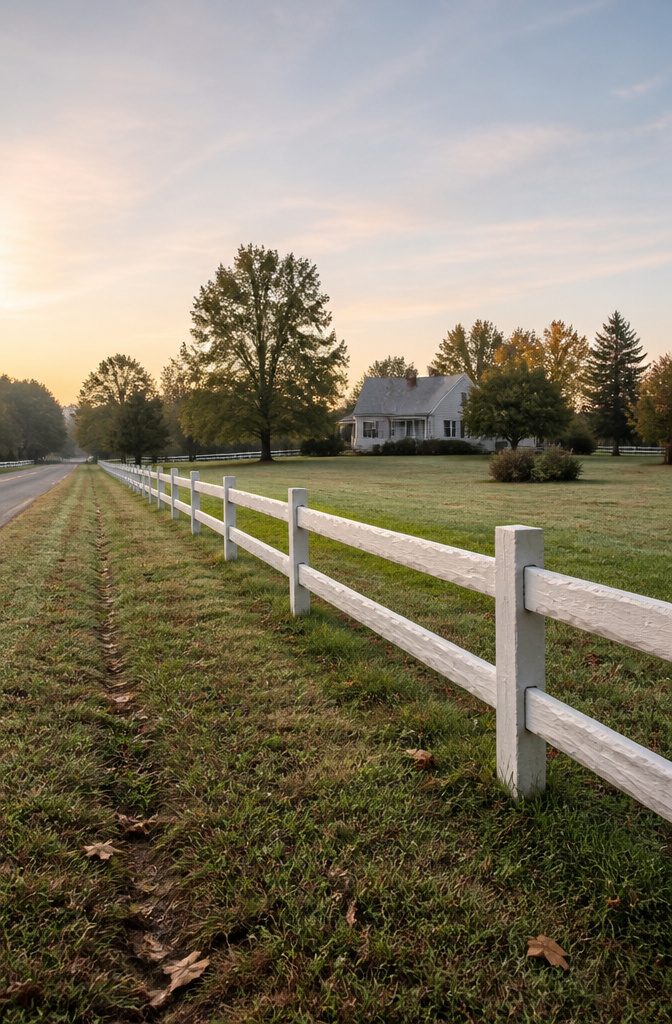
Split-rail is one of the cheapest ways to enclose a large area, which is why it lines so many country roads.
Horizontal rails sit in the posts, so a broken rail can be swapped out alone, and the style is friendly to DIY installation. Painted crisp white, it looks timeless.
It marks a property line and discourages trespassers, and that is the extent of its job. Split-rail offers no privacy and almost no containment for small pets, since a puppy or small dog slips through the open gaps.
I’d choose it for the edge of a big lot and skip it for a small yard where you need a barrier.
14. Lattice
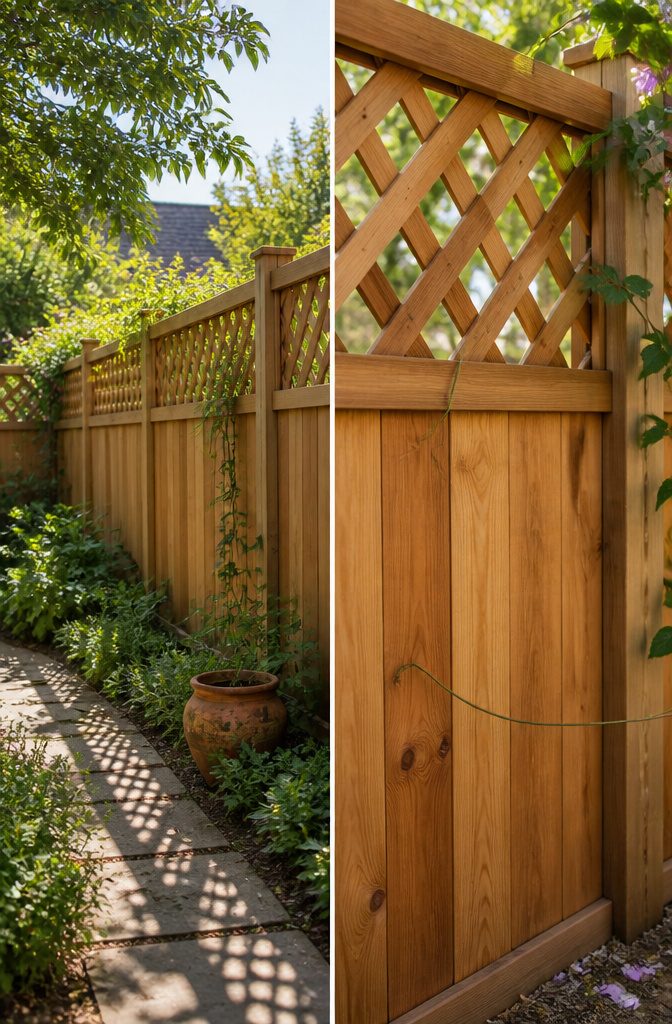
A solid panel fence in cedar, vinyl or composite can look plain. A lattice top adds a band of open crosshatch above the solid boards, so the fence keeps its privacy and security and gains some detail up high.
It belongs with dog ear, scallop and Gothic as one of the named fence-top styles, and vinyl privacy fences are commonly offered with it.
Full lattice panels do a different job. They work in a garden setting where you want climbing vines, because the crosshatch gives them something to grip.
For a boundary fence, I’d pick a lattice top over solid panels, and save full lattice for spots where privacy doesn’t matter, since open panels let people see through.
Check your HOA rules first, as they can limit the style you install.
Match the Fence to the Job
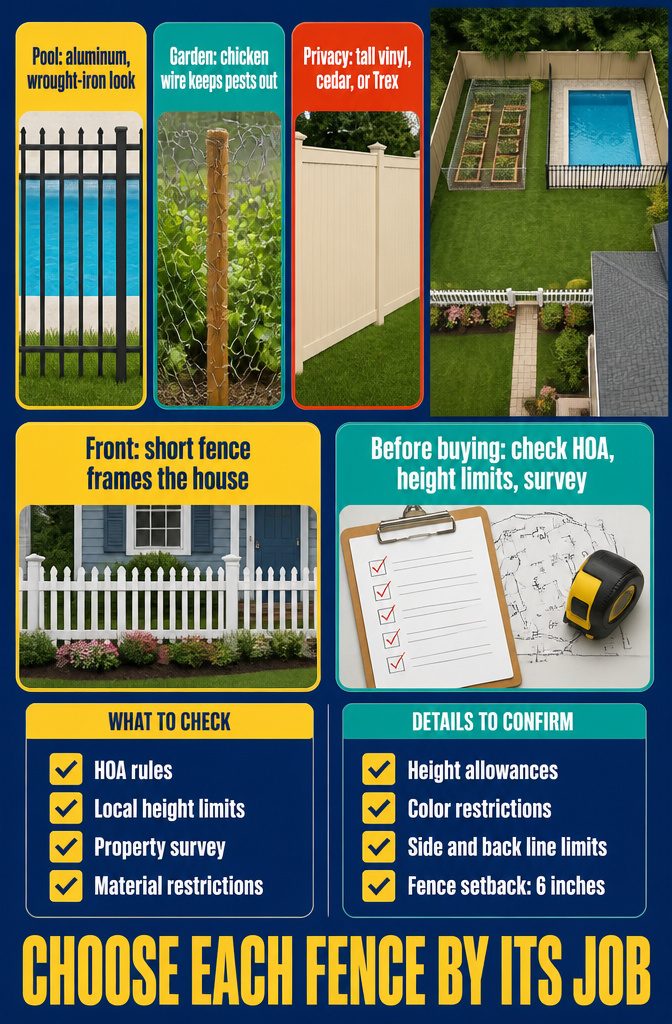
Most yards need more than one fence, and mixing materials by job is often cheaper than using one everywhere.
- Pool: aluminum makes a sturdy safety barrier and gives you the look of wrought iron for less.
- Vegetable garden: chicken wire keeps out rabbits, deer and other nibbling or burrowing pests. Wrapping it around garden stakes is the easiest DIY version.
- Backyard privacy: tall vinyl along the back line works well. Cedar and Trex are the other solid privacy choices.
- Front yard: a short fence frames the house, and any material or style will do.
- Before you buy anything: check your HOA rules, local height limits and a property survey. Material, height and color can all be restricted, and side and back lines may have different height allowances. Without a survey, you may find the fence needs to sit 6 inches farther back.
Frequently Asked Questions
What is the cheapest type of residential fencing?
Chain link is among the least expensive options, and you can set the posts and stretch the mesh yourself.
Split-rail is another low-cost way to enclose a large lot, and pallet wood is the cheapest DIY route to a private fence.
For a standard wood fence, treated pine costs less than cedar or redwood. Chain link and split-rail give no privacy.
What is the most popular type of fencing?
Wood is a popular choice among homeowners, mainly for its price, natural look and room for customizing.
Pressure-treated pine, cedar and redwood are the common wood options. Without sales figures by material, no one type can be named the top seller.
What type of fence is best for my home or backyard?
It depends on what the fence is for, how you want it to look and what you can spend.
For backyard privacy, tall vinyl is a good fit, with cedar and Trex composite as the other solid choices. Aluminum suits a pool, and vinyl-coated chain link suits a dog run or large lot.
What are common fencing mistakes to avoid?
The costliest mistake is building before you check HOA rules, local height limits and a property survey, since you may have to move the fence 6 inches farther back.
Other errors are buying thin vinyl, which yellows and turns brittle, and taking treated pine pickets without sorting for straight boards, because they can warp within a month.
Picking aluminum, ornamental steel or chain link when you want privacy is also a mistake, because they hide almost nothing.