
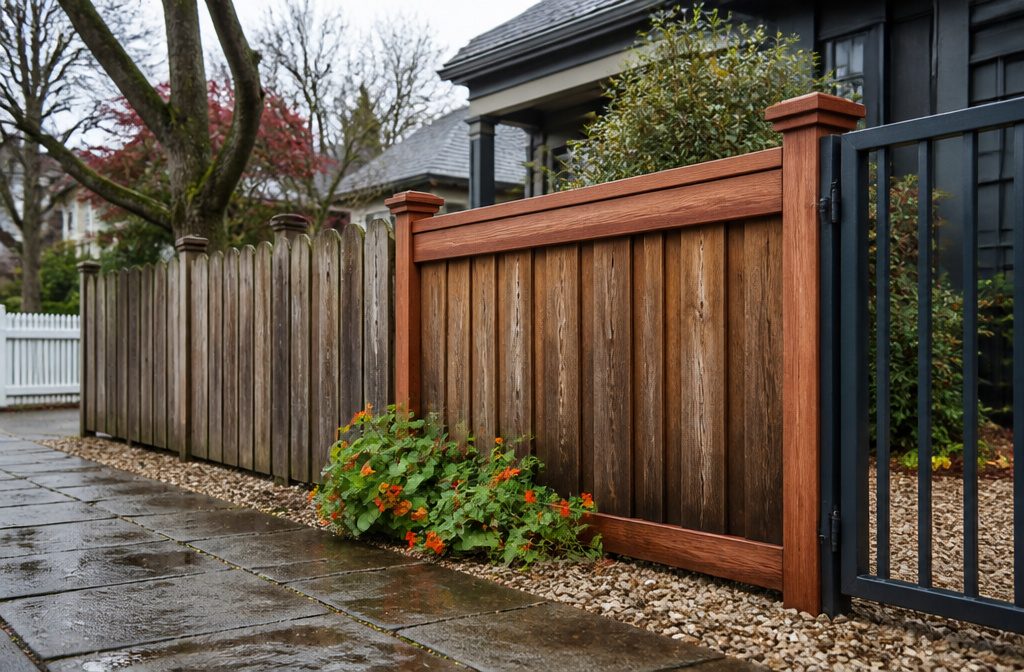
Decorative fences run from a 3-foot picket fence to Durabond steel at $65–$75 per foot, and the deciding question is who sees it.
Put the decoration on street-facing runs. Upgrading two 10-foot front wings to redwood cap and trim adds about $200–$300 over $40-per-foot dog-ear; the same upgrade along 70 feet of backyard costs 3 to 4 times as much.
1. Classic Picket Fence
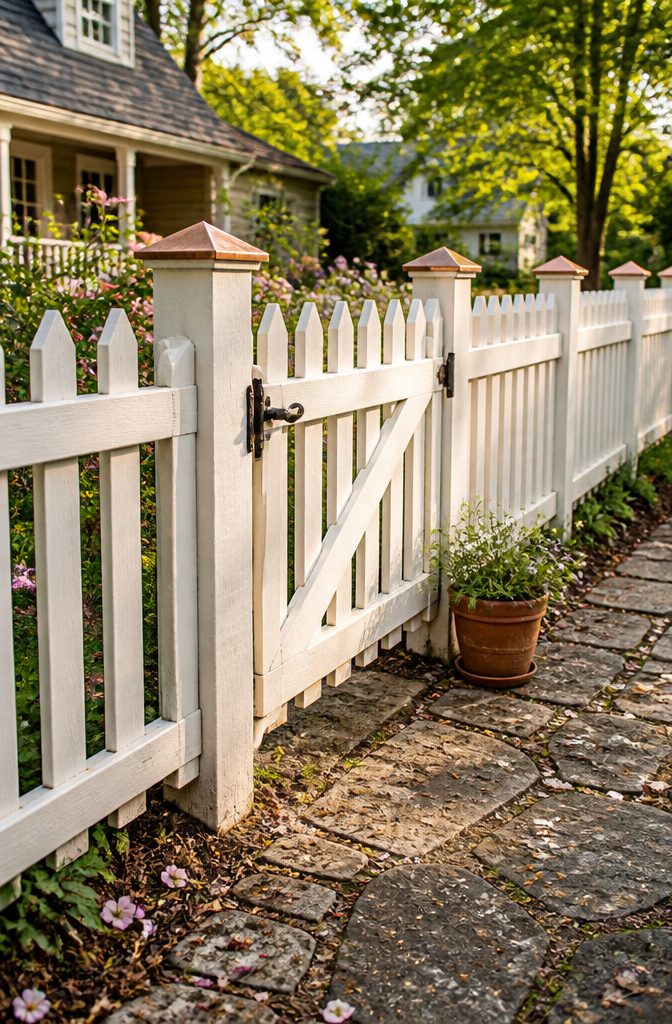
Vertical pickets with straight or scalloped tops give the Nantucket style its colonial look, and the gaps between boards keep views open.
It comes in Solid Cellular Vinyl or White Cedar, at heights from 3 feet to 6 feet. Scalloped tops lean cottage garden, while straight tops read more formal.
Details do most of the dressing up. Post caps come in Westport, Bedford, Southport and Copper, and a gate with traditional or contemporary latches and hinges sets the tone for the whole run.
This fence suits front yards, flower borders and anyone who wants a defined edge without a wall. It marks a boundary but gives almost no privacy, so skip it if neighbors look straight into your patio.
Recommended Products

Rustproof & Durable: Make your outdoor space a charming oasis with our garden fencing. The garden border fence features an arched design and is coated with black rust-resistant material to ensure durability and making it able to withstand outdoor conditions such as exposure to sun and wind
6 PICKET FENCE CUTOUTS: Includes 6 white cardstock fence decorations featuring pointed pickets and a classic garden-inspired design

DIMENSIONS: Each panel measures 24" W x 24" H. One box comes with 6 total linear feet of white vinyl picket fence for your garden.
2. Wire-and-Post Garden Fence
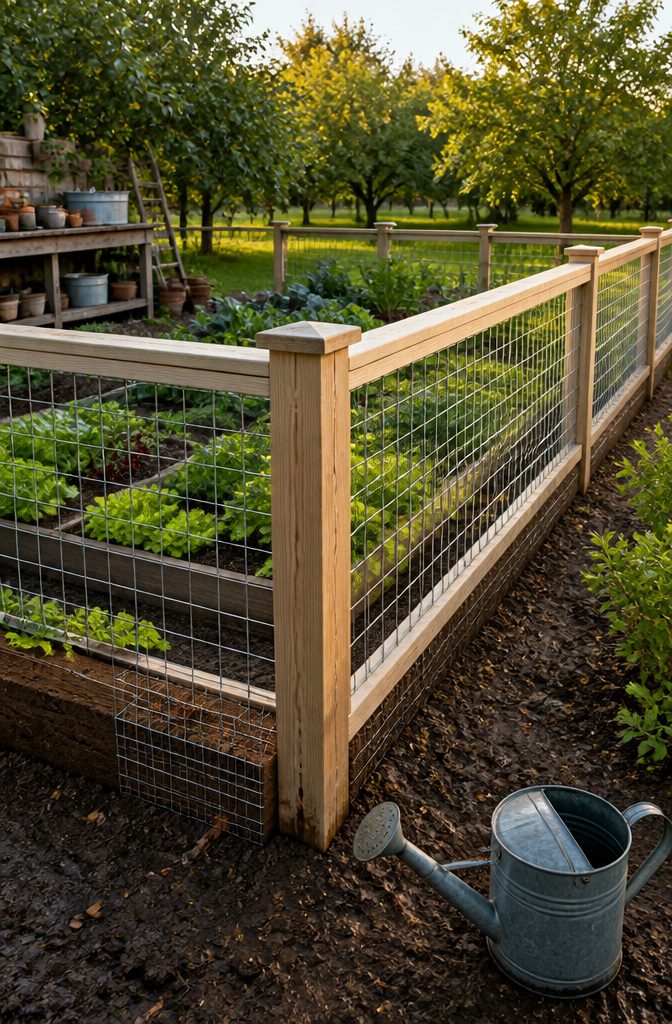
A wire-and-post fence is a slim frame around mesh, and it is the style I’d pick when you want to see the garden from the street and still protect it.
The Sag Harbor design uses 3½-inch rails, 2½-inch side frames and a flat cap, which keeps the lines clean and contemporary.
The wire mesh extends up to 12 inches below grade, so pests that tunnel can’t slip under the fence and into your beds.
An open fence keeps the view but does nothing for what you’ve planted. The mesh backing is what does the protecting, and the thin frame keeps it from looking like a cage.
It comes in Solid Cellular Vinyl or White Cedar. Choose vinyl for low upkeep and cedar for a natural look.
Recommended Products

【High quality raw materials】Our hardware cloth chooses the strength, toughness and ductility of low carbon steel wire as the inner core. This determines the basis of the high quality of our products.

Vinyl-coated Galvanized Steel: Our hardware cloth is made of durable steel. Galvanization and a black vinyl coating provide maximum rust & corrosion resistance, and high ductility. The premium material also ensures ultimate longevity.

Small Animal Protection Barrier: Our hardware cloth features 0.5x0.5-inch mesh that precisely blocks rabbits, rodents, and puppies. Ideal for gardens, pet enclosures, and poultry cages. Dual-purpose: it keeps wildlife out while safeguarding plants and pets year-round
3. Lattice Fence or Trellis Top
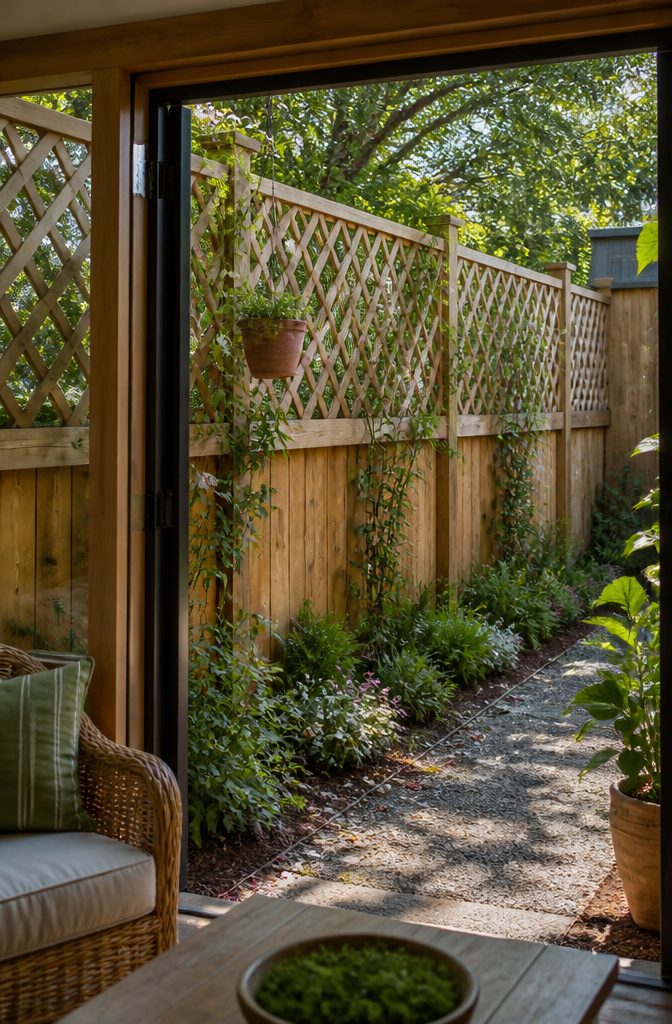
Swapping a solid top panel for a trellis softens the whole fence line. SmartFence and EliteFence both offer slot and diamond patterns.
Climbing plants get something to grip, and the open pattern gives privacy while still letting sunlight through. The gaps also hold small signs and hanging decorations.
For a full lattice fence, I’d pick the 5HV Lattice (5-inch horizontal-vertical) in Cedar or Solid Cellular Vinyl. Its 1-inch by 1-inch welded wire backing protects delicate plantings, and the panel extends below grade.
Use it to screen a utility area or mark off a garden "room." Paint or stain options, scalloped tops and decorative gates add detail.
Recommended Products

【Renewable Materials】Our wood lattice fence panels is made of natural wood and belongs to Renewable resource. The wooden lattice will not release toxic gases that cause damage to the environment. Therefore, it also not causing harm to you or your plants

PREMIUM 100% NATURAL WILLOW WICKER: Handcrafted from genuine willow wicker fence branches (1/4" to 3/8" diameter), each panel is hand-smoothed to ensure a burr-free, splinterless finish. Naturally weather-resistant and rustproof, this eco-friendly willow trellis delivers rustic elegance and long-lasting durability superior to standard wood lattice panels.
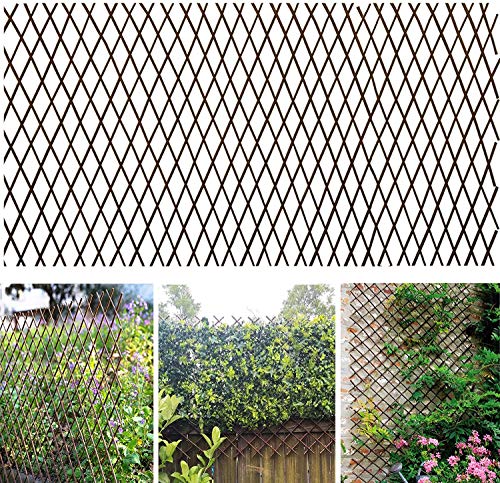
Willow Garden Trellis:This vine trellis are made of 100% real willow,willow sticks is are about 1/4” to 3/8” thick
4. Split-Rail Fence With Wire
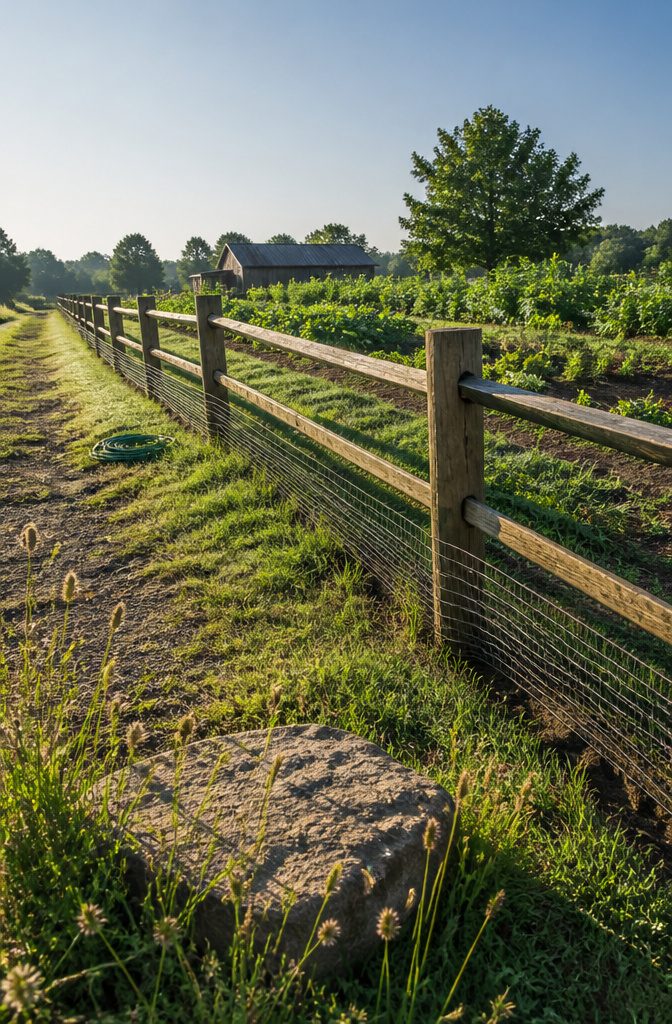
The Morgan with Wire style takes a split-rail fence, originally built to contain livestock, and adds wire to each section so it works in a garden.
It comes as a 2-rail fence at 3 feet or a 3-rail fence up to 4 feet. The wire runs up to 12 inches below ground, which protects roots and bulbs from unwanted visitors.
I’d choose it for a larger yard or a rural-style property where an open, old-fashioned look suits the setting. It marks a boundary and keeps pests out, but it gives no privacy, because you see straight through the rails.
On a small city lot or a patio, skip it. The style needs room to look right.
Recommended Products

Stylish and Practical: Create a 40 ft garden fencing or pathway with PROWORX's sturdy steel fence border, garden fencing 14 inch high is easy to remove and fold for storage

Stylish and Practical: Create a 40 ft garden fencing or pathway with PROWORX's sturdy steel fence border, garden fencing 14 inch high is easy to remove and fold for storage
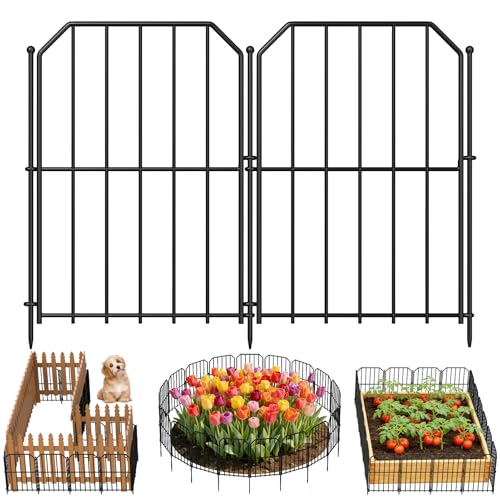
【Notice】Our animal barrier fence is not suitable for blocking large animals or pets.Overall height (stake & panel): 24". Installed working height: approx 15.83".
5. Black Fence
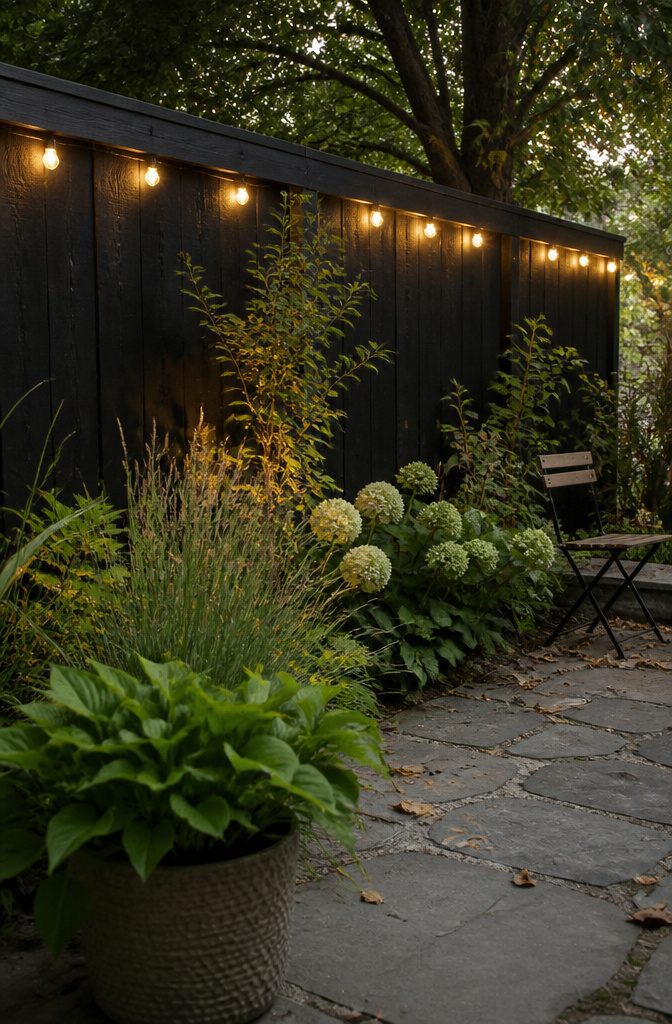
A black fence makes nearby foliage look greener. Leaves and flowers stand out against the dark backdrop, and fairy lights strung along the top rail glow against it after dark.
Black is a finish choice that fits almost any style. Paint or stain comes in signature shades or custom-matched colors, so picket, board-on-board and horizontal fences can all go dark.
The cost is visual weight. In a small yard, a tall black fence on every side can feel boxed in, so I’d keep it to the back boundary and leave the other sides lighter.
Recommended Products

Elsjoy 6 pack mini fairy garden ornament fence, each measures 35 x 2 inches and the total length is 210 inches. The mini fence is an excellent tool for creating a mystical miniature garden in a flowerpot or garden area, suitable for succulent, dollhouse, shadowbox, etc.

Miniature Adorable Size: This outdoor fairy garden accessory measures 90cm (35.5") in total length and 5cm (2") in height. Its perfectly miniature size helps create enchanting tiny landscapes and enhances your fairy garden supplies collection.

Premium Plastic Construction: Made of sturdy smooth plastic with rounded top edges, this white picket fence is weather-resistant, solid and not easy to crack or fade. This Christmas tree fence works great indoors and outdoors for long-lasting use on lawns, patios, gardens and holiday scenes
6. Green Fence
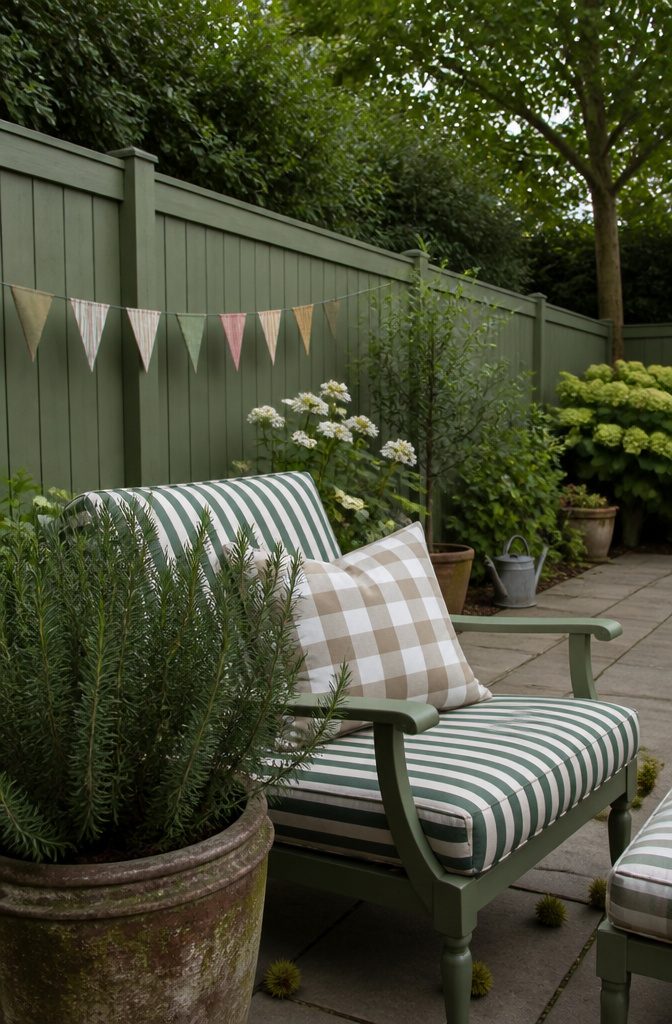
A soft green finish lets the fence disappear into the vegetation, so the planting reads as one continuous backdrop. Black sets plants against a dark edge, while green hides the boundary altogether.
EliteFence and SmartFence both offer shades of green that give this camouflage effect, and I’d choose a muted green close to your leaf color over a bright one, since a loud shade stands out instead of fading back.
Because a green fence recedes, the color has to come from somewhere else. A string of ornamental bunting and striped patio furniture can carry it, and both are easy to swap out without repainting a single board.
Recommended Products

FOREHOGAR welded wire garden fence is made of galvanized wire and then coated with black vinyl. Rustproof and with long service life.

Vinyl-coated Galvanized Steel: Our hardware cloth is made of durable steel. Galvanization and a black vinyl coating provide maximum rust & corrosion resistance, and high ductility. The premium material also ensures ultimate longevity.

Durable Outdoor Defense: Safeguard your space with this mesh fence. Crafted from robust plastic, this fencing withstands outdoor conditions, ensuring longevity. Thick, tear-resistant, waterproof, and odorless, it stands the test of time.
7. High-Privacy Fence
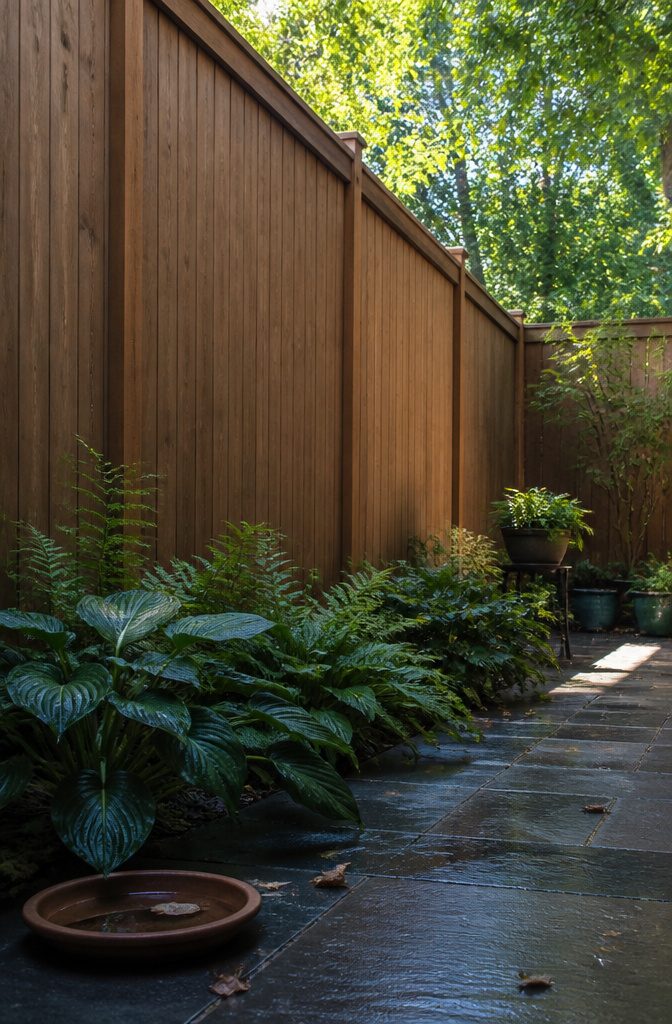
Extra-high panels set close together give a garden more seclusion than any other style here, which matters if neighbors can see straight into your patio.
What you give up is light and open views. A tall, tight fence shades the beds beside it and cuts off everything past the property line, so a small yard can start to feel boxed in.
I’d choose it only when privacy matters more to you than sun.
Start with a strong, durable fence that weather won’t damage, because a tall fence that sags or rots is expensive to fix and hard to disguise. Paint, color and plantings come after the structure is sound.
Recommended Products

Willow Trellis:This plant support are made of 100% real willow,willow sticks is are about 1/4” to 3/8” thick

EXPANDABLE DESIGN: This expandable garden trellis extends up to approximately 13" x 68" and adjusts wider or narrower to suit different garden beds, patios, yards and planting layouts. The flexible wooden lattice provides useful vertical coverage for different spaces and contracts to a compact size for easier storage when not in use

Easy to Install and Expand: Our expandable garden trellis is designed with convenience in mind. It can be easily installed in any garden or outdoor space without requiring any special tools or expertise. Plus, it can be expanded or adjusted based on your specific needs, allowing you to create a custom trellis that fits perfectly in your garden.
8. Redwood Cap and Trim
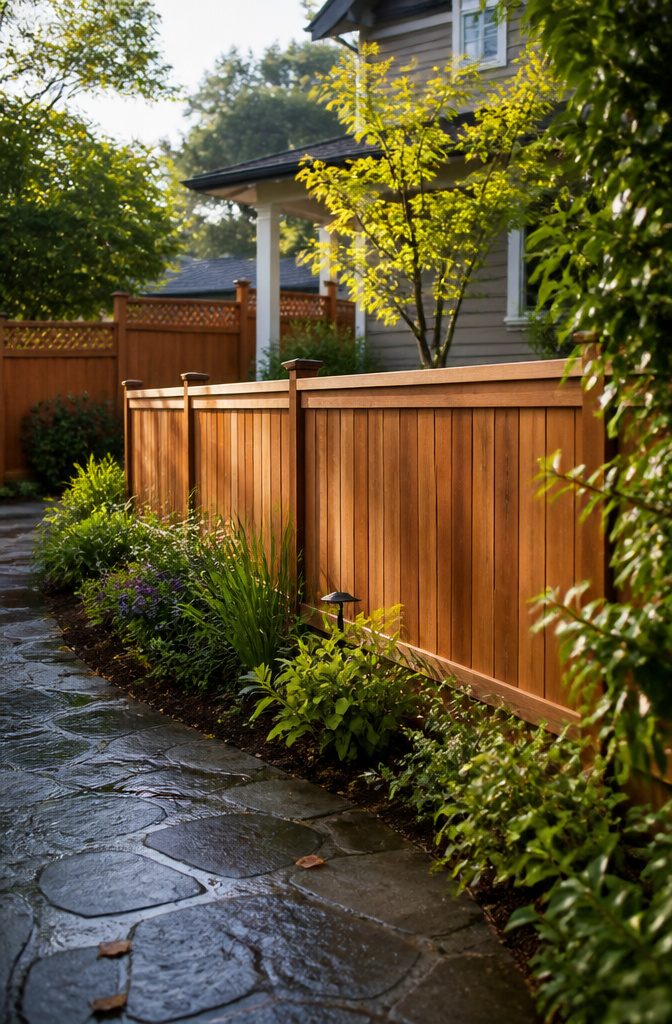
A framed top rail and trim board give a redwood fence a finished, custom look. The fence is built on site from full ¾-inch boards rather than premade panels, so the frame is part of the construction.
Installed, redwood cap and trim runs $50–$55 per foot. Standard dog-ear redwood costs about $40 per foot, or $47 on hidden steel posts, which add roughly $7 per foot on wood.
On a short 20-foot run, the upgrade adds about $200–$300 over dog-ear. That is a modest price for the stretch of fence people see from the street.
I’d choose it when the shared backyard lines around you are redwood. The trim then reads as a step up in the same material instead of a clash.
Recommended Products

24in(H) x 10.8ft(L): Each arched fence panel is 24 inches high and 13 inches wide, and a set of 10 panels is 10.8 feet long. You can also buy multiple sets and assemble them for longer sizes. (Part of the fence is inserted into the ground, so the final height may be less than 24in.)

【Our animal barrier fence is not suitable for blocking large animals or pets.【

Collapsible Garden Fence: Each Piece of Garden Fence 24 In Height, 7 In Collapsible Feet and 13 In in Width, with a Total of 24 Panels for a Total Length of 26 FT. The Garden Fence Features An Arched Design That Is Stylish and Classic, Which Can Display Plants Well. It Can Well Protect Your Yard, Garden and Vegetable Garden Plants from Small Animals
9. Board-on-Board Redwood
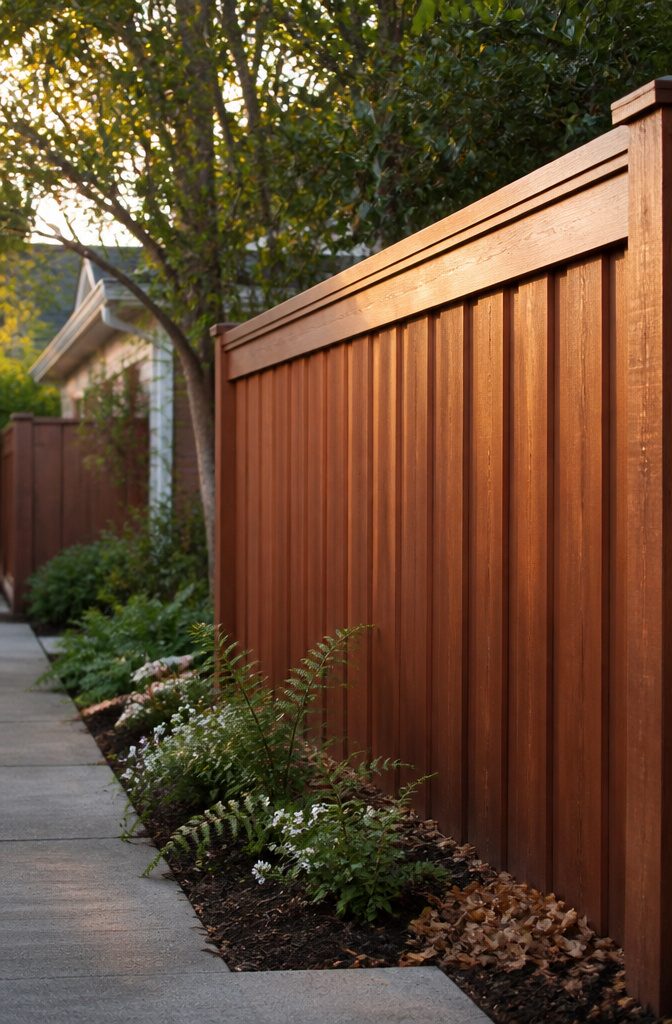
Board-on-board redwood gives you a solid, gap-free face under a framed cap and trim, so nothing shows through from the street.
Plain cap and trim at $50–$55 per foot gives the same finished top but is a separate upgrade. Board-on-board runs $55–$60 per foot installed, against about $40 for standard dog-ear.
On two 10-foot front wings (20 feet), that works out to roughly $300–$400 more than dog-ear.
Short runs keep the premium small. Doing the whole backyard this way costs three to four times as much, and most of it would go on fence nobody walking by sees.
I’d pick it when the neighbors’ fences along the shared lines are already redwood, since the upgrade then reads as a continuation of the same material.
Recommended Products

【Upgraded Garden Fence】 Blingluck classic arch shape design garden fencing single piece size height is 17 inches, length is 12.6 inches, and the fence gap is 1.9 inches, total 10 pieces of fence, overall length about 11 ft. Equipped with 11 Pcs height of 17 inches metal stakes. More convenient installation. This fence will be the best choice for your beautiful garden, yard & patio

Upgraded Garden Fence with Lights:8 PACK white picket fences with solar powered lights,each fence panel has 36 LED warm white lights bulbs,13.77 inches/35 cm in length,11.14 inches/28.3 cm in height,lead wire is 32.8ft/10m,which is a unique and brilliant decoration for your garden

Order is for a 4-Pack of fencing, giving a total of 32 feet of fencing in length
10. Horizontal Redwood
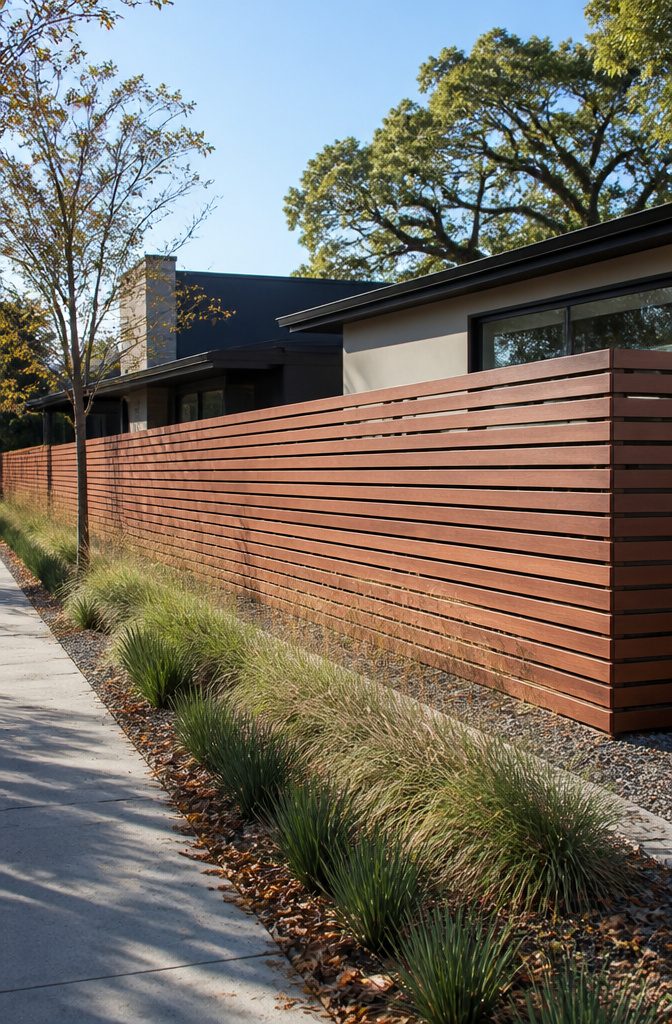
Long horizontal boards carry the eye along the front of the property, which is why this style suits a modern or contemporary front elevation.
If the house has flat planes, clean rooflines and little ornament, I would pick horizontal redwood over any traditional pattern, since the fence repeats the lines of the house instead of competing with them.
It is still redwood, so it sits comfortably beside a standard redwood fence in the backyard. You get a modern street face without a jarring change of material where the front wing meets the back.
Horizontal redwood is quoted on site rather than priced per foot, so get a quote before you set a budget. On a traditional house, I would skip it and choose a style with a framed top.
Recommended Products


Heavy-Duty Under The Bed Blocker for Pets: Our 0.1" thick chicken wire fence resists wear and tear from claws and teeth. A durable cat balcony netting, our long-lasting barrier protects pets from railings and prevents them from sneaking under furniture
11. Vinyl Privacy Fence
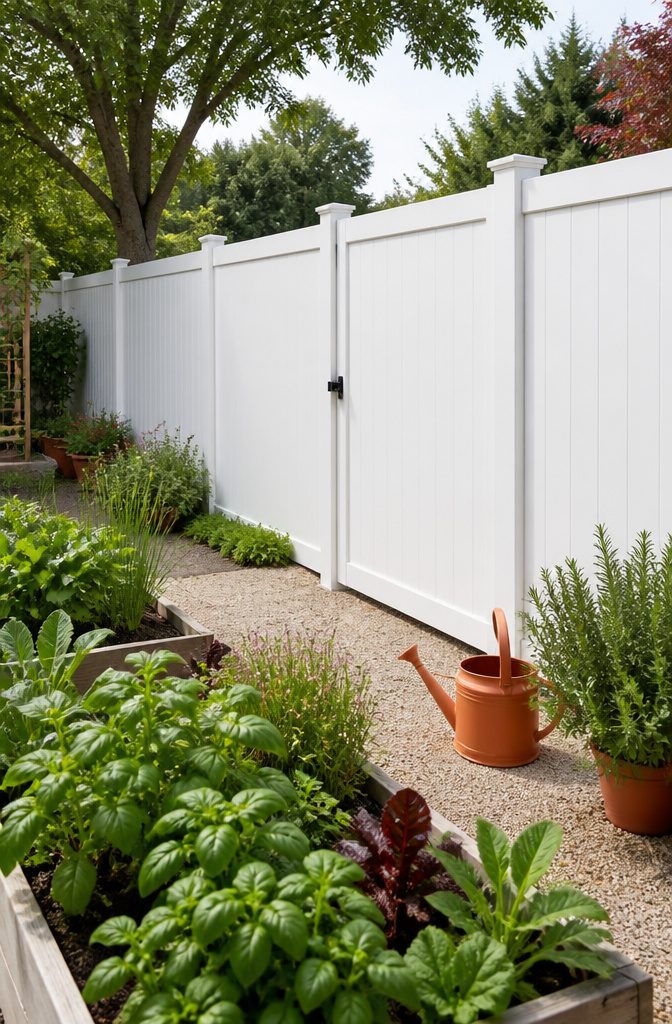
White vinyl privacy runs about $52 per foot installed, compared with about $40 for a standard redwood dog-ear fence. On two 10-foot front wings, that gap adds up to about $100–$250 over dog-ear, which makes vinyl the cheapest of the street-facing upgrades.
The face stays clean and uniform and never needs painting or staining, so I’d choose it for anyone who wants a distinct front look with little upkeep.
Vinyl also comes in garden styles.
Solid Cellular Vinyl is used for fences like the Morgan, which suits roomy layouts and kitchen gardens. Check with your HOA before ordering, since some restrict vinyl.
12. Durabond Privacy Steel
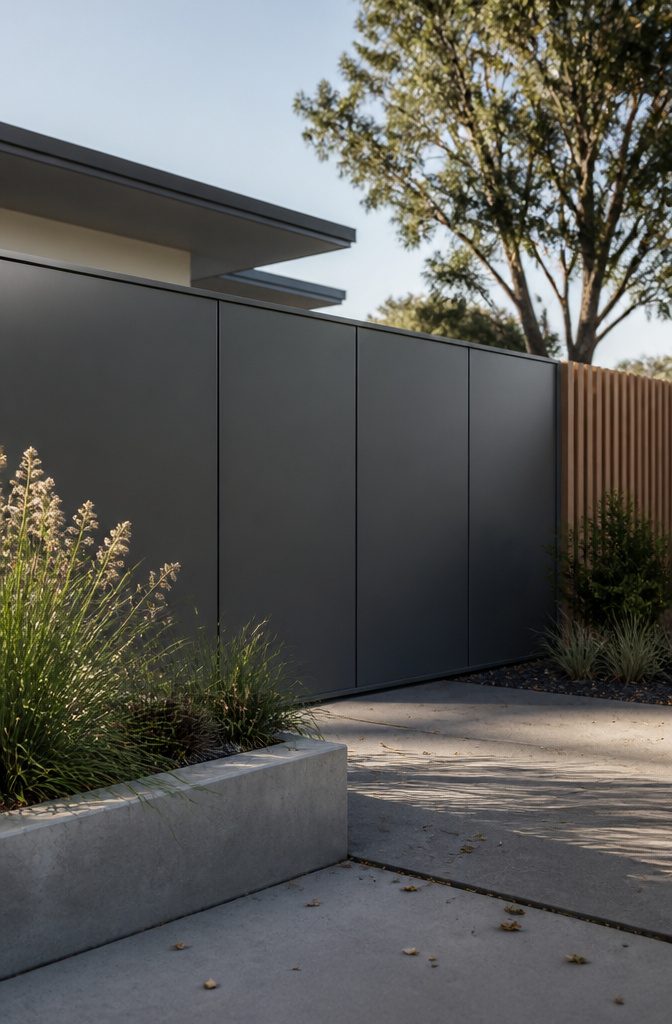
Durabond privacy steel gives a front yard flat, architectural lines with a COLORBOND finish, and it reads as modern without any styling help. Installed, it costs $65–$75 per foot, which makes it the most expensive front option priced.
Compared with a redwood dog-ear fence on hidden steel posts at about $47 per foot, 20 feet runs roughly $360–$560 more. Pieces are assembled into sections on site, and upkeep stays very low.
I would spend on it for a front wing or side return that isn’t shared with a neighbor. On shared side lines, pairing it with redwood keeps the cost down and the two materials look good together.
13. Ornamental Iron
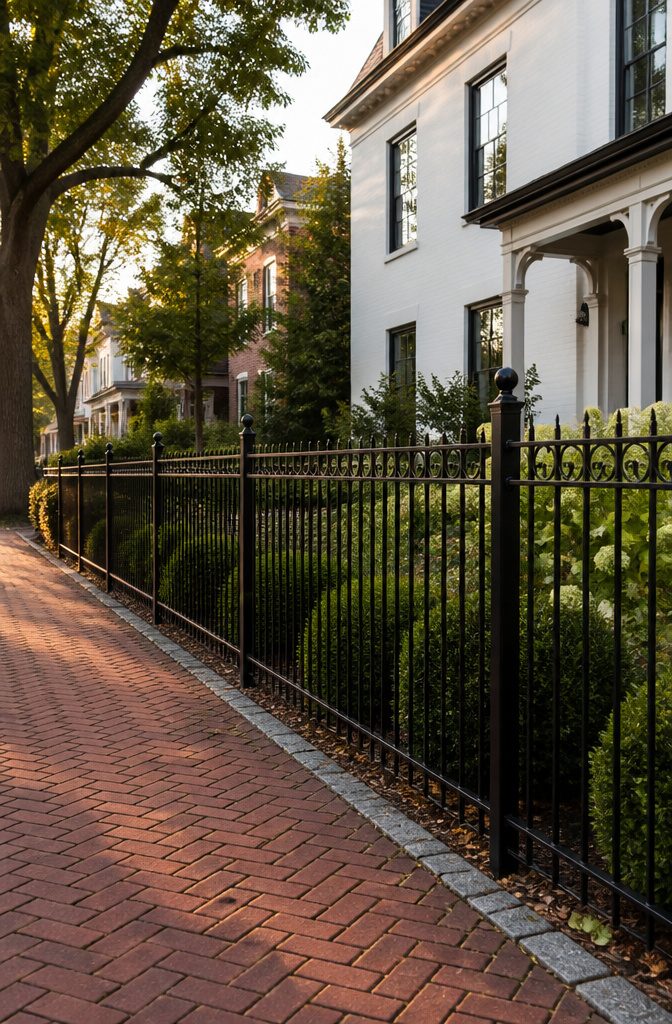
Black ornamental iron is the fence I’d choose for a front yard that needs a defined edge without hiding the house. It’s a common sight in downtown Sacramento, where black iron fences line the front yards.
A front-yard fence is the face of the property, so this is where a decorative material earns its cost. Iron’s slim, open bars frame the house instead of blocking it, which a solid wood panel can’t do.
Use iron on the street-facing front, and nowhere else. Shared side and back lines are mostly seen by you and your neighbors, so a plain, affordable fence works fine there.
Spend on the Street Side
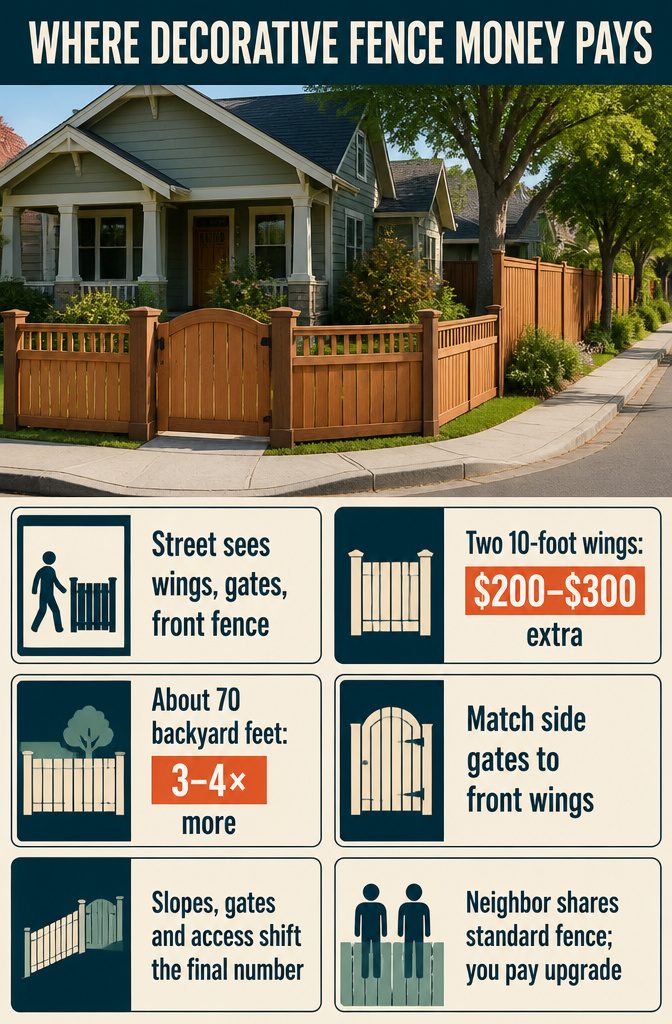
Passersby see the front wing fences, the gates in them, any front-yard fence, and the street-facing run on a corner lot.
Shared side and back lines are mostly seen by you and your neighbors, so I’d keep those in plain, uniform redwood and put the decorative money up front.
Short wings make that cheap.
Upgrading two 10-foot wings to redwood cap and trim adds about $200–$300 over standard dog-ear. The same upgrade along about 70 feet of backyard costs three to four times as much.
Build the side gates to match the wings. Slopes, gates and access shift the final number, and the neighbor usually pays a share of a standard fence while you cover the difference.
Check HOA Rules First
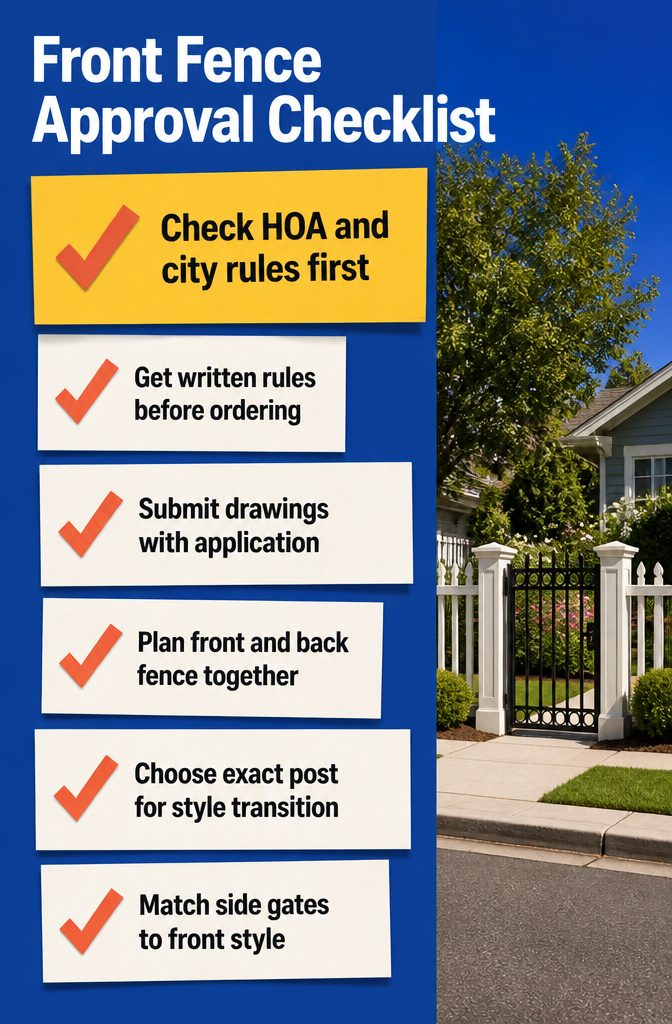
Approval can block everything below, so settle it before you order anything.
- Check HOA and city approvals before ordering. Many HOAs control front-fence styles and materials, and some restrict vinyl. Getting approval is the homeowner’s job, so ask for the written rules and submit drawings with your application.
- Plan the front and back fences together, so the street-facing upgrade and the backyard fence fit one layout.
- Choose the exact post where the upgraded look stops. A deliberate transition reads as a design choice; a random one reads as a budget that ran out.
- Build side gates in the front style. They sit in the wing fences and show from the street, so a plain gate beside an ornamental fence looks patched.
Frequently Asked Questions
How can a decorative fence improve both looks and function?
A decorative fence can match your home’s architecture and landscaping while still marking boundaries, containing pets, or adding privacy.
Post caps (Westport, Bedford, Southport or Copper), gates with traditional or contemporary hardware, and a paint or stain color change the look without changing what the fence does.
Which part of a decorative fence do people on the street actually see?
Passersby see front wing fences, the gates in them, any front-yard fence, and the street-facing run on a corner lot.
Shared side and back lines are mostly seen by you and your neighbors, so plain, uniform redwood works there. Putting the decorative budget up front gives curb appeal without paying premium prices for footage nobody sees.
Which decorative fence upgrades work best on front wing fences?
The main options are redwood cap and trim, board-on-board redwood with cap and trim, horizontal redwood, vinyl privacy, and Durabond privacy steel.
Cap and trim and board-on-board suit homes whose shared backyard lines are already redwood. Horizontal redwood fits a modern or contemporary front, and vinyl or Durabond suit anyone who wants a distinct front look with little upkeep.
How much does a decorative front fence upgrade cost over a standard fence?
On 20 feet of front wings, compared with standard dog-ear redwood at about $40 per foot, cap and trim adds about $200–$300, board-on-board adds $300–$400, and vinyl privacy adds about $100–$250. Durabond privacy steel runs roughly $360–$560 more than dog-ear on hidden steel posts.
Horizontal redwood is quoted on site, and gates, slopes and access change the final number. Short wings keep the premium small, while the same upgrade along about 70 feet of backyard costs three to four times as much.
What is the best decorative fence for a front yard?
Black ornamental iron is the most common choice when the front yard needs a full fence rather than just wings. Its slim, open bars define the edge and frame the house instead of hiding it.
Downtown Sacramento is lined with black iron front-yard fences. Shared side and back lines can stay with a plainer, cheaper fence.
Can my front fence be a different material than my backyard fence?
Yes. Vinyl or Durabond privacy steel on the front wings can pair with redwood on the shared lines, and horizontal redwood sits comfortably beside a standard redwood fence.
Redwood cap and trim or board-on-board keeps the material the same front to back. Pick the exact post where the upgraded look ends so the change reads as intentional.
Who pays for a decorative upgrade on a fence I share with a neighbor?
Usually the neighbor pays a share of a standard redwood fence, and you pay the difference for the upgrade. Agree on the split before you order so the cost of the decorative version is clear to both of you.
How do I make an upgraded front fence look planned instead of patched?
Design the front and back fences together, so they fit one layout.
Choose a specific post where the upgraded look stops, and build the side gates in the front style, since they show from the street. Get HOA and city approvals before you order.
How do I start putting decorative fence ideas into practice?
Start with a sturdy, well-built fence, because a tall fence that sags or rots is expensive to repair and hard to disguise.
Add color, caps, trellis tops or plantings once the structure is sound. Check HOA rules first, since many control front-fence styles and some restrict vinyl.









