
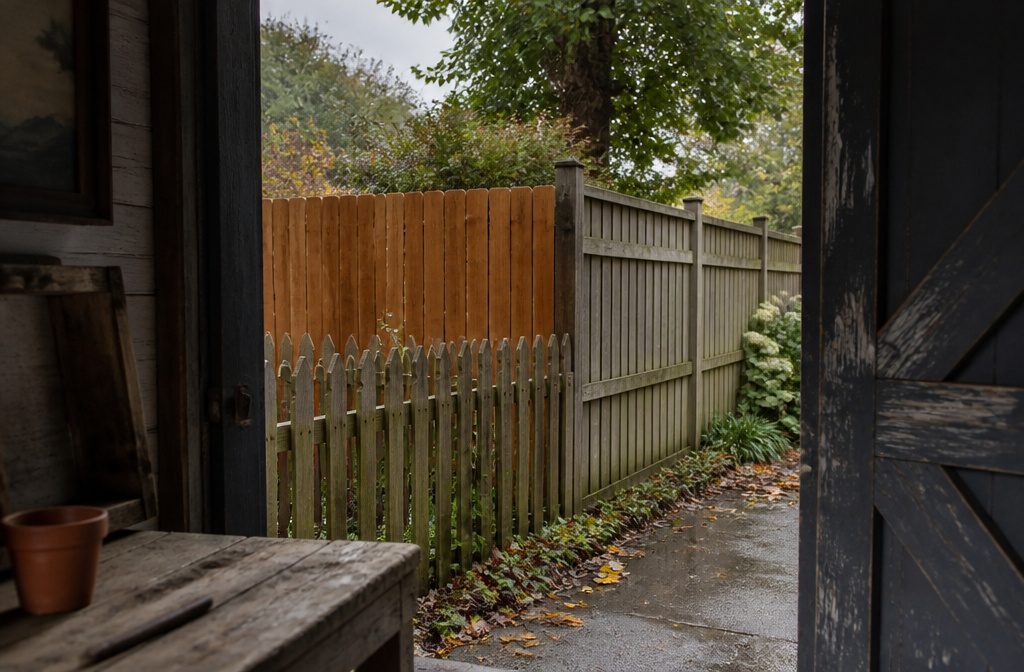
Wood fences range from 4-foot pickets that block little to board-on-board that blocks every sight line, and how much privacy you need picks the style.
Solid styles carry a cost: close-set slats give wind nowhere to go and can blow over in high winds, and shrinking boards open gaps.
1. Board-on-Board Fences
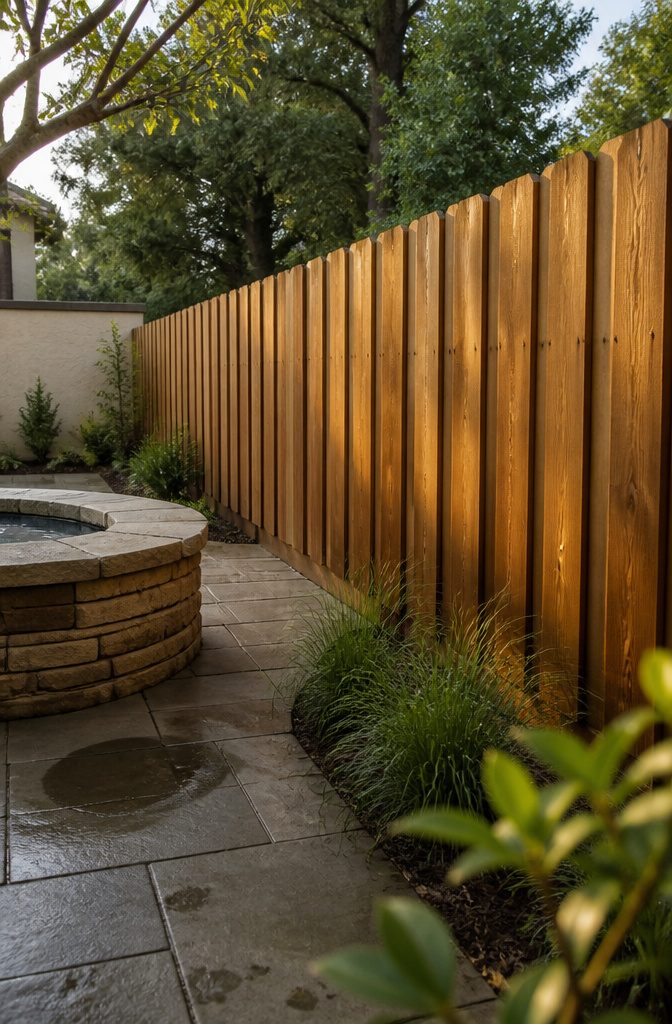
Board-on-board attaches every other picket to the opposite face of the rail, so the boards overlap and leave no gap at any angle.
Nothing lets a neighbor see through it, and it looks finished from both sides, which matters along a street or a shared property line.
The extra boards raise material cost. I’d still pay it for a yard that needs real privacy, such as a patio or a hot tub.
The shadowbox variant keeps the solid board-on-board face on one side and spaces the slats on the back.
The gaps and alternating boards throw a shadow effect and spread the weight along the rails. Privacy drops slightly, but the look is more layered.
Either version can take a dog-eared top, with the corners of each picket clipped.
Recommended Products
PREMIUM NATURAL WOOD – Crafted from real wood, the outdoor privacy screen showcases its own unique grain, color, and knots, unlike vinyl outdoor privacy fence screen panels that lack the authentic beauty and texture of a natural wood screen.

NO TOOLS, NO SCREWS, NO ADHESIVES: Forget drilling holes or sticky pads that fall off in summer heat. Our fence light clips slide directly between two pickets and lock in place using the fence's own structure. Installation takes seconds, just slide it in and hang your lights.
2. Side-by-Side Boards
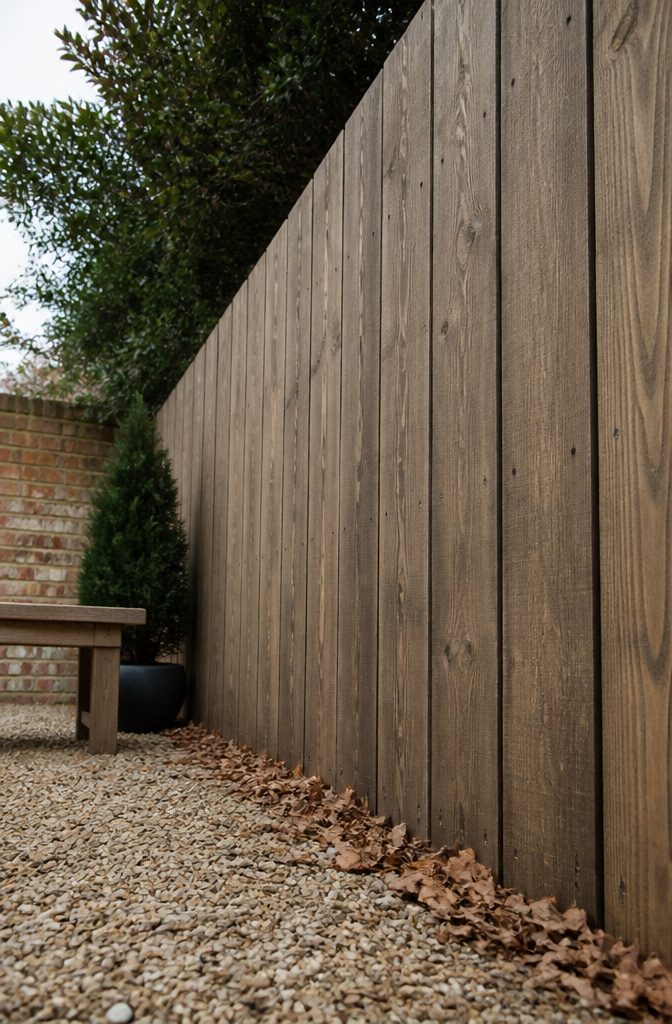
Side-by-side fencing sets vertical boards edge to edge, with no overlap and no gaps, to form a solid wall anywhere from a few feet to over 6 feet tall.
Because nothing overlaps, it uses less material than board-on-board and other complex styles, and lightweight slats cost less than solid wood panels. For an affordable privacy fence that also cuts noise, I’d pick it.
Wood shrinks, though, and any shrinkage opens gaps that defeat the privacy.
Wind is the other limit. Close-set slats and solid panels give air nowhere to go, so either can blow over in high winds, and a windy yard is better served by a style that lets air through.
The solid wall also blocks light, which can make a small yard feel even smaller.
Recommended Products
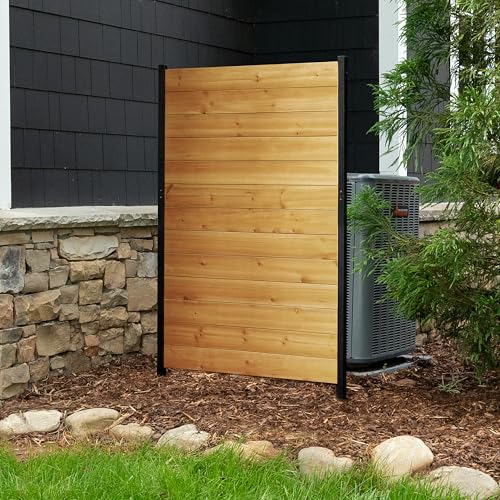
STYLISH NATURAL WOOD: This FSC certified wood screen is made with real wood meaning no two boards have the same grain color, finish, or wood knots differing it from vinyl outdoor privacy fence screen panels.

Neighbor Privacy, Not Blackout: Blocks direct line-of-sight while allowing airflow — designed for comfortable backyard privacy, not a solid wall or tarp.

Versatility: This wooden privacy screen provides a discreet enclosure, creating a sense of mystery and concealment. It is perfect for elevating the overall aesthetic of your outdoor space. Quickly creates a secluded retreat while adding a touch of elegance that complements any décor, indoors or out.
3. Horizontal Board Fences
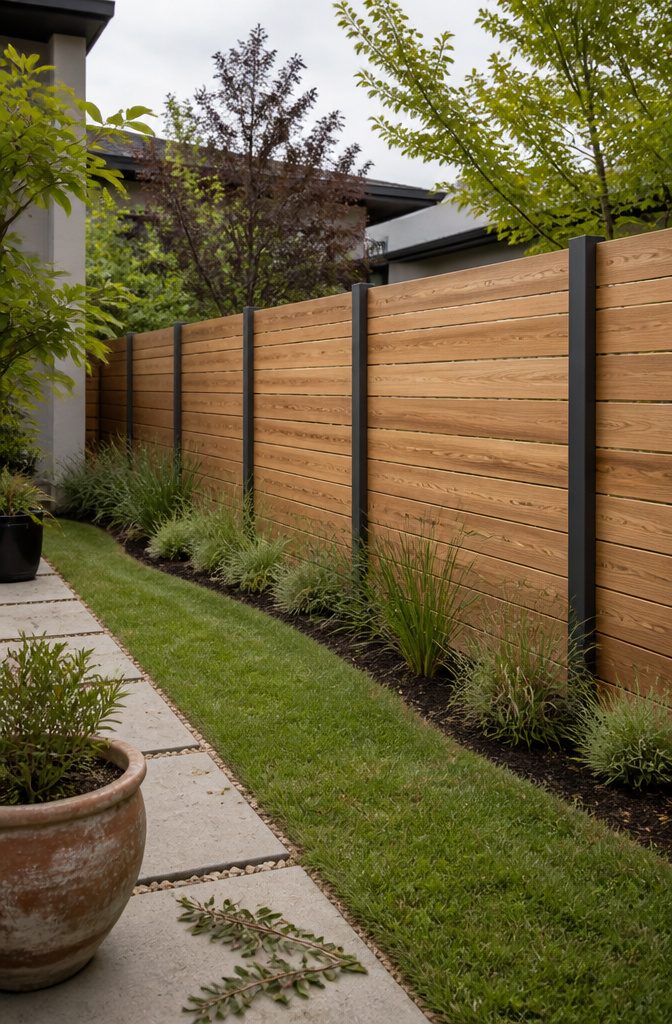
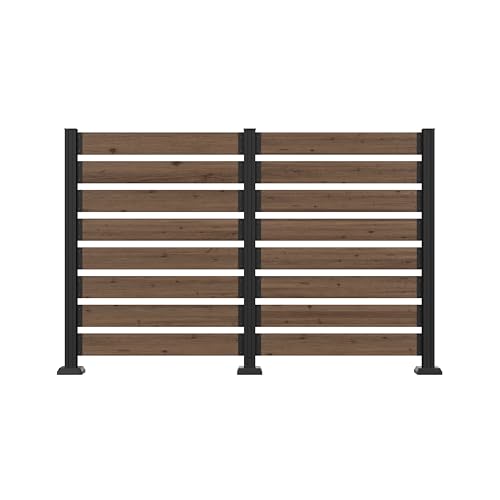
Horizontal board fences run the boards side to side instead of top to bottom, which gives a yard a clean, modern line. Composite is the version many people choose in this style.
It’s an engineered material made of plastic and sawdust, and it’s durable, paintable and easy to maintain. Posts can be real wood or industrial metal.
Composite costs more than real wood, so it’s the wrong pick on a wood fence budget. It also won’t give you the look of real wood.
A composite privacy fence can last 20-plus years, and I’d pay the premium only if you want to build once and keep upkeep low. For the wood look, buy wood boards and run them horizontally.
Recommended Products

STYLISH NATURAL WOOD: This FSC certified wood screen is made with real wood meaning no two boards have the same grain color, finish, or wood knots differing it from vinyl outdoor privacy fence screen panels.

✅ Natural Solid Wood Construction-- Crafted from real solid wood, each panel features unique wood grain, color, and natural knots—delivering a warm, organic look that vinyl or composite screens can't match.

STYLISH NATURAL WOOD: This FSC certified wood screen is made with real wood meaning no two boards have the same grain color, finish, or wood knots differing it from vinyl outdoor privacy fence screen panels.
4. Concave and Convex Tops
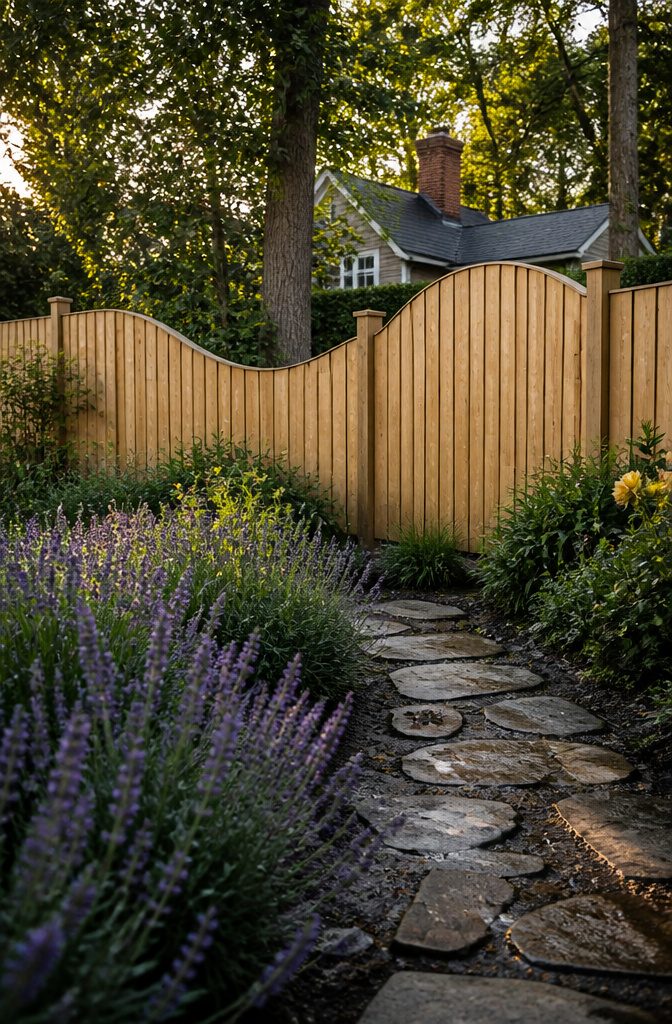
A concave or convex top is a plain vertical board fence with one change: the top line curves.
Concave dips like a U, and convex rises like an N. The construction underneath stays simple, so the curve does the decorating that a flat top leaves out.
Between the two, I lean toward convex. The arch reads as a deliberate finish, while the dip of a concave run tends to look like a sag from a distance.
Either one suits a backyard where you want full privacy but don’t want a fence that looks purely utilitarian. If you want more ornament than a curve gives, cap and trim is the next step up.
Recommended Products

EASY ORDERING: Everything you need for your fence project is in the box except for the final post. Only ONE additional post, BL19112, is required for the end of your project. A gate is available by searching BL19111.
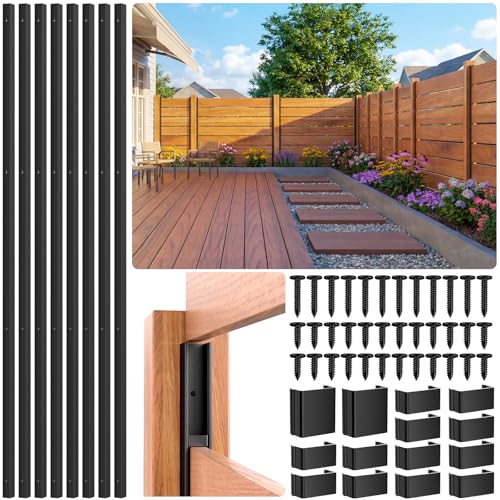
Built to Withstand Outdoor - Rustproof & Weatherproof: Crafted from premium aluminum with durable outdoor-grade powder coating finish XBSTTP-0332, our privacy fence posts offer exceptional resistance to rust and corrosion, outperforming traditional metal. No warping and rotting like iron. This ensures long-lasting durability even in rain, snow, humidity outdoor environments for years - Say goodbye to frequent maintenance.

Comes with a hard surface installation kit – No extra purchase needed.
5. Cap-and-Trim Fences
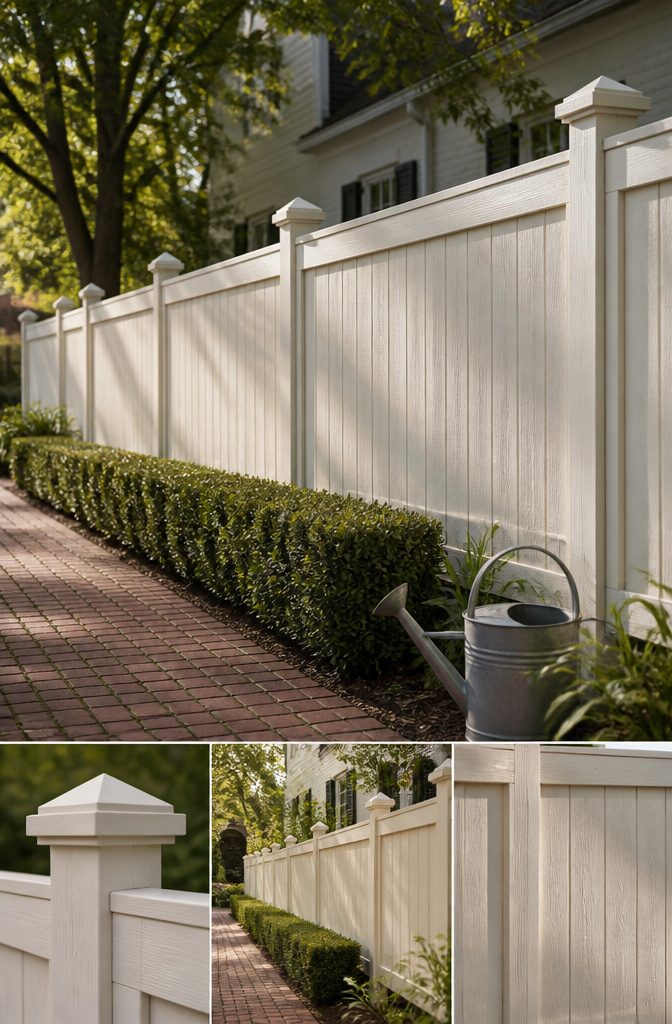
A cap-and-trim fence has vertical boards held inside a border of horizontal slats, so each section reads as a framed panel.
A plain side-by-side fence is just boards butted together with nothing around them. The posts are ornamental too, and homeowners often add decorative caps to them.
Among privacy styles, this is the most decorative, and I’d choose it for a traditional house where the trim and post caps suit the architecture.
It adds more pieces to buy, cut and fasten than a plain fence. On a modern home, or on a fence that only needs to block the view, the extra detail adds work and little else.
Recommended Products

PREMIUM NATURAL WOOD - This wood screen is made with real wood meaning no two boards have the same grain color, finish, or wood knots differing it from vinyl outdoor privacy fence screen panels which can not provide you a natural screen experience.

PREMIUM NATURAL WOOD - This wood screen is made with real wood meaning no two boards have the same grain color, finish, or wood knots differing it from vinyl outdoor privacy fence screen panels which can not provide you a natural screen experience.

STYLISH NATURAL WOOD: This FSC certified wood screen is made with real wood meaning no two boards have the same grain color, finish, or wood knots differing it from vinyl outdoor privacy fence screen panels.
6. Louvered Fences
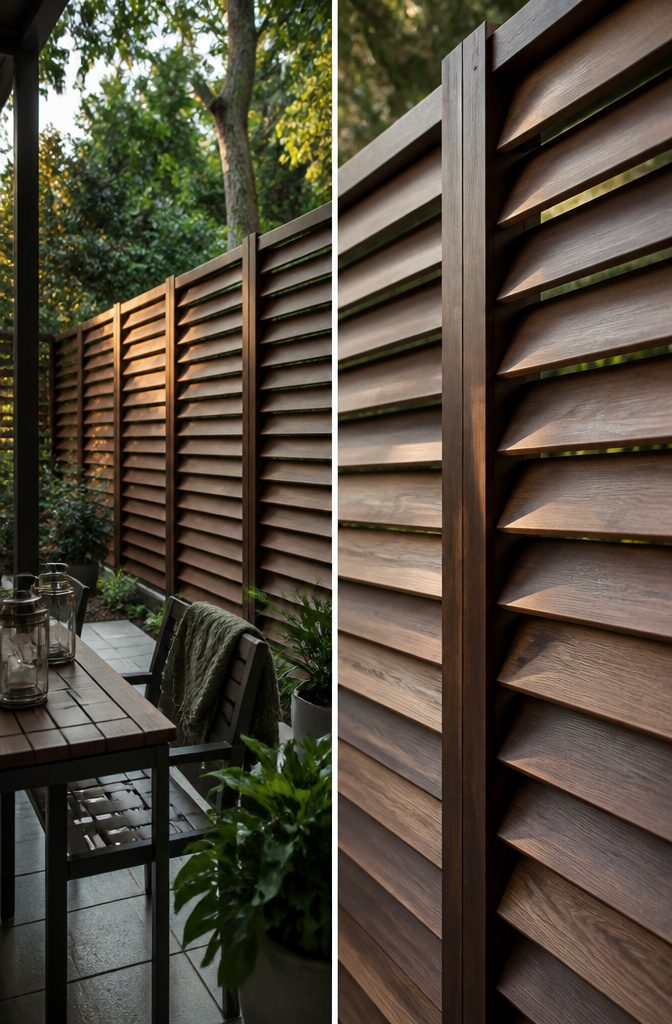
Louvered fences angle every picket the same direction, much like a window blind. Seen from one side, the boards close up and give total privacy.
From the other side you can see out, and air moves through the gaps. Because the tilt of the pickets sets which side gets the privacy, decide which side that should be before you build.
This style suits a patio, deck or pool edge, where you want to sit unseen from the neighbor’s side and still have a view and a breeze.
The louvers can run horizontally or vertically, and either gives a high-end, modern look. I’d pick it over a solid board fence wherever airflow matters.
Recommended Products

【Multifunctional Fence】 Equipped with ground spikes and base mounts, the privacy fence is able to be installed in both muddy road and cement floor. Ideal for outdoor garden decor.
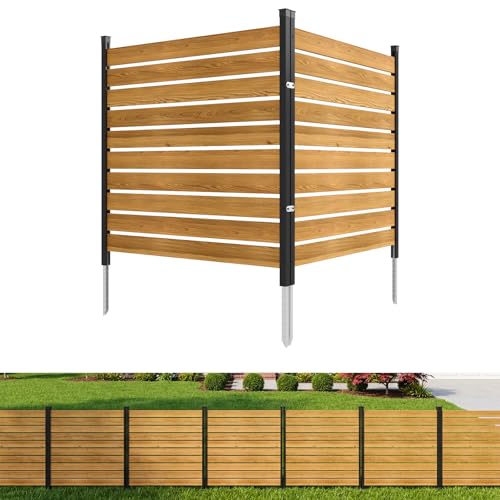
Premium Natural Solid Wood: Crafted from 100% authentic solid wood, each panel showcases unique grains and natural knots. Unlike cold vinyl or composite alternatives, our wooden screens provide a warm, organic aesthetic that seamlessly blends with your garden landscape.

NATURAL WOOD CONSTRUCTION: This outdoor privacy screen is crafted from fir wood, offering a classic, attractive look that blends seamlessly into any backyard or patio setting.
7. Picket Fences
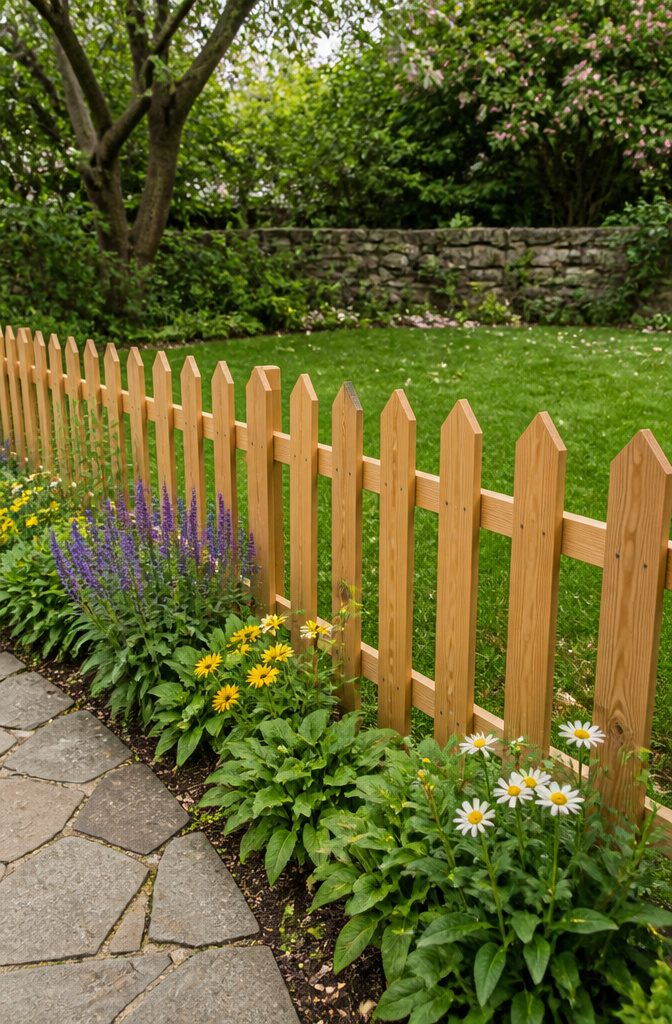
Picket fences stand no taller than 4 feet, with a gap between each picket, so they mark a boundary without blocking the view.
Wind passes through the gaps instead of pushing on a solid wall, so these hold up in gusts better than privacy fences. Short height also keeps material costs lower.
Set the gap with care.
Too wide, and kids or pets can squeeze out or get stuck. Even with tight gaps, a 4-foot fence won’t hold big dogs or older kids.
White is the classic finish, though I prefer natural wood for a more modern look. For privacy, a dog-eared fence sets pickets side by side and ties them together with 3 horizontal slats.
Recommended Products

【Gravity Self-Locking Gate Latch】Automatic gate latch made from heavy gauge steel construction with superior black powder coat finish & zinc plated corrosion resistance, designed to offer simple but solid security for inward and outward swinging gates and doors, features a self-latching fingertip release-can also be operated with a wire.

AN ENTRANCE OF DISTINCTION: Give your home real curb appeal. The arched top and rich bamboo grain create an architectural focal point for a front walkway, courtyard, cottage garden or side entrance, softening the hard lines of ordinary fencing. Made for homeowners and garden lovers finishing a garden project or replacing a sagging cedar gate, who want an entry that stands out from the street. Also makes a handsome shed or courtyard door.

NO-DIG WOOD PRIVACY SCREEN: Transform your outdoor space with this stylish air conditioner fence. Designed to conceal AC units, trash cans, pool pumps, and utility equipment, it creates a cleaner, more attractive backyard while maintaining excellent ventilation for your outdoor equipment.
8. Lattice Fences
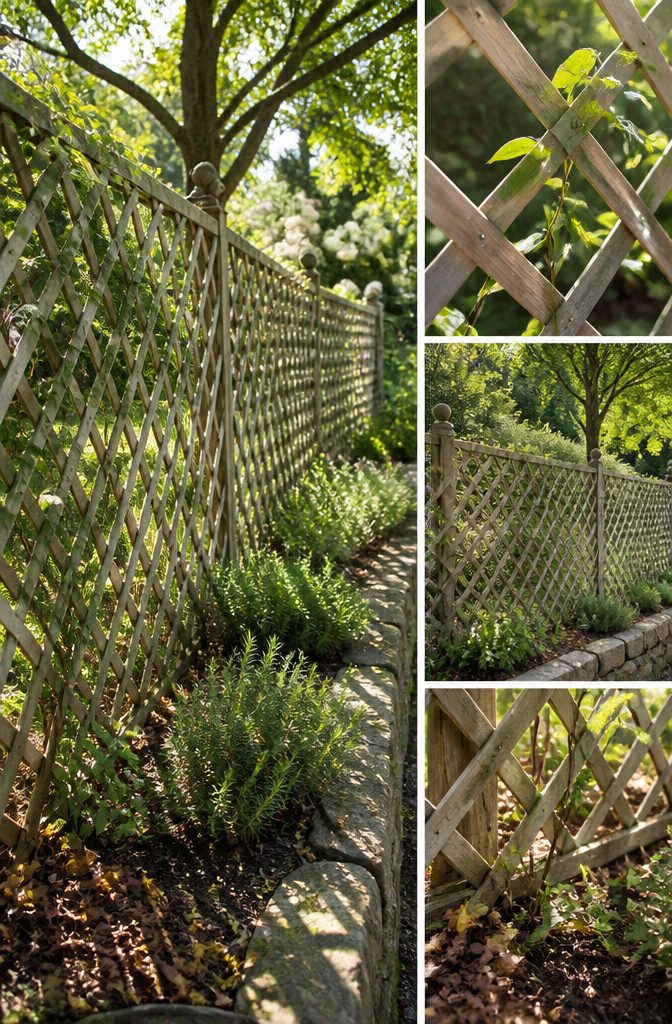
Lattice is crisscrossed wood strips that pass light and air, which makes it a natural fit for a garden. Pre-made panels make installation simple, and materials cost less than other wood fences.
Climbing plants can be trained up the openings, and the light-filled gaps can make a small yard look larger. It also keeps out deer and rabbits, and built tall it can hold in dogs and children.
As a full fence, lattice only makes sense where privacy isn’t the goal. If you want privacy, I’d use it as a topper on a solid vertical board fence, which keeps the light and the plant support.
Expect it to wear out sooner than other wood styles. The low price is the trade for a shorter life.
Recommended Products

Versatile Fence Posts for DIY Privacy Screens – Features dual screw hole patterns (12holes) for easy installation on hard surfaces. Compatible with 3/4"-thick boards ( 5.5" height), allowing flexible customization of your privacy fence

Premium Quality: The UPGRADE privacy screen for fences is made from 170 GSM non-recycled High-Density Polyethylene (HDPE). This ensures lasting durability, reliable privacy protection, and excellent weather resistance. A high-density composition makes it a dependable solution for outdoor privacy needs.

Backyard Privacy Enclosure: Our vinyl fence panel set includes 3 panels measuring 50 x 50 in, ideal for concealing outdoor items like trash bins, pool equipment, and air conditioners, keeping your backyard neat and attractive while meeting HOA guidelines
9. Post-and-Rail Fences
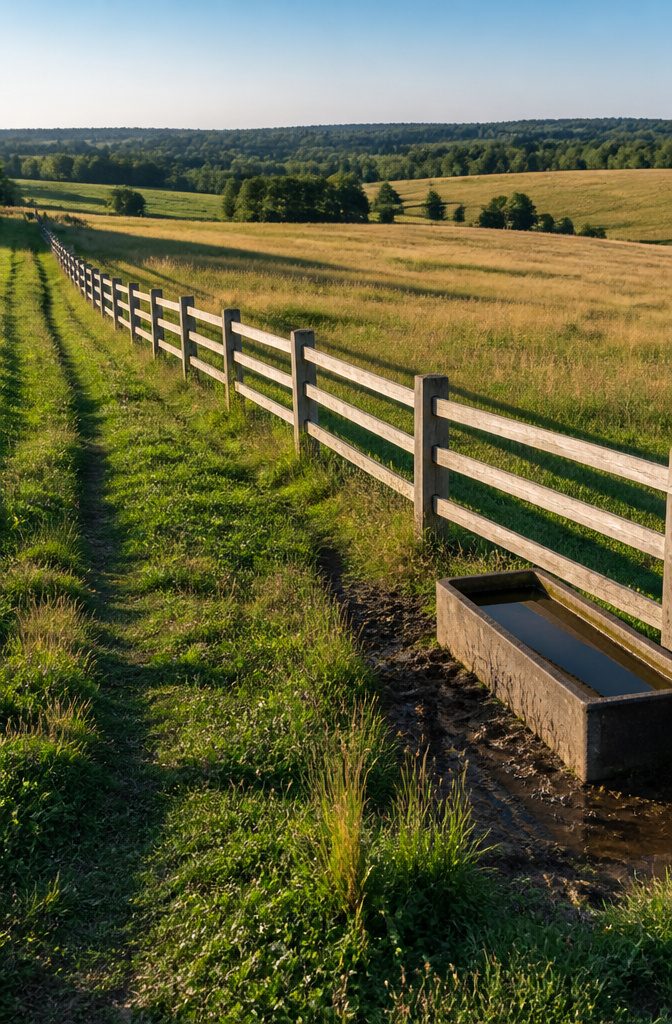
Post-and-rail suits a long boundary or a pasture better than a backyard.
Smooth-cut rectangular rails span large posts, and most builds use 3 or 4 rails. Set them close together for strength and some privacy, or farther apart for a more rustic look.
The open design lets wind pass through, which helps explain why this style holds up so well on rural property. It also takes less lumber than a picket fence, so it is relatively easy to install and repair.
I would skip it for a small yard with children or pets. The gaps are too open for small animals, and the style works best for horses, cattle and other large livestock, or for marking property lines.
10. Split-Rail Fences
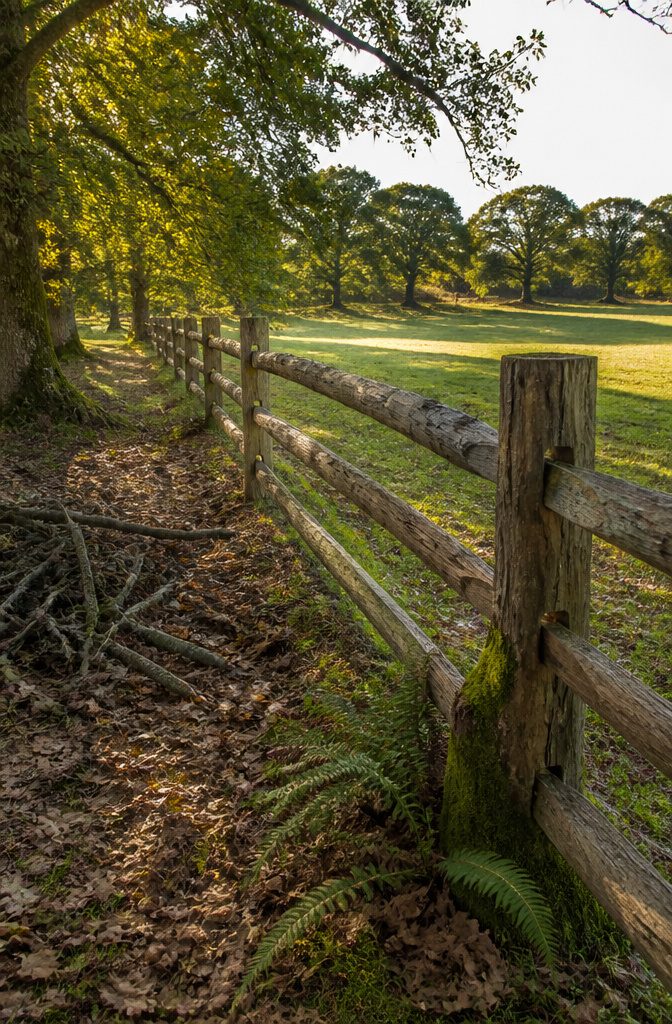
Split-rail fences use logs split lengthwise into fourths or eighths, so the rails keep the rough, irregular look of the tree instead of the clean edges of milled lumber.
Each span between posts gets 2 to 4 rails with wide gaps between them. The style dates to Colonial days and still reads as rustic in a yard.
I’d choose it to mark a property line or contain large livestock, and for little else. It offers almost no privacy or security, because the open gaps hide nothing and block no one.
Its advantage is cost: it usually runs cheaper than many other fence types, since there are no boards to fill in the space between rails.
11. Crossbuck Fences
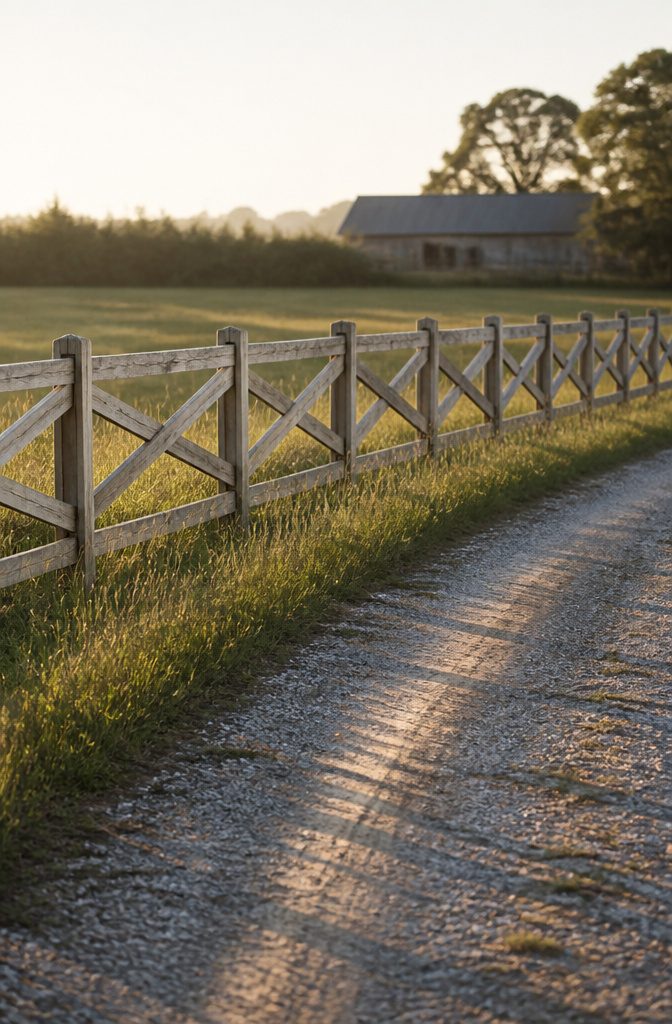
Two diagonal rails cross in an X between posts, the signature of a crossbuck fence.
Every crossbuck panel has 4 slats: a horizontal one at the top, another at the bottom, and the 2 diagonals that form the cross. The posts sit closer together than on a standard post-and-rail fence to fit the longer diagonals.
The look suits farms, ranches and other large properties, where it reads as a step up from plain rails. Privacy is close to none, since you see straight through the open panels.
I’d skip it for a small backyard that needs screening. Cost runs about the same as post-and-rail, though the careful post spacing can add a little.
12. Decorative and Custom Designs
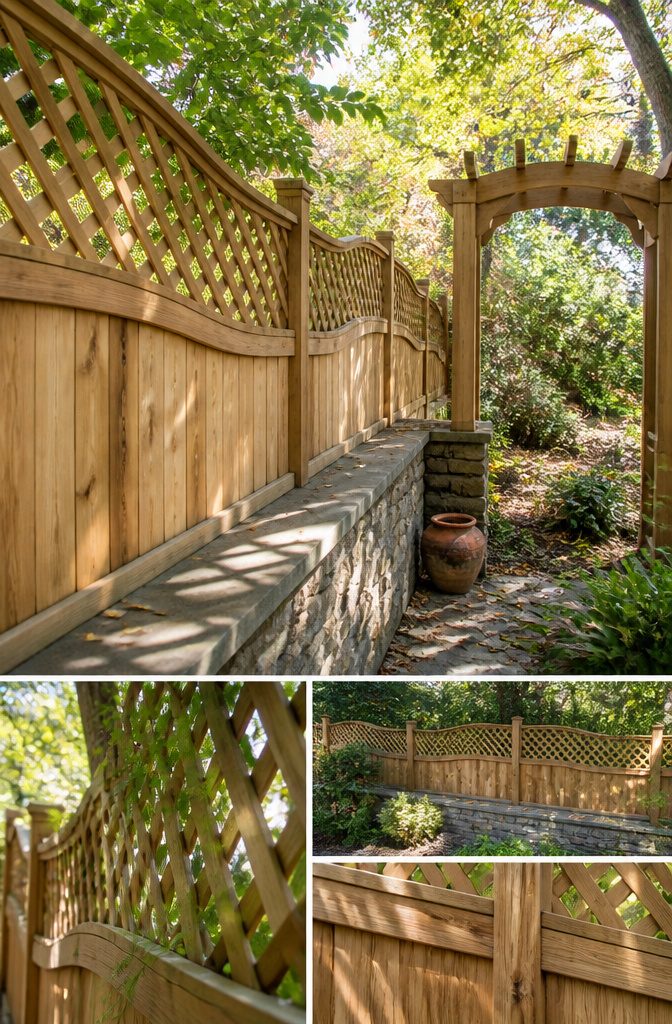
Decorative designs are not a separate construction style.
They are customizations you add to the styles above, and a 33-design gallery from a fence builder shows how many combinations exist. The ones worth knowing:
- Curved lattice panels can be cut to follow a curved stone wall, which adds height and privacy while still letting light through.
- Lattice along the top rail of a solid-panel fence gives a plain privacy fence some visual interest.
- Irregularly spaced pickets look casual, but keep every gap small enough that kids and pets can’t slip through or get stuck.
- Arbors, gates, mesh and ornamental insets change the look at the entry or a focal point. I’d spend a limited budget there before touching the rest of the fence.
Cedar, Pine and Upkeep
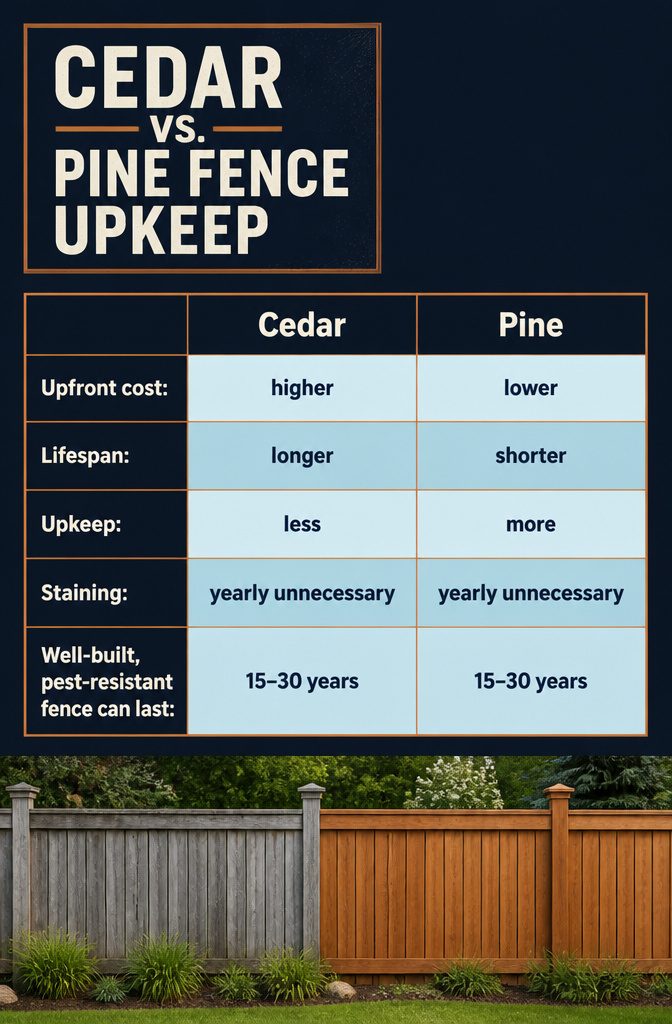
Cedar costs more up front than pine, but it lasts longer and needs less upkeep. Western red cedar resists insects and weather on its own and can last up to 20 years when stained.
It’s graded from number three to number one, with the lower numbers carrying fewer knots, and number two premium is the grade I’d buy. Cedar pickets on pressure treated or Douglas fir rails trim the bill.
A well-built, pest-resistant fence can last 15–30 years.
Yearly staining is usually unnecessary, and bare wood just weathers to gray. Mahogany and Brazilian ipe are the other woods worth pricing.
Frequently Asked Questions
How long does a wood fence last?
A well-built fence made from pest-resistant wood lasts 15–30 years.
Wood type, climate and upkeep decide where in that range it lands. Stained western red cedar can last up to 20 years.
Do I need to stain a wood fence every year?
No, yearly staining is usually unnecessary.
If you skip it, bare wood simply fades to a gray color. Stain is still worth applying to cedar, since stained western red cedar can last up to 20 years.
Is cedar or pine better for a wood fence?
Cedar is the better choice for durability and low upkeep, but it costs more up front than pine.
Western red cedar resists insects and weather on its own. To lower the price, you can pair cedar pickets with pressure treated or Douglas fir rails.









