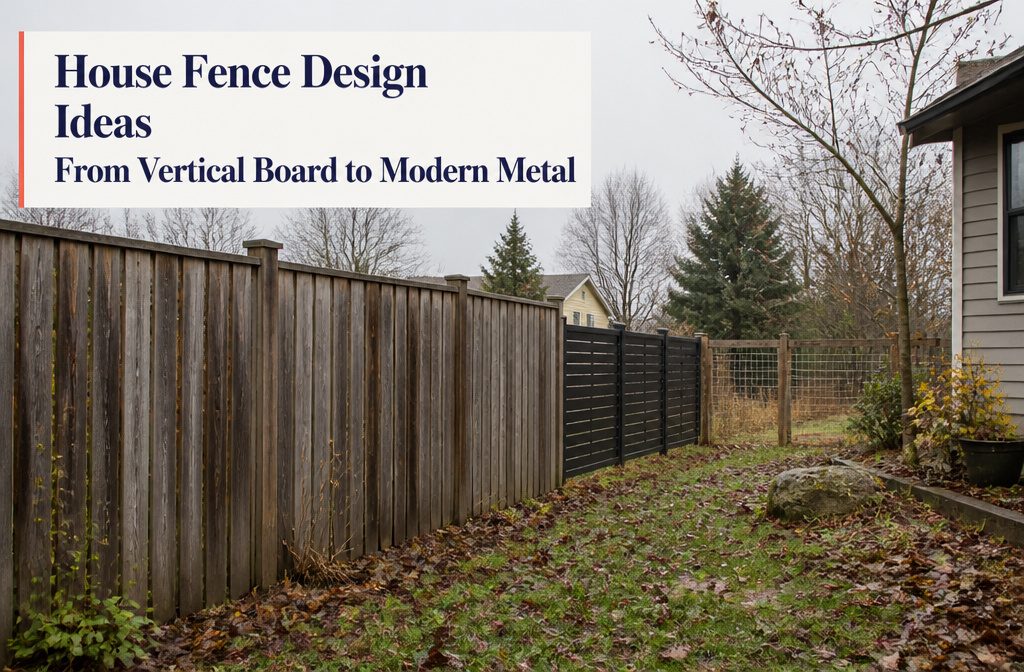
Most houses end up with one of five fence styles: vertical board, horizontal board, hogwire, modern metal or X-fence, costing about $60 to $180 and up per linear foot.
Price isn’t the only limit. The cheapest, the X-fence, won’t contain a child or dog, and local height rules can override any choice.
Vertical Board
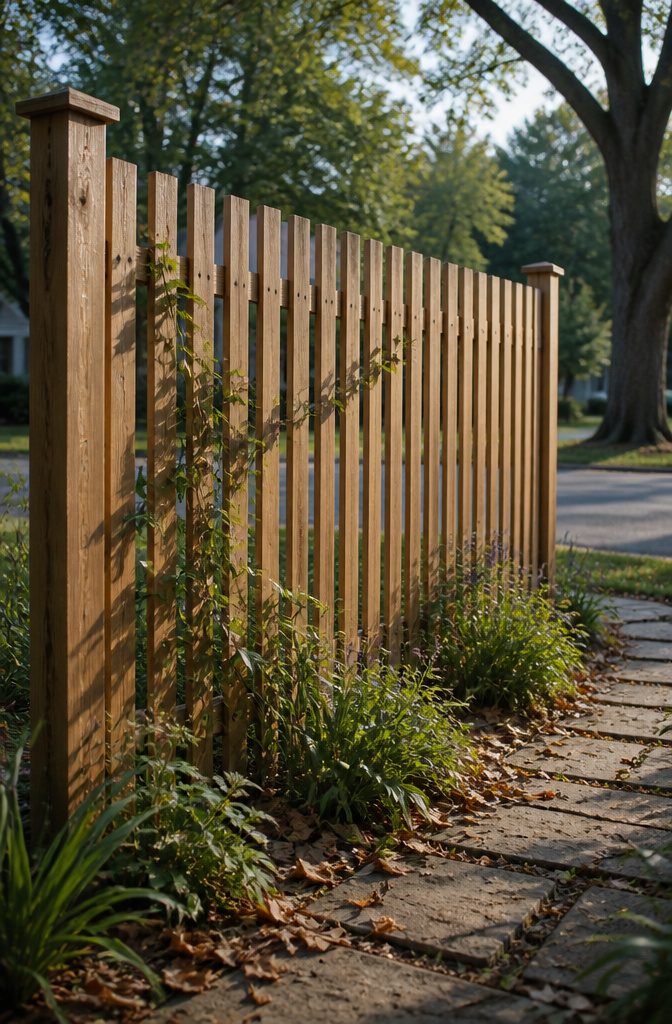
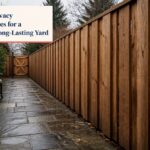
A plain vertical-board fence is the all-purpose choice, at about $90 per linear foot.
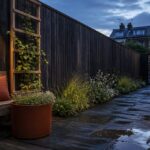
Paint or stain sets the look: a dark charcoal or deep green finish lets the boards recede behind planting, while a light stain keeps the grain in front.
For a front yard, leave 4-inch gaps between boards so the fence feels open from the street. A native vine trained along the boards covers the gaps as it grows, and butterflies are a bonus.
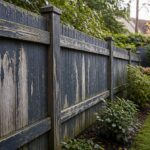
Wood weathers faster in arid or wet climates, so expect to refinish sooner there.
Recommended Products

Top-Quality Aluminum Alloy Fence Post: Crafted from high-quality aluminum alloy, our fence posts offer exceptional resistance to rust and corrosion, outperforming traditional iron and wooden posts. This ensures long-lasting durability even in harsh outdoor environments (Please search ASIN: B0FHVT363Z to get the spacers you need).

NO-DIG GARDEN FENCE FOR SMALL DOGS: Create a visible boundary around gardens, patios, or yards—discourages wandering without permanent installation (light pet barrier).

[ULTIMATE RUSTPROOF & HEAVY-DUTY] – Engineered with thick, heavy-gauge steel and a premium powder coating to resist rust and weathering. This durable metal outdoor privacy screen is the ideal choice for a zero-maintenance, high-quality AC Unit Cover, guaranteeing lasting beauty.
Horizontal Board
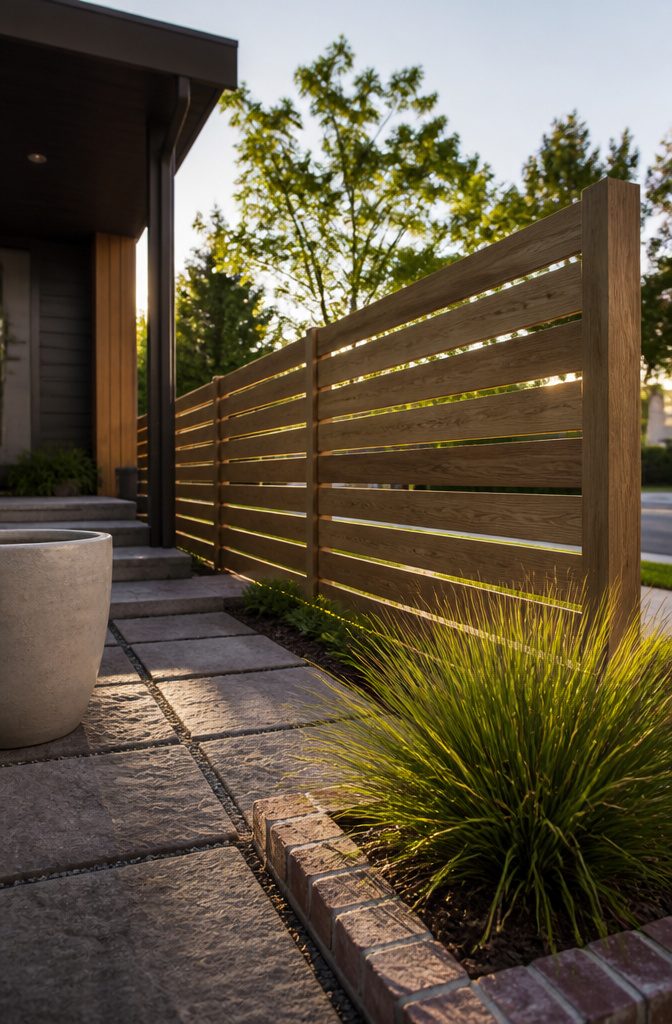
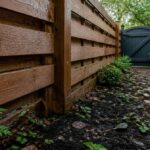
Horizontal boards read as a design choice rather than a default, which is why they suit a short, highly visible run: a front section beside the entry, or a side yard the street can see.
Pick your gap early. Narrow gaps give a lined, architectural look and let a little light through; no gaps make a solid, sleek wall with more privacy.
Expect to pay about $150 per linear foot, and mixing board sizes pushes that higher. That price is why I would keep it short.
On a modern front or side run, horizontal beats vertical board on looks. On a long run with a tight budget, vertical board wins.
Recommended Products

Water-based wood stain creates rich, even color in 1 coat on most surfaces

RICH COLOR: PolyWhey Exterior Penetrating Stain delivers color & waterproofer deep into wood for increased protection and durability.
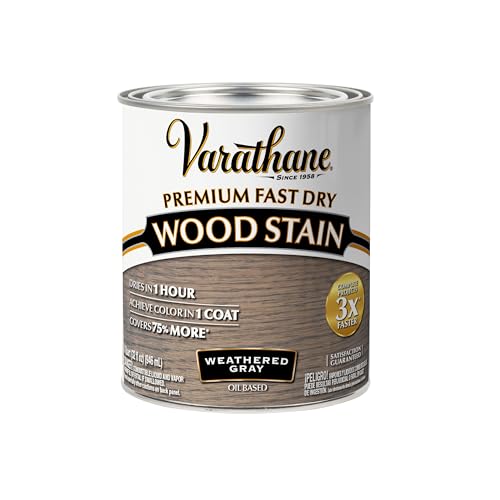
Ideal for use on all interior wood projects: furniture, cabinets, doors, trim and paneling
Hogwire
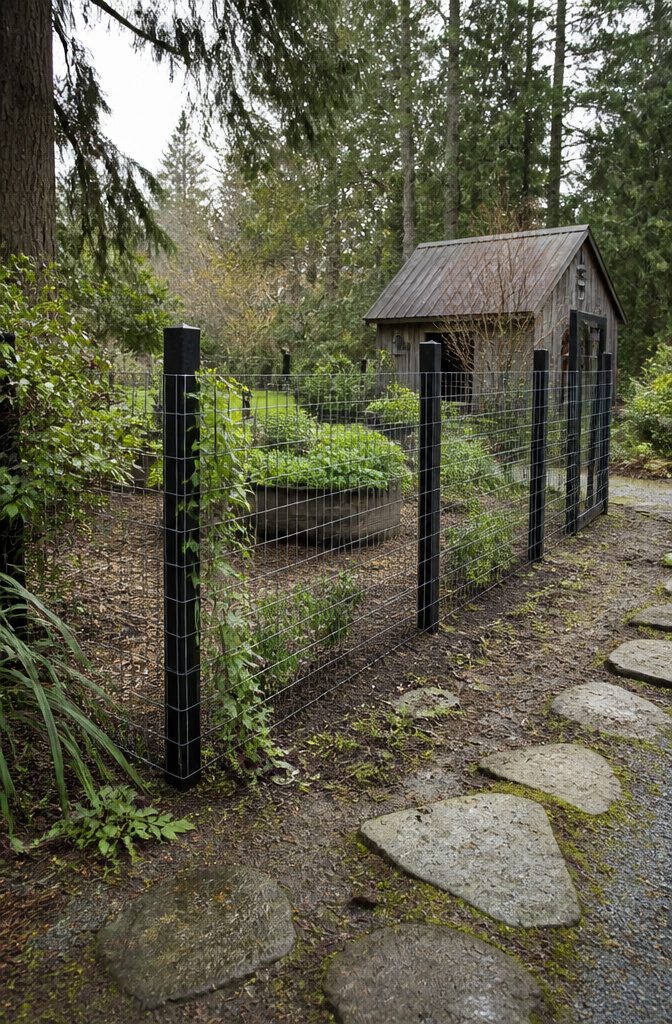
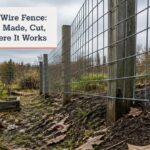
Hogwire is an open wire fence, so the view carries straight through and a small yard doesn’t feel boxed in. At about $90 per linear foot, it costs less than most solid wood or metal designs.
The openings are small enough that it is child- and dog-proof, which makes it a sensible pick for a pet run or a kids’ play area.
It looks rough, though.
Beside a brick colonial or a formal front yard it reads as farm fencing, and I would skip it there. A casual garden is where it fits best, especially with climbing vines growing up the wire.
Recommended Products

Tool-free snap-in design, no screws required. Installation can be done with bare hands, and the positioning is quick, while disassembly is also convenient.Made from high-quality, high-density nylon, it is tough, durable, and reliable, and can withstand repeated impacts. It is UV-resistant, salt- and alkali-resistant, and corrosion-resistant.

TRUE ALL-ALUMINUM — BUILT FOR LONG-TERM VALUE: Ordinary steel or mixed-metal products can be progressing from surface corrosion to rust-through—often reported online within 0.5–2 years. So this is not simply about cosmetic maintenance—removing rust and repainting the surface. Once corrosion progresses to rust-through, the metal itself has deteriorated, potentially compromising the structural integrity and eventually requiring replacement of the affected component or structure. LukLoy post is built with a true all-aluminum structure for lasting outdoor over 30 years. it resists weathering, fading, and everyday exposure with less maintenance — a smarter long-term investment for your home.

Brown Fence Slat - Designed for a 6' high fence, slats are approximately 68.5" in length to accommodate the bottom locking channel and to prevent the slats from being above the top of the fence. (Available Colors: Beige, Black, Brown, Gray, Green, Redwood, Royal Blue, Sky Blue, White)
Modern Metal
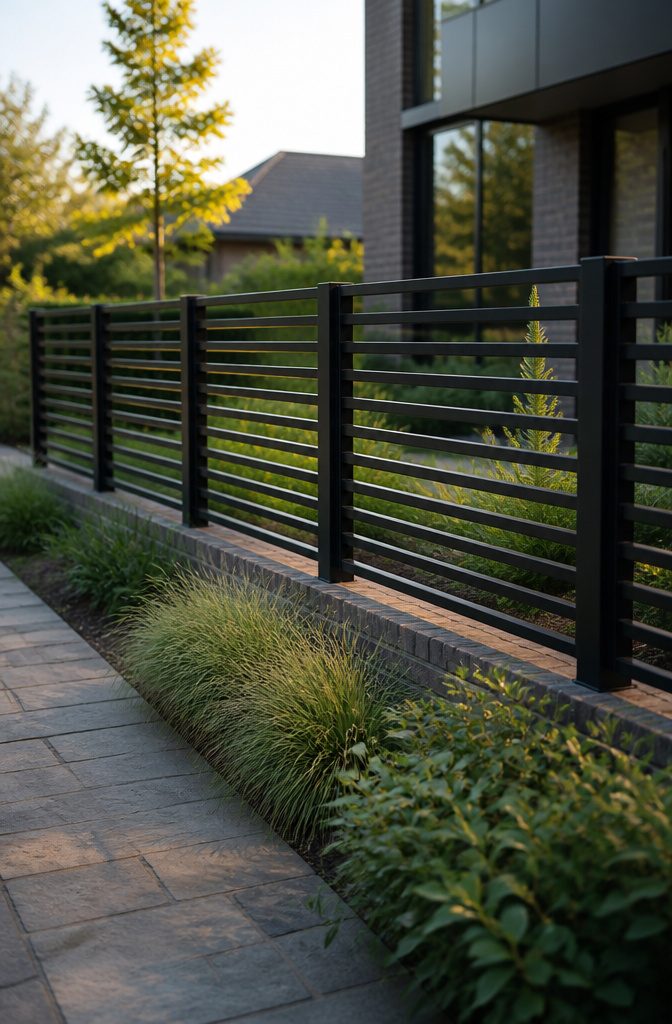
Modern metal runs $180 and up per linear foot, the most expensive of the five styles, so spend it where people will see it. Wood and metal are the most common fence materials, and either can look traditional or modern.
The form decides. Keep it plain: chunky vertical pickets, slim horizontal pickets or a tight wire grid, all of which you can see through.
Aluminum is the usual pick for modern homes.
Skip the finials and choose a flat top rail, which carries the lines of the house out to the edge of the yard. Black draws the eye to your plants instead of the fence.
A brick or stone base under aluminum panels adds interest. Short front yard runs suit this style best, and I wouldn’t use it at tall heights or around a whole property.
Recommended Products

[Playful Haven] Give your rabbits, hamsters, or other small animals the play space they deserve. This pet playpen provides ample room for them to run, play, and relax

SUITABLE SMALL PETS: Ideal for guinea pigs, rabbits, ferret, rat, hamster, hedgehogs, puppies, easy to keep an eye on them from any angle

SUITABLE SMALL PETS: Ideal for guinea pigs, rabbits, ferret, rat, hamster, hedgehogs, puppies, easy to keep an eye on them from any angle
X-Fence
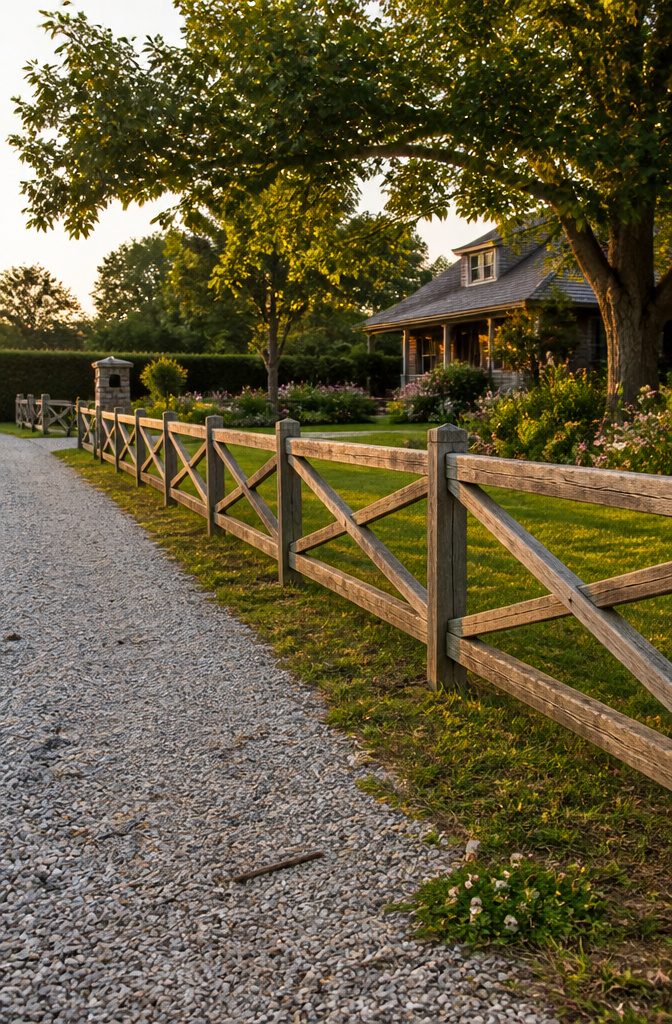
The X-fence keeps the open, ranch-style look of split rail and adds decorative carpentry in the crossed rails between the posts.
It reads as welcoming, which suits a front yard where you want the garden to be seen from the street. At about $60 per linear foot, it is the cheapest of the five designs here.
It will not contain children or dogs. The gaps are wide and the crossed rails are easy to slip through or hop over.
I would use it only as a boundary marker or a front-yard accent along a walk or driveway. If a toddler or a dog is part of your yard, pick a different style from this list.
Recommended Products

Premium Quality: The UPGRADE privacy screen for fences is made from 170 GSM non-recycled High-Density Polyethylene (HDPE). This ensures lasting durability, reliable privacy protection, and excellent weather resistance. A high-density composition makes it a dependable solution for outdoor privacy needs.

【Perfect Fence to Protect Privacy】With this privacy screen fence, you could have fun with your families not worrying about losing privacy. Also, helping you cut off some noise from your neighbours to give you a peaceful environment. Your dog will not bark from outdoor things and people too.

Privacy Protection:Create a more private backyard, garden, or patio with the KANAGAWA fence privacy screen. It provides 90% blockage to reduce visibility from neighbors, streets, and pets, while creating a more comfortable outdoor space. The privacy screen helps reduce visual distractions that may trigger dog barking for a more peaceful environment.
Privacy and Openness
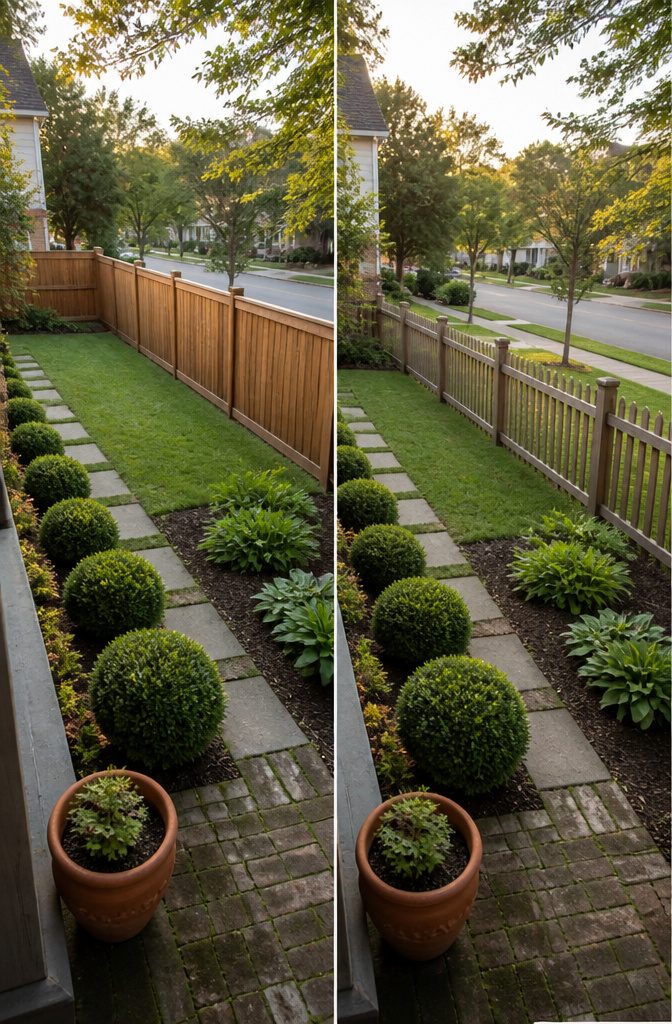
A solid fence with no gaps gives privacy, but it makes a yard feel smaller and more enclosed, and it tells passersby you’d like to be left alone.
A fence you can see through makes the space feel larger and looks friendlier to the neighborhood. I’d go with an opaque fence in the backyard and a see-through style in front, unless you need privacy out front.
Fence the whole property if kids or dogs need containment.
Side and rear property-line fences head off awkward talks with neighbors, especially on small or tightly packed lots. Front fencing is optional.
Limit yourself to two fence styles per property, such as one for the back and one for the front, so the yard reads as a single design.
Recommended Products

Give your garden the charm it deserves—with a fence that defines beauty, structure, and peace of mind.

PREMIUM NATURAL WOOD-This wood screen features real wood panels supported by sturdy aluminum posts, creating a more natural, elegant, and long-lasting look. The solid wood and metal construction provide superior strength, texture, and weather resistance, setting it apart from vinyl outdoor privacy fence screen panels.

✔ SAVE YOUR MONEY WITH EASY INSTALLATION Patented SecureSnap assembly design enables you to assemble a panel in the matter of minutes.( For Concrete floor Flange Kits are sold separately)
Fence Height Limits
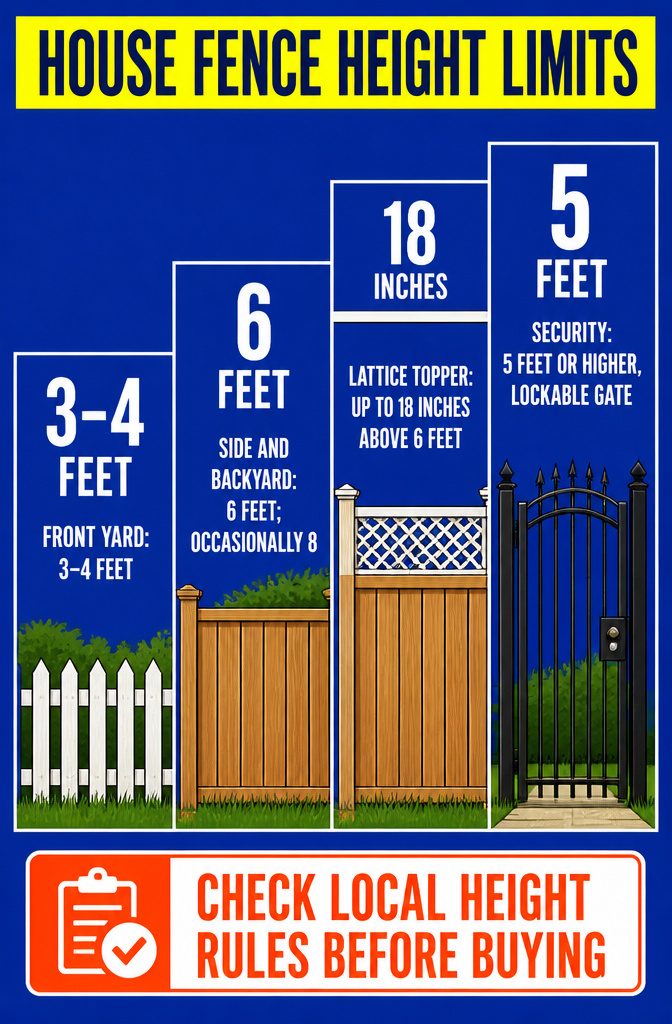
Typical heights fall into a few bands:
- Front yard: 3–4 feet. A 40-inch fence is my pick, tall enough to mark the line and low enough to stay friendly.
- Side yard and backyard: 6 feet, occasionally 8 feet.
- Lattice topper: up to 18 inches is often allowed above a 6-foot opaque backyard fence.
- Security: a front fence of 5 feet or higher with a lockable gate. Leave some gaps for sight lines so it doesn’t feel like a fortress.
Local rules set the real limits, so check your local height rules before you buy any lumber or panels.
Recommended Products

Ideal for use on all interior wood projects: furniture, cabinets, doors, trim and paneling

Ideal for use on all interior wood projects: furniture, cabinets, doors, trim and paneling

IDEAL FOR NEW FENCE PROJECTS: Designed for newly installed outdoor wood fences, this fence sealer penetrates deep into the wood to help preserve its natural appearance while delivering lasting color protection