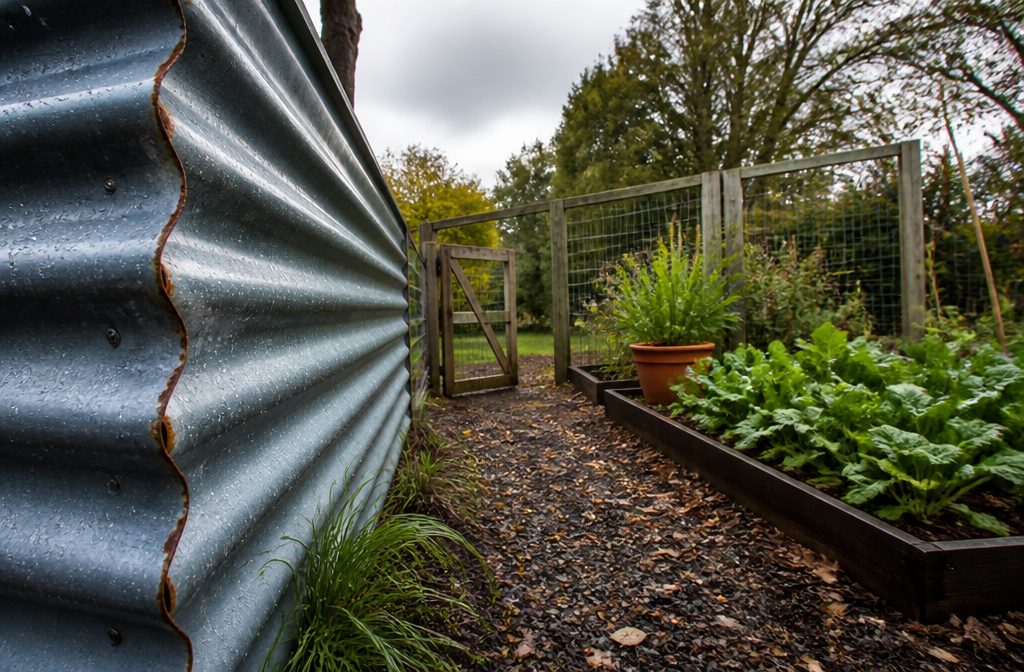
The right corrugated fence depends on what it must hold back: prying eyes, deer, or a dog.
Solid panels suit privacy and dog runs, but vegetable beds and small pets do better with wire mesh. Deer need 8-foot panels, and many towns cap fence height or require a permit, so call the building department first.
1. Backyard Privacy Fencing
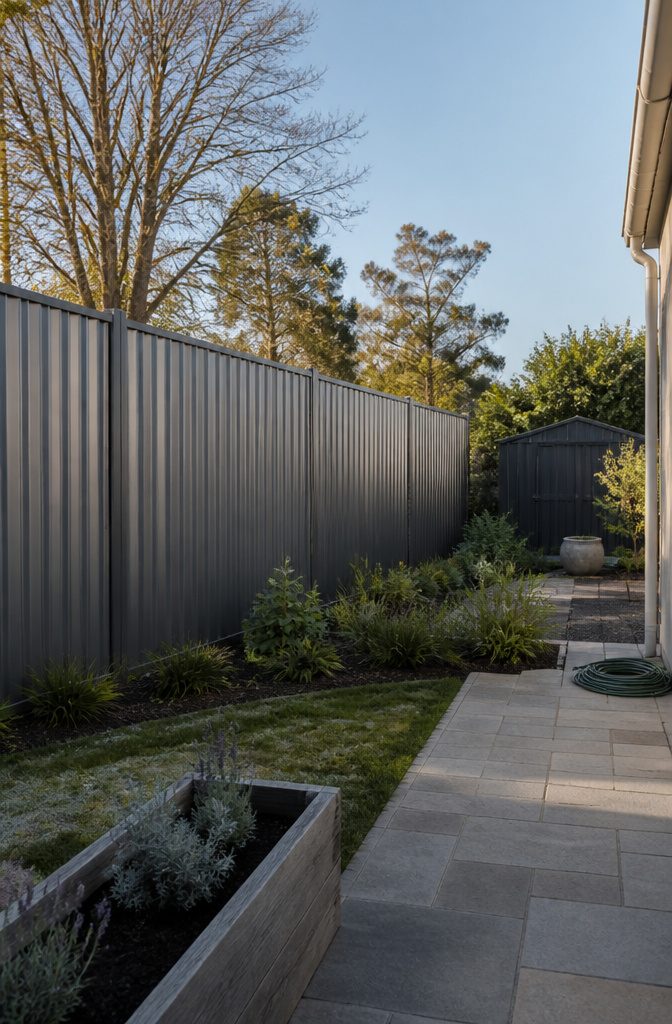
Solid corrugated panels in 6-foot or 8-foot heights block visibility completely, and I’d choose them over chain link or a wood fence with gaps between boards. The panels form one continuous barrier, so there are no spaces to see through.
Run them vertically for a taller, more streamlined look, or horizontally for a wider, modern one. The direction changes the style, not the privacy.
Privacy also works as security.
Passersby can’t see your patio furniture, bikes or tools, and a flat metal wall offers little to grip or climb. With nothing visible to scout, there is less reason for anyone to look twice.
Recommended Products

Premium Quality: The UPGRADE privacy screen for fences is made from 170 GSM non-recycled High-Density Polyethylene (HDPE). This ensures lasting durability, reliable privacy protection, and excellent weather resistance. A high-density composition makes it a dependable solution for outdoor privacy needs.

Metal Privacy Screen to Upgrade Your Outdoor Space: Measuring 60" H x 36" W, this outdoor metal privacy screen helps hide oversized trash bins, pool equipment, and outdoor air conditioner units while creating a cleaner, more organized backyard. The tall design keeps unwanted views out of sight, helping your patio or yard feel more private and inviting

[ULTIMATE RUSTPROOF & HEAVY-DUTY] – Engineered with thick, heavy-gauge steel and a premium powder coating to resist rust and weathering. This durable metal outdoor privacy screen is the ideal choice for a zero-maintenance, high-quality AC Unit Cover, guaranteeing lasting beauty.
2. Commercial Property Fencing
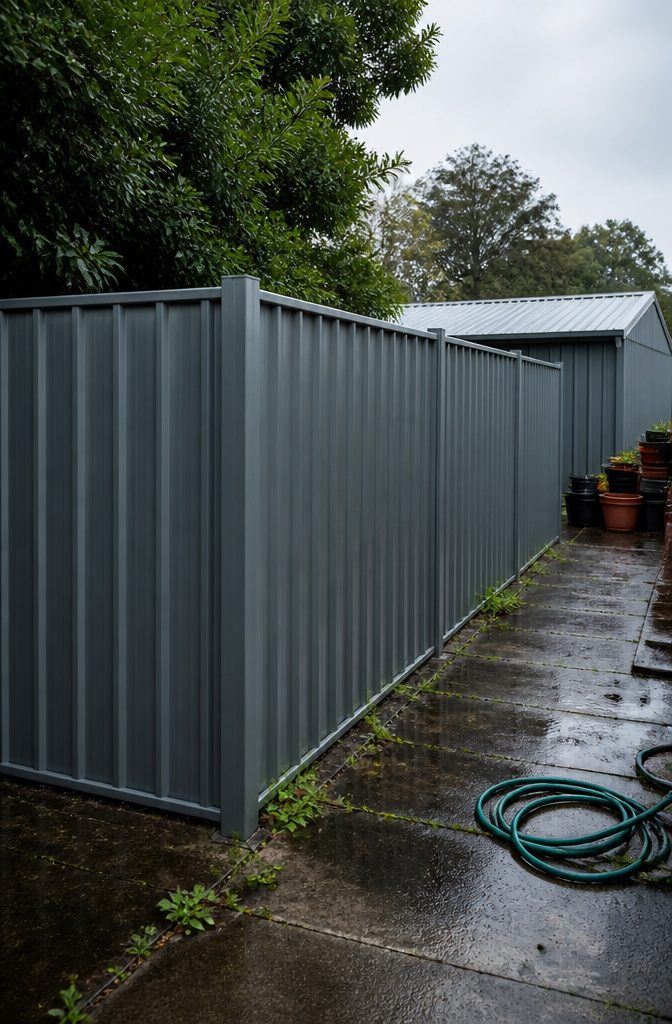
Businesses use corrugated metal because it does two jobs at once: it deters unauthorized access and still looks professional.
The panels are strong and need little maintenance, which makes them a cost-effective way to protect outdoor assets and improve curb appeal.
A small yard can borrow the same approach. A short run of corrugated panel around a shed or along a side-yard boundary marks the line clearly and screens tools, bins and hoses.
I’d pick it for any spot where you want a strong, low-maintenance barrier and would rather spend weekends planting than repairing a fence.
Recommended Products
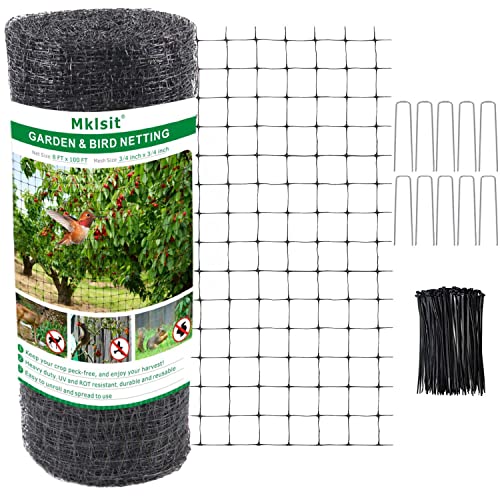
Taller & Heavier: Mklsit 8ft x 100ft deer netting is improved to be taller and heavier weight. Our deer fence is 8 feet tall, and product weight per foot is more, also. Best bird netting for gardens & landscapes protection

People Who Love Life Love to Buy Getlay's Artsy Fence to Decorate Their Garden or Backyard. They Usually Buy Multiple Pieces, so We Have Extra Locks and Cable Ties. You Can Lock the Extra Door with a Lock, Leaving Only One Door In and Out. The Extended Cable Tie Can Be Used for Storage or Travel.
Premium Quality: The UPGRADE privacy screen for fences is made from 170 GSM non-recycled High-Density Polyethylene (HDPE). This ensures lasting durability, reliable privacy protection, and excellent weather resistance. A high-density composition makes it a dependable solution for outdoor privacy needs.
3. Orchard and Garden Protection
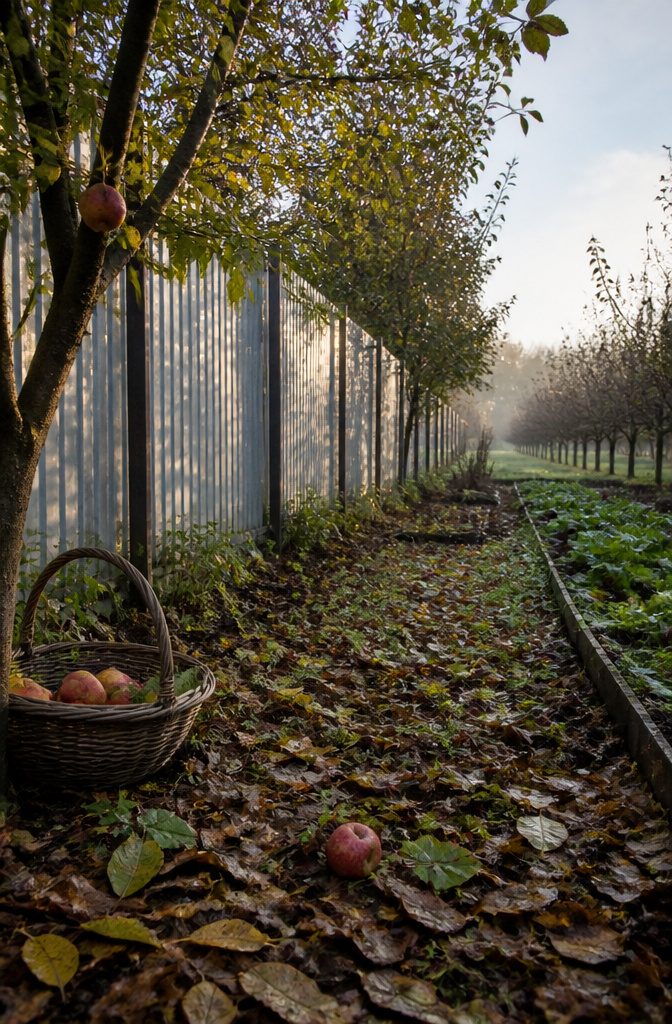
The USDA puts crop losses to pests at as much as 40% of global production each year, and small animals that raid growing beds are part of that.
Corrugated metal gives an orchard or garden a solid barrier that holds up against animals and weather, so it keeps working season after season.
Wire mesh and chain link are the materials usually recommended for protecting gardens, though, and corrugated metal doesn’t carry that recommendation.
For vegetable beds, start with wire mesh or chain link. Corrugated panels are a sturdy option for an orchard boundary, but they are less proven for garden beds.
Recommended Products

【REBAR STAKES 12 INCH】The heavy duty rebar stakes measure 12 inches in length from tip to hook, 5/16 inch (8mm) diameter j stakes. The hook of the tent stakes heavy duty is 3.2" long and the hook distance is 1.6". These ground stakes are sold in bundles of 20 pieces.

High quality raw materials: Our hardware cloth chooses the strength, toughness and ductility of low carbon steel wire as the inner core. This determines the basis of the high quality of our products.23Gauge Galvanized After Welding Wire Metal Mesh Roll Use this to protect vegetables and flower roots, bulbs, rhizomes, etc from tunneling animals. pack:A roll of hardware cloth

【REBAR STAKES 12 INCH】The heavy duty rebar stakes measure 12 inches in length from tip to hook, 5/16 inch (8mm) diameter j stakes. The hook of the tent stakes heavy duty is 3.2" long and the hook distance is 1.6". These ground stakes are sold in bundles of 30 pieces.
4. Deer and Wildlife Barriers
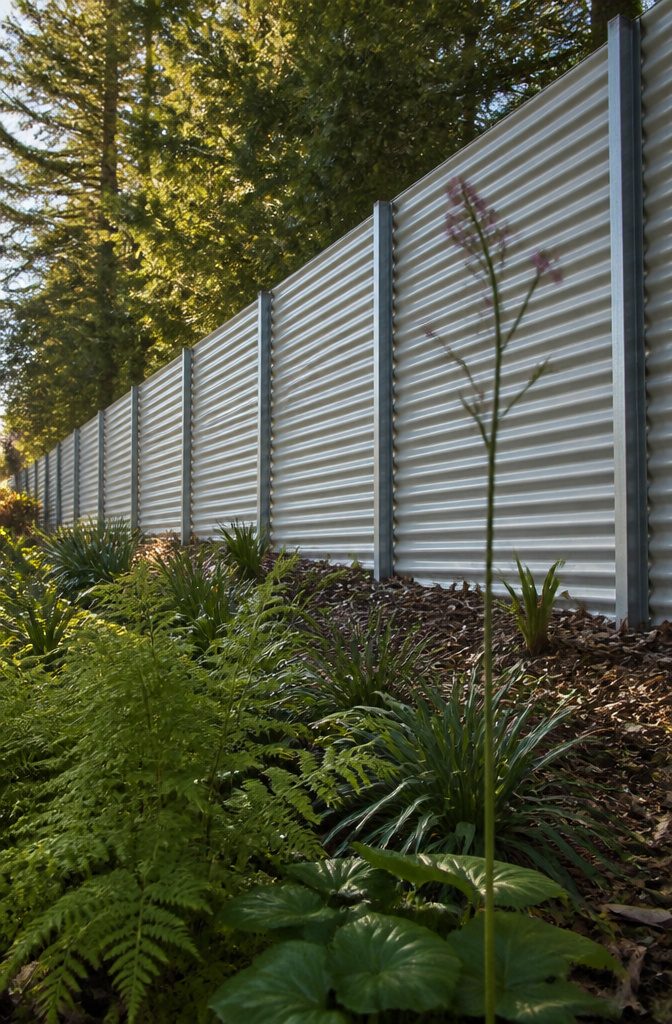
Deer can often jump 7 feet, so a standard 6-foot panel is only a speed bump.
Where deer are a problem, buy 8-foot panels. Solid corrugated metal also holds its shape when an animal leans or pushes on it, which gives height and strength in one material.
An 8-foot fence is a big structure for a small yard, though.
It reads as a wall, and it will shade nearby beds. Many towns cap residential fence heights below 8 feet or require a permit above a set height, so call your local building department before you order.
If the permit won’t come through, a shorter fence won’t stop deer, and I’d rather skip it than build one that only looks protective.
Recommended Products

High Quality Material: These plant protection cage are made of metal material, the surface is designed with vinyl coating, protected from wind and rain, waterproof and rustproof, sturdy and durable, not easy to be damaged.it can be used for many years. Stable protection for your plants even in strong winds.

【Complete Plant Protector Kit】Convivium plant protectors from animals include a free-cut metal mesh roll in 2 size options—16.4Ft x 16In (40cm x 5m) or 33Ft x 16In (40cm x 10m), wire diameter 0.8mm—plus 50/100 zip ties, 15/30 U-shaped garden stakes, a pair of cut-resistant gloves, a wire cutting plier and 10m floral wire, so you have everything needed in one kit

🌱 Customizable Plant Cage – Cut to Fit Any Plant: This set of plant protectors from animals includes a 15.7 x 120 inch chicken wire cloche made from durable vinyl-coated metal mesh, along with 50 zip ties, 6 U-shaped garden stakes, a wire cutting plier, and a pair of protective gloves. The flexible roll can be cut to size, letting you create custom plant cages or garden cloches for plants of any shape or size—ideal for plant cages for outdoor plants.
5. Dog Runs and Animal Enclosures
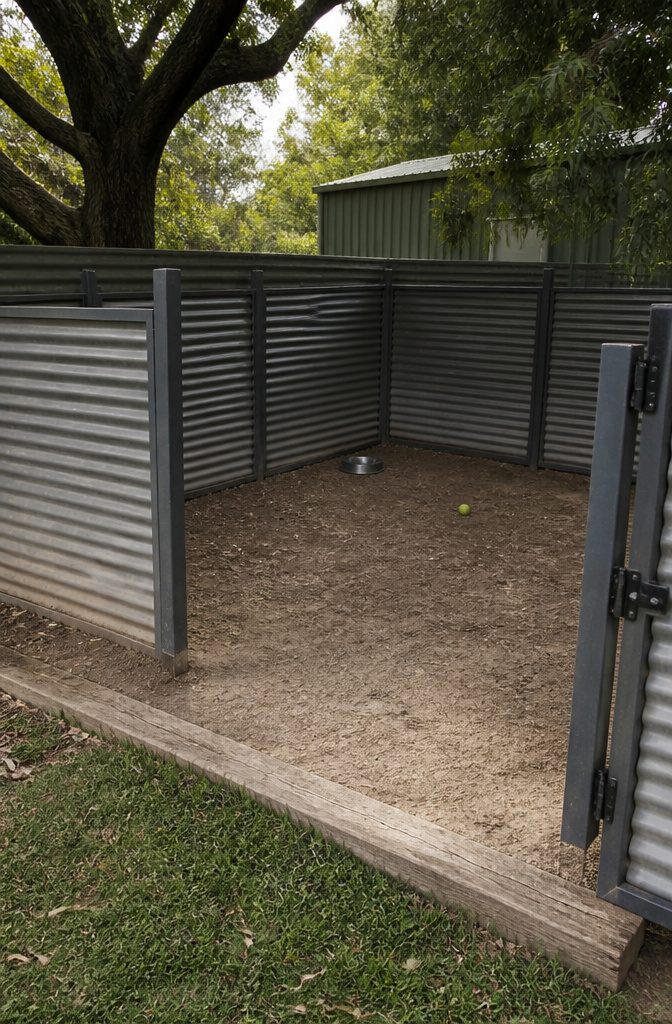
An electronic fence collar is only 70% effective, and 0% effective if the dog isn’t wearing it.
A physical barrier doesn’t depend on a battery or a buckle, so corrugated metal panels make a better dog run. They hold up to the daily wear of an active animal and leave no gap for it to slip through.
Solid panels do block the view, and that is the trade-off. For smaller animals, wire mesh or chain link is the better material.
Mini mesh chain link has tighter links than standard, which keeps small pets contained. A wood and chain link hybrid is a good middle option: neighbors can’t see in, but your pets can still see out.
Recommended Products

PET & CHILD SAFE: Create a safe outdoor play area for fur babies and children. Rest assured that this fence will create a sturdy barrier to protect your family.

EASY ORDERING: Everything you need for your fence project is in the box except for the final post. Only ONE additional post, BL19112, is required for the end of your project. A gate is available by searching BL19111.

6. Rusted Industrial Panels
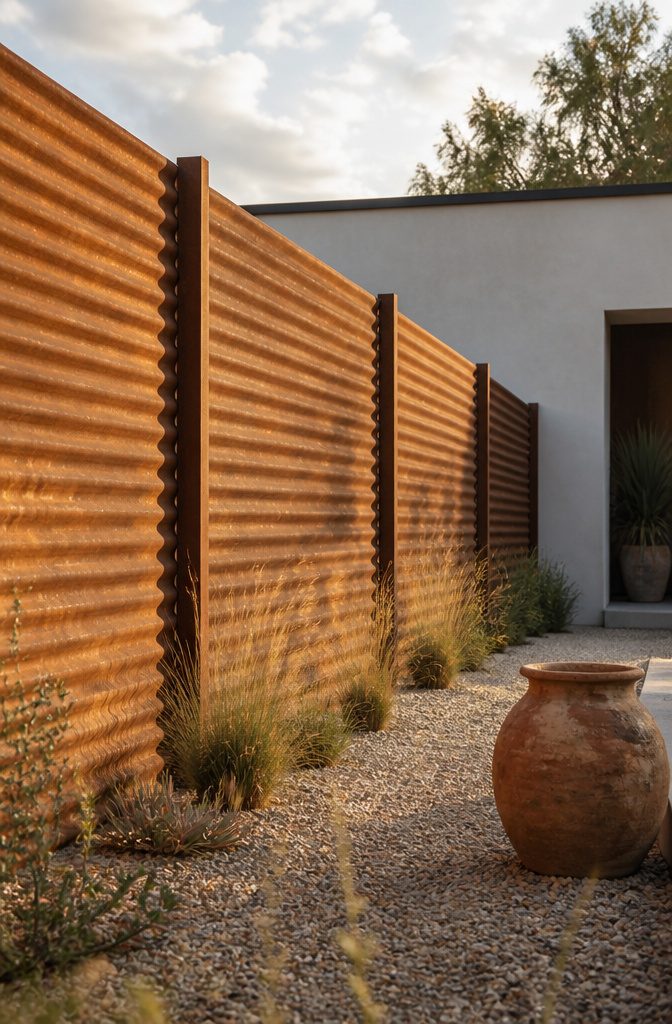
Corrugated steel left bare turns orange-brown on its own, and people buy it for exactly that raw, industrial look. It suits rustic homes, modern farmhouses and industrial-style yards, and it has gained popularity in desert regions for its weathered appearance.
Corten is the refined version. This weathering steel forms a rust-like patina that acts as a protective layer and resists corrosion, with clean lines and a warm, earthy finish.
It pairs well with modern architecture and xeriscaped yards, and I’d pick it for the long lifespan.
Check the finish before you order. Coated or painted panels are made to stay the color they arrive in, so a rusted look needs uncoated steel or true Corten.
Recommended Products
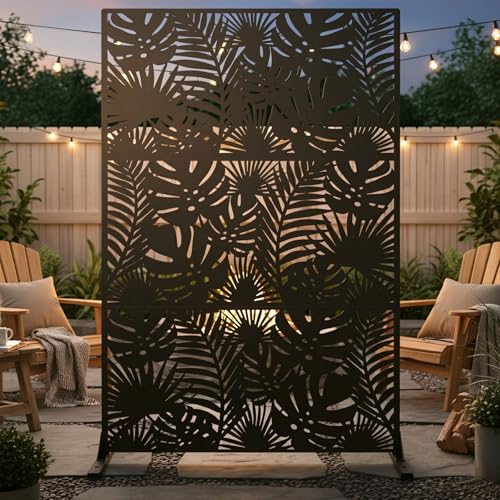
𝗢𝘂𝘁𝗱𝗼𝗼𝗿 𝗣𝗿𝗶𝘃𝗮𝗰𝘆 𝗦𝗰𝗿𝗲𝗲𝗻 𝗳𝗼𝗿 𝗣𝗮𝘁𝗶𝗼, 𝗚𝗮𝗿𝗱𝗲𝗻 & 𝗕𝗮𝗹𝗰𝗼𝗻𝘆:Transform your outdoor area with this decorative metal privacy screen. The 72x44in freestanding panel creates a modern garden divider that shields unwanted views while adding a contemporary touch to your patio, balcony, or backyard.

𝗗𝗲𝗰𝗼𝗿𝗮𝘁𝗶𝘃𝗲 “𝗠𝘆𝘀𝘁𝗶𝗰 𝗙𝗼𝗿𝗲𝘀𝘁” 𝗟𝗮𝘀𝗲𝗿 𝗖𝘂𝘁 𝗣𝗿𝗶𝘃𝗮𝗰𝘆 𝗦𝗰𝗿𝗲𝗲𝗻: Inspired by natural forest elements, this laser cut metal privacy screen features a unique “Mystic Forest” pattern that adds artistic detail while creating visual separation. A decorative outdoor panel that blends privacy and modern garden design.

High Quality Material and Construction: Shade&Beyond privacy screen is crafted from 170 gsm UV protected NON-RECYCLED HDPE fabric; featuring durable brass grommets on each side for secure installation
7. Corrugated Panels With Wood or Stone
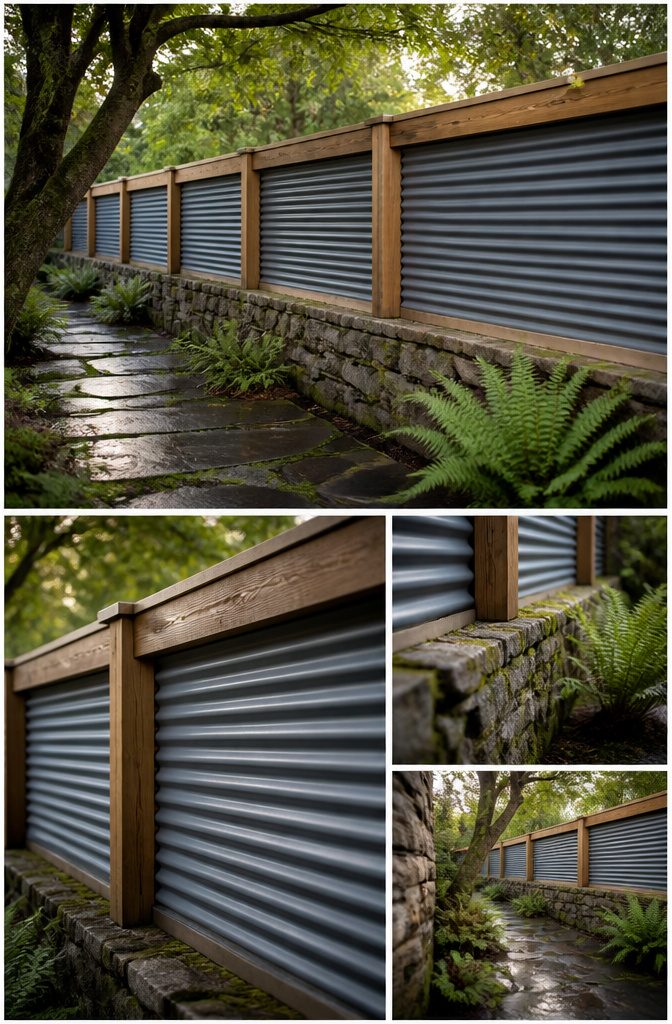
Wood is the easier pairing.
Wood posts and frames warm up cold metal, and reclaimed boards push the look toward rustic. The ribbed texture of corrugated panels throws shadow across the grain, so the two materials read as distinct rather than competing.
Stone pulls the other way. A stone base or stone columns make the fence look heavier and more permanent, and natural stone borders suit wooded lots especially well.
For a bold finish, run full-height panels and add a natural wood cap rail or contrasting trim.
Mixing materials in one fence is perfectly fine. I’d stop at two, wood or stone beside the metal, so the panels stay the main feature.
Recommended Products

Various Sizes for Your Needs:The deer fencing comes in two practical sizes: 8FT*165FT and 8FT*100FT. Whether you need to protect a small family garden or a large agricultural area, we have the perfect size for you. The large coverage area ensures comprehensive protection for your plants.

Various Sizes for Your Needs:The deer fencing comes in two practical sizes: 8FT*165FT and 8FT*100FT. Whether you need to protect a small family garden or a large agricultural area, we have the perfect size for you. The large coverage area ensures comprehensive protection for your plants.

People Who Love Life Love to Buy Getlay's Artsy Fence to Decorate Their Garden or Backyard. They Usually Buy Multiple Pieces, so We Have Extra Locks and Cable Ties. You Can Lock the Extra Door with a Lock, Leaving Only One Door In and Out. The Extended Cable Tie Can Be Used for Storage or Travel.
8. Panel Color and Orientation
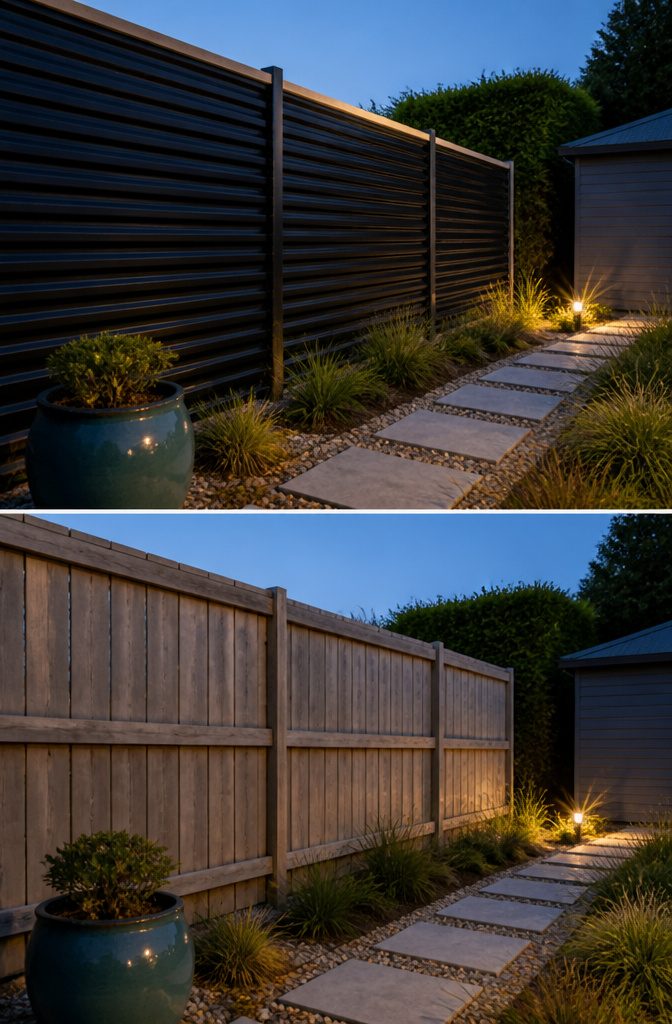
Black and galvamine panels give the classic industrial look. To match a house or planting scheme, PVDF paint is available in up to 26 colors.
Orientation changes the feel as much as color does. Horizontal panels read as modern and make a space look wider.
Vertical panels read as traditional and make the fence look taller, which adds to the sense of privacy and security. In a small yard I’d choose horizontal panels, since width is what you’re short on.
Texture is the other choice.
Traditional corrugated is the standard ribbed profile, deep-groove panels give a more pronounced texture, and steel mesh keeps the fence secure while opening it up. Contrasting trim sharpens the edges of full-height panels.
Recommended Products

DIY FENCE KIT: The Livingston metal fencing is a DIY-friendly solution with a modern design. Each fence section comes ready to assemble in a convenient box, offering cost-effective alternative to wood and vinyl fencing.

【REBAR STAKES 12 INCH】The heavy duty rebar stakes measure 12 inches in length from tip to hook, 5/16 inch (8mm) diameter j stakes. The hook of the tent stakes heavy duty is 3.2" long and the hook distance is 1.6". These ground stakes are sold in bundles of 50 pieces.
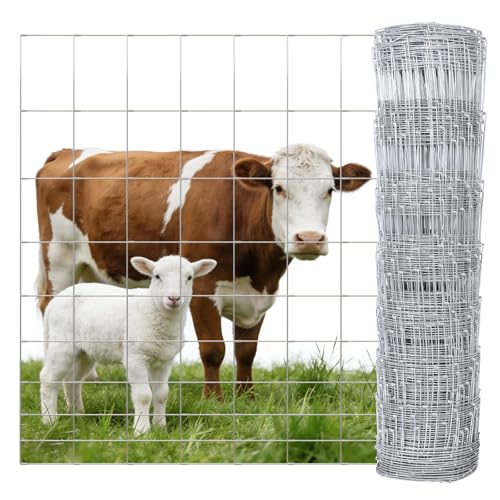
Heavy Duty Galvanized Woven Construction: cattle panel built with 14 gauge galvanized steel wire and a 12 gauge reinforced border, this woven wire fence delivers exceptional strength and impact resistance. The hot-dip galvanized surface ensures superior rust and weather protection, making it a reliable choice for agricultural fencing and livestock fencing that withstands harsh outdoor conditions and heavy animal pressure.
How Long Corrugated Metal Lasts
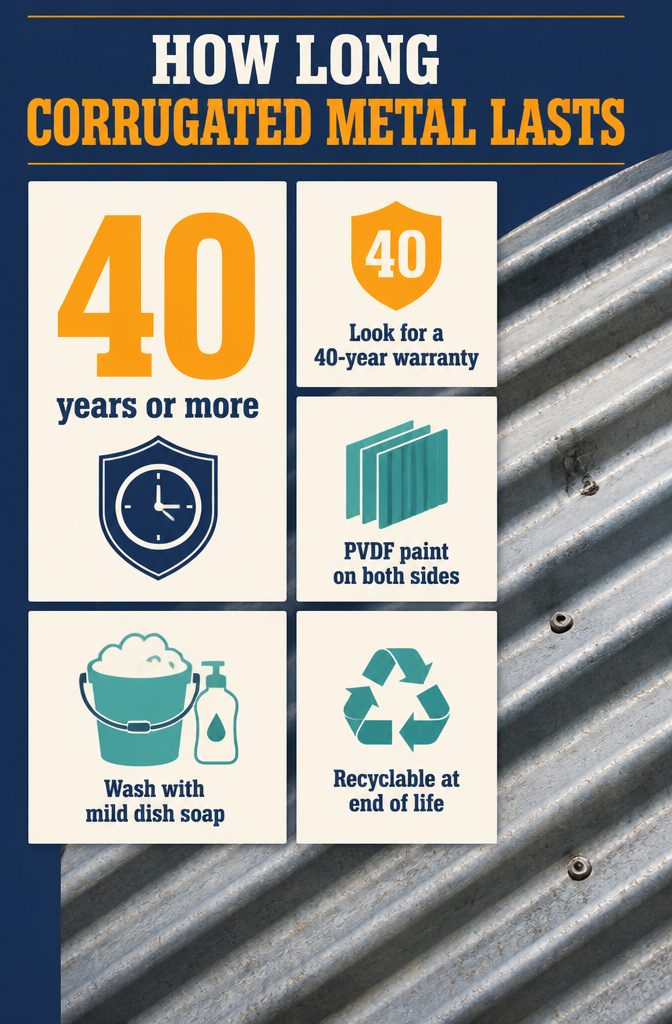
Corrugated metal outlasts the other common fence materials by a wide margin:
- Expect 40 years or more, and look for a 40-year warranty to match.
- Wood, which rots and attracts insects, typically lasts 15–20 years. Vinyl lasts over 20 years but can struggle in extreme temperatures.
- Buy panels painted on both sides with PVDF paint, so the back face is protected as well as the side you see.
- Cleaning takes a bucket, mild dish soap and an occasional wash.
- Metal fences often contain recycled content and can be recycled at the end of their life.
Metal costs more upfront than wood. Over 40 years, though, a wood fence needs replacing at least once, so I’d pay the premium.
Recommended Products

Heavy-Duty Under The Bed Blocker for Pets: Our 0.1" thick chicken wire fence resists wear and tear from claws and teeth. A durable cat balcony netting, our long-lasting barrier protects pets from railings and prevents them from sneaking under furniture

COMPLETE PROTECTION KIT - Professional-grade 7ft x 100ft deer netting with 3/4" fine mesh that effectively blocks deer, rabbits, birds, and small pests. Includes 10 metal landscape staples and 50 zip ties for immediate installation - everything you need in one package.

PERFECT FOR RAISED BEDS & SMALL GARDENS - Designed for raised garden beds, strawberry patches, flower beds and compact growing spaces. Ideal for tomatoes, strawberries, blueberries, peppers and other backyard garden plants.
What Metal Fencing Costs
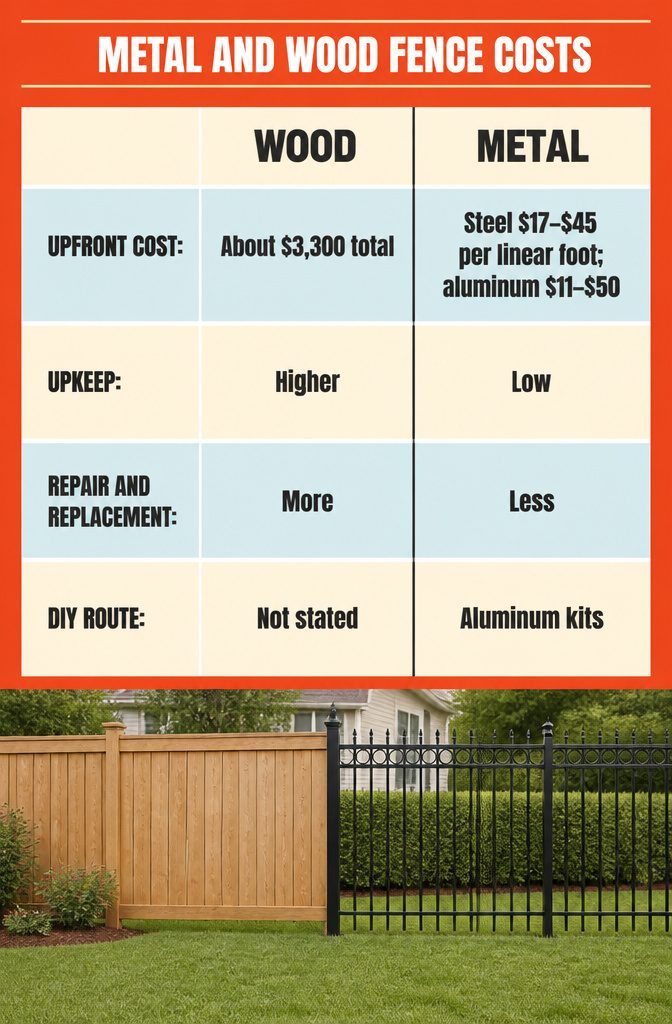
Metal costs more up front. A new wood fence usually runs about $3,300, depending on how much fence you need, while steel is $17–$45 per linear foot and aluminum $11–$50.
Metal pays you back later, since you spend less on repairs, replacement and upkeep than with wood or vinyl.
For a fence you plan to keep, I’d take the higher price. Chain link with privacy slats and DIY aluminum kits are the cheapest routes, and their prices vary by yard size and kit.
| Option | Upfront cost | Upkeep |
|---|---|---|
| Wood | About $3,300 total | Higher |
| Steel | $17–$45 per linear foot | Low |
| Aluminum | $11–$50 per linear foot | Low |
| Chain link with slats | n/a | Easy |
Metal Fences in Wet or Salty Climates
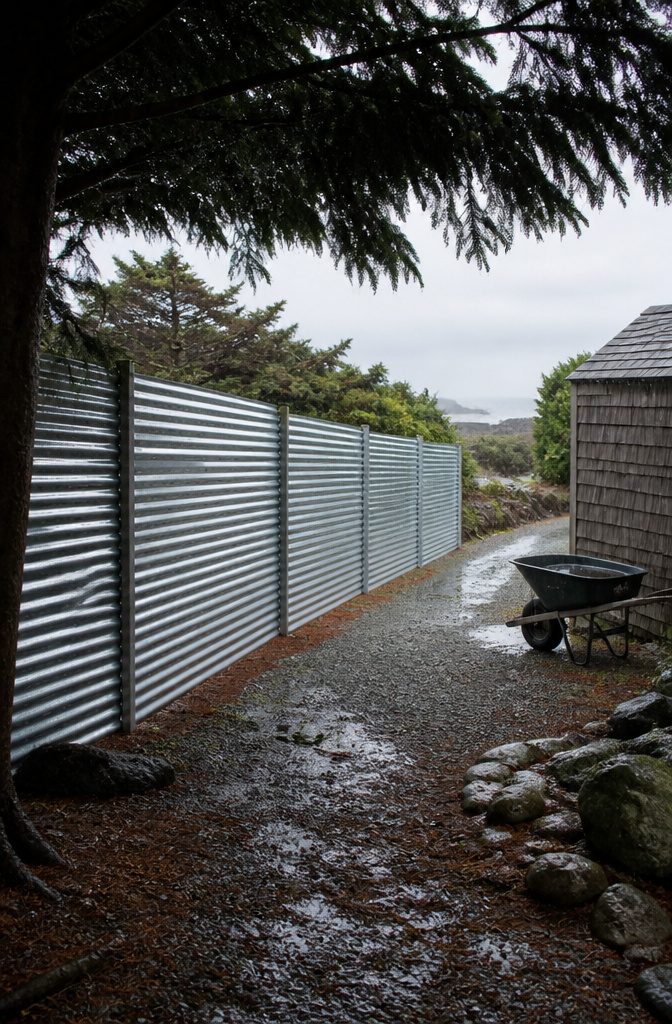
Rain is where metal beats wood. Steel and aluminum don’t rot, split or attract insects, so a fence in a damp climate like Western Washington has fewer ways to fail.
For wet, windy sites I’d pick galvanized steel: it resists rust, holds up to water and wind, and works on sloped ground and long runs.
Coated aluminum is the other safe choice, because the coating keeps moisture off the metal. Corrugated panels also handle heavy rain, snow and strong wind.
Salt air is the exception. Near the coast, plan on extra protective coatings to prevent corrosion, and don’t assume a standard finish will last there.
Frequently Asked Questions
Does a sheet metal fence give full privacy?
Yes.
Solid corrugated panels in 6-foot or 8-foot heights block visibility completely, because they form one continuous barrier with no gaps to see through. Running the panels vertically or horizontally changes the style but not the privacy.
How long does a corrugated metal fence last compared with wood or vinyl?
Expect 40 years or more, and look for a warranty of the same length.
Wood typically lasts 15–20 years because it rots and attracts insects. Vinyl lasts over 20 years but can struggle in extreme temperatures.
How does the cost of a metal fence compare with wood?
Metal costs more upfront. A new wood fence usually runs about $3,300 depending on how much fence you need, while steel is $17–$45 per linear foot and aluminum is $11–$50.
Metal needs less repair and upkeep, and over 40 years a wood fence would need replacing at least once.
What is the cheapest metal fence option?
Chain link with privacy slats and DIY aluminum fence kits are the cheapest routes. Final prices vary with the size of your yard and the kit you pick.
Will a metal fence rust in rainy or coastal climates?
In regular rain, galvanized steel and coated aluminum resist rust, and corrugated panels also handle heavy rain, snow and strong wind.
Damp areas like Western Washington are easy on metal because it doesn’t rot, split or attract insects. Near the coast, salt air can corrode metal, so plan on extra protective coatings instead of a standard finish.
Can I customize the look of a corrugated metal fence?
Yes. You can choose traditional corrugated panels, deep-groove panels for more pronounced texture, or steel mesh for a more open look.
PVDF paint comes in up to 26 colors, and panels can run horizontally for a modern, wider look or vertically for a taller, more traditional one. Contrasting trim sharpens the edges of full-height panels.
Can I mix metal with other materials in one fence?
Yes.
Wood posts, frames or a cap rail warm up the metal, and a stone base or stone columns make the fence look heavier and more permanent. Stopping at two materials keeps the metal panels as the main feature.
What type of fence is best for gardens and pets?
For vegetable beds, start with wire mesh or chain link, since corrugated panels are less proven for garden beds.
For an active dog, solid corrugated panels make a durable run but block the view. For smaller animals, mini mesh chain link has tighter links and keeps them contained.