
The options run from a large umbrella, which needs no building, to a walled and roofed deck extension, which costs the most.
Which one fits depends on where the view comes in: sit in your usual spot and find the neighbor’s sightline. An umbrella only blocks overhead views, so a window at eye level still sees past it.
1. Install Fencing
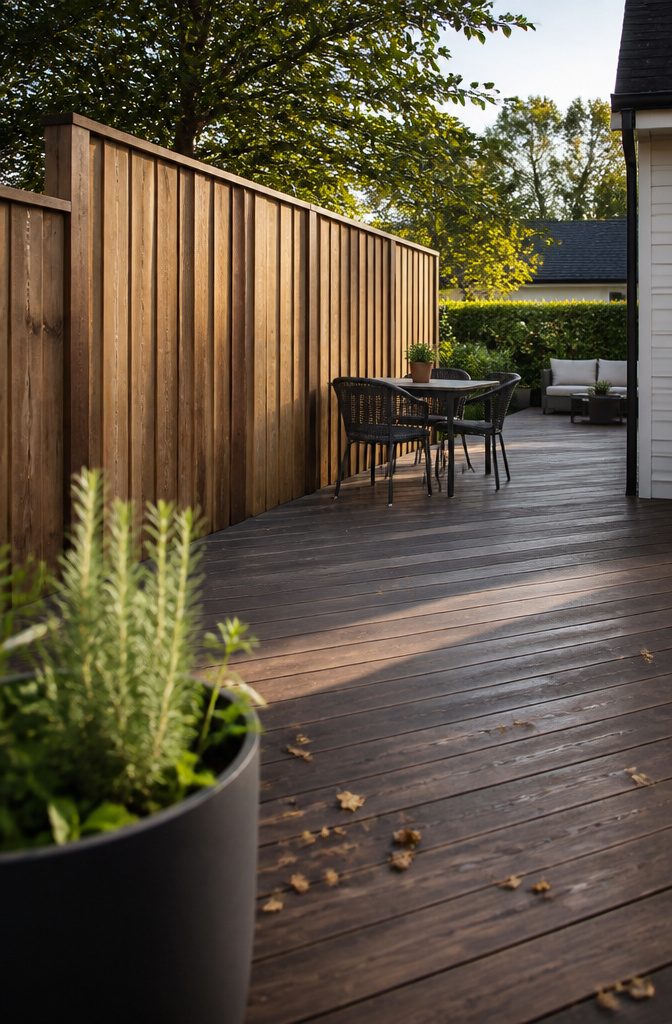
Board-on-board and shadow box designs give a deck the most privacy, because their overlapping boards block sightlines from outside. Fencing the whole property gets the fullest seclusion, but cost climbs with every added foot and with premium materials.
For most decks, partial fencing is the better buy: fence only the noisy or high-traffic side, such as the one facing a street or a neighbor’s patio, and leave the rest open.
That keeps the budget down and the space from feeling boxed in.
Wood demands extensive upkeep.
Trex® Composite Fencing is the low-maintenance alternative, and I’d pick it if you’d rather spend weekends on the deck than caring for the fence. Before you buy, check height limits and permit rules with your city and HOA.
Recommended Products
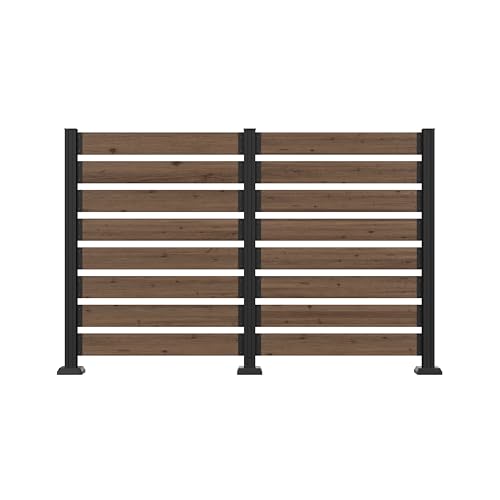
PREMIUM NATURAL WOOD – Crafted from real wood, the outdoor privacy screen showcases its own unique grain, color, and knots, unlike vinyl outdoor privacy fence screen panels that lack the authentic beauty and texture of a natural wood screen.

Comes with a hard surface installation kit – No extra purchase needed.
2. Build a Privacy Screen
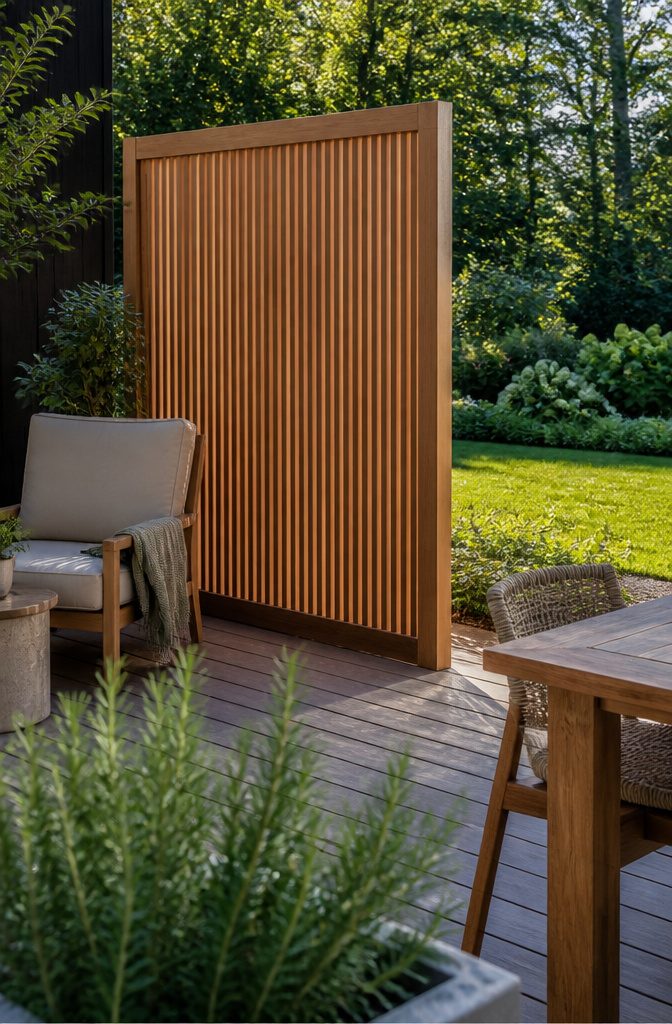
A privacy screen is a decorative panel of wood, metal or composite that blocks the view into one part of your deck.
It can stand alone or attach to a fence or pergola. Trex® Privacy™ screens are made for shielding seating areas, hot tubs and dining spaces.
I’d pick a screen over a full fence whenever one corner is the problem, because it covers one spot without enclosing the deck. Trex states the planning rule plainly:
Focus on the spots that need coverage most rather than covering the full perimeter, so you can still enjoy the views you love.
— Trex
Sit where you usually sit, find the neighbor’s sightline, and put the panel there.
Recommended Products

(Breathable Material with Some Visibility Through) Made with 100% new high density polyethylene(HDPE) material--no recycled materials used,more healthy and safe. Allow breeze and light pass through for better comfort space. Commercial solid fabric can achieve 95% UV protection to meet your requirement.Deck Shield Cover is perfect for Backyard Deck, Patio, Balcony Pool, Porch Railing.

Outdoor privacy fence screen designed to significantly reduce visibility for patios, pools, balconies, gardens, and work sites.

【Sufficient Privacy】Balcony Privacy Screen is made of 100% new high density polyethylene(HDPE) material, which has excellent shading performance and provides 95% UV protection, 85%-90% shading rate, no recycled materials used, more healthy and safe.
3. Install a Pergola
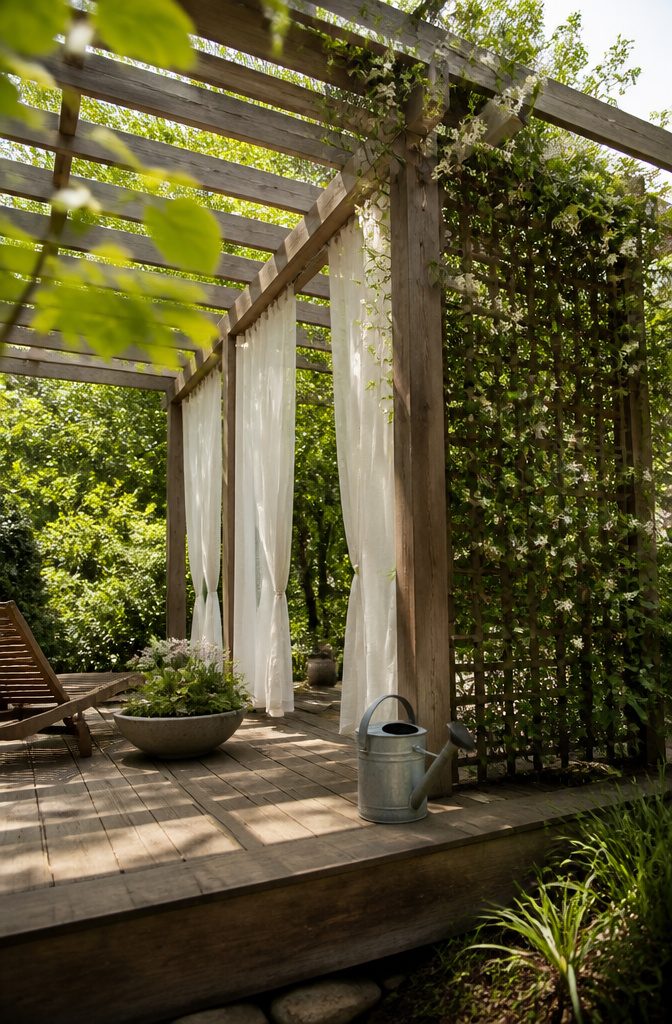
A pergola is vertical posts topped with an open roof framework, built freestanding or attached to the house. It filters sun and sightlines from above, but an open roof gives neither full privacy nor weather protection.
The Trex® Pergola™ is a good example of the style. For a deck that neighbors can see into, I’d treat it as a frame you fill in rather than a finished screen.
Outdoor curtains close the sides, and a retractable shade like a ShadeTree or ShadeFlex canopy adds overhead coverage you can open or shut as the day changes.
Climbing vines such as jasmine give a softer screen. A trellis on one or more sides works too, and the side facing your neighbor is the one to fill first.
Recommended Products

WHAT'S IN THE PACKAGE? Each set includes 1 outdoor curtain measuring 54" wide by 84" long. The curtain features rust-proof 1.6-inch grommets that allow smooth opening and closing for easy daily use.

WHAT'S IN THE PACKAGE? Each set includes 1 outdoor curtain measuring 54" wide by 84" long. The curtain features rust-proof 1.6-inch grommets that allow smooth opening and closing for easy daily use.
WHAT'S IN THE PACKAGE? Each set includes 1 outdoor curtain measuring 54" wide by 95" long. The curtain features rust-proof 1.6-inch grommets that allow smooth opening and closing for easy daily use.
4. Build a Cladding Wall
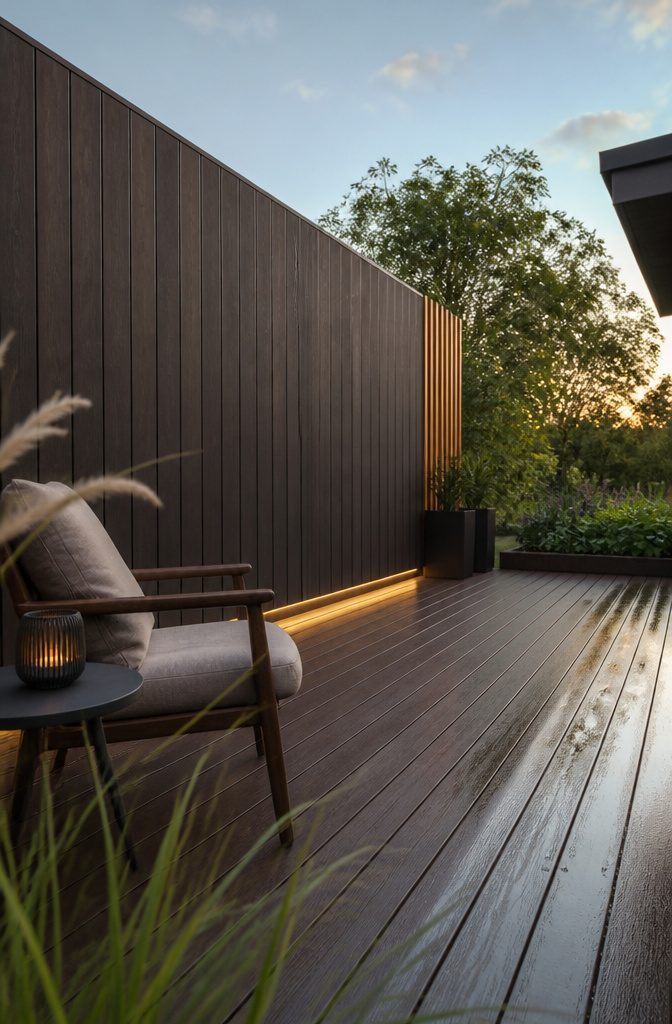
Of the ideas here, a cladding wall comes closest to a true privacy wall on a deck.
Trex® Cladding™ is decking turned on its side, so the boards form a solid wall that blocks the view instead of a surface you walk on.
It can stand alone at the edge of the deck or be built into an existing wall or fence, which suits a fence with weak spots or one stretch that faces a neighbor’s window.
A solid wall also takes some of the noise out of the space.
If full cover matters more to you than filtered light, I’d pick this over a lighter screen. Integrated lighting, decorative patterns or a contrasting second material keep it from looking like a blank barrier.
Recommended Products

Waterproof Interior & Exterior Wall Panels: Upgrade any space with 100% waterproof WPC slat wall panels designed for both indoor and outdoor use. Ideal for exterior wall panels, facade cladding, accent walls, and commercial applications.

Waterproof Interior & Exterior Wall Panels: Upgrade any space with 100% waterproof WPC slat wall panels designed for both indoor and outdoor use. Ideal for exterior wall panels, facade cladding, accent walls, and commercial applications.

Waterproof Interior & Exterior Wall Panels: Upgrade any space with 100% waterproof WPC slat wall panels designed for both indoor and outdoor use. Ideal for exterior wall panels, facade cladding, accent walls, and commercial applications.
5. Trees and Hedges
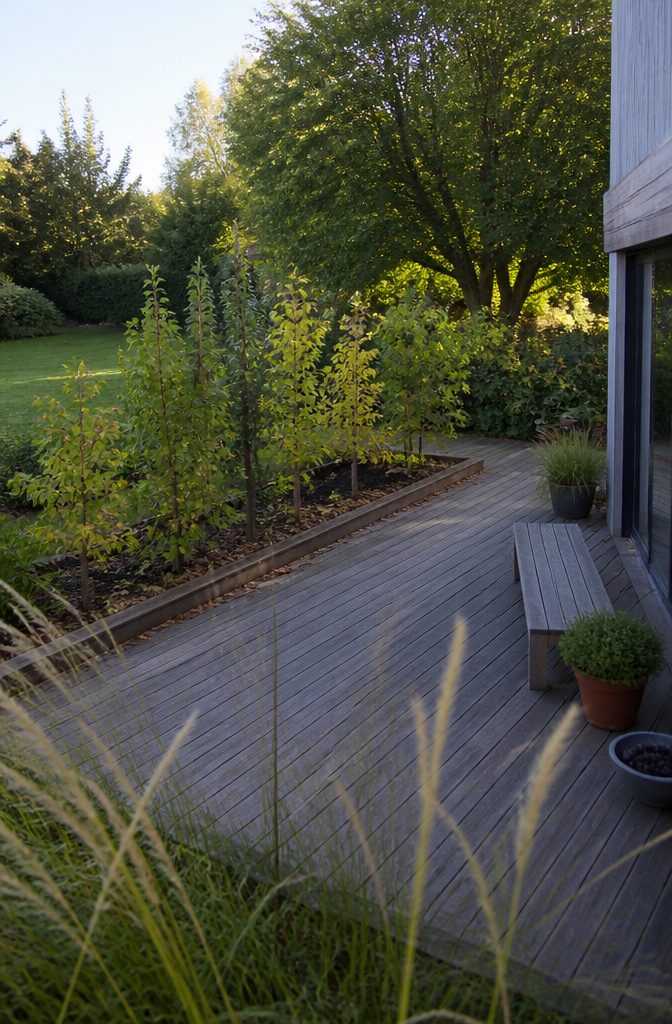
Trees and hedges are the slowest privacy option on this list, so they suit you only if you can wait for the screen to fill in.
A living screen does more than block sightlines. It shades and cools the deck, improves air quality, softens street noise, and draws birds and pollinators.
Start with three checks: how much privacy you want, how much room the planting bed has, and how many hours of sun the spot gets.
Then pick species that thrive in your climate. A local nursery or landscaper can name good ones for your area, which beats guessing from a plant tag.
Plant them the way the nursery advises, and keep up regular care, because a neglected hedge takes even longer to close the gap.
Recommended Products

Artificial Fence Screen Size: 120”(L) x 40”(W), consist of 12 pack 20"*20" mini-artificial privacy fence, lightweight design makes it easy to move around to redecorate and beautify and room or space.

STYLISH NATURAL WOOD: This FSC certified wood screen is made with real wood meaning no two boards have the same grain color, finish, or wood knots differing it from vinyl outdoor privacy fence screen panels.

Multi-Functional Raised Garden Bed with Trellis: This versatile metal planter box serves triple duty as: an elevated garden bed for vegetables and flowers,a sturdy trellis for climbing plants, and a decorative privacy screen - perfect for backyards, patios, and balconies. Its space-saving design maximizes your growing area while enhancing outdoor aesthetics.
6. Install a Trellis
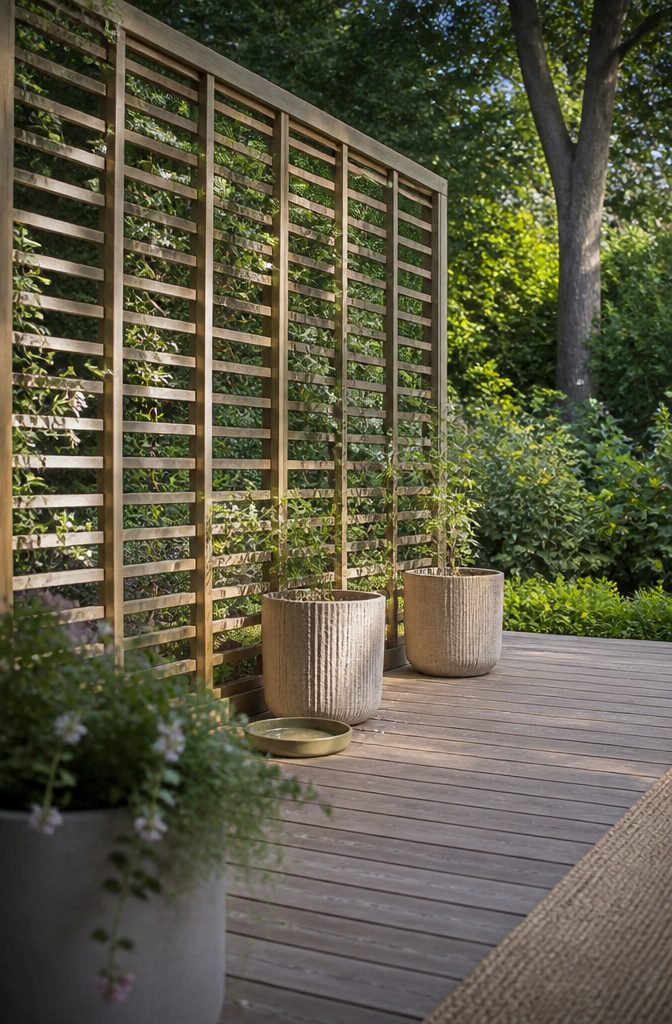
A trellis wins over a solid wall when you want privacy that looks like part of the garden.
Climbing plants such as jasmine or ivy weave through the lattice and form a living screen that softens harsh sun and takes some of the edge off street noise.
Plan around the wait, though. A trellis is only as private as the plant on it, and the first season usually leaves gaps you can see through.
I’d plant the vine the day the trellis goes up and choose a trellis sturdy enough to carry a full-grown plant. Until the foliage fills in, set a tall container or two in front of the thinnest spots.
Recommended Products

Privacy Solution: Most economical way for privacy over chain link fence, porous decorative concealment, existing cyclone wire fence, wood retaining wall, welded wire fence, chain link fence, privacy barrier around swimming pool, block nose neighbor see through, add privacy to acre back yard backdrop, front yard, patio, garden and porch; hide street, road, construction site, pet kennel pen, block surrounding noise and street view, stops dogs from barking at neighbors.

【Enhanced Privacy & UV Protection】This balcony privacy screen blocks up to 90% visibility while providing 95% UV protection. Create a more private, shaded outdoor space without completely blocking airflow or natural light.

Premium Material: Crafted from 200GSM HDPE, this product is abrasion-resistant and prevents color fading. Reinforced with 1.5" webbing on vertical edges and 3 brass grommets at each corner for extra strength, it resists rusting. This ensures durability, making it a long-lasting investment that stands up to daily wear and tear, maintaining its good looks and functionality over time
7. Make It a Home Extension
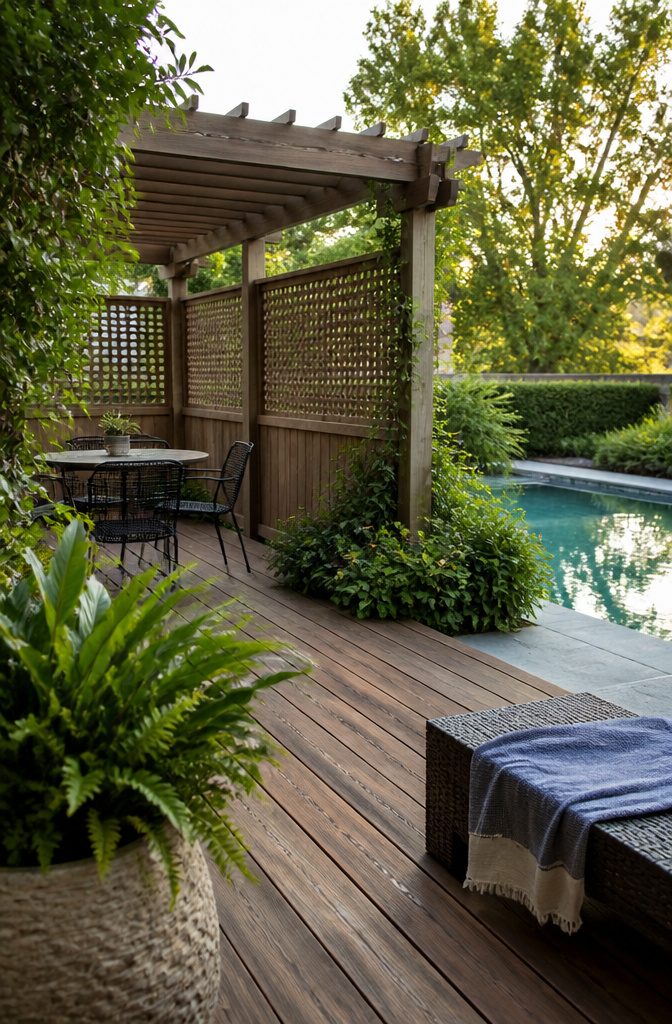
Real walls and a ceiling turn a deck into a true outdoor room, and they are also the most expensive way to get privacy.
On a small budget I would skip that version. Faux walls built from lattice, fencing, a pergola and landscaping give the feeling of a room for much less work, because they only have to block the sightlines that bother you.
Place them where the view comes in, such as the side facing a neighbor’s window or the corner nearest the street.
Leave the other sides open so the deck stays airy. An enclosed deck next to a pool shows the balance well: defined edges, but still an inviting place to gather.
Recommended Products

Details: Artificial ivy wall is 120 inches long and 40 inches wide, with green faux ivy leaves. Made up of 12 small panels (connected).Can cover 33.33 square feet. the faux Ivy Vine are textured and look real. You can reassemble or cut to get the size you want. 50 cable ties are included to assist in installation.

(Breathable Material with Some Visibility Through) Made with 100% new high density polyethylene(HDPE) material--no recycled materials used,more healthy and safe. Allow breeze and light pass through for better comfort space. Commercial solid fabric can achieve 95% UV protection to meet your requirement.Deck Shield Cover is perfect for Backyard Deck, Patio, Balcony Pool, Porch Railing.

Premium Quality: The UPGRADE privacy screen for fences is made from 170 GSM non-recycled High-Density Polyethylene (HDPE). This ensures lasting durability, reliable privacy protection, and excellent weather resistance. A high-density composition makes it a dependable solution for outdoor privacy needs.
8. Hang Outdoor Curtains
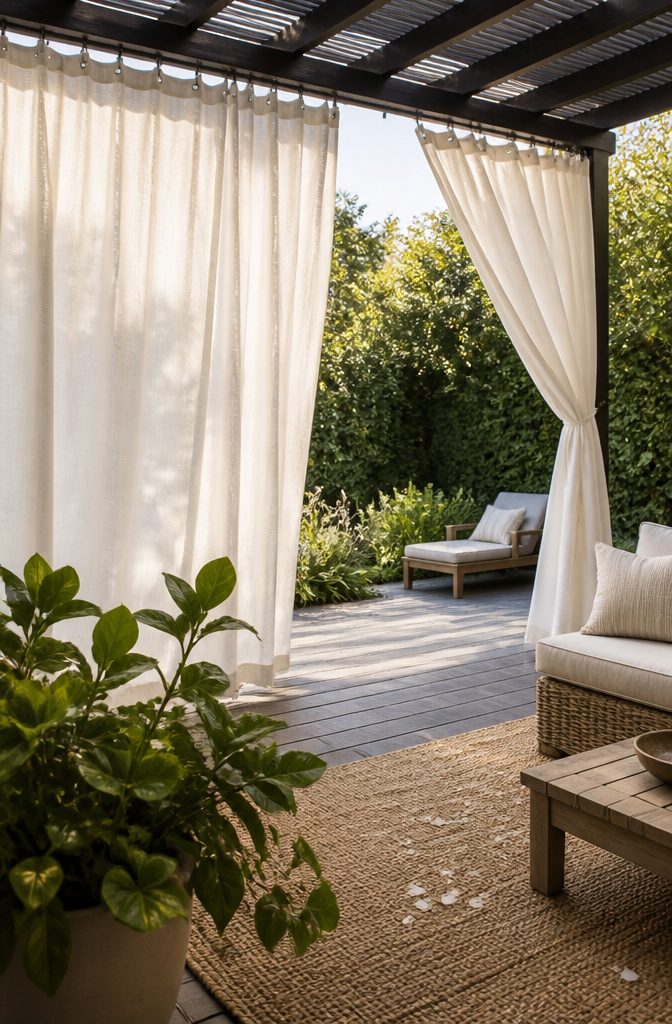
Curtains need something overhead to hang from, so they suit a covered deck or a pergola. Hung along the sides that face your neighbors, they block sightlines without the boxed-in feel of a solid wall.
Draw them for privacy and pull them back when you want the view, and the same deck can feel open or secluded depending on the hour.
Fabric also gives you a choice of colors and textures, so you can match the cushions or rug in a way a fence never will.
I’d pick curtains over a fixed screen on any deck where the need for privacy changes through the day. Retractable shades and ShadeTree or ShadeFlex canopies work on the same idea: coverage you can adjust, then open up again.
Recommended Products

【Ready Made】- Includes 2 x Curtain Panels. Each panel measures 52" wide. Available in 63", 72", 84", 95", 108", 120" and 132" lengths. Each grommet has 1.6" inner diameter that fits well most standard curtain rods. The rust proof loops are easy to install, and give the curtain years of use without tearing up edges. Please measure size before buying.

Waterproof Outdoor Curtains with Windproof Design: Made with durable polyester fabric and a waterproof coating, these all weather outdoor curtains protect your patio or gazebo from light rain and moisture. The tab-bottom design helps secure the panels during breezy days, reducing flapping and keeping the curtains neatly in place
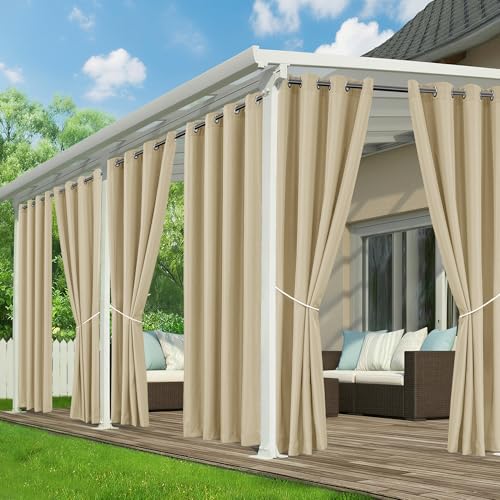
Waterproof & Weatherproof: Durable 100% polyester fabric exterior curtains withstand wind, water, and rain. This heavy cover provides reliable weatherproof protection for your patio, porch, pergola, gazebo, deck, balcony, canopy, or RV
9. Bamboo Privacy Wall
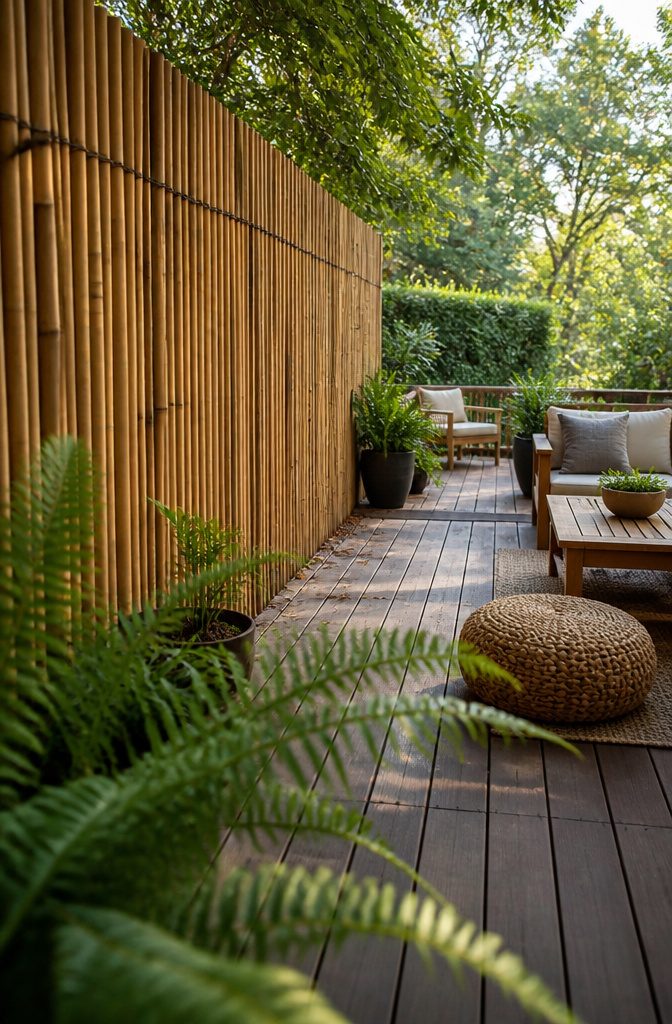
Bamboo gives a deck wall a warm, natural look that painted wood or vinyl doesn’t.
Screens can be customized to the space, so a short run on the one side that faces a neighbor works as well as a full wall around a larger yard.
For a small deck, I’d choose that side-only approach. It blocks the sightline you care about and leaves the other sides open to light and breeze.
Bamboo suits decks already styled with plants, wood furniture and woven textures, where its organic texture blends in. On a sleek deck of metal and glass, I’d skip it, because the look will clash.
Bamboo is strong and durable, but stand where you usually sit and note where the neighbor’s view lands before you buy, so the screen covers it.
Recommended Products

100% FSC CERTIFIED MATERIAL: The interlocking deck tiles are made from responsibly sourced, FSC certified wood plastic composite, which reduces the excessive demand for wood
Waterproof Interior & Exterior Wall Panels: Upgrade any space with 100% waterproof WPC slat wall panels designed for both indoor and outdoor use. Ideal for exterior wall panels, facade cladding, accent walls, and commercial applications.

【Explore all colors with ease】Find the decking color that perfectly matches your space through color sample boards. The 3 sample plates include 6 colors.
10. Add a Large Umbrella
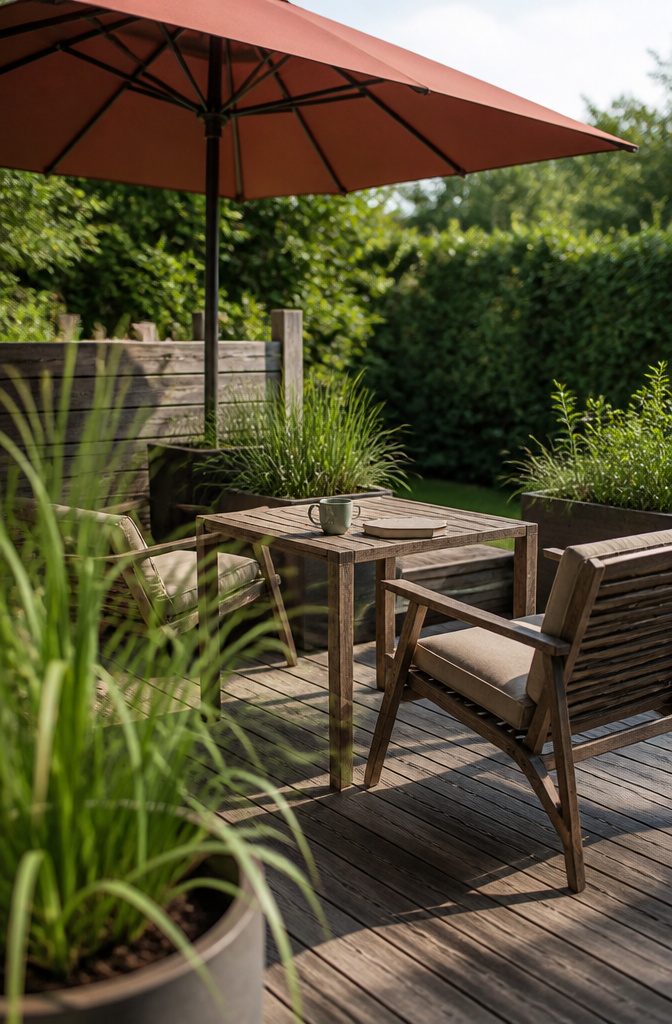
A large umbrella is the lightest-duty item on this list. It gives instant shade, goes up without any building, and is one of the most affordable options here.
It only blocks what sits between you and the sky, though. Overhead views and low-angle sun are where it helps, while a neighbor’s window at eye level sees straight past it.
The adjustable canopy is its real advantage. You can tip or turn it toward the side the sun or the sightline comes from, then fold it away when you want open sky.
Pick a color that suits your decor, because it will be the biggest swatch on the deck. I’d pair it with a screen or planter boxes rather than count on it alone.
Recommended Products
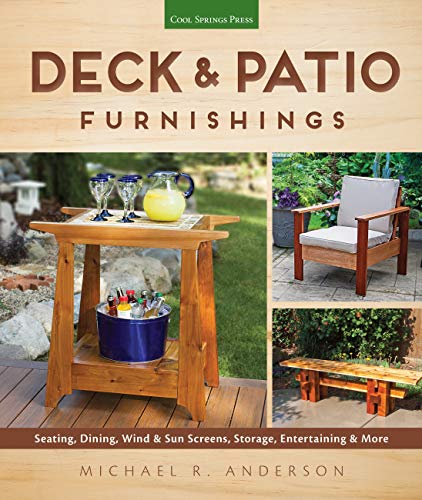

Versatile Design: This metal planter with a trellis serves multiple purposes, making it the ideal choice for your garden. Use it as a beautiful flower stand or as an outdoor privacy screen.
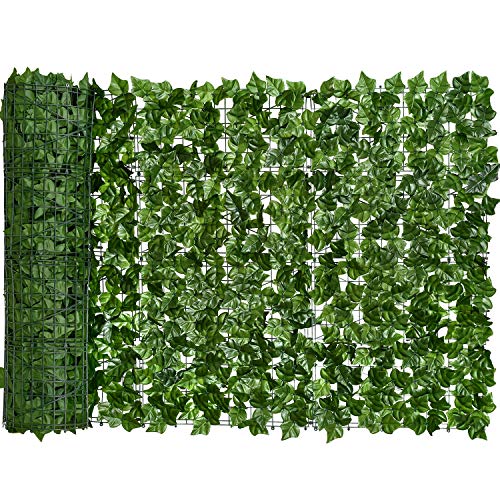
Realistic green Ivy look: Artificial ivy leaves are natural looking to provide every indoor or outdoor space a blooming, earthy feel without the need for watering,Use zip ties or tape to install, it can be cut to get the size and shape you want, can be used as wall decoration, fence privacy screen, privacy screen.
11. Privacy Railing Systems
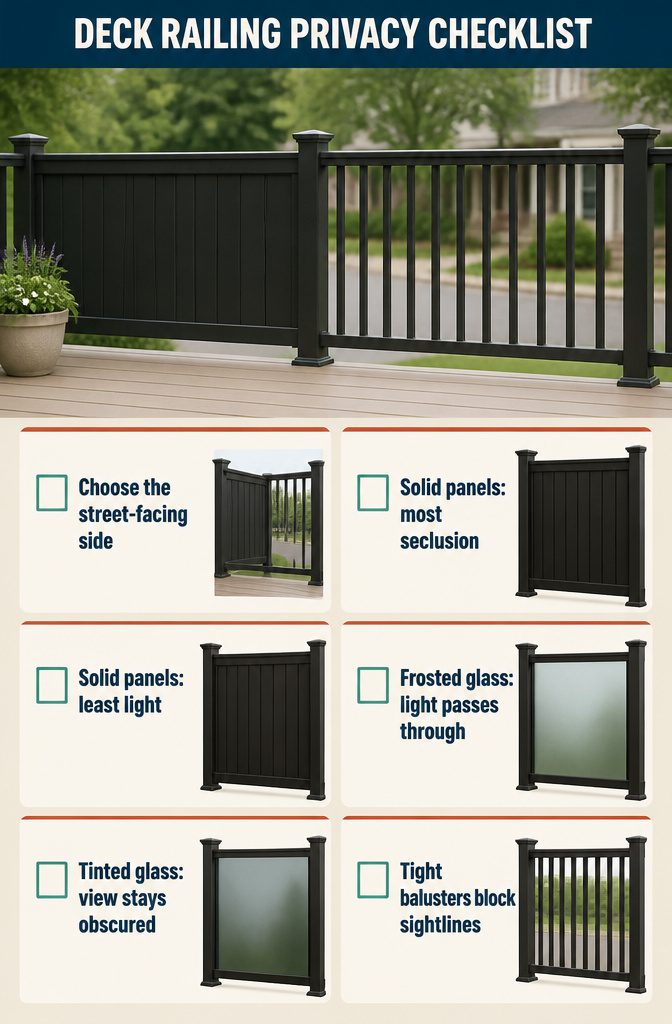
Railing that doubles as a screen blocks views from the street, the sidewalk, or a neighbor’s second-story window.
Put the privacy material on only the side facing the street or neighbors, and pick it by how much light you want to keep:
- Solid panels: the most seclusion and the least light. They suit the one side that needs full cover.
- Frosted or tinted glass infill: light still comes through while the view is obscured. I’d choose it for any side where solid panels would make the deck feel boxed in.
- Tightly spaced balusters: they block most sightlines and stay lighter than solid panels, so they work for a street side where panels feel too heavy.
A darker railing against lighter deck boards also pulls the eye to the deck instead of what’s beyond it.
12. Above-Rail Privacy Screening
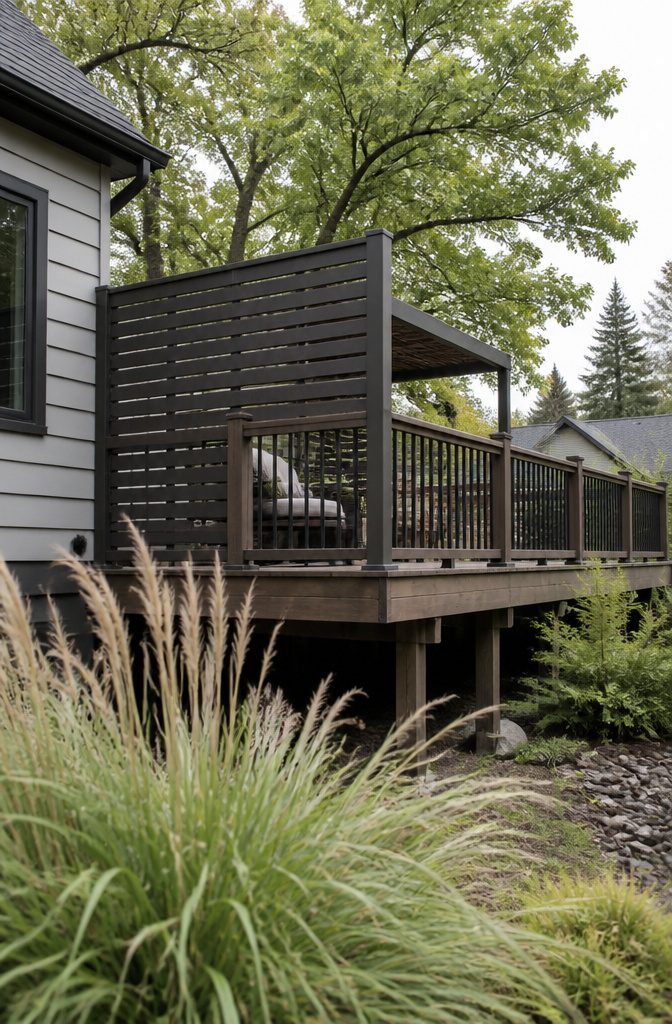
If your railing looks fine but people can still see over it, add panels on top instead of replacing it.
Trex® Privacy™ screens extend above the existing rail and coordinate with Trex decking and railing. They suit elevated decks, second-story balconies and any deck facing a neighbor’s window.
I’d cover only the seating area, hot tub or dining zone and leave the rest of the perimeter open, so the views you like stay.
A screen matched to the railing posts blends in, while one that contrasts with the deck reads as a design choice.
If a table or lounge set still feels exposed from overhead, add a Trex® Outdoor Pergola™. It closes the space in without stopping airflow.
13. Raised Planter Boxes
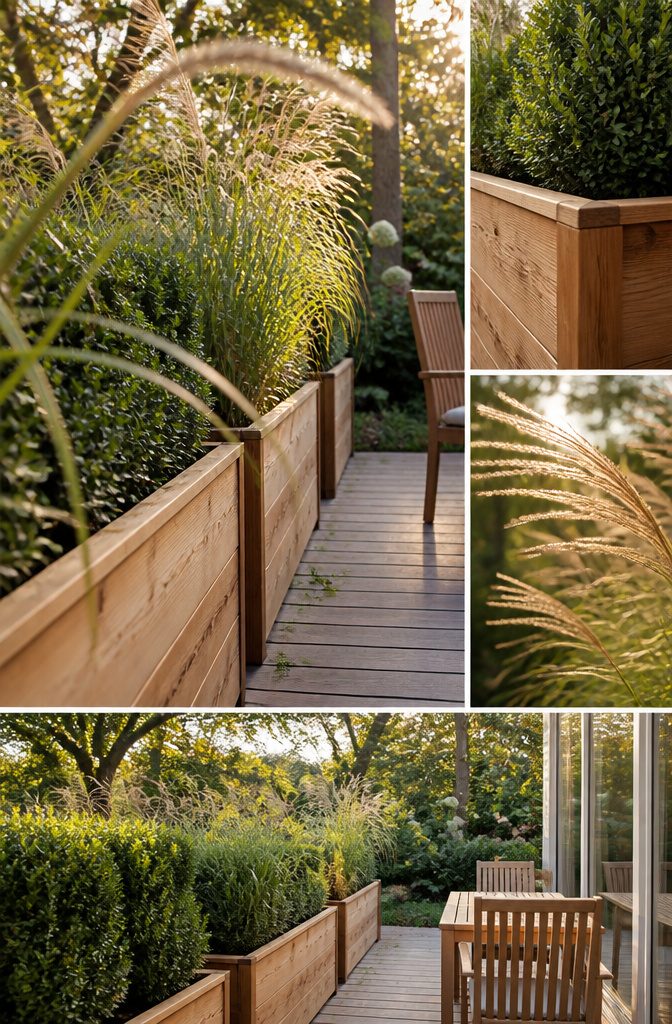
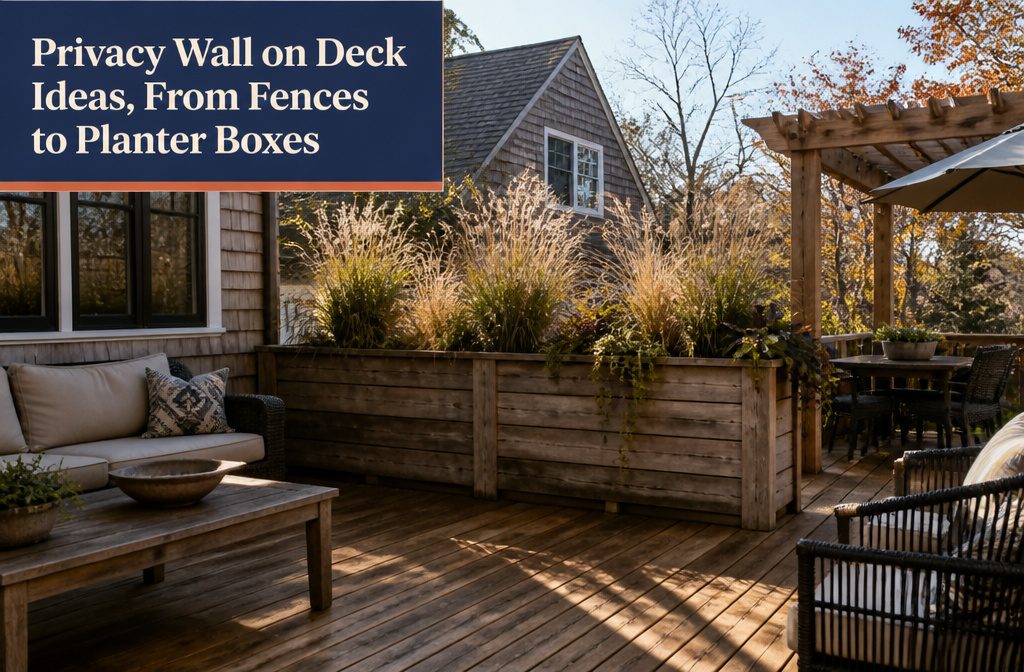
Tall raised planter boxes along the deck edge give you a divider that grows rather than a wall that just stands there.
Fill them with boxwoods or ornamental grasses and the plants form the barrier. Boxwoods make a denser, tidier edge, and grasses a looser, softer one.
The boxes also soften the hard lines of a deck and help reduce outside noise, such as passing traffic or neighborhood chatter.
Unlike a solid screen, they mark the perimeter without closing the space off. Choose boxes tall enough that the plants reach seated eye level once they fill in, because a low planter with young shrubs blocks very little.
Privacy Without Closing In
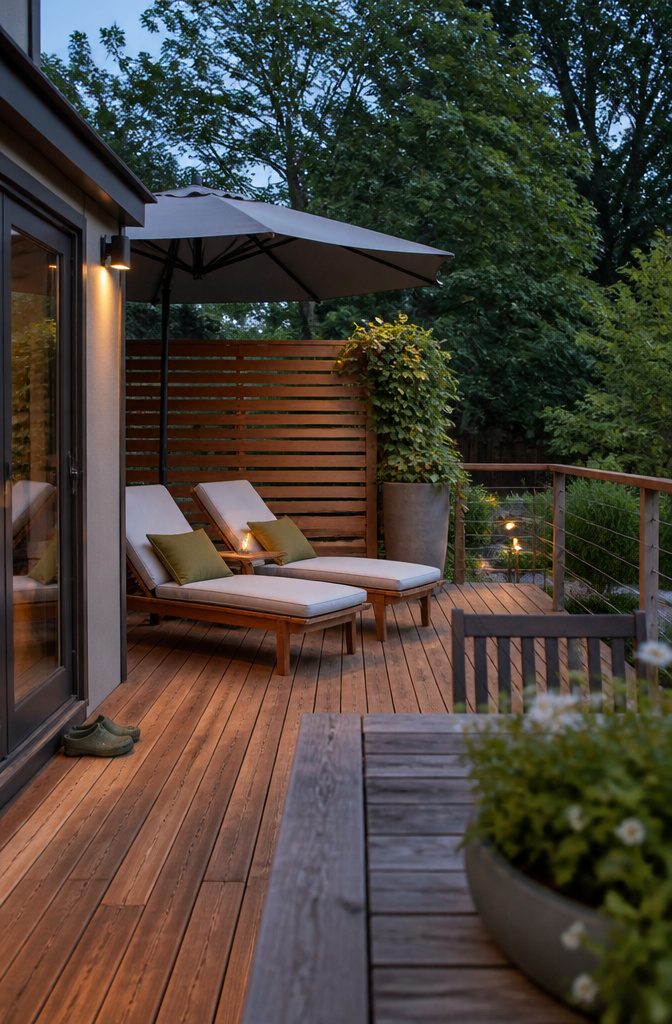
Decide which spots need cover before deciding how much to build. Seating, a hot tub and the dining zone usually top the list, and screening only those spots leaves the rest of the deck open to the views you like.
I’d sit in each spot and look toward the neighbors’ windows. Partial fencing, curtains or planter dividers can block the side views at that angle.
Elevated decks and balconies get looked into from above or across, so targeted railing screens suit them better than a full wall, and an umbrella adds cover overhead.
An open-roof pergola gives shade, not complete privacy, because sightlines from above still pass through it.
Match the Design to the Deck
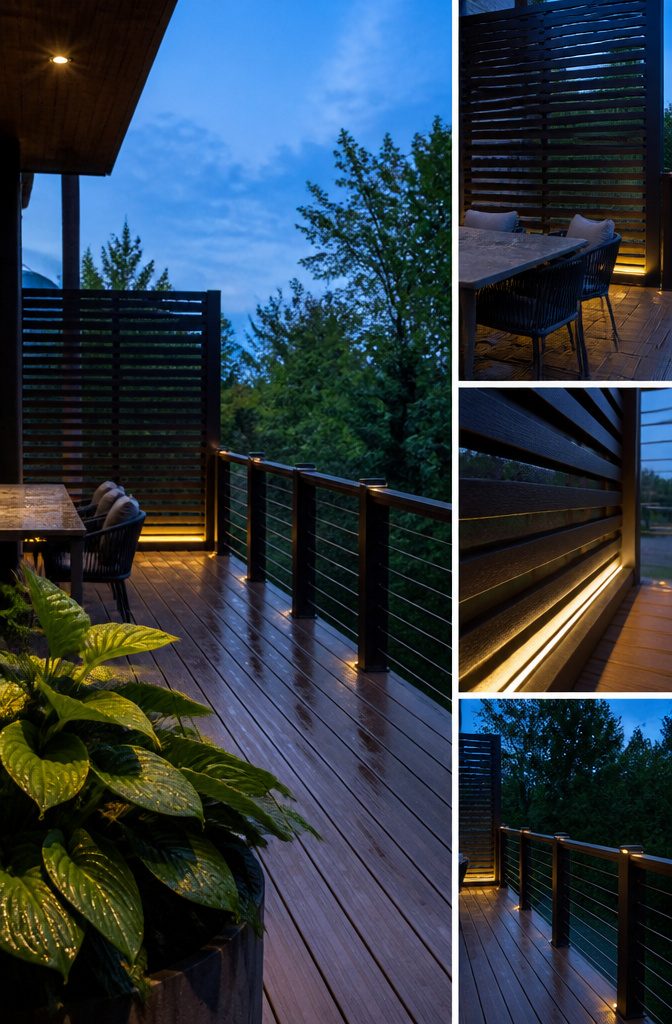
Color is the first decision, and it applies to any screen or wall. Match the screen to your railing posts for a finished look, or contrast it with the decking if you want the wall to be a feature.
I lean toward matching on a small deck, because a contrasting panel pulls the eye to the very thing you’re trying to hide.
Patterns and lighting come next. A slatted or cutout pattern breaks up a solid panel and lets some light and air through, which suits a dining zone.
Soft lights along the posts or base make a hot tub or seating area feel enclosed after dark. On an elevated deck or balcony, put the screening where a neighbor’s window looks in and leave the rest open.
Frequently Asked Questions
What is the best privacy wall for a deck?
A cladding wall comes closest to a true privacy wall. Trex Cladding boards turned on their sides form a solid barrier that blocks the view and takes some noise out of the space.
Board-on-board and shadow box fences also give strong privacy because their boards overlap. If you want to keep more light, a slatted or cutout screen is the better pick.
How do I add privacy to a deck without making it feel closed in?
Screen only the spots that need cover, usually the seating area, hot tub and dining zone, and leave the rest of the perimeter open.
Sit where you normally sit, find the line of sight to the neighbor’s window, and put the panel, curtain or planter there. Partial fencing on the street side or the neighbor’s side works the same way.
What is the cheapest way to get privacy on a deck?
A large umbrella is one of the most affordable options and needs no building. It only blocks what is overhead, though, so a neighbor’s window at eye level can still see past it.
Faux walls made from lattice, fencing, a pergola and landscaping cost much less than real walls and a ceiling, because they cover only the sightlines that bother you.
Does a pergola make a deck private?
Not by itself. An open-roof pergola gives shade, but it does not provide full privacy or weather protection because sightlines from above still pass through it.
Treat it as a frame and fill in the sides with outdoor curtains, a trellis with climbing vines, or a retractable shade canopy.
Do plants work as a privacy wall on a deck?
Yes, but they take time. Trees and hedges are the slowest option, and a trellis leaves see-through gaps during its first season until the vine fills in.
Raised planter boxes with boxwoods or ornamental grasses work if the boxes are tall enough for the plants to reach seated eye level. Tall containers in front of thin spots cover the gaps in the meantime.
How do I get privacy on an elevated deck or balcony?
Use railing that doubles as a screen, such as solid panels, frosted or tinted glass infill, or tightly spaced balusters, on the side facing the street or neighbors.
If your current railing is fine but people can still see over it, Trex Privacy screens mount above the existing rail. Cover only the seating, hot tub or dining zone and leave the other sides open.
Do I need a permit or HOA approval to put up a deck privacy wall?
Possibly.
Check height limits and permit rules with your city and your HOA before you buy fencing or other tall screening. Rules vary by location, so confirm them first to avoid rebuilding later.









