
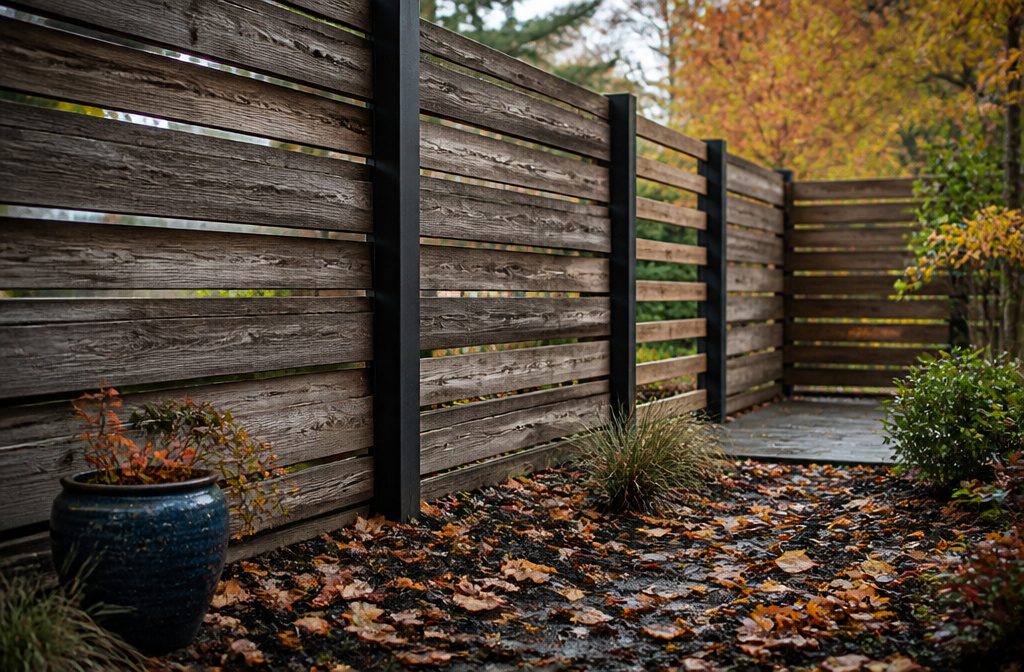
A wood fence is a board layout, a wood species and a set of posts, and the layout decides privacy.
Solid styles such as stockade block sightlines and airflow, while picket fences leave the yard in view. Most cost $40 to $60 per linear foot in 2025, and ground-contact rated posts decide how long it stands.
Board-on-Board Fence
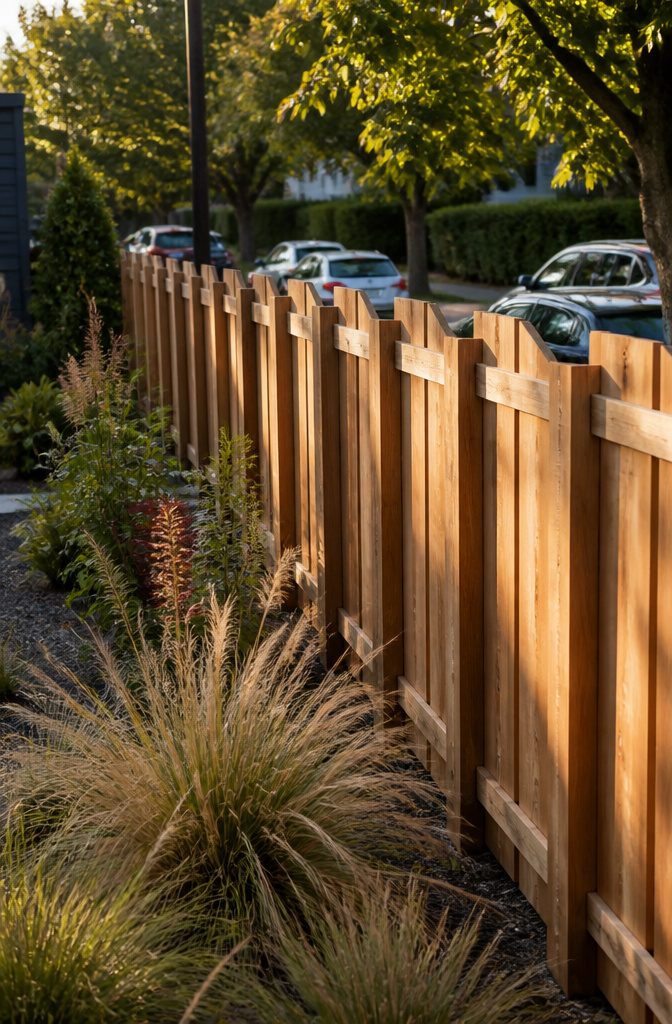
Board-on-board gives the most privacy of the common wood styles. The pickets overlap, so no direct gap runs along the fence line.
That blocks sightlines and takes the edge off noise from a busy street or close neighbors. Because the boards alternate on either side of the rails, both faces look finished, which is why it’s called the good-neighbor or shadowbox fence.
Airflow is where descriptions split. Some call it fully private, others semi-private, and I’d call it private but not airtight: the tighter the overlap, the more privacy and the less breeze.
You also pay for extra boards and rails compared with a single-layer fence. Cedar with dog-ear tops is the classic look; straight tops read more modern.
Recommended Products

Comes with a hard surface installation kit – No extra purchase needed.
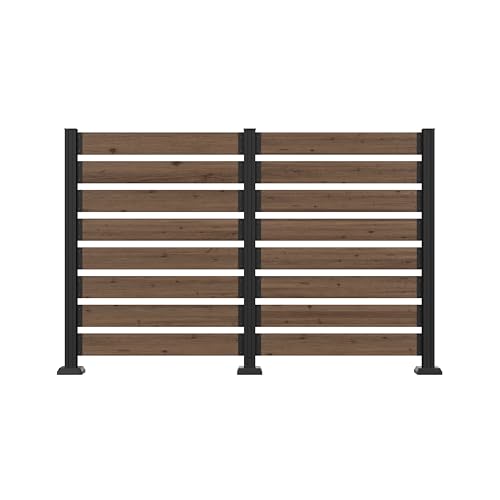
PREMIUM NATURAL WOOD – Crafted from real wood, the outdoor privacy screen showcases its own unique grain, color, and knots, unlike vinyl outdoor privacy fence screen panels that lack the authentic beauty and texture of a natural wood screen.
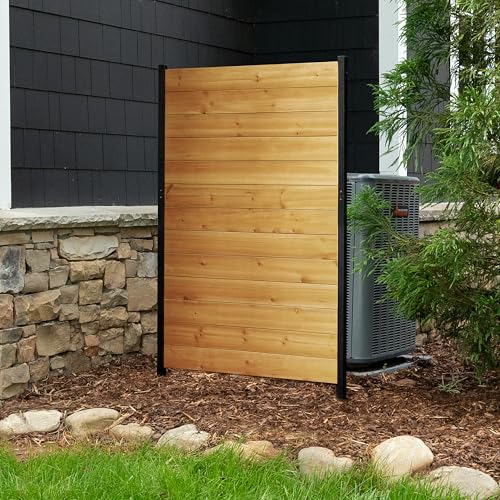
STYLISH NATURAL WOOD: This FSC certified wood screen is made with real wood meaning no two boards have the same grain color, finish, or wood knots differing it from vinyl outdoor privacy fence screen panels.
Board and Batten
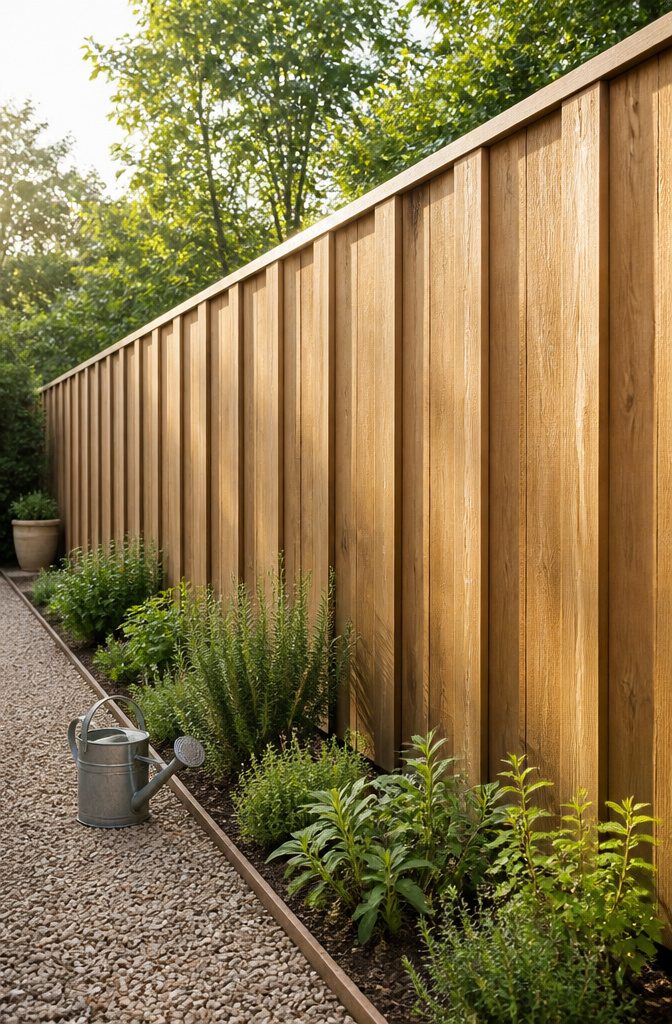
Board and batten alternates boards of different sizes, and that pattern is what keeps the fence private.
Wood shrinks as it dries, and on a fence of identical boards set tight edge to edge, each seam can open into a visible slit.
The alternating sizes allow for that movement, so gaps are less likely to open as the boards dry.
Other solid privacy styles look tighter on installation day, but their seams carry the same shrinkage risk.
I would choose board and batten for a fence you want to keep looking private after a few seasons. It also keeps a natural wood look at an economical price, and it is durable and easy to maintain.
Recommended Products

DIMENSIONS: Each panel measures 32” H x 48” W

Order is for a 4-Pack of fencing, giving a total of 32 feet of fencing in length

10 ft. Cedar Lawn Edging looks fantastic as it keeps mulch and soil off your grass, walkway, and driveway
Vertical Board Fence
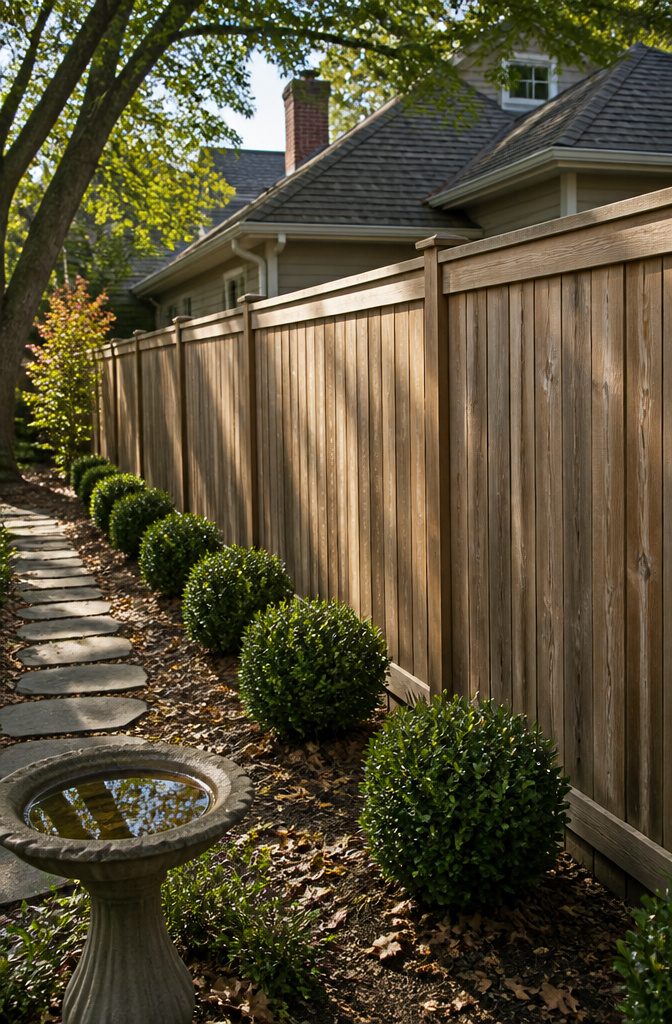
Vertical boards attached to horizontal rails and held up by strong posts make the traditional privacy fence. It is simple, it works, and it suits most yards and house styles, so I’d start here if you’re undecided.
The customizing happens in the details. Board width sets the look, and spacing sets the privacy: tight boards block the view, while gaps let light and air through.
The top can be flat, pointed or scalloped, and a kickboard along the bottom gives the base a finished edge.
If you add one upgrade, make it cap and trim along the top. The framed edge protects the boards from weather and adds architectural interest to what would otherwise be a plain wall of wood.
Recommended Products

Innovative Design: The wooden fence panels posts features a U-channel design—simply attach the brackets to the posts and slide in (3/4" x 5.5") wood planks to lock. Easy DIY installation and plank replacement, even for one person, saving time, effort, and labor costs in the short and long term

Versatility: This wooden privacy screen provides a discreet enclosure, creating a sense of mystery and concealment. It is perfect for elevating the overall aesthetic of your outdoor space. Quickly creates a secluded retreat while adding a touch of elegance that complements any décor, indoors or out.

STYLISH NATURAL WOOD: This FSC certified wood screen is made with real wood meaning no two boards have the same grain color, finish, or wood knots differing it from vinyl outdoor privacy fence screen panels.
Stockade Fence
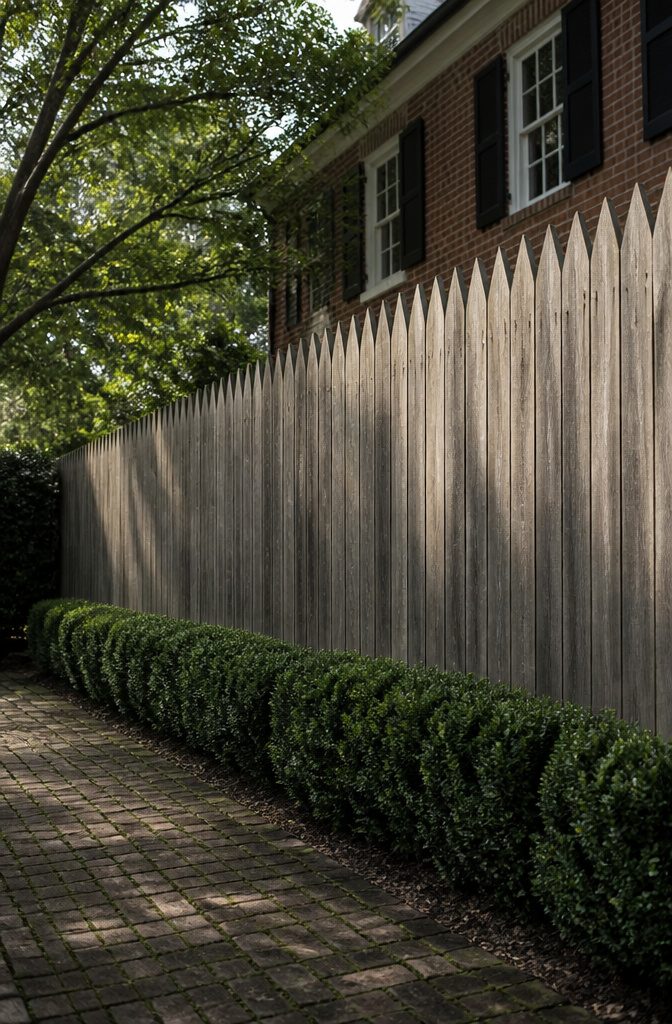
Stockade fencing sets pointed boards tight against each other, so the fence reads as one solid wall.
Nothing shows through the gaps, which makes it one of the most private wood designs you can choose, and it can be built to custom heights to match how much screening your yard needs.
The same tight fit limits airflow, so the space behind it can feel closed in on a still summer day. I would skip it for a small patio that already runs warm.
The pointed tops give the fence a rustic, slightly defensive look.
That style suits colonial homes and is a classic American backyard fence. Choose stockade when privacy matters more than airflow.
Recommended Products

【Perfect Fence to Protect Privacy】With this privacy screen fence, you could have fun with your families not worrying about losing privacy. Also, helping you cut off some noise from your neighbours to give you a peaceful environment. Your dog will not bark from outdoor things and people too.
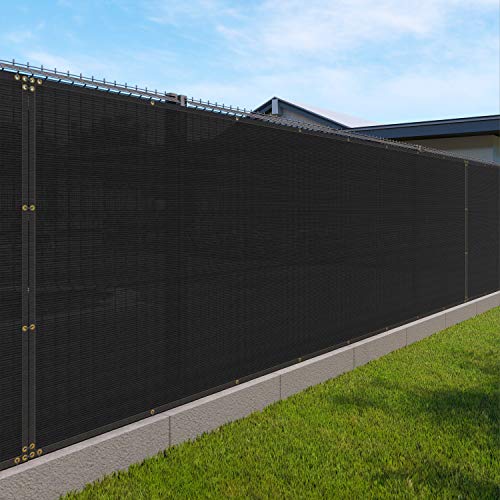
Perfectly Protect Your Yard Privacy: 90% visibility blocking, prevent peeping outside the yard, block nose neighbors see through, protect safety and enjoy freedom. It can also prevent animals from entering your yard, block surrounding noise and street views, block dogs' sight and prevent bark.

Privacy Solution: Most economical way for privacy over chain link fence, porous decorative concealment, existing cyclone wire fence, wood retaining wall, welded wire fence, chain link fence, privacy barrier around swimming pool, block nose neighbor see through, add privacy to acre back yard backdrop, front yard, patio, garden and porch; hide street, road, construction site, pet kennel pen, block surrounding noise and street view, stops dogs from barking at neighbors.
Horizontal Fence
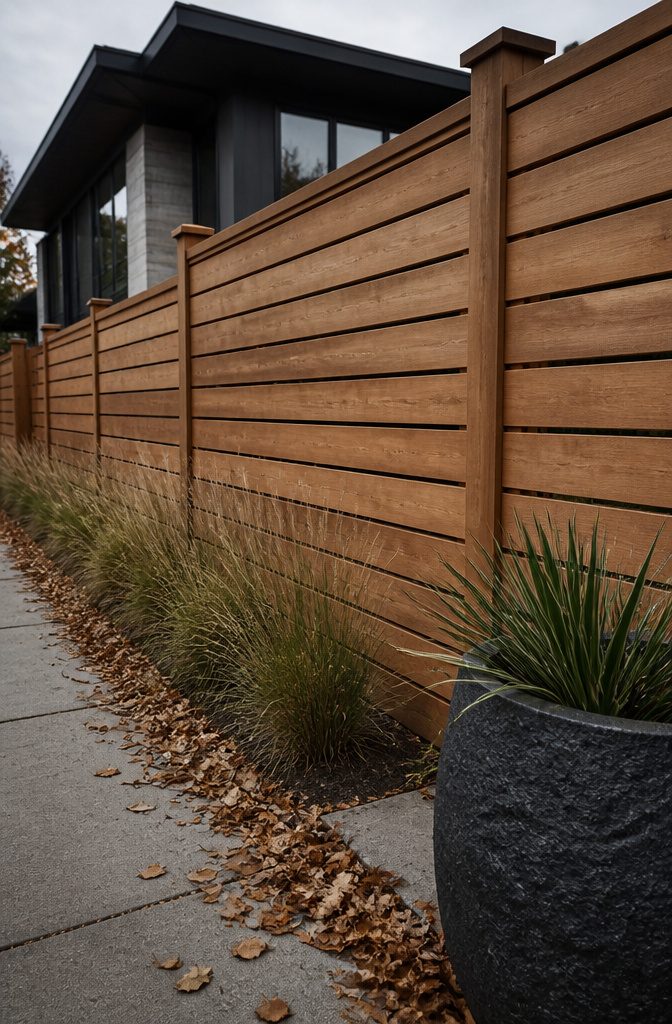
Horizontal boards give a fence long, level lines that suit modern homes and minimalist yards better than most other wood styles.
Spacing is the adjustable part. Set the boards tight for full privacy, or leave gaps in the middle of each panel to let air through and lighten the look.
Strength is the usual worry. A horizontal fence is strong enough when the rails, posts and installation are right, and I would put the budget into quality posts and rails before fancier boards.
Steel posts hidden inside the wood panels are a growing choice for added strength, and from the street you still see only wood.
Recommended Products

PREMIUM NATURAL WOOD - This wood screen is made with real wood meaning no two boards have the same grain color, finish, or wood knots differing it from vinyl outdoor privacy fence screen panels which can not provide you a natural screen experience.

STYLISH NATURAL WOOD: This FSC certified wood screen is made with real wood meaning no two boards have the same grain color, finish, or wood knots differing it from vinyl outdoor privacy fence screen panels.

Durable, Weather-Resistant Wood: Built for outdoor living. Crafted from solid fir wood and finished with a water-resistant coating, this privacy screen stands up to sun and moisture. The smooth, low-maintenance surface wipes clean easily and can be repainted or re-stained whenever you’re ready for a new look.
Lattice-Top Fence
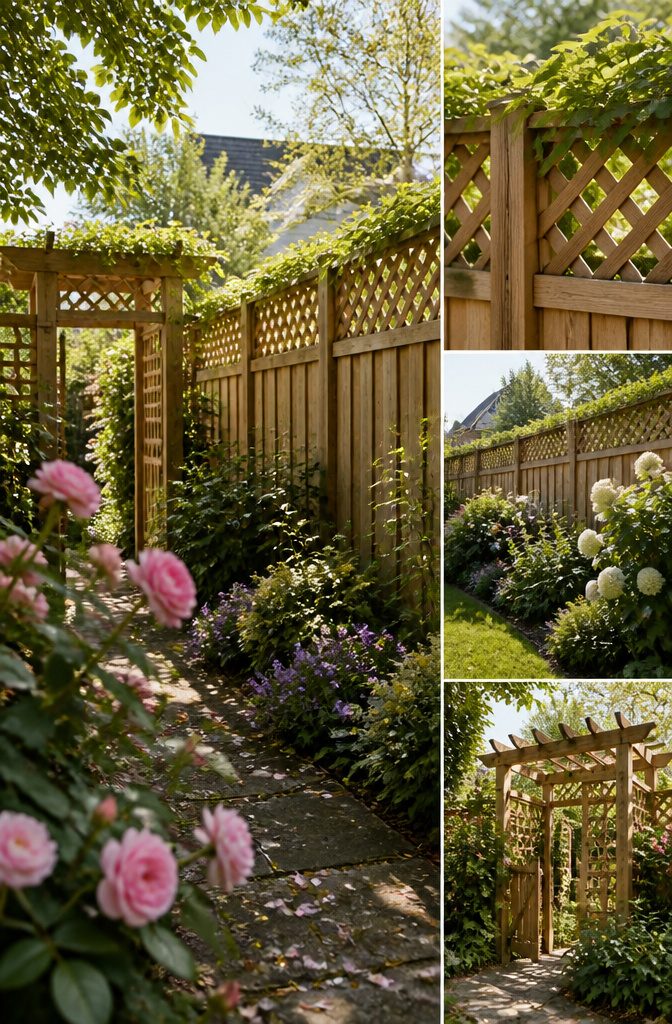
A lattice-top fence keeps solid panels on the lower section and puts open lattice above them.
The open top softens a tall fence that might otherwise feel like a wall, and it lets light reach the beds along the boundary. The solid panels below still block the view in, so you give up very little privacy.
Lattice also gives climbing plants something to hold, which lets a vine spread along the top and makes the fence read as part of the planting.
I’d tie it in further with an arbor or trellis at a gate or corner, repeating the same lattice pattern so the fence and the garden structures look like one design.
If your yard feels boxed in by a solid fence, this is the style I’d choose first.
Picket Fence
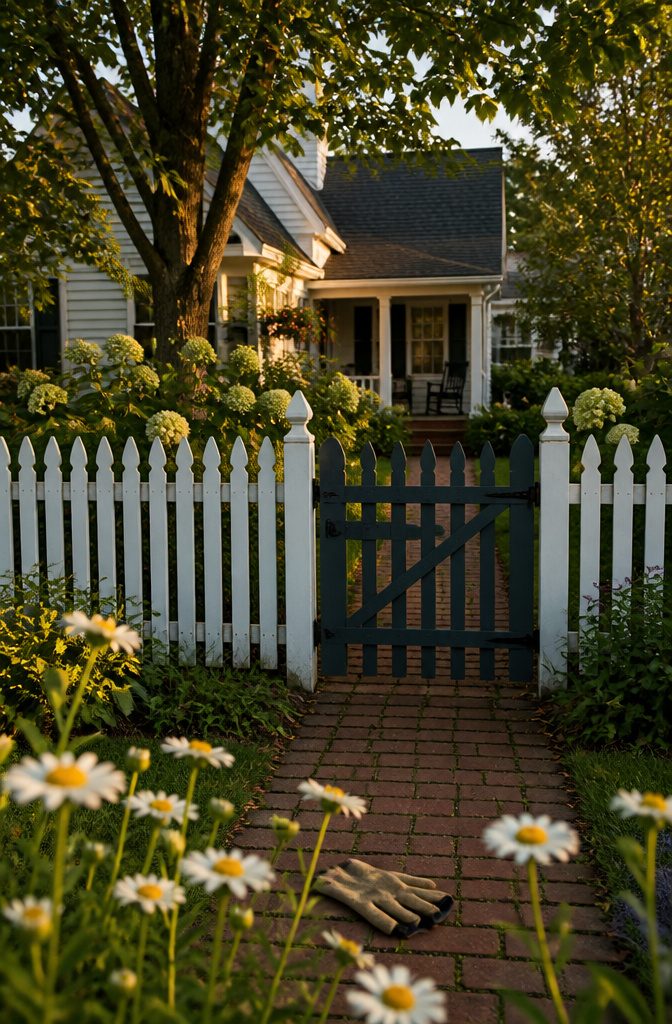
A picket fence frames a house best in the front yard, and the shape of the picket tops sets its personality.
Tops can be dipped, arched or straight, or cut as gothic, colonial gothic or dog-eared points. Straight tops look the plainest, and the pointed cuts lean more traditional.
Post caps and finials add architectural detail to the posts without changing the fence itself.
The gate can match the fence or be built to stand apart. I’d pick a contrasting gate only when the fence is simple, so the gate has something to play against.
Keep expectations realistic: a picket fence marks a boundary and does not give privacy, because the gaps between pickets leave the yard in view.
Recommended Products

EASY ORDERING: Everything you need for your fence project is in the box except for the final post. Only ONE additional post, BL19112, is required for the end of your project. A gate is available by searching BL19111.

Neighbor Privacy, Not Blackout: Blocks direct line-of-sight while allowing airflow — designed for comfortable backyard privacy, not a solid wall or tarp.

1 SCREEN PURCHASE: You will receive preassembled materials to construct 1 cedar wood outdoor privacy screen in a charcoal finish with your purchase
Spaced-Board Fence
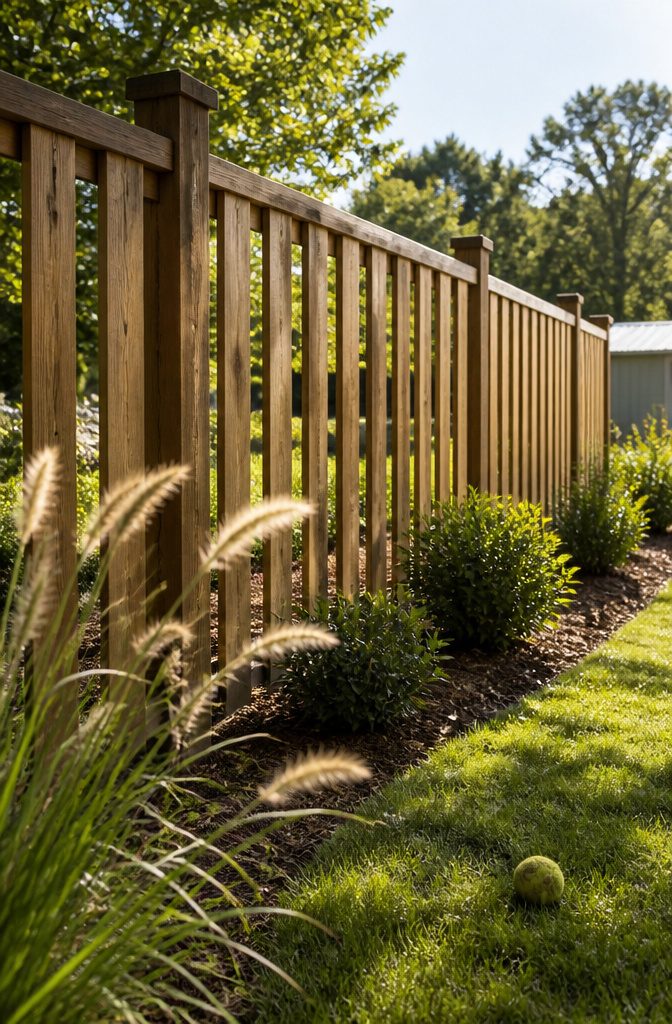
Spaced boards sit between a privacy fence and a picket fence. Each board stands apart from the next, so air and light pass through while dogs and small children stay inside the yard.
Gap width sets the balance: narrow gaps hide more of the yard and slow more wind, and wide gaps open the view and let in more sun.
Privacy is what you give up. Movement shows through the gaps, and a spaced fence never screens a patio the way a solid design does.
For a yard that needs to hold pets or kids and has a view worth keeping, I’d pick it over a solid fence. If neighbors look straight onto your seating area, I’d skip it.
Recommended Products

【Aesthetic Design: Natural Texture】Crafted from innovative material designed to mimic authentic bark texture and woven with earthy-toned ropes for a rustic look, this privacy screen blends seamlessly into natural surroundings. The tightly woven design (very limited spacing) provides complete spy-proof privacy while adding timeless style to gardens, balconies, and patios.

【Multifunctional Fence】 Equipped with ground spikes and base mounts, the privacy fence is able to be installed in both muddy road and cement floor. Ideal for outdoor garden decor.

Perfectly Protect Your Yard Privacy: 90% visibility blocking, prevent peeping outside the yard, block nose neighbors see through, protect safety and enjoy freedom. It can also prevent animals from entering your yard, block surrounding noise and street views, block dogs' sight and prevent bark.
Split Rail Fence
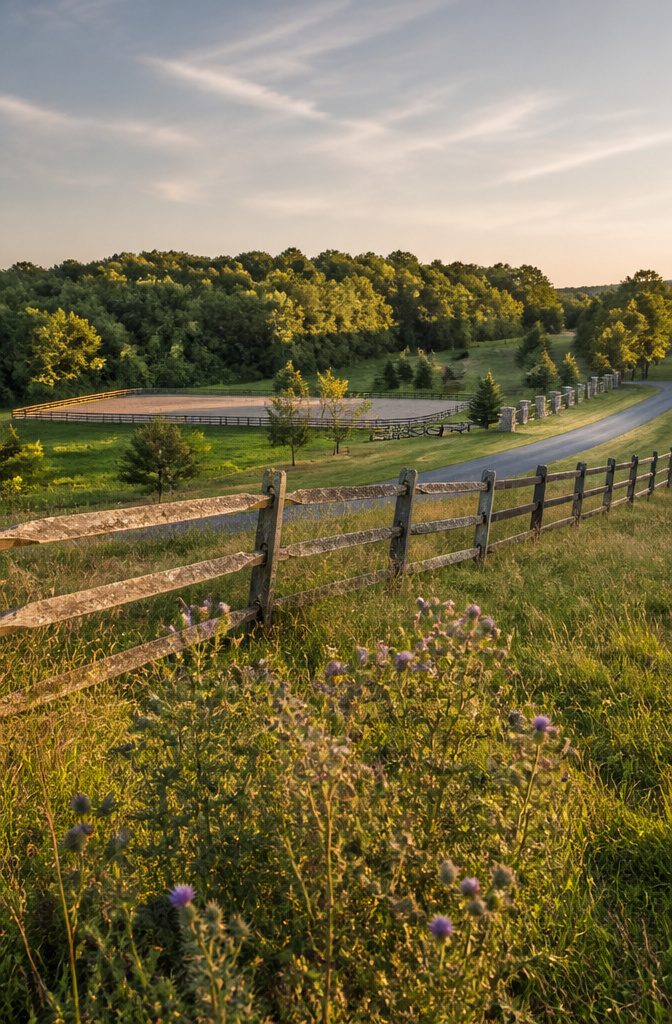
Split rail uses far less lumber than other wood fences, which cuts overhead costs and makes it the economical pick for fencing large tracts.
Its open, pastoral look suits a big property, a riding arena or a rustic front yard. Open rails are a poor barrier for pets or children, though.
Paddock fencing has a similar look, and oak paddock boards are one material option.
Estate fencing adds more substance. Its more intricate board pattern holds in pets, children or smaller livestock.
If one side of your lot faces a busy road, I’d use estate fencing on the road side and split rail or paddock fencing on the rest. The look stays consistent, and the higher cost goes only where containment matters.
Recommended Products

Backyard Privacy Enclosure: Our vinyl fence panel set includes 3 panels measuring 50 x 50 in, ideal for concealing outdoor items like trash bins, pool equipment, and air...
Choosing a Design for Your Yard
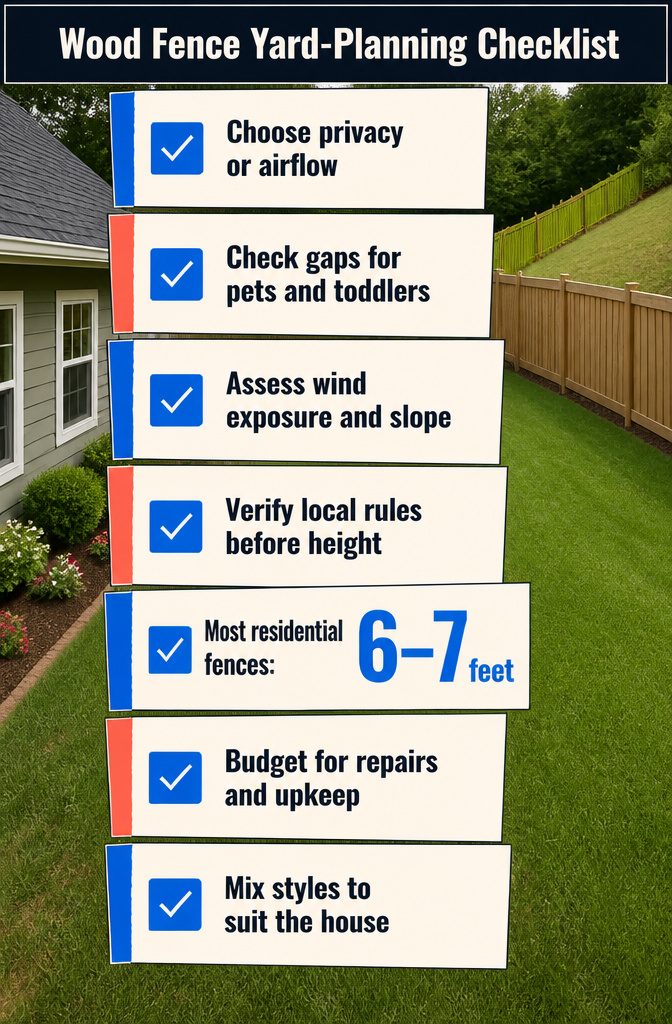
Start with the feel you want, then test each design against the yard.
- Privacy: solid-board designs block sight lines and soften street noise, but they also block airflow.
- Openness: spaced boards and pickets let breezes through and keep a small yard from feeling boxed in, with less screening.
- Pets and children: tall, tight designs keep dogs in. With toddlers or small dogs, look at the gaps.
- Wind and slope: a solid fence in an exposed yard takes the full push of the wind, and ignoring that is a common mistake. A sloped yard changes how the fence line sits, so settle it before you pick a style.
- Height: most residential fences run 6–7 feet, depending on local rules. Check regulations first to avoid fines.
- Budget and upkeep: choosing on price alone often ends in regret once repairs start.
- Mixing styles: a solid fence along the back and an open one at the front is fine, as long as both suit the house.
Wood Types and Posts
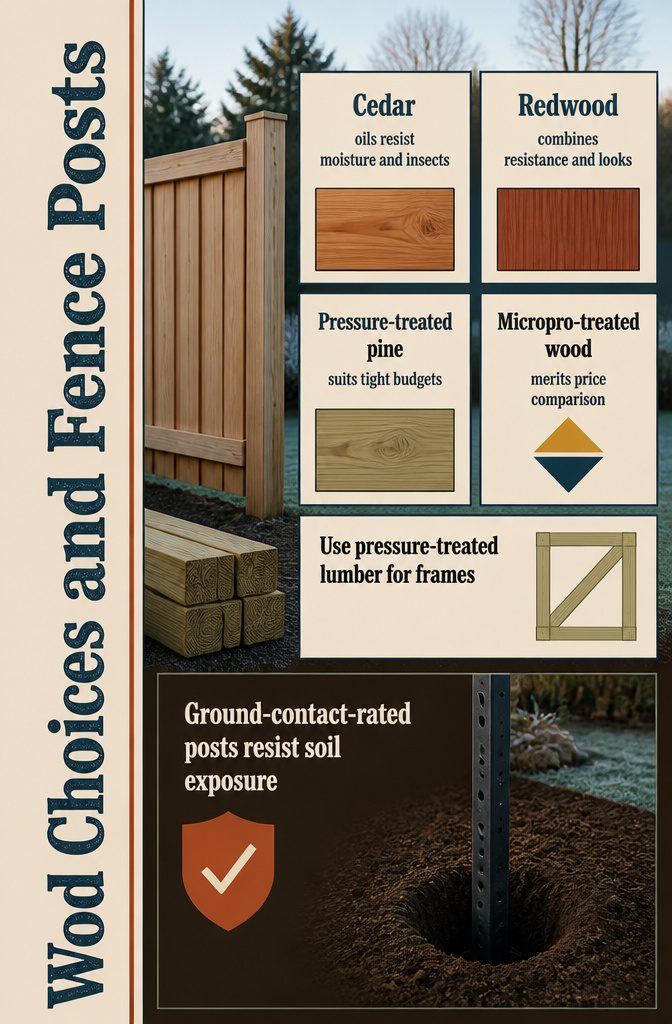
The boards get the attention, but the wood at and below ground level decides how long a fence stands. Your choices:
- Cedar is one of the most popular fence woods. Western red cedar has natural oils that resist moisture, decay and insect damage, and it is less prone than most lumber to shrink, swell, cup, twist or warp.
- Redwood is chosen for its natural resistance and its looks.
- Pressure-treated pine is the budget-friendly option.
- Micropro-treated wood is another treated choice to price against pine.
- The frame is built from pressure-treated lumber, which resists rot, decay, termites and weathering. That holds even under cedar boards.
- Buy ground-contact rated posts. Steel posts, often hidden inside wood panels, add strength where wood meets soil. I’d spend extra here before upgrading the boards.
Cost at $40–$60 Per Foot
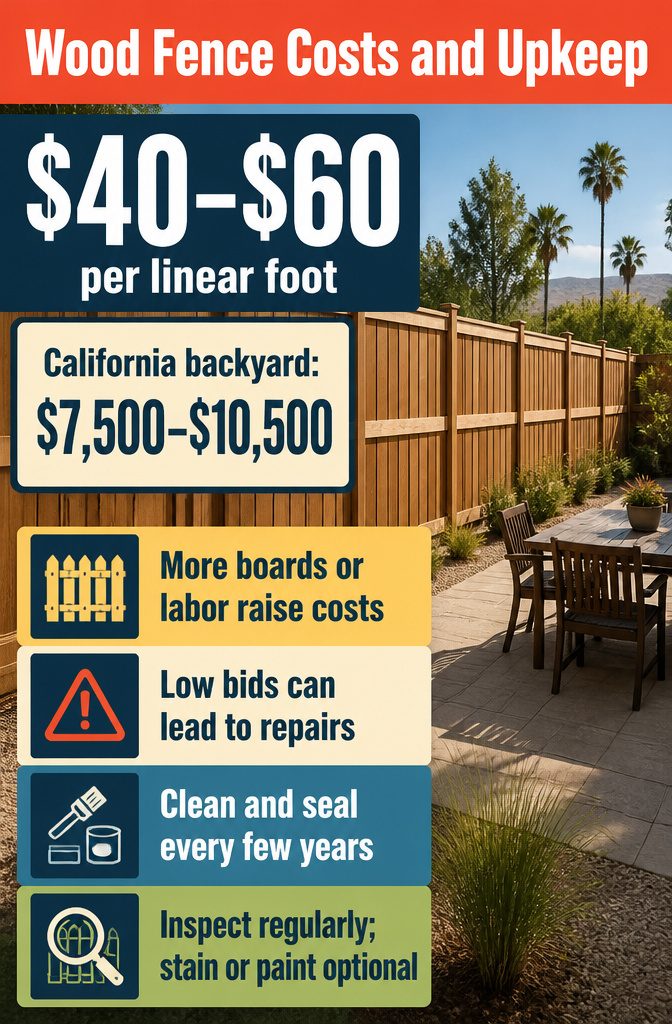
In 2025, most wood fences run $40 to $60 per linear foot. A full backyard privacy fence in California often lands between $7,500 and $10,500.
That is a California figure, and national averages sit lower. Style, materials and installation complexity move the price, so a layout that uses more boards or takes more labor to build costs more.
I wouldn’t pick a bid on price alone. A low quote that cuts corners on materials or workmanship tends to come back as repairs.
Budget for upkeep as well.
Clean and seal the fence every few years, and walk the line regularly to look for damage or wear. Staining or painting is optional.
Frequently Asked Questions
What is the most private wood fence design?
Board-on-board is the most private of the common wood styles.
The boards overlap, so no straight gap runs along the fence line, and the overlap also softens street noise. A tighter overlap gives more privacy and less breeze.
Are horizontal wood fences strong enough?
Yes, when the rails, posts and installation are right.
Put the budget into quality posts and rails before fancier boards. Steel posts hidden inside the wood panels add strength, and from the street the fence still looks like wood.
How tall can a wood fence be?
Most residential wood fences are 6–7 feet tall, depending on local rules. Check your local regulations before you build so you avoid fines.
Which wood fence design lasts the longest?
No single style wins, because lifespan depends on the materials, the posts and the construction.
Rot-resistant woods like cedar or redwood and ground-contact rated posts can extend how long a fence stands. The wood at and below ground level matters most, so spend there first.
Can I mix fence designs in one yard?
Yes. A solid fence along the back with an open one at the front works well, as long as both styles suit the house.
Another option is estate fencing on a road side and split rail or paddock fencing elsewhere, which puts the higher cost only where containment matters.
How often does a wood fence need maintenance?
Clean and seal a wood fence every few years.
Walk the fence line regularly to look for damage or wear. Staining or painting is optional.
How much would a 100 ft wood fence cost?
At the 2025 range of $40 to $60 per linear foot, a 100-foot wood fence runs about $4,000 to $6,000.
Style, materials and installation complexity move the price, so a design with more boards or more labor costs more. A very low bid that cuts corners often comes back as repair bills.









