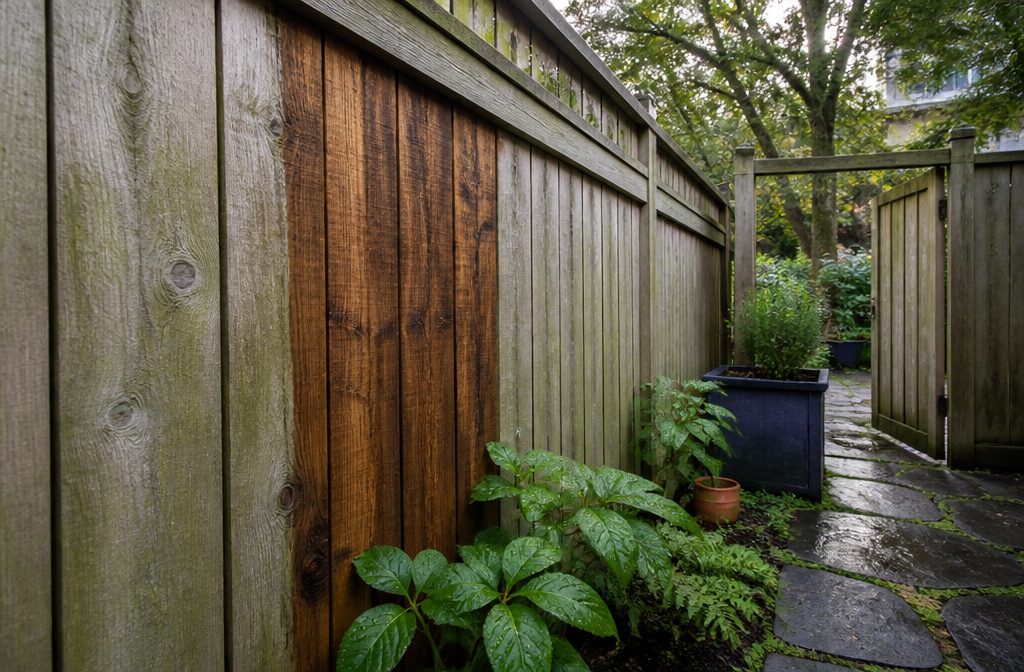
Staining a treated fence means soaking a semi-transparent oil stain into the boards, because pressure treatment guards against rot and pests but not weather.
The wood has to be dry first: sprinkle water on it, and if it beads instead of soaking in within a few minutes, wait several days and retest.
When the Wood Is Ready
Two timelines exist for new treated lumber: wait 3–6 months, up to a year depending on climate and sun exposure, or stain within weeks. YellaWood, whose lumber uses newer preservatives, takes the shorter view:
Ideally, you’ll want to stain pressure treated wood within six weeks after construction so long as the wood is sufficiently dry.
Dryness is the condition in both timelines, so I trust the water test over the calendar.
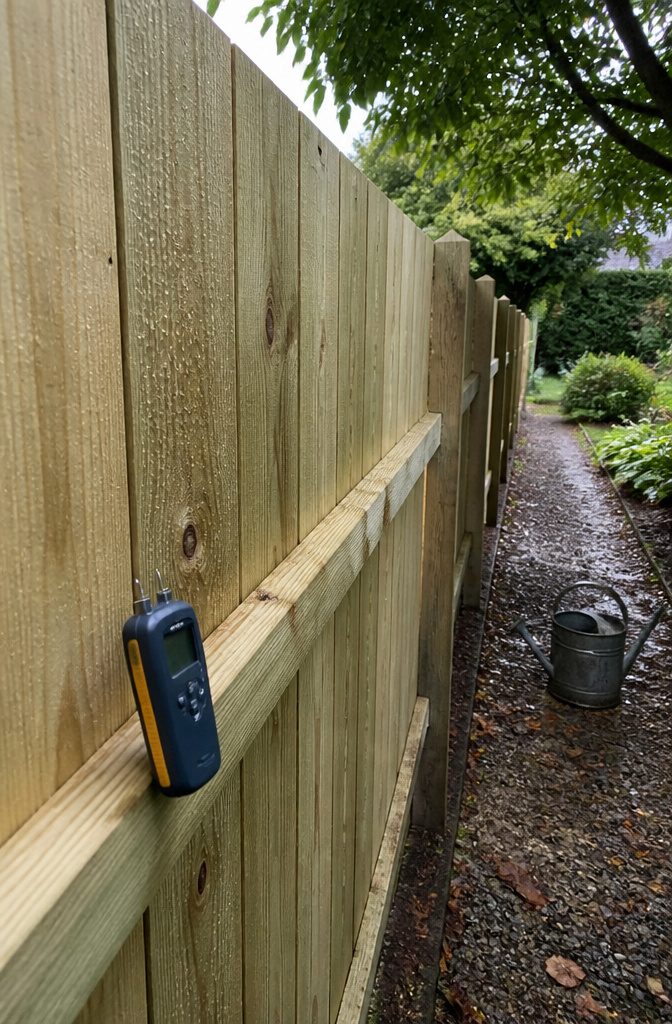
Sprinkle water on the wood: if it soaks in within a few minutes, the wood is ready, and if it beads, wait several days and retest. A moisture meter should read 15% or less.
Recommended Products

NO LAPS, RUNS OR STREAKS: Goof Proof formula with no back brushing required; ideal for exterior wood projects

NO LAPS, RUNS OR STREAKS: Goof Proof formula with no back brushing required; ideal for exterior wood projects
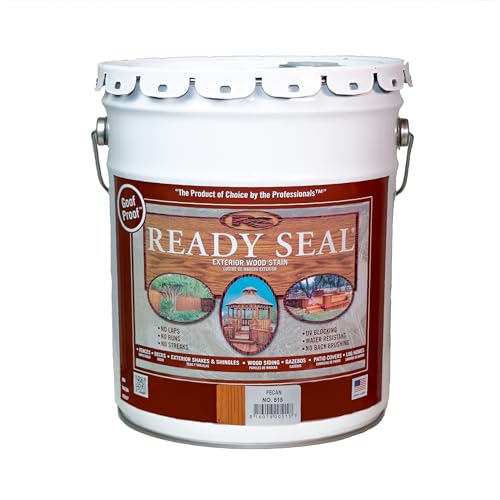
NO LAPS, RUNS OR STREAKS: Goof Proof formula with no back brushing required; ideal for exterior wood projects
Clean and Prepare the Wood
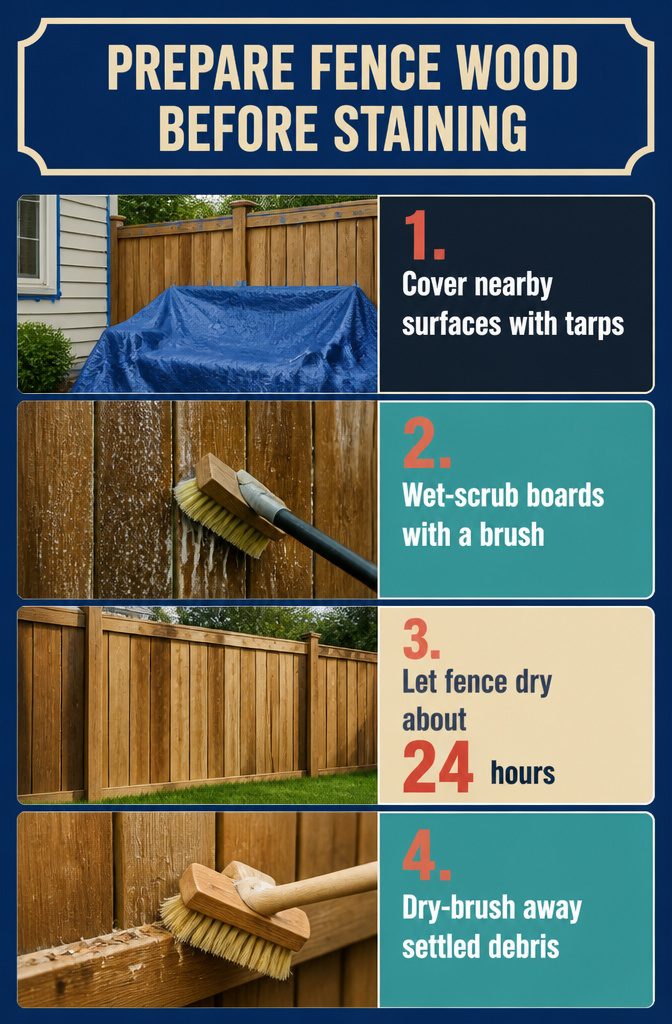
- Cover anything near the fence that you don’t want stained, like house siding or outdoor furniture, with tarps or painter’s tape.
- Wash the boards with deck cleaner or a mix of soap and water, and scrub with a brush while the wood is wet. A pressure washer also works, but too much pressure damages the wood. If you’re unsure of your settings, I’d stick with the brush.
- Let the fence dry for about 24 hours before opening the stain.
- Dry-brush the boards one last time to remove dirt, leaves and other debris that settled after cleaning.
Clean, dry wood lets stain soak in. Dirt gets sealed under the finish, and stain on damp boards can bubble, peel or penetrate poorly.
Recommended Products

Professional concentrate cleans decks, siding, driveways, and patios - perfect for homeowners preparing for BBQs, real estate agents staging homes, or contractors finishing jobs.

Cleans Cleans decks, Fences and other outdoor structures such as pergolas, gazebos and carports
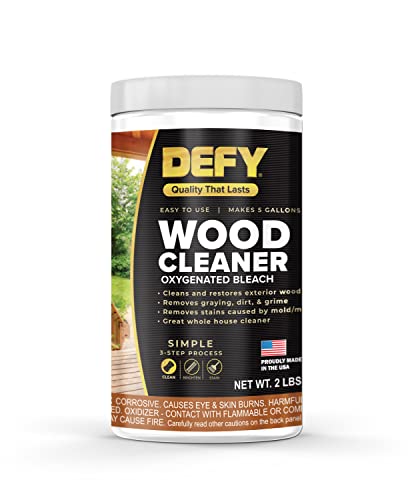
DEEP CLEANS WOOD SURFACES: Oxygenated bleach formula penetrates and opens wood pores for maximum stain absorption. Ideal for prepping decks and fences before staining or sealing.
Choose a Stain
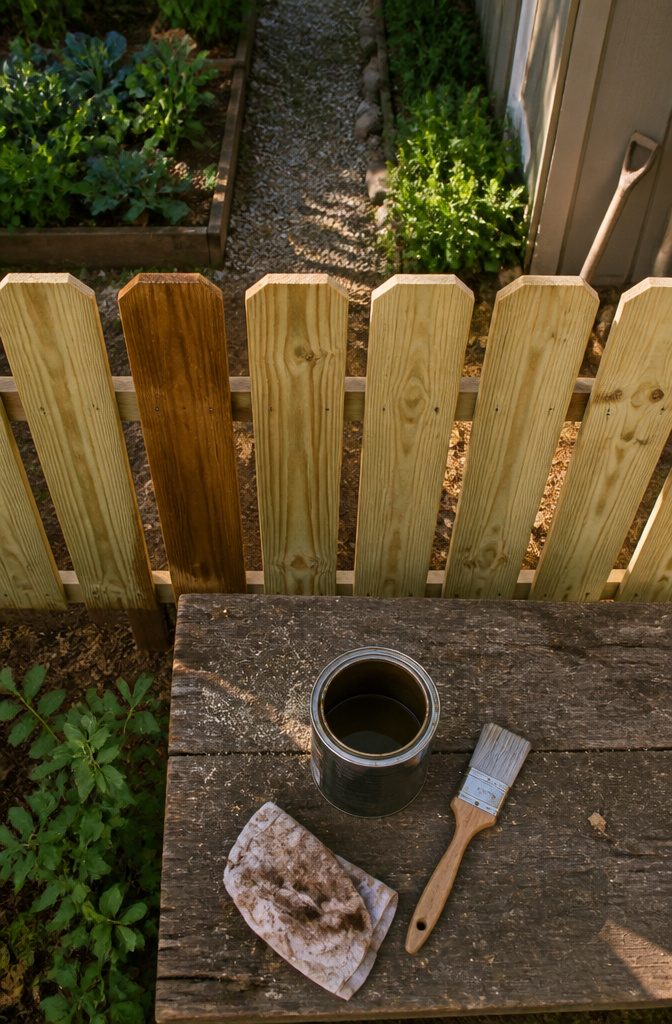
Opacity sets how much grain and color you end up with:
- Clear shows the wood’s natural color.
- Translucent adds a hint of color.
- Semi-transparent balances visible grain with added color.
- Semi-solid covers more heavily, with some grain showing.
- Solid covers like paint, with only a slight hint of grain. It suits aging or inexpensive wood.
For new pressure-treated wood, a semi-transparent oil stain is the usual pick. The treated wood is dense and absorbs poorly, so the stain has to penetrate rather than sit on top.
- Look for UV protection, water repellency and mildew resistance on the label.
- Brands to compare: TWP, Armstrong Clark, Cabot, Benjamin Moore Arborcoat and YellaWood Protector semi-transparent stain.
- Ready Seal is the easy one to apply.
Recommended Products
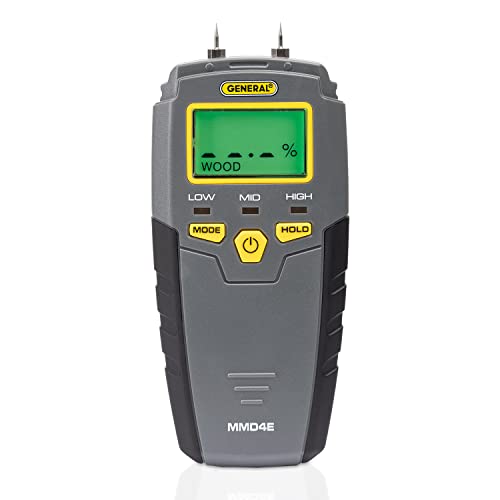
HUMIDITY SENSOR: Our handy meter tool can quickly determine what level of remediation is needed to keep your family safe from black mold. High levels of dampness that go untreated are the leading cause of harmful fungus growth in the home.

🌲【Accurate and fast measurements reveal hidden water leaks】: It has 2 high-precision pins that can penetrate the surface to be tested and quickly measure moisture content to estimate potential moisture increase throughout the home. COCZOW moisture meter is the ideal tool for measuring moisture.

WATER LEAK DETECTOR detects relative moisture content from leaks and flooding
Apply the Stain
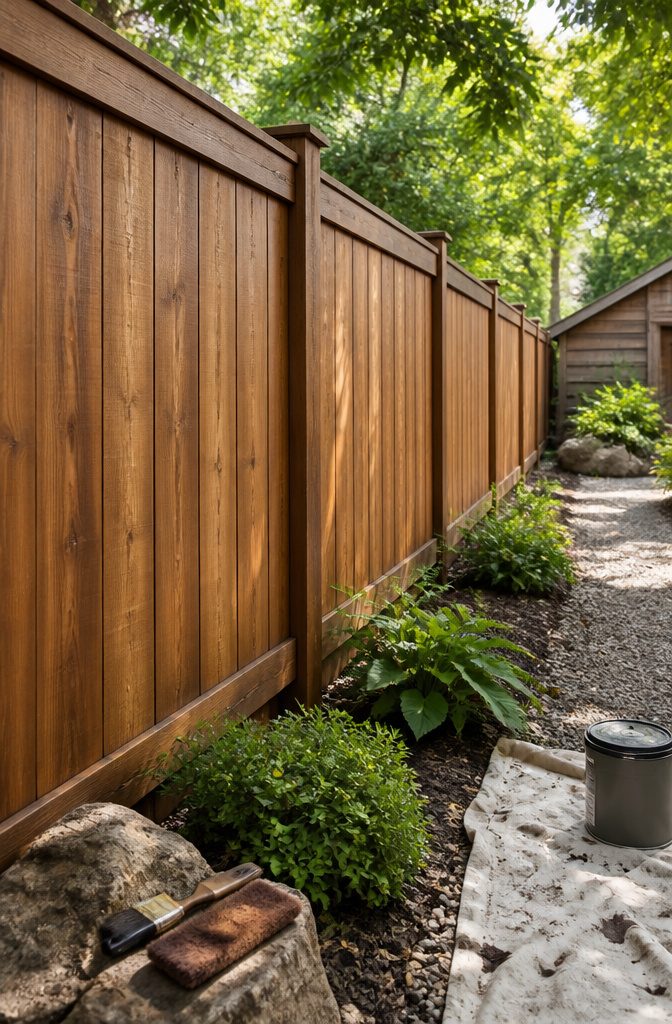
- Pick a tool: a synthetic-bristle brush, staining pad, roller or airless sprayer. A sprayer covers a long run fastest, but I’d keep a brush handy for gaps and board edges.
- Choose a clear, dry day and keep the work out of direct sun, which dries stain before it can level out.
- Work a few boards at a time, running from one end of the fence to the other instead of finishing separate sections.
- Back-brush right after the first coat goes on, so the stain works into the grain.
- Wipe away any puddled excess before it dries. Pooled stain is what leaves lap marks.
- Apply 2 coats in total.
- Let the stain dry and cure. Timing depends on temperature and humidity. If rain threatens, a cover is fine as long as it doesn’t touch the stained surface.
Recommended Products

Big Chip Brushes: 3 inch (75mm) wide Paint Brush allows for a wider stroke from small edges to large surface painting, and allows you to attain all of your decorating styles. It is specially used as a varnish brush, a masonry brush, a limewash brush or a paste brush. This disposable paint brush is economical and practical, also suitable for both interior and exterior painting works
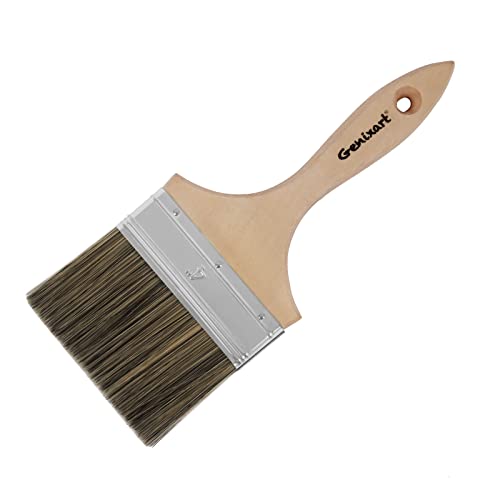
Big Chip Brushes: 4 inch (100mm) wide Paint Brush allows for a wider stroke from small edges to large surface painting, and allows you to attain all of your decorating styles. It is specially used as a varnish brush, a masonry brush, a limewash brush or a paste brush. This disposable paint brush is economical and practical, also suitable for both interior and exterior painting works
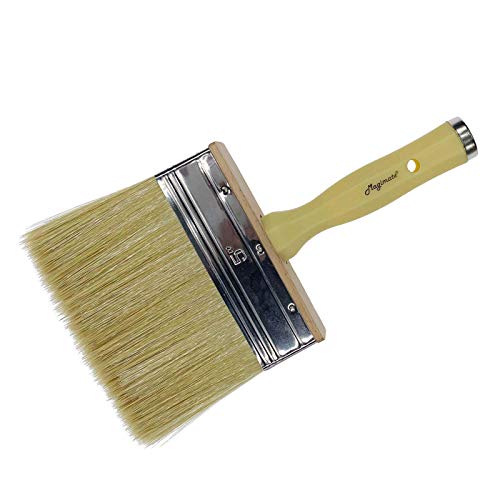
Brush Specs: 5” wide x 1” thick, soft synthetic filament blended with natural bristle. Hold more stain/sealer and paint smoothly, making your home improvement job a breeze.
Why Stain a Treated Fence
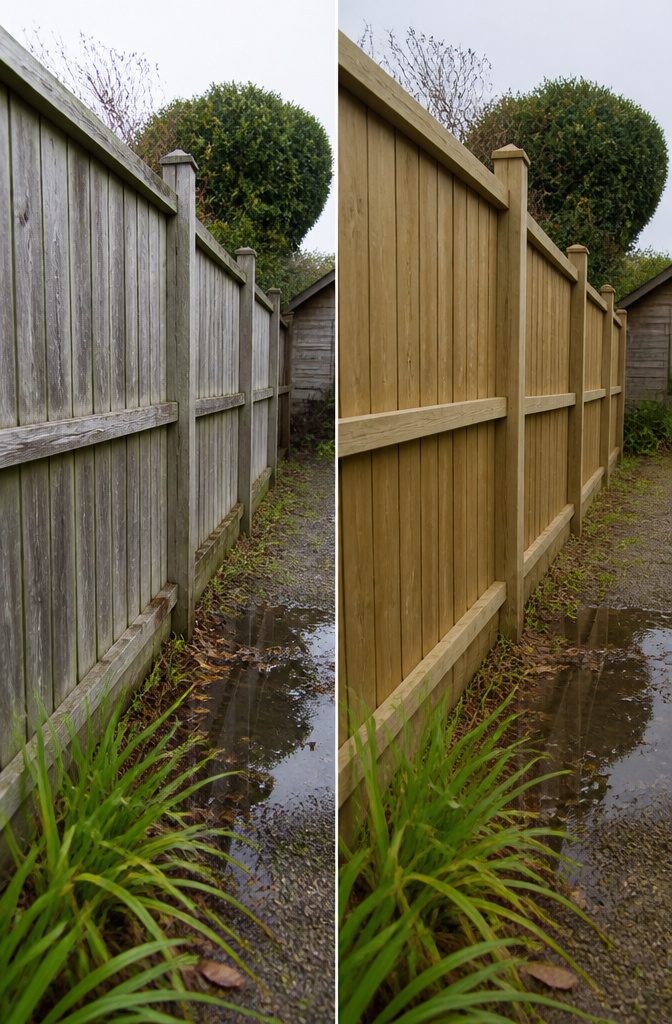
Pressure treatment protects fence boards from decay, rot and pests, but it does not protect them from weather.
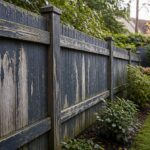
Rain and humidity make the wood swell, and dry spells shrink it back. Repeat that cycle season after season and the boards develop splits, cracks and checks.
Moisture and UV light add warping, fading and graying on top of that. The treatment itself leaves the surface vulnerable to both.
For that reason I count staining as part of building the fence, not an optional extra. A good stain shields the boards from the moisture and sun that cause the damage.
Recommended Products

Restores enduring water repellency to covers, tops, and fabric wet weather gear


ULTIMATE WATERPROOFING FOR OUTDOOR FABRICS - Designed for use on boat covers, car covers, bimini tops, sail covers, tents, jackets, backpacks, boots, awnings, and patio covers to provide reliable water resistance and protection from the elements.
Oil-Based vs Water-Based Stain
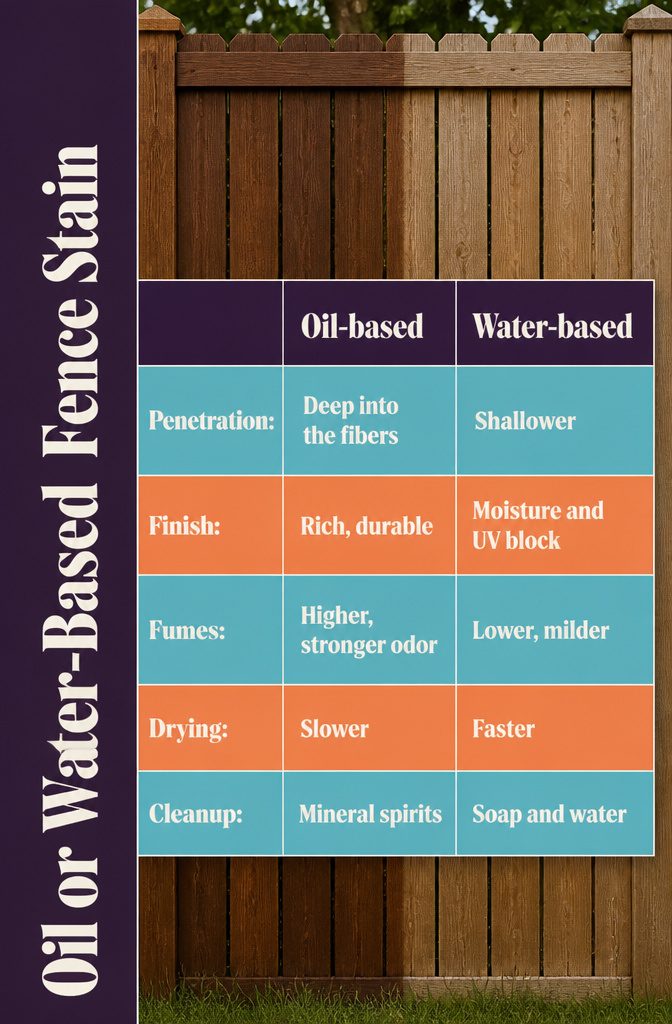
Oil-based stain soaks deeper and leaves a richer, tougher finish. Water-based stain gives up some of that for gentler fumes and easier cleanup.
| Oil-based | Water-based | |
|---|---|---|
| Penetration | Deep into the fibers | Shallower |
| Finish | Rich, durable | Blocks moisture and UV |
| VOCs and fumes | Higher, stronger odor | Lower, milder |
| Drying | Slower | Faster |
| Cleanup | Mineral spirits | Soap and water |
| Re-staining | n/a | Every 2–3 years |
For a fence you want to stain once and leave alone, I’d pick oil-based. Choose water-based if fumes or a short weekend matter more, and plan to re-stain every 2–3 years.
Recommended Products

READY-TO-USE DECK STAIN & SEALER: Olympic WaterGuard acorn brown semi-transparent wood stain and sealant combines color and waterproofing in one water-based, ready-mix coat.

ONE-COAT OIL-BASED WOOD STAIN: Flood Easy Seal mahogany semi-transparent stain and sealer covers decks, fences and siding in a single coat - no runs, laps or back-brushing.

UTILIZES ULTRA-FINE TRANS-OXIDE PIGMENTS:to highlight the wood’s grain and other positive characteristics, and increase resistance to UV rays.
Frequently Asked Questions
Recommended Products

Cleans house siding including vinyl, aluminum, stucco, wood and brick


Cleans driveways, walkways, patios and masonry
How long should I wait to stain pressure treated wood?
Wait 3–6 months for new treated lumber, up to a year in some climates or with heavy sun exposure.
Wood treated with newer preservatives, such as YellaWood, can be stained within 6 weeks if it is dry. Dryness is what matters, so check the wood with a water test instead of relying on the calendar.
How do I test if pressure treated wood is ready for stain?
Sprinkle water on the boards.
If it soaks in within a few minutes, the wood is ready; if it beads up, wait several days and test again. A moisture meter should read 15% or less.
Should you stain a pressure treated fence?
Yes, and the wood takes stain fine once it is dry. Pressure treatment protects against decay, rot and pests but not weather, so rain, humidity and UV light still cause swelling, cracks, warping and graying.
A semi-transparent oil stain is the usual choice because it soaks into the dense wood instead of sitting on top.
What color stain should I use on pressure-treated lumber?
For new wood, choose a semi-transparent oil stain, which adds color while keeping the grain visible.
Clear stain keeps the wood’s natural color, and translucent adds only a hint of color. Semi-solid and solid stains cover more, and solid suits aging or inexpensive wood.