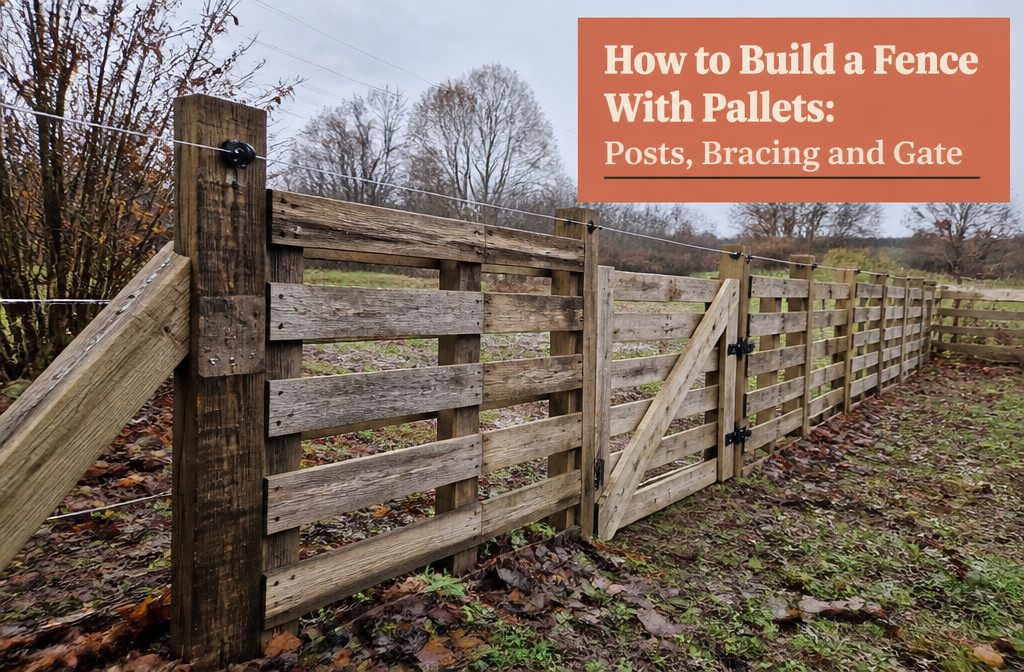
A pallet fence is a row of reclaimed shipping pallets screwed together and, for anything permanent, anchored to posts.
It works only on flat ground, and goats can clear it, so add electric wire. Pallets are free or close to it, or $2 each at a yard, but skip any stamped MB.
Choose Pallets and Check the Site
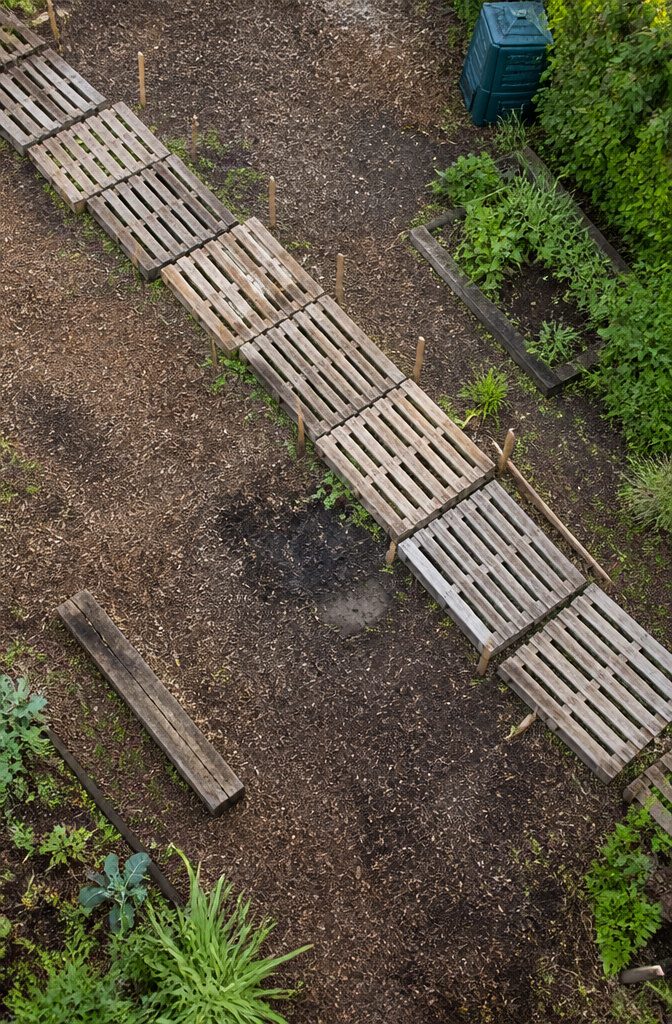
Pallet sizes vary more than most people expect. One builder found that "every pallet was a different size than any of the others," so even a stack from a single pickup can leave you with mismatched widths and heights.
Lay them all out, measure each one, and sort them into matching groups before you plan the fence line. Measure every pallet and check the site before you fasten anything.
The ground matters as much as the wood. A commenter warned that the no-post design "would only work on a very flat area," and I agree.
On a slope, pallets that stand on their own lean or leave gaps underneath. Walk the line, look for dips and rises, and mark where the ground changes.
Recommended Products

EASY ORDERING: Everything you need for your fence project is in the box except for the final post. Only ONE additional post, BL19112, is required for the end of your project. A gate is available by searching BL19111.

PET & CHILD SAFE: Create a safe outdoor play area for fur babies and children. Rest assured that this fence will create a sturdy barrier to protect your family.

TRUE ALL-ALUMINUM — BUILT FOR LONG-TERM VALUE: Ordinary steel or mixed-metal products can be progressing from surface corrosion to rust-through—often reported online within 0.5–2 years. So this is not simply about cosmetic maintenance—removing rust and repainting the surface. Once corrosion progresses to rust-through, the metal itself has deteriorated, potentially compromising the structural integrity and eventually requiring replacement of the affected component or structure. LukLoy post is built with a true all-aluminum structure for lasting outdoor over 30 years. it resists weathering, fading, and everyday exposure with less maintenance — a smarter long-term investment for your home.
Posts or No Posts
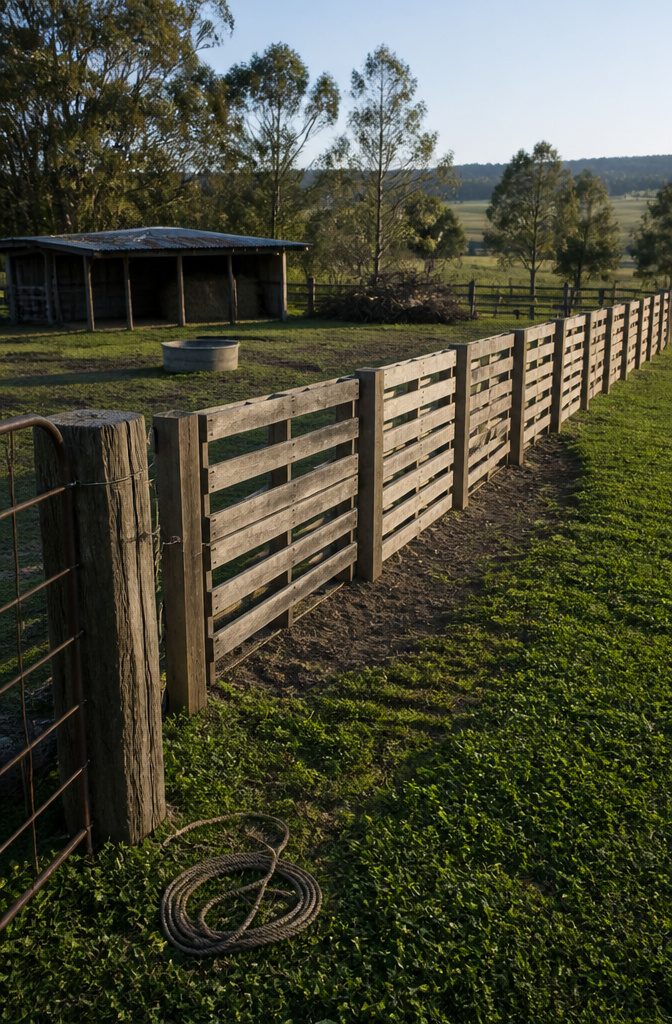
Pallets sitting at grade with no posts look simple, but nothing anchors them against wind or a leaning animal, and I wouldn’t call that design proven.
Posts give the fence something to hold onto. A 400-foot paddock fence, for example, uses widely spaced posts with cross pallets alternating between them, so the pallets brace each other while the posts do the anchoring.
Spacing decides how well that works. 3 pallets and a post is about the strongest rhythm, and longer gaps between posts sag over time.
For a short, temporary screen, going postless is a reasonable gamble. For anything permanent, set the posts first and fit the pallets to them.
Recommended Products
Safety Buckle Design: Add safety buckle design to prevent hanging objects from falling, even in high wind. Compared with ordinary ceiling hooks, the q hanger hooks are weatherproof and wind resistant, suitable for hanging outdoor patio string lights. No worry about items being knocked off, more secure

Package Includes: 20 x screw in ceiling hooks(black) with safety clips, 20 x drywall anchors and instructions.
Self Closing Adjustable: SANKINS Gate Hinges with Spring tension,Use the swing adjustment tool inside the series of small holes around the top of the hinge and place the stop (small rod) inside the hole to hold it in place.Adjust to the tension you want in order to achieve self-locking.
Connect the Pallets
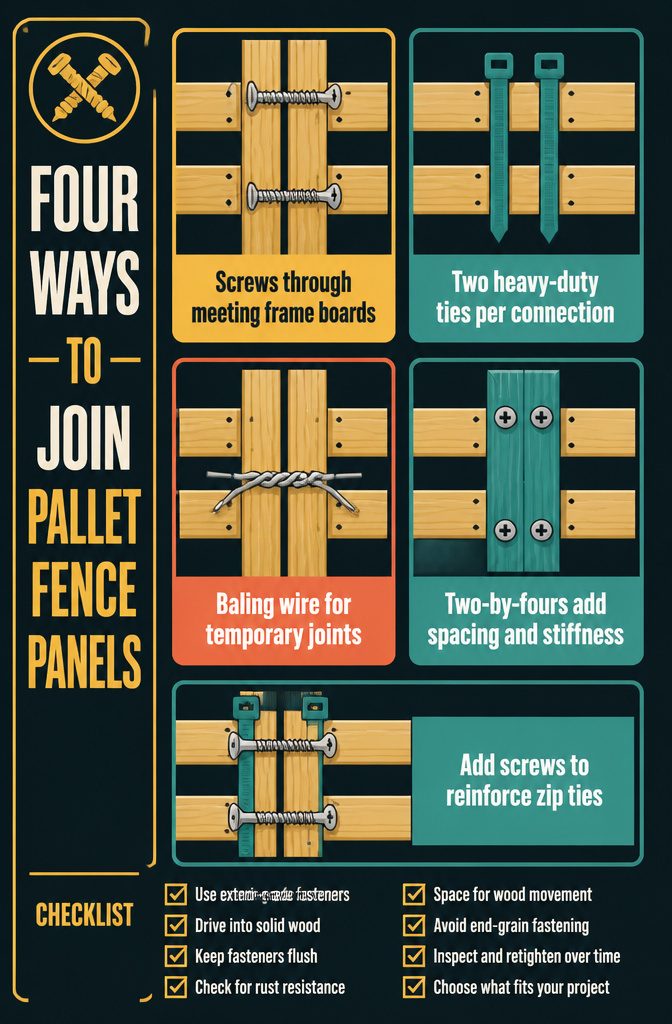
Pallets can be joined four ways, and they are not equally dependable.
- Screws are my pick for the main fastener. Drive them through the frame boards where two pallets meet. Nails would also work, but some readers worry they loosen as outdoor wood swells and dries, and screws resist that better.
- Heavy-duty zip ties went two to each connection on one chicken fence, with a few screws added here and there. That is quick and cheap, and screws make it hold.
- Baling wire lashes pallets together and cinches tight when twisted. I would use it where the joint is temporary.
- Pieces of 2-by-4, 1 to 2 feet long, can sit between pallets and be fastened to both. They add spacing and stiffness.
Reinforce for Animals and Snow
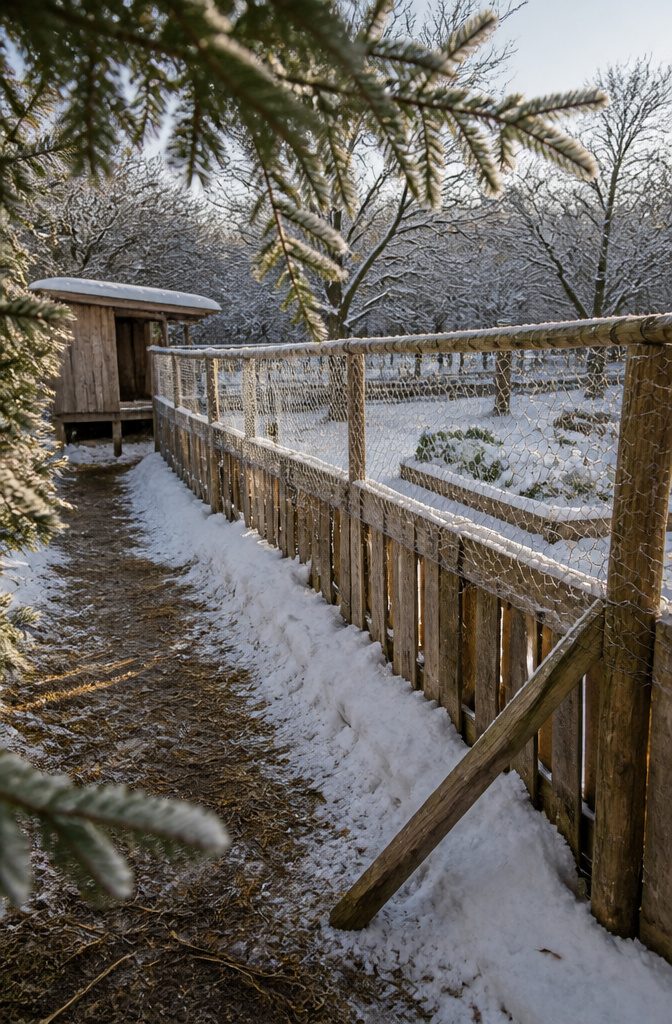
Pallet fences have held goats, pigs, chickens, cows and sheep for some builders, and failed for others. Goats are the clearest warning, since they can get over, so don’t count on pallets to contain them.
One builder with 4 laying hens watched the birds jump the fence, then added sticks along the top and stapled chicken wire to the pallets. Add height and wire before the animals test the fence, not after.
Weather results look better. One fence about 7 years old shows no rot, in a spot with around 15 inches of rain and up to 4 feet of snow.
Whether snow sat at the bottom or was pushed against the fence is unclear, and the load differs between the two, so brace any side that faces drifts.
Recommended Products
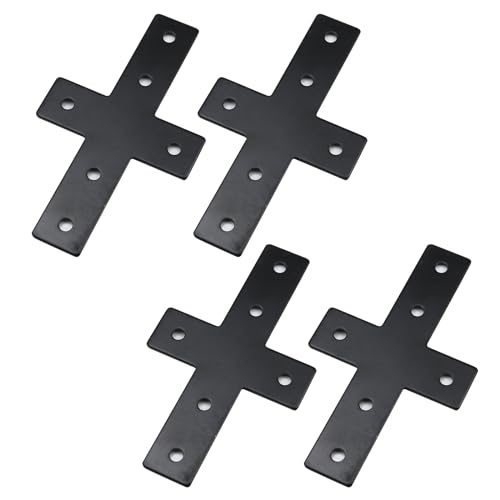
Total Size: 5.67" x 3.35" x 1.02" | 144mm x 85mm x 26mm; Package: 4 pieces Cross Mending Plate with screws included

Package Detail: our package includes a pack of 50 galvanized brace pins, tailored for a variety of tasks such as farm H- fence installation and general fencing work; Each pin is of adequate size and structured for effortless installation; They fit into standard 3/8-inch holes, making them user-friendly, suitable for addressing a wide spectrum of your fencing needs

Package Detail: our package includes a pack of 50 galvanized brace pins, tailored for a variety of tasks such as farm H- fence installation and general fencing work; Each pin is of adequate size and structured for effortless installation; They fit into standard 3/8-inch holes, making them user-friendly, suitable for addressing a wide spectrum of your fencing needs
Add a Gate
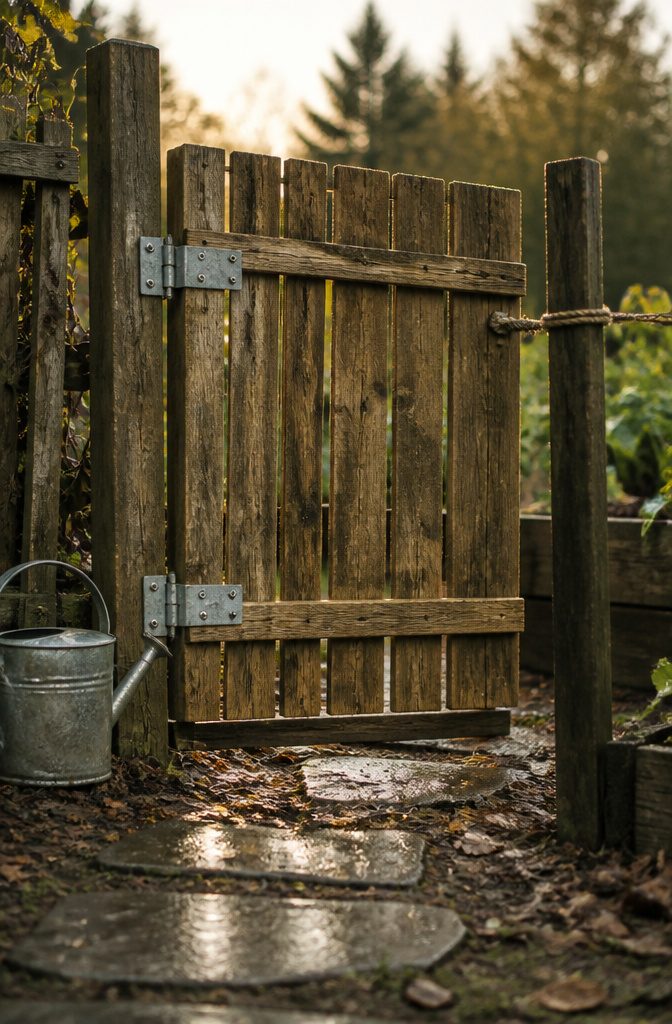
The simplest pallet gate is a single pallet hung on a couple of heavy-duty galvanized hinges. Galvanized steel resists rust outdoors, and heavy-duty matters because a pallet is a lot of wood for hinges to carry.
Set a pole at the latch side, then loop a piece of rope around the pole and the gate to hold it closed.
Rope keeps a gate shut but does not lock it, so this setup suits a vegetable bed or a dog run better than a yard facing the street.
For a more finished look, the Pallet Rustic Gate and the Sturdy, Stylish Pallet Gate are two designs worth studying before you start cutting.
Recommended Products

【Transform Your Outdoor Space】 You've built fences before, but let's redefine modern elegance together with wooden fence panels posts. The install privacy panels fence post delivers a swift installation process paired with timeless sophistication, empowering you to craft sleek, sturdy privacy barriers for gardens, patios, and backyards. Unleash your creativity—your dream sanctuary starts here.

Innovative Design: The fence post bracket set features a U-channel design—simply attach the brackets to the posts and slide in (3/4" x 5.5") wood planks to lock. Easy DIY installation and plank replacement, even for one person, saving time, effort, and labor costs in the short and long term

Rail Kit: you will receive 6 white vinyl rails and 6 matching caps that enhance your home's exterior appearance and extend outdoor performance; They add visual interest and a modern touch while blending smoothly with any white architectural scheme
Pallet Cost and Where to Find Them
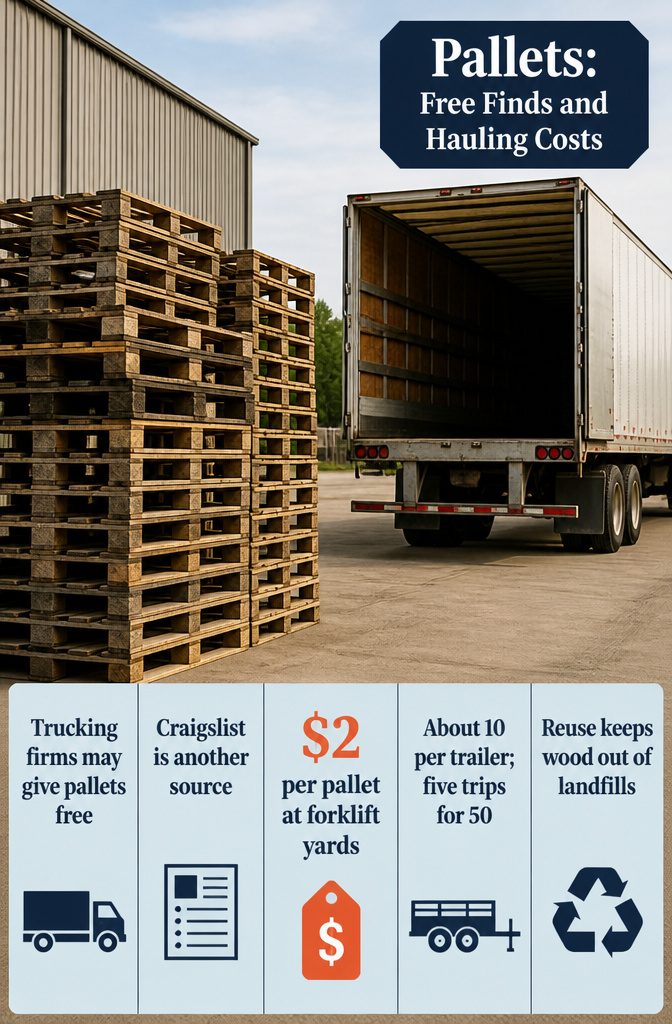
Pallets are free or close to it, so the real cost is finding enough of them.
Trucking companies are the best lead: they often have to take pallets back when they deliver, and one with a cracked board costs them more to repair than it’s worth.
Hauling it away saves them a dump fee. Craigslist is another place to look.
If free ones run out, a yard that loads by forklift charges $2 per pallet, which one buyer found cheaper per linear foot than field fencing. Reusing them also keeps wood out of landfills.
Plan the hauling. A trailer that carries about 10 pallets means five trips for 50, so ask about delivery before you commit.
Recommended Products
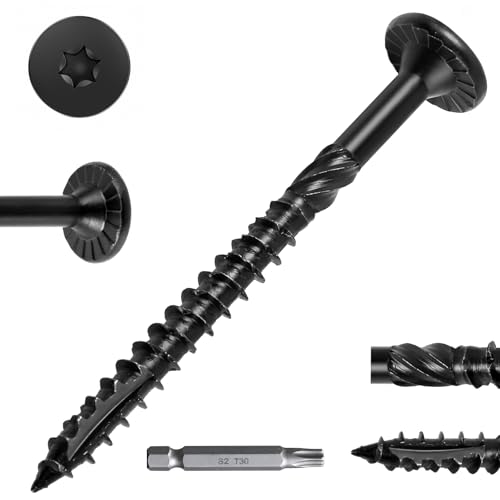
Quality Material: These Heavy-Duty wood screws are made of high-quality alloy steel and are compatible with ACQ-treated lumber. They are built to last and can withstand harsh outdoor conditions.

Sturdy & Strong:Our durable outdoor hooks are perfect for both indoor and outdoor use. Made with high-quality materials and rustproof coatings, they can hold up to 40 pounds and last for years. The outdoor light hooks are 2.2 x 1 inch, Whether you're hanging plants, lights, or decor, our hooks will securely hold them in place.

137PCS 3-INCH DECK SCREWS: The 2-pound package includes approximately 137 pieces of #10 x 3-inch deck screws and one matching T25 star drive bit. A practical exterior wood screw set for decks, fences, framing and general outdoor construction projects.
What a Pallet Fence Can Do
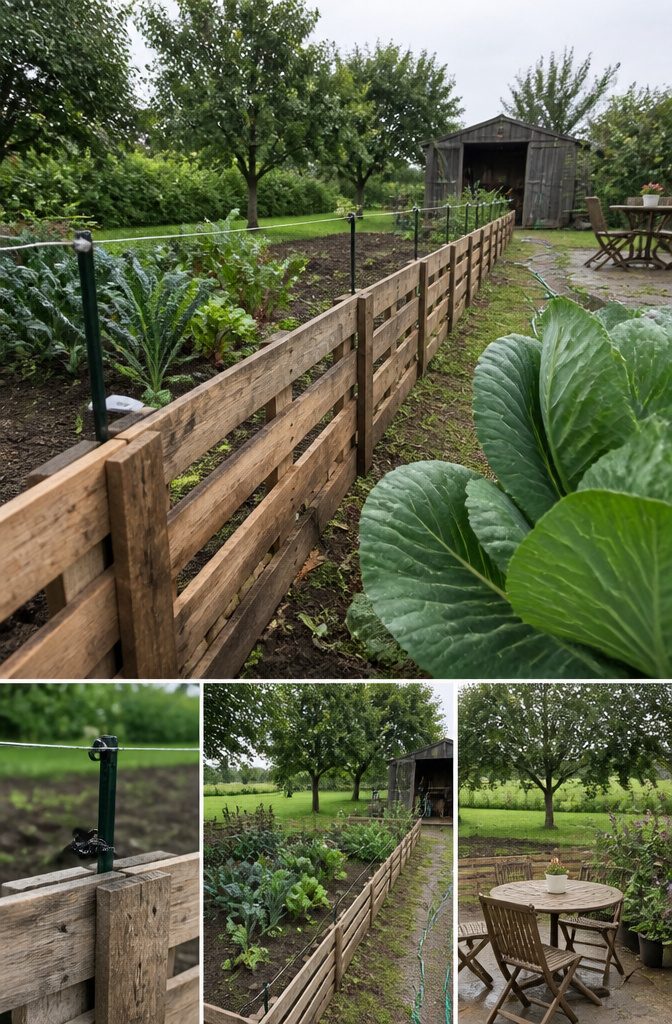
Pallets suit small jobs best: a run for 4 laying hens, a border that keeps pets and pests out of a vegetable bed, a privacy screen beside the patio, or a low divider between lawn and seating.
Poultry runs and garden borders are the easiest wins because neither pushes hard on the boards.
Bigger animals change the answer. One pallet design has held goats and pigs in a very wet Washington climate, yet zigzag layouts and steel-post versions failed, and other goats cleared a pallet fence without slowing down.
For goats, add electric wire instead of trusting pallets alone.
Plan the run on flat ground, since rigid pallets won’t follow a slope.
Recommended Products
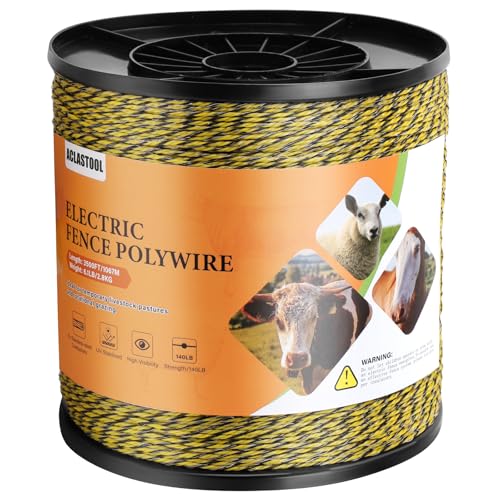
【Strength You Can Count On】ACLASTOOL electric fence polywire is upgraded to a 1/8" diameter, woven with high-quality stainless steel and 15 thicker polymer strands, providing a 140-pound breaking strength. It is tough for animals to crash through, saving farmers and ranchers from the hassle of frequent fence replacements or repairs.

🚧【High quality material Upgraded Electric Fence Polywire】This Electric Fence Polywire upgrade to 1/8'' diameter polywire, Contains 6 stainless steel conductors, which provides lower resistance and reliable conductivity.Electric fence polywire is good ideal for temporary fencing. The color is bright and distinct from the surrounding environment,easy to see.

【⚠️ Designed for Livestock Only】This electric fence netting is designed for sheep, goats, pigs, cattle, deer and other livestock. Not recommended for chickens, ducks or other small poultry due to mesh spacing
Read the Pallet Stamps
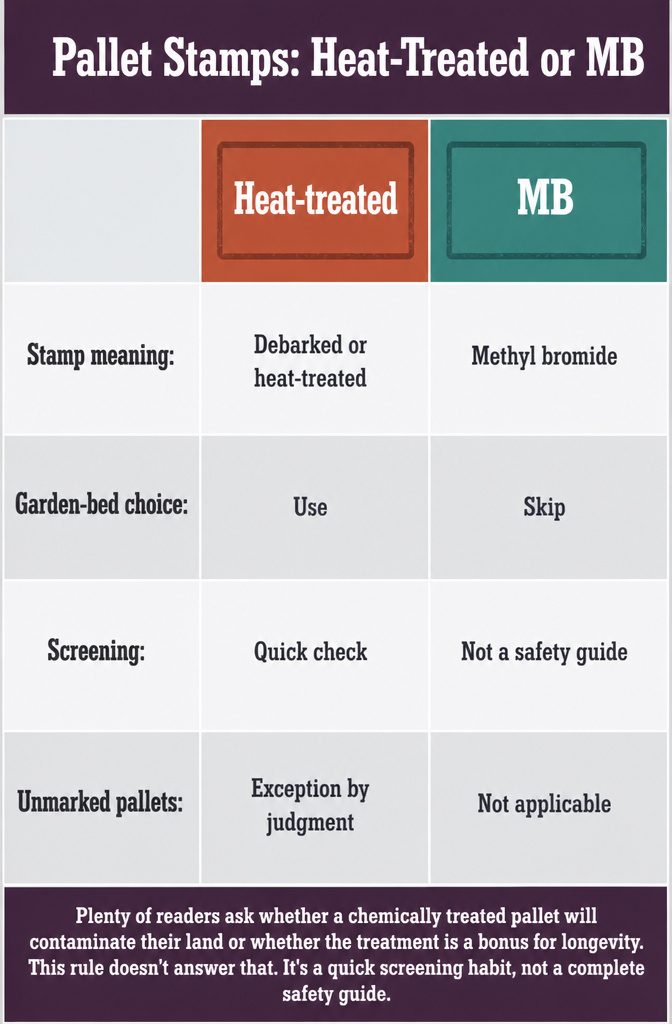
Check each pallet for a stamp. DB-HT or HT means debarked and heat-treated, or simply heat-treated, so the wood was not chemically treated.
Skip anything stamped MB, which stands for methyl bromide. Some pallet collectors follow exactly this rule, and I’d use it for any fence that borders a vegetable bed.
Unmarked pallets are a judgment call; a collector might take one that is just the right size or strength, but I’d treat that as the exception.
Plenty of readers ask whether a chemically treated pallet will contaminate their land or whether the treatment is a bonus for longevity.
This rule doesn’t answer that. It’s a quick screening habit, not a complete safety guide.
Recommended Products

Complete Fence Pack: This set includes 50 durable fence brace pins, each measuring 5 inches long and 3/8 inch in diameter to fit standard brace holes. Designed for H-brace assembly, wood post reinforcement and general fencing work, this bulk pack ensures you have enough reliable hardware on hand to complete installations, repairs and maintenance projects efficiently.

FITS STANDARD WOOD RAILINGS: Designed for standard 2x4 wood railings measuring 1.5" x 3.5", these black privacy fence brackets provide side support for wooden fence and deck rails, with a C-shaped holder that fits around the board.
Frequently Asked Questions
Recommended Products

Innovative Design: The wooden fence panels posts features a U-channel design—simply attach the brackets to the posts and slide in (3/4" x 5.5") wood planks to lock. Easy DIY installation and plank replacement, even for one person, saving time, effort, and labor costs in the short and long term

Backyard Privacy Enclosure: Our vinyl fence panel set includes 3 panels measuring 50 x 50 in, ideal for concealing outdoor items like trash bins, pool equipment, and air conditioners, keeping your backyard neat and attractive while meeting HOA guidelines
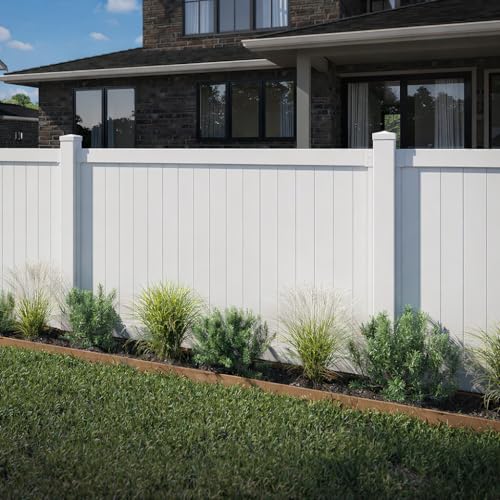
FINISHING POST REQUIRED: This vinyl fence is designed to scale, so you will need to order a finishing post to complete your yard fence or pool fence project (item BL19042). A compatible gate is available by searching BL19106.
How do you attach pallets together?
Use screws driven through the frame boards where two pallets meet. Nails can work, but they may loosen as outdoor wood swells and dries.
Short pieces of 2-by-4, 1 to 2 feet long, fastened between pallets add spacing and stiffness. Zip ties or baling wire suit lighter or temporary joints.
Can you build a pallet fence without posts?
Only on very flat ground, and even then nothing anchors the pallets against wind or a leaning animal.
A short, temporary screen can get away with it. For a permanent fence, set posts first and fit the pallets to them, with about 3 pallets between posts.
Will snow rot a pallet fence?
One fence about 7 years old shows no rot in a spot with around 15 inches of rain and up to 4 feet of snow.
It is unclear whether snow sat against the bottom of that fence, so treat it as encouraging rather than proven. Brace any side that faces drifts, because pushed snow puts extra load on the fasteners.
Are treated pallets safe to use for a fence?
Pick pallets stamped HT or DB-HT, which means heat-treated only, and skip any stamped MB for methyl bromide.
Whether a chemically treated pallet contaminates soil is not settled here, so use the stamp as a screening rule, especially beside a vegetable bed. Unmarked pallets are a judgment call.
What is the cheapest way to make a temporary fence?
A short pallet screen with no posts, joined with baling wire, is about as cheap as it gets, since pallets are free or close to it.
Trucking companies are the best place to ask. If free ones run out, a yard that loads by forklift charges $2 per pallet.