Your house picks the color, whether that runs from black or white to cedar stain, gray or navy. Repeat its siding, trim, roof or stone, or contrast with them.
New pressure-treated lumber must wait 2–3 months before paint or stain can penetrate. Cedar is the exception and can be finished early.
1. Black or Charcoal
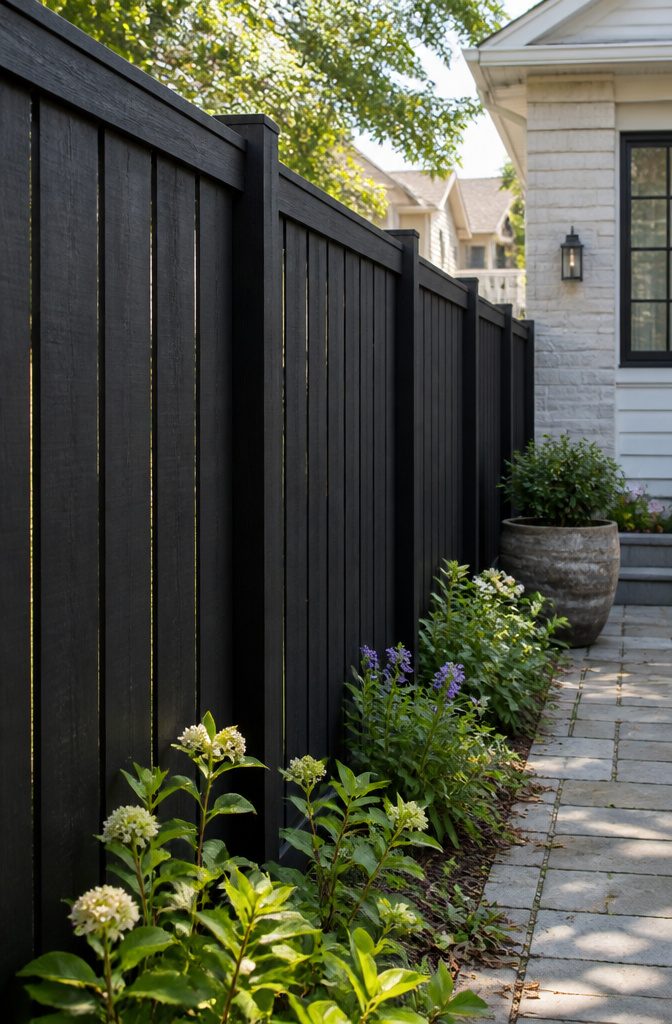
A black fence recedes visually, so plants, flowers and stone read as the foreground and a small yard feels larger. It suits modern homes and looks sharpest against a white or light house, where the contrast frames the property.
Sherwin-Williams Tricorn Black (SW 6258) is one of the truest, flattest exterior blacks. Benjamin Moore Black Iron (2130-20) is my pick if pure black feels harsh, since its subtle charcoal depth still reads as near-black.
With little greenery, a semi-transparent black stain gives the same effect and shows the wood grain. Dark colors may fade sooner in strong sun.
Recommended Products

Penetrates & Seals for Long-Lasting Protection – Creates a durable, weatherproof barrier that helps prevent rot, decay, and rust.

ELEVATE OUTDOOR STRUCTURES: Refresh barns, fences, sheds, and exterior surfaces with durable paint that delivers long-lasting color and protection.
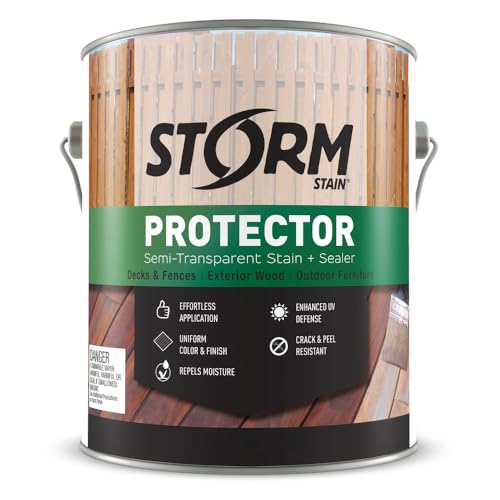
STORM PROTECTOR: Storm Protector is a penetrating, semi-transparent stain and sealer that highlights the natural beauty of the wood grain while providing protection from Mother Nature.
2. White or Off-White
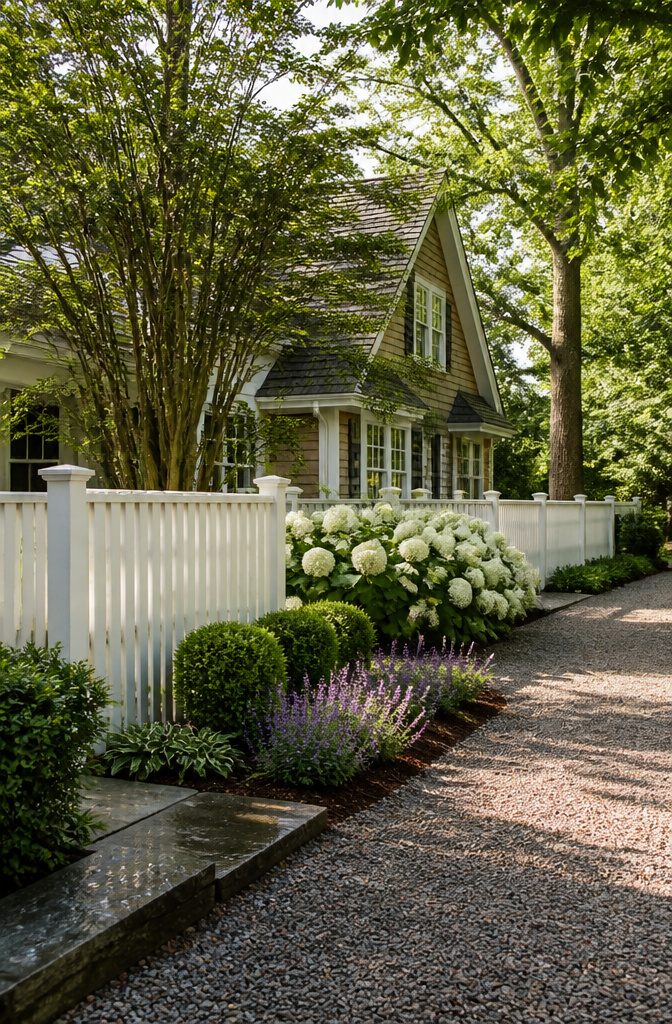
White frames a garden more cleanly than any other fence color, which is why it suits traditional and Colonial homes so well.
On a house with warm undertones, Sherwin-Williams Alabaster (SW 7008) is a creamy white that skips the harshness of a bright one.
A newer build looks better with the crisper, cooler Benjamin Moore Chantilly Lace (OC-65). A gray house with a white fence is another clean pairing, because the fence reads like trim.
Light colors draw the eye forward, so a small yard can feel even smaller.
White also shows dirt faster than darker shades. I’d choose a satin or semi-gloss exterior finish, which protects against moisture and wipes clean more easily than flat paint.
Recommended Products

Ideal for use on interior/exterior surfaces including wood, plastic, plaster, metal, masonry and unglazed ceramic

PAINT & PRIMER IN ONE – Pure White Semi Gloss acrylic paint combines paint and primer in one formula, delivering strong adhesion, smooth finish and easy application while reducing project time.

Made in United States
3. Natural Wood Stain
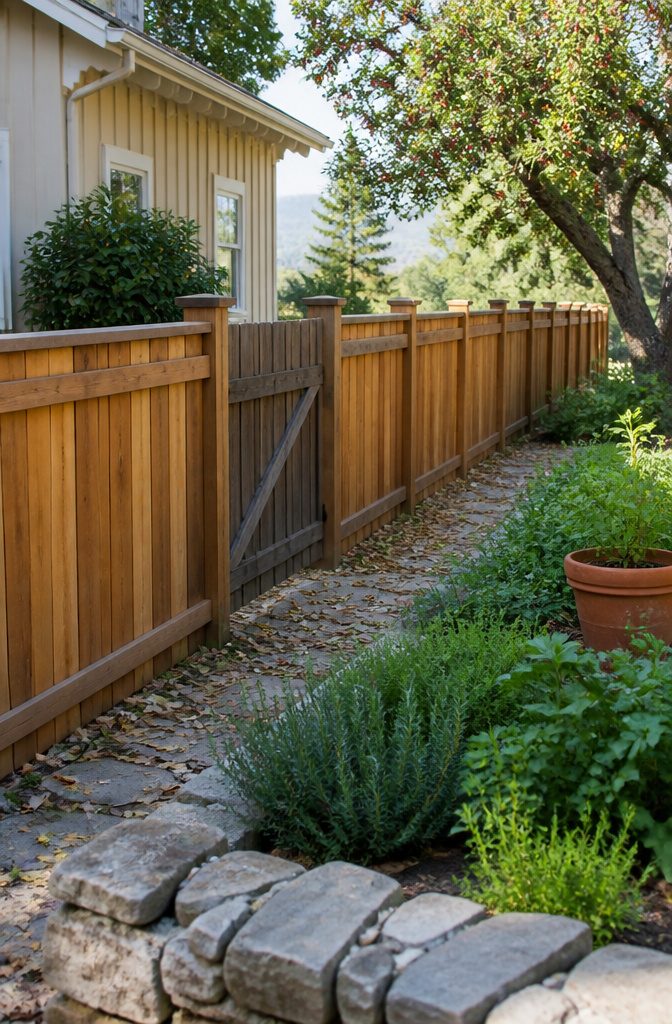
Stain keeps the grain visible, which is why it looks warm and organic against a beige or warm off-white house.
It also suits farmhouse and rustic homes, especially in warm cedar, rich oak or a weathered gray. Cedar, redwood and oak flatter best, and a professionally applied stain brings out their grain while protecting the wood from the elements.
Timing matters on new lumber. Most of it should wait 2–3 months before staining, because the preservatives in it keep the finish from soaking in.
Cedar is the exception. It comes already dried, so I’d stain it early, before weathering sets in.
Expect to restain or repaint every few years. That upkeep is the price of the look.
Recommended Products

NO LAPS, RUNS OR STREAKS: Goof Proof formula with no back brushing required; ideal for exterior wood projects
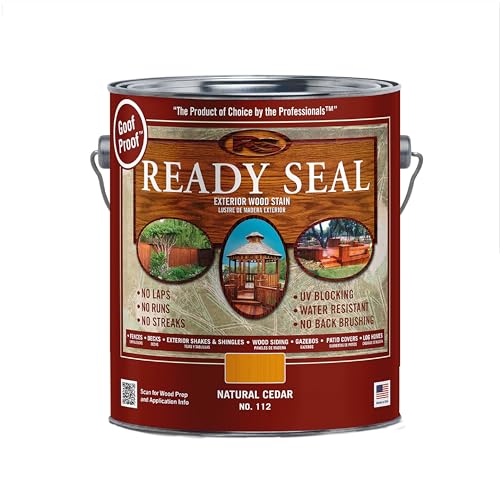
NO LAPS, RUNS OR STREAKS: Goof Proof formula with no back brushing required; ideal for exterior wood projects
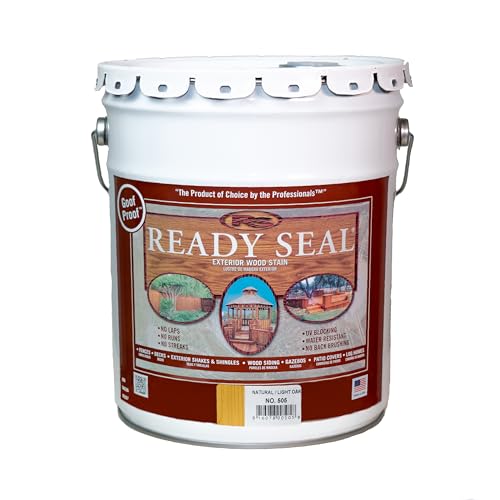
NO LAPS, RUNS OR STREAKS: Goof Proof formula with no back brushing required; ideal for exterior wood projects
4. Light or Deep Gray
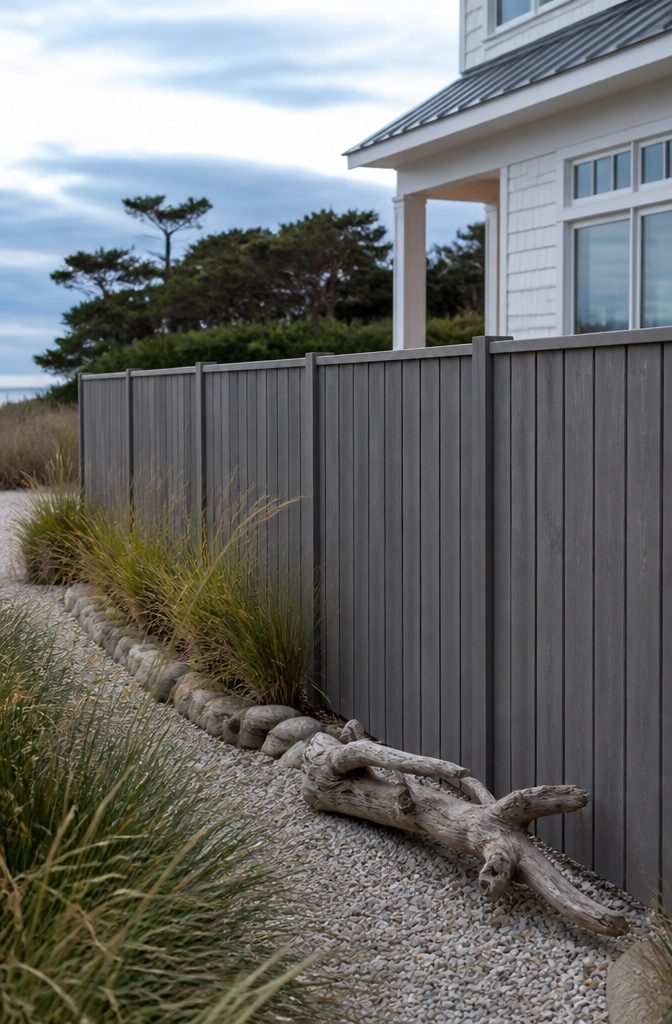
Gray goes in two directions. A light coastal gray like Sherwin-Williams Gull Wing (SW 7642) suits beachy yards, where weathered driftwood tones feel natural, and it sits well against white or warm-toned siding.
A deep, warm charcoal like Sherwin-Williams Peppercorn (SW 7674) looks polished and modern, with real presence short of full black.
It shows best against lighter siding. Both come in exterior formulas, on painted wood or as a solid color stain.
Gray pairs with nearly any siding, but it works best as a fence color against other tones. On a gray house, a crisp white fence already reads clean and timeless, whether the siding is pale silver or deep slate.
Recommended Products

【STAIN & SEAL】- DWIL Outdoor Wood Stain combines staining and sealing in one product. It penetrates deeply into the wood to nourish and protect it from the inside, while adding beautiful bleached gray color. At the same time, it forms a protective seal on the surface to increase durability and help resist everyday wear and tear.

Vibrant Color Transformation: Bring fences and wood features to life with color that pops and resists fading

OPAQUE FINISH W/ UV PROTECTION: #1 Deck Premium wood stains provide full coverage with an opaque finish, completely hiding the natural wood grain while protecting against fading, graying, peeling, and mildew from UV exposure
5. Blue and Navy
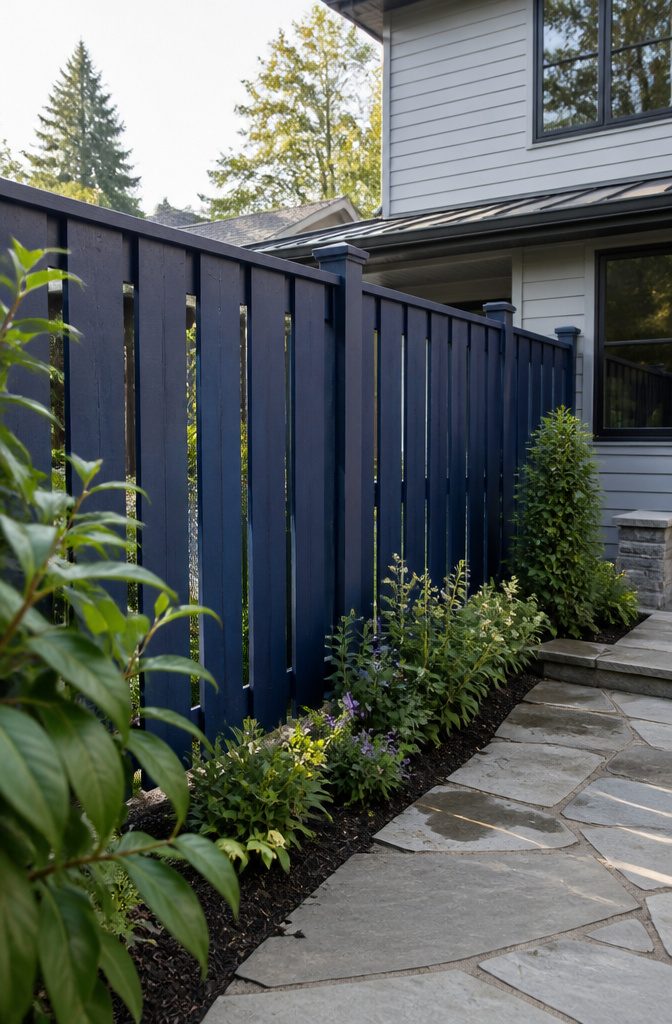
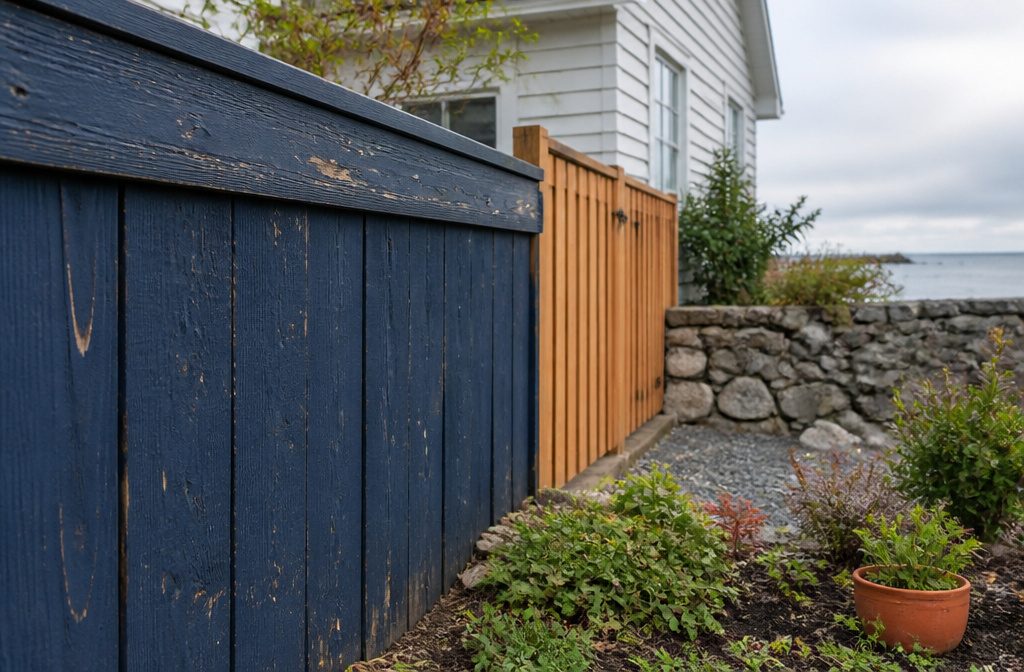
Blue is a good match for a house already painted gray, white, beige or another soft neutral. The fence adds contrast and makes the house stand out instead of blending into the yard.
Deep navy suits modern homes with clean lines and simple forms, where it frames the house and highlights architectural details. Plants look brighter against it too, because a deep, saturated color makes greenery pop.
I lean toward navy over a lighter blue for most yards, since it reads as a deliberate choice.
It is still the boldest of the five colors here, so test a sample patch on one board and check it in morning and evening light before you paint the whole run.
Recommended Products
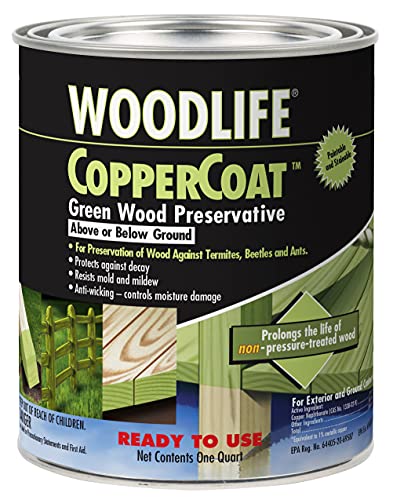
EPA-registered, insecticidal exterior wood preservative prevents attacks from termites and other wood boring insects while protecting against rot and decay
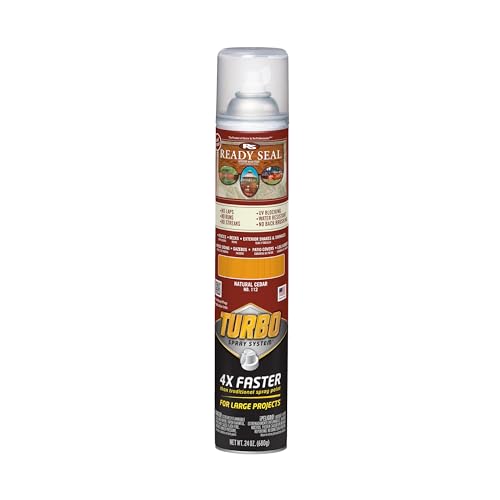
NO LAPS, RUNS OR STREAKS: Goof Proof, oil-based formula now equipped with the powerful Turbo Spray System; ideal for exterior wood projects

Perfect Fit: These 4x6 post caps are for pressure-treated wood posts measuring 3.5 inches x 5.5 inches up to 3.75 inches x 5.75 inches. These caps slide down post 1.5" and are secured with our patented Snap-Cap installation method.
Match the Fence to Your House
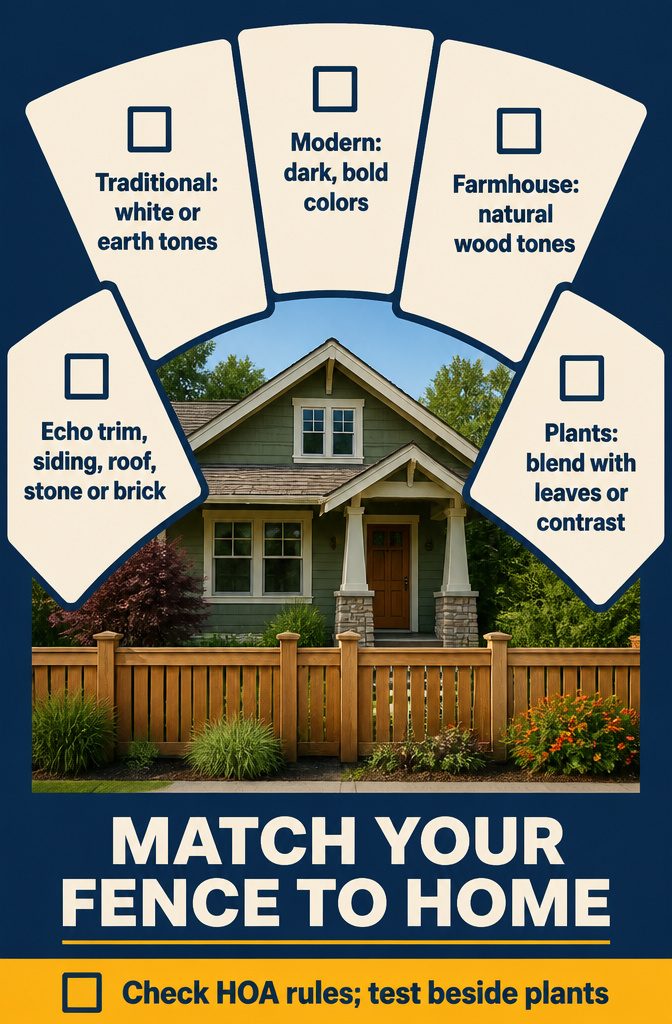
Start with the house, then choose a direction:
- Trim, siding, roof, stone or brick: repeat one of these colors, and the fence reads as part of the property.
- Style: white or earth tones suit traditional and Colonial homes. Dark, bold colors suit modern ones. Natural wood tones fit farmhouse and rustic. Warm, muted colors fit Craftsman and Mediterranean.
- Pairings: a white house takes black or dark gray, a beige house takes natural wood, and a boldly colored house takes a contrasting fence.
- Plants: a fence in leaf and bark tones fades back, while a contrasting color makes it a backdrop.
- Mood: light tones feel bright and welcoming, dark ones modern and sophisticated, natural wood warm and organic.
I’d check HOA rules on approved colors, materials and heights before buying paint, then brush a test patch beside your plants.
Recommended Products

Water-based wood stain creates rich, even color in 1 coat on most surfaces

HIDES WOOD GRAIN – Minwax Wood Finish is a penetrating water-based stain that opens a world of possibilities in just one wood-grain-hiding coat.
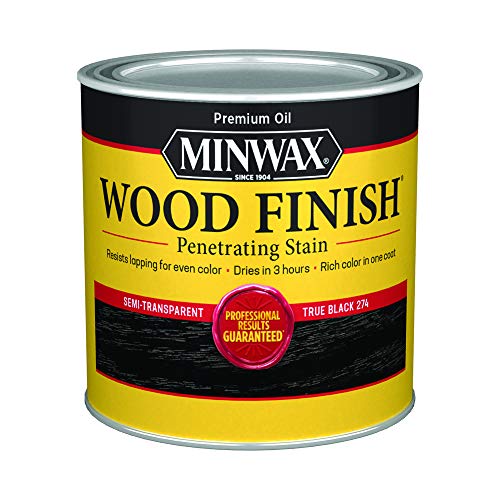
RICH EVEN COLOR – Minwax Wood Finish is a deep penetrating, oil-based wood stain that provides beautiful color and enhances the natural wood grain in one coat. It’s perfect for interior staining projects such as wood furniture, cabinets, doors and more.
Paint or Stain
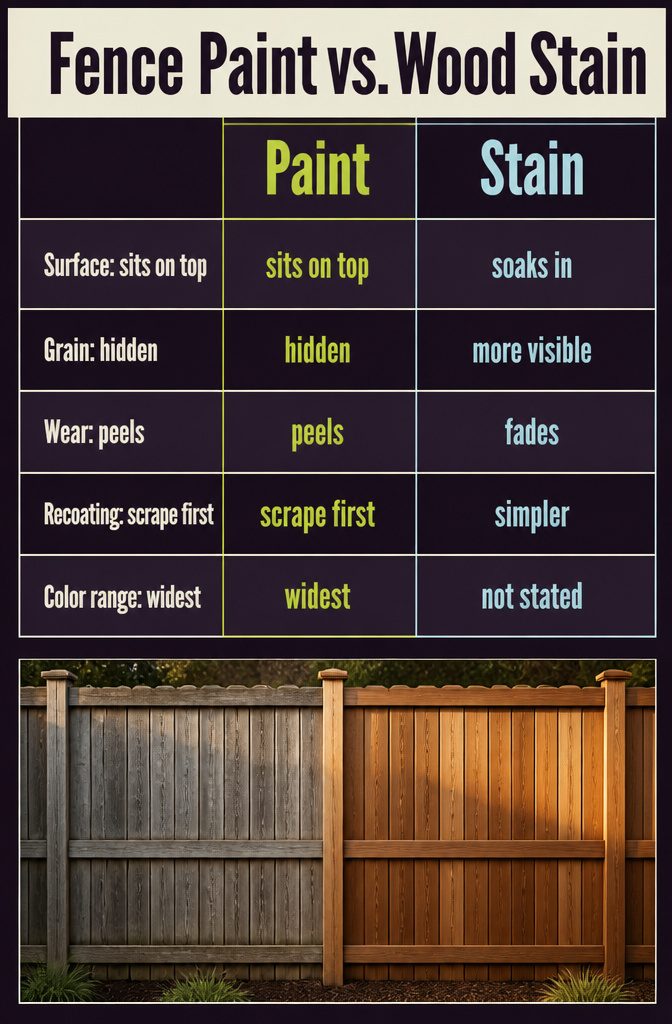
Paint is opaque and offers the widest color range, but it sits on top of the wood and eventually peels, so repainting means scraping first.
Stain soaks in, shows more grain, and fades instead of peeling, which makes recoating simpler. I’d choose stain for most fences.
Paint looks new for 1–3 years in some yards and lasts 2 to 4 years before fading or peeling in others. Sun exposure and weather decide where yours lands.
Wait 2–3 months before finishing new pressure-treated lumber so the finish can penetrate.
Cedar is the exception and doesn’t need the wait. For sheen, satin or semi-gloss protects best, while matte or eggshell shows truer color.
Recommended Products

Ready to use, pre-mixed door and trim paint offers a fresh new look on interior or exterior metal, wood and fiberglass
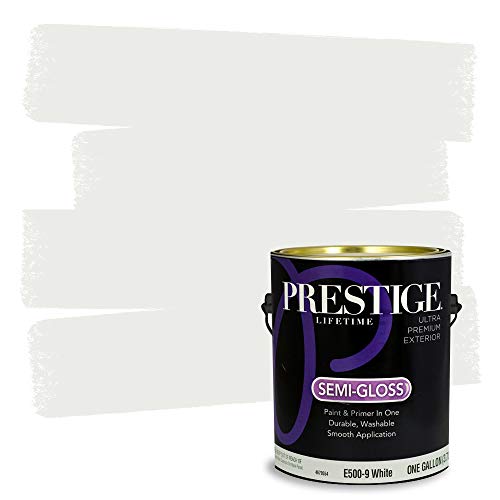
Ultra premium paint and primer in one

【Everything You Need】Our comprehensive wood paint kit comes with all the essential tools to revitalize your furniture paint projects with ease.
Frequently Asked Questions
Recommended Products

WATERPROOFING STAIN – Bring out the beauty of your outdoor wood with Thompson’s WaterSeal Transparent Waterproofing Wood Stain. Along with adding smooth color, it’s a deck sealer that prevents water damage to help you maintain your outdoor living spaces.

WATERPROOFING STAIN – Bring out the beauty of your outdoor wood with Thompson’s WaterSeal Semi-Transparent Waterproofing Wood Stain. Along with adding lightly tinted color, it’s a deck sealer that prevents water damage to help you maintain your outdoor living spaces.

READY-TO-USE DECK STAIN & SEALER: Olympic WaterGuard woodland cedar semi-transparent wood stain and sealant combines color and waterproofing in one water-based, ready-mix coat.
What is the best fence color for my house?
Pick a color that repeats something already on the house, such as the trim, siding, roof, stone or brick.
A white house pairs well with black or dark gray, a beige house with natural wood stain, and a boldly colored house with a contrasting fence. Check your HOA’s approved colors before buying paint.
What fence color makes a yard look bigger or blends in the most?
Black and deep green. Black fades back so plants and stone stand out, and deep green blends into garden foliage and blurs the yard’s boundary.
If your yard has little greenery, a semi-transparent black stain gives the same effect and keeps the wood grain visible. White and other light colors pull the eye forward and can make a small yard feel smaller.
When should you not paint or stain a fence?
Hold off for 2–3 months on new pressure-treated lumber.
The preservatives in the wood keep paint or stain from soaking in during that time. Cedar is the exception, since it comes already dried and can be finished sooner.
Should fence paint be gloss, semi-gloss or satin?
Satin or semi-gloss is the better choice for most fences.
Both protect the wood from moisture and wipe clean more easily than flat paint. Matte or eggshell shows a truer color but gives less protection.
What lasts longer on a fence, paint or stain?
Neither has a fixed lifespan.
Paint lasts roughly 1–4 years before fading or peeling, depending on sun exposure and weather. Stain fades instead of peeling, so recoating is simpler, and it is the easier option to maintain.