
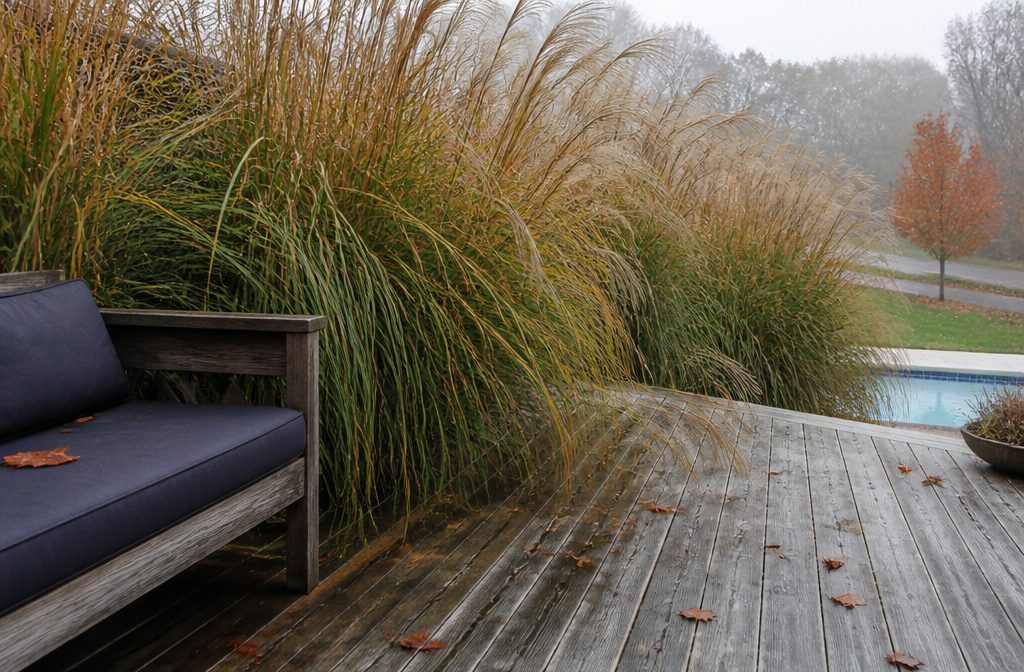
Ornamental grasses that grow up to 11½ feet tall can screen a deck, patio or pool from the street and neighbors.
Climate limits the choice: pampas grass reaches 7½–11½ feet but survives only in USDA zones 8–10, while ‘Cloud Nine’ switch grass, at 5–6 feet, grows in zones 4–9.
Pampas Grass at 7½–11½ Feet
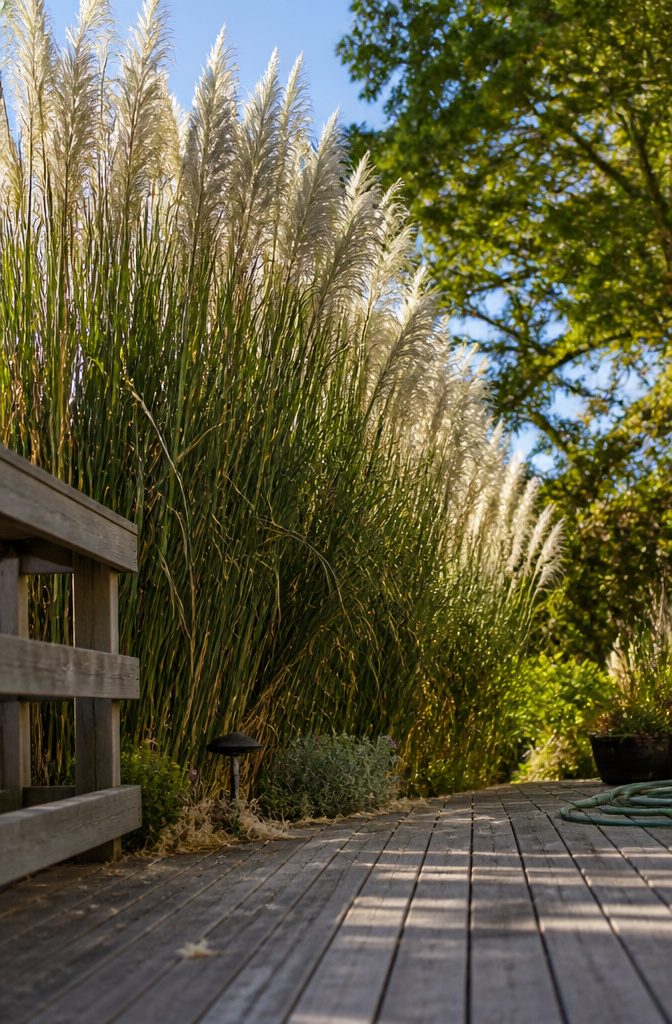
Cortaderia selloana reaches 7½–11½ feet, the tallest screen in this group, tall enough to hide a deck or front porch from the street. White plumes arrive in late summer and last through fall, and the clump gives privacy year-round.
Established plants handle drought well. Give it full sun.
The limit is climate: pampas grass grows only in USDA zones 8–10. That rules it out for much of the country, and I wouldn’t gamble on it in a colder zone.
A screen that doesn’t survive winter isn’t a screen. Gardeners outside those zones will do better with the other grasses below.
Recommended Products
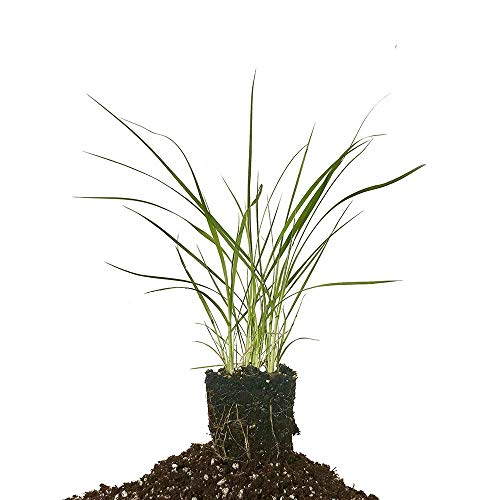
Stunning ornamental grass with feathery plumes, adds visual interest and texture to gardens, patios, or home decor arrangements
Stunning ornamental grass with feathery plumes, adds visual interest and texture to gardens, patios, or home decor arrangements

Pink Pampas Grass is prized for its graceful foliage and stunning pink flowers that add height, texture, and movement to gardens and landscapes.
Northern Pampas Grass
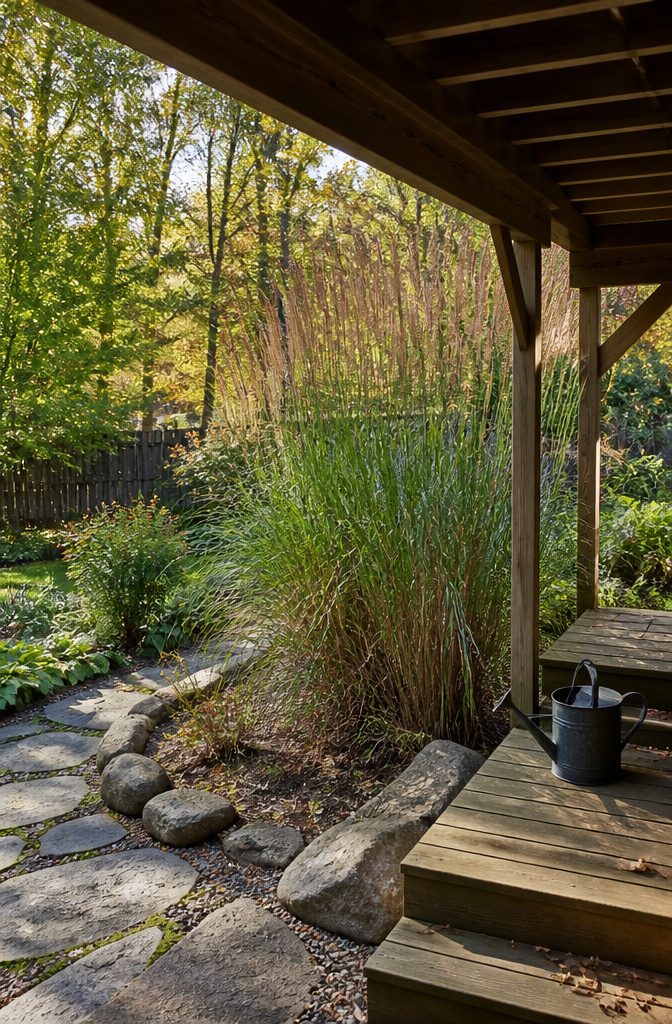
Northern pampas grass (Saccharum ravennae) screens a deck or front porch for most of the year in zones 6–9, as long as it gets full sun.
Cut it to the ground in early spring and you have a bare gap until new growth fills in. The fall plumes are attractive but less showy than true pampas.
Nurseries now label it Tripidium ravennae, and Maryland’s invasive plant guidance lists it as a grass to avoid:
It is recommended that you do not plant any invasive ornamental grass, even though local or mail-order nurseries may still stock them.
Ravenna grass and plume grass are the same plant, so check your state’s invasive plant rules before you buy.
Recommended Products

SWITCHGRASS SEED FOR PLANTING – Native warm-season perennial grass for wildlife habitat, prairie plantings, fields, hunting properties and land restoration projects.

Polyethylene Panel Specs: Panel size 24 x 16 in, 12 panels, total coverage 32 sq ft, thickness 1.6 in, made of polyethylene for outdoor use, supports long-term color appearance, helps reduce cracking, suitable for home spaces and family, SGS tested

Product Description: This package includes 6 pieces of artificial grass wall panels, each measuring 10x10 inches, providing a total coverage of 4.2 sqft. Crafted from 100% New PE material, the faux grass features a realistic 3D design. Each panel is lightweight yet durable, and includes 50 free cable ties for easy installation, ensuring a natural appearance.
Gold Band Pampas Grass
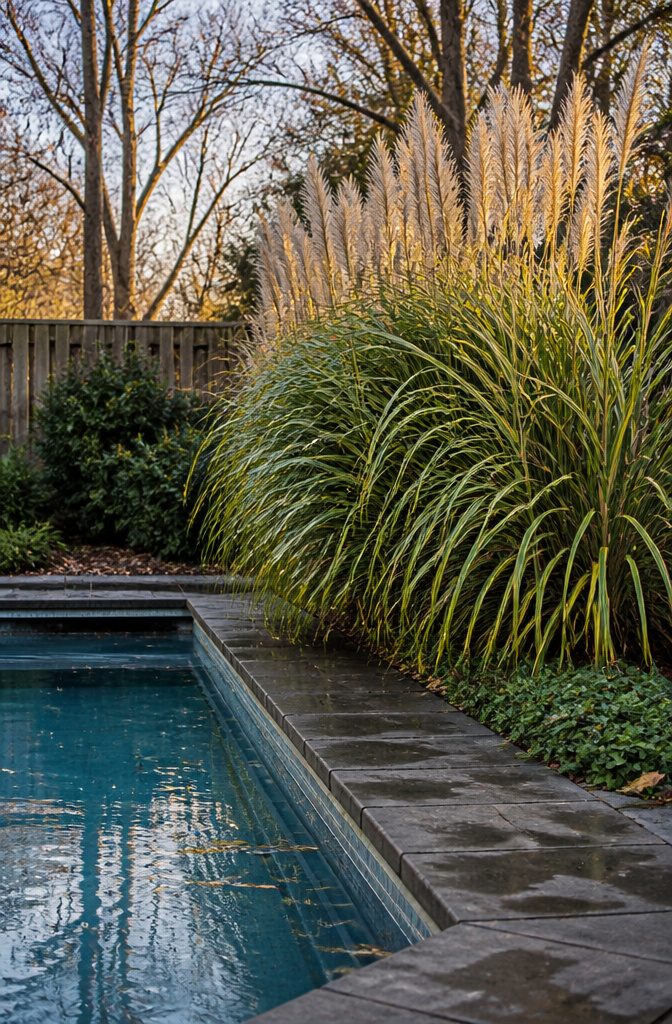
Gold band pampas grass (Cortaderia selloana ‘Aureolineata’) grows about 6–8 feet tall, which suits a border around a pool or hot tub. Its green leaves carry bright-yellow stripes along their length, so the clump looks livelier than a plain green one.
Tall plumes appear in autumn and stay into winter, and the foliage keeps the screen in place all year. It needs full sun.
Climate limits where Gold Band pampas grass will grow well.
This grass is rated for USDA zones 8–9 only, a much narrower band than the zones 4–9 range of tall switch grass. If you garden in a colder zone, I’d skip the stripes and choose a grass rated for where you live.
Recommended Products

2 Grass Ornamental Grasses Seedlings, Live Grass Perennial Hardy Ornamental Plants, Outdoor Planting, 5-9" Tall Hardy ornamental grass for gardening Zone 4 to 9.
Cloud Nine Switch Grass
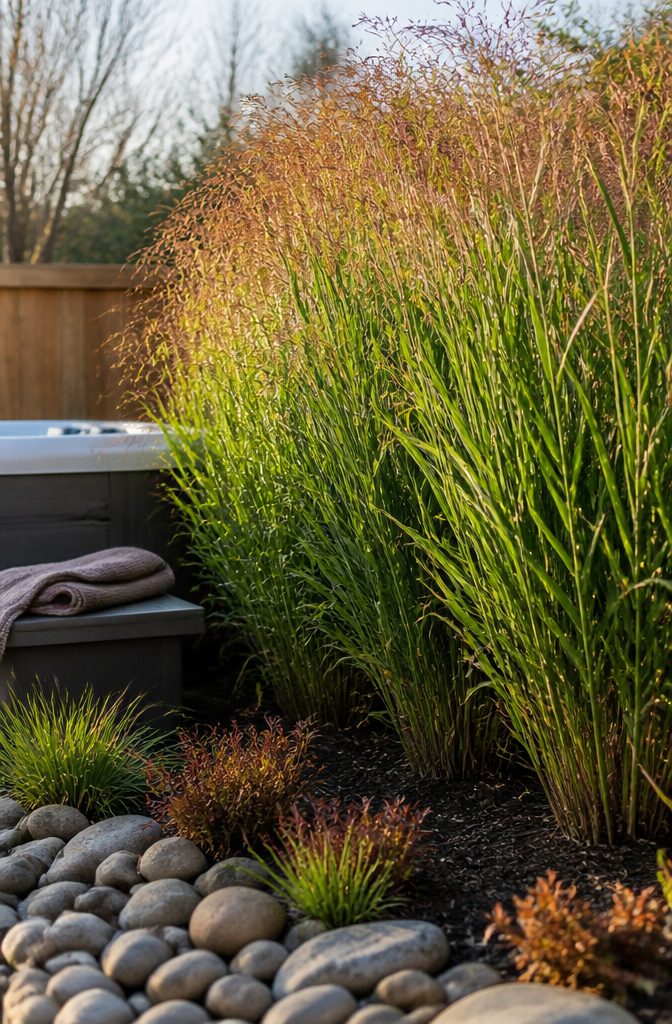
Cloud Nine switch grass (Panicum virgatum) reaches 5–6 feet, tall enough to screen a hot tub or the seating around a pool.
Small reddish-brown flowers open from late summer to midfall. The screen holds through the growing season and well into winter, so privacy doesn’t disappear at the first frost.
Hardiness is the main reason I’d pick it over the pampas grasses. Cloud Nine grows in USDA zones 4–9, while gold band pampas is only listed for zones 8 and 9.
A gardener in zone 5 or 6 can plant it and expect it back. It needs full sun, so skip it for shady corners.
Recommended Products

Details: The artificial ivy privacy fence is 100 inches long and 40 inches wide,with green faux ivy leaves.It can be disassembled into small pieces (10pcs 20x20 in), freely assembled to your desired size. 100 cable ties are included to assist with installation. The faux Ivy Vine is textured and look real. Privacy fence leaves are dense, which can effectively block strong light,ultraviolet rays.

Details: The artificial ivy privacy fence is 120 inches long and 40 inches wide,with green faux ivy leaves.It can be disassembled into small pieces (12pcs 20x20 in), freely assembled to your desired size. 100 cable ties are included to assist with installation. The patio privacy screen Vine is textured and look real. Privacy fence leaves are dense, which can effectively block strong light,ultraviolet rays.

Stunning ornamental grass with feathery plumes, adds visual interest and texture to gardens, patios, or home decor arrangements
Northwind Switch Grass
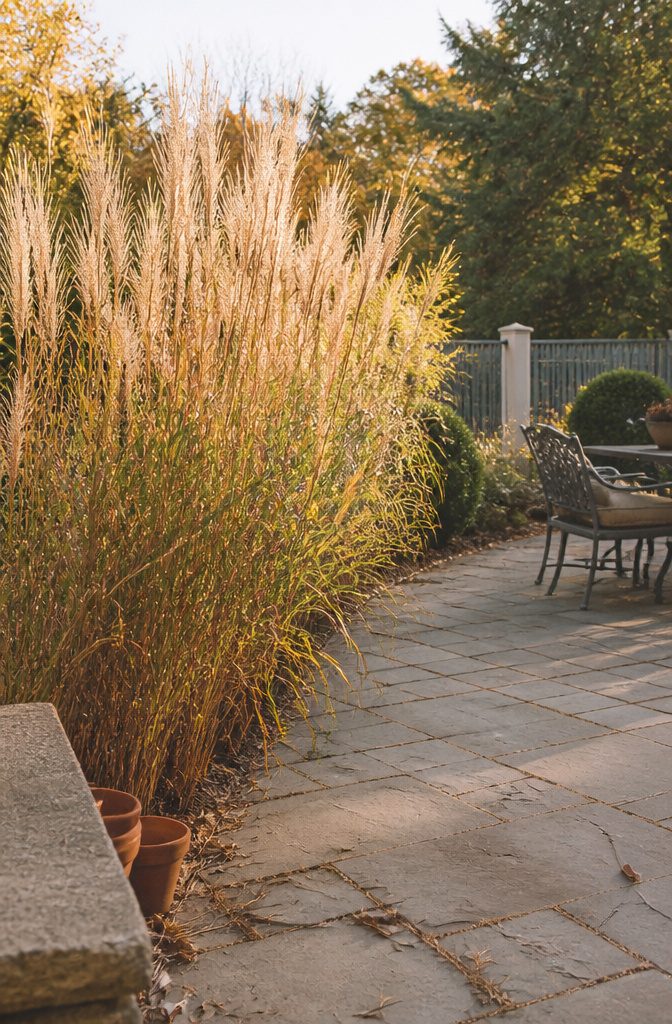
‘Northwind’ switch grass (Panicum virgatum) is the one I’d plant first beside a sunny patio.
It stands 4–5 feet tall and grows in USDA zones 4–9. Wispy green plumes show up from late summer to midfall, and the leaves turn golden, then tan, as the season ends.
Privacy lasts most of the year, apart from the stretch after you cut it back in early spring, before new growth fills in. ‘Northwind’ is one of the older switchgrass cultivars, and it has held its place.
It wants full sun and handles dry, moist, sandy or clay soil, but it tolerates little shade.
Recommended Products

Vibrant & Durable Greenery: Made with premium HDPE material, Haiponfph Artificial Hedge Panels ensure durability and vibrancy for years. These green wall panels stay lush and lifelike even under harsh sunlight or heavy rain

INSTANT GARDEN TRANSFORMATION: Give your home a vibrant makeover in minutes! This 40"x120" grass wall instantly turns dull fences, bare walls, or cold balconies into a lush, green sanctuary. With realistic 3D foliage, our greenery backdrop adds a natural touch to any space, making it the most popular grass wall decor for modern homes
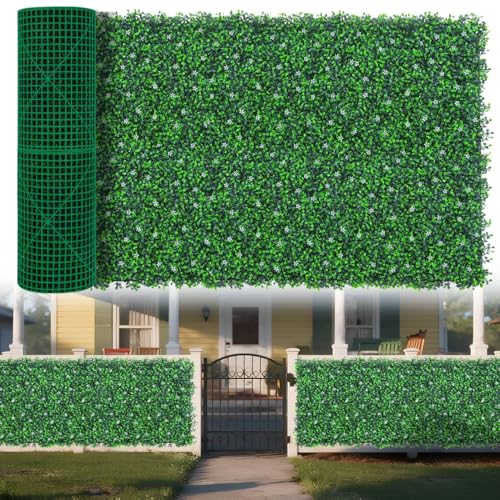
Real&Perfect 3D effect: This artificial hedge panel measures 40" × 120", which can cover 33.33 sqft and featuring 3-inch-tall faux leaves, it creates a realistic 3D effect. Once the leaves are adjusted and upright, they provide excellent coverage for any background, delivering a dense and natural appearance
Huron Solstice Red Switch Grass
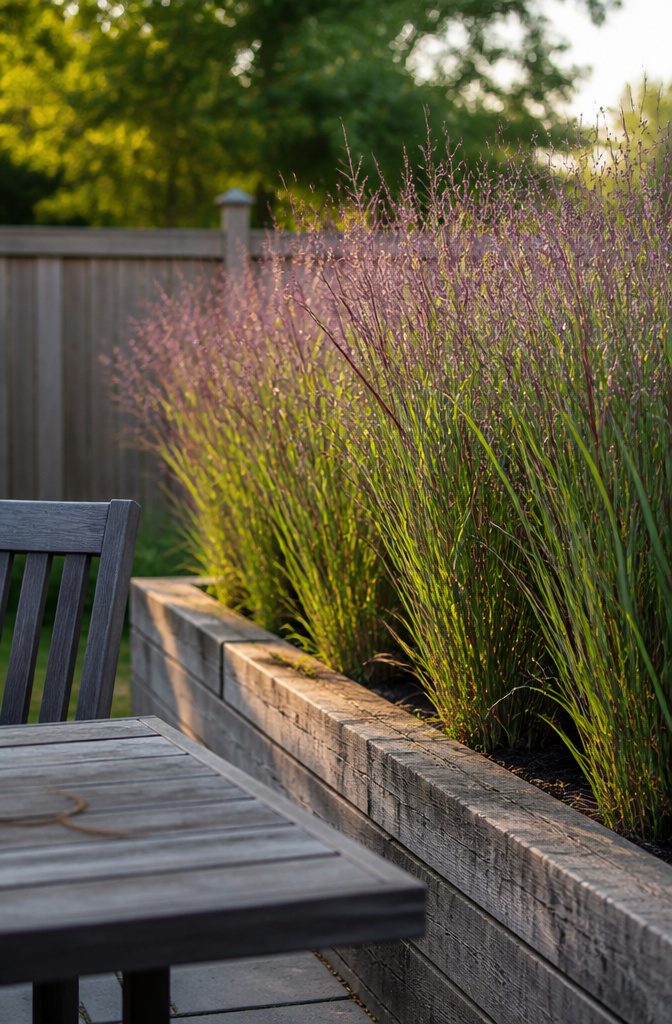
Huron Solstice red switch grass (Panicum virgatum) grows 3½–4 feet tall in USDA zones 4–9, and it suits a raised bed beside a patio.
The foliage emerges blue-green and develops burgundy-purple tips early in the growing season. Tiny purple flowers follow from late summer into mid-fall.
At that height it screens a seated view, not a standing one.
Anyone at a patio table is hidden, but a neighbor standing at the fence still sees over the top. A raised bed adds its own height to the grass, which closes some of that gap.
Privacy lasts most of the year, except right after the early-spring cutback. If you need to block standing sightlines, I’d pick a taller grass.
Japanese Forest Grass for Balconies
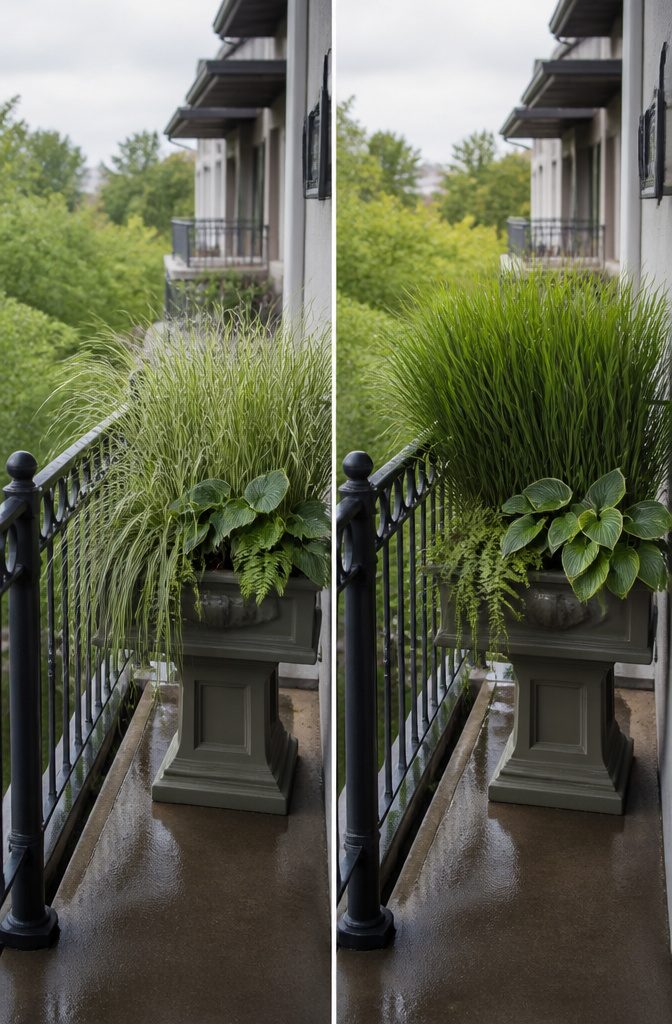
Japanese forest grass (Hakonechloa macra) suits a window box or a pot on a pedestal, but at 6–12 inches it softens a railing view and does not block one.
The pedestal is what adds height, lifting the plant toward the sightline of anyone looking in.
‘Fubuki’ has green leaves striped creamy-white and a cascading habit.
It grows 8–12 inches tall in zones 4–9 and takes full or partial shade, so I’d choose it for a balcony that stays dim most of the day. ‘All Gold’ has spiky, golden-yellow foliage and reaches 6–8 inches in zones 5–9.
It does best with morning sun and afternoon shade. Both want moist soil and pair well with ferns and hostas.
Recommended Products
Stunning ornamental grass with feathery plumes, adds visual interest and texture to gardens, patios, or home decor arrangements
Realistic green Ivy look: Artificial ivy leaves are natural looking to provide every indoor or outdoor space a blooming, earthy feel without the need for watering,Use zip ties or tape to install, it can be cut to get the size and shape you want, can be used as wall decoration, fence privacy screen, privacy screen.
Details:The artificial ivy privacy fence is 120 inches long and 40 inches wide,with green faux ivy leaves.It can be disassembled into small pieces (12pcs 20x20 in), freely assembled to your desired size. 100 cable ties are included to assist with installation. The patio privacy screen Vine is textured and look real. Privacy fence leaves are dense, which can effectively block strong light,ultraviolet rays.
Match the Grass to the Space
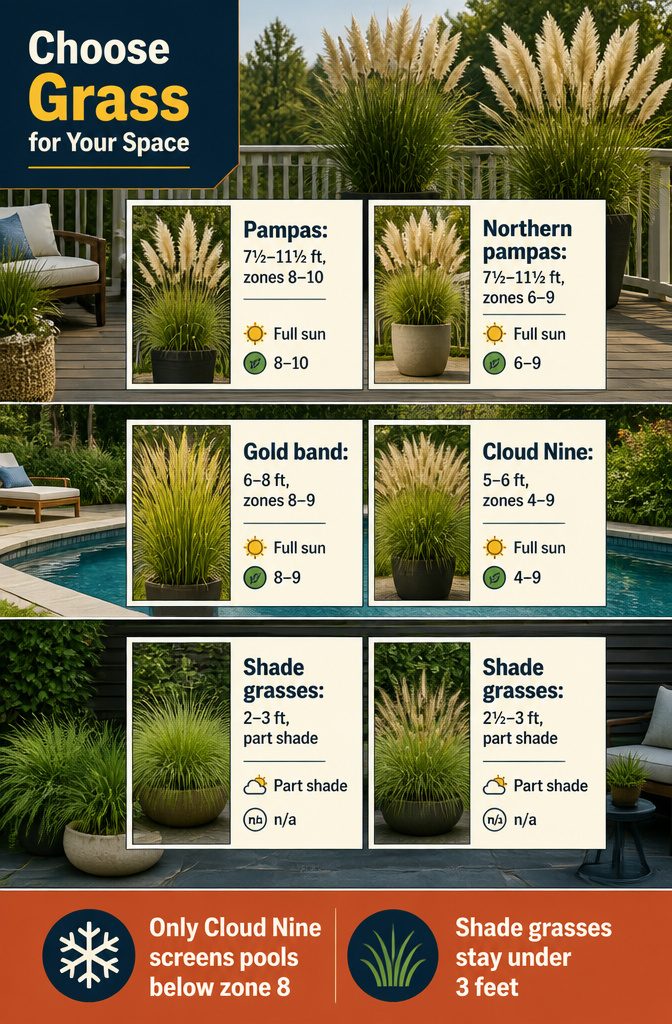
Full sun and your zone decide most of these picks. Tall screens need full sun, while the shade-tolerant grasses stay under 3 feet.
| Setting | Grass | Height | Light | Zones |
|---|---|---|---|---|
| Deck or front porch | Pampas grass | 7½–11½ ft | Full sun | 8–10 |
| Deck or front porch | Northern pampas grass | 7½–11½ ft | Full sun | 6–9 |
| Pool or hot tub | Gold band pampas | 6–8 ft | Full sun | 8–9 |
| Pool or hot tub | Cloud Nine switch grass | 5–6 ft | Full sun | 4–9 |
| Shaded patio | Tufted hairgrass | 2–3 ft | Part shade | n/a |
| Shaded patio | Bottlebrush grass | 2½–3 ft | Part shade | n/a |
Colder than zone 8, Cloud Nine is the only pool-height screen on this list. The two shade grasses soften a border but are too short to block a view.
Recommended Products

Expansive Coverage with Realistic Depth: Create an instant green wall with our 20x20 inch artificial boxwood panels. Each set of 6 panels delivers approximately 16.7 sqft of lush, multi-layered foliage. The 5-inch tall ivy leaves create a stunningly realistic 3D effect, offering both beautiful wall art and effective visual privacy for your space.

【Weather-Resistant & Lifelike Leaves】 Made from premium UV-resistant polyethylene, this artificial hedge wall withstands sun, rain, and wind without fading or cracking. Features densely crafted 3D leaves, delivering a vibrant greenery backdrop that enhances privacy while adding a fresh, natural touch to any setting.

Natural, Lifelike Appearance: Each leaf is crafted to resemble the real thing, featuring stamped veins for authenticity. The fresh green coating not only adds to its realistic look but also provides UV protection and heat resistance
How Long the Privacy Lasts
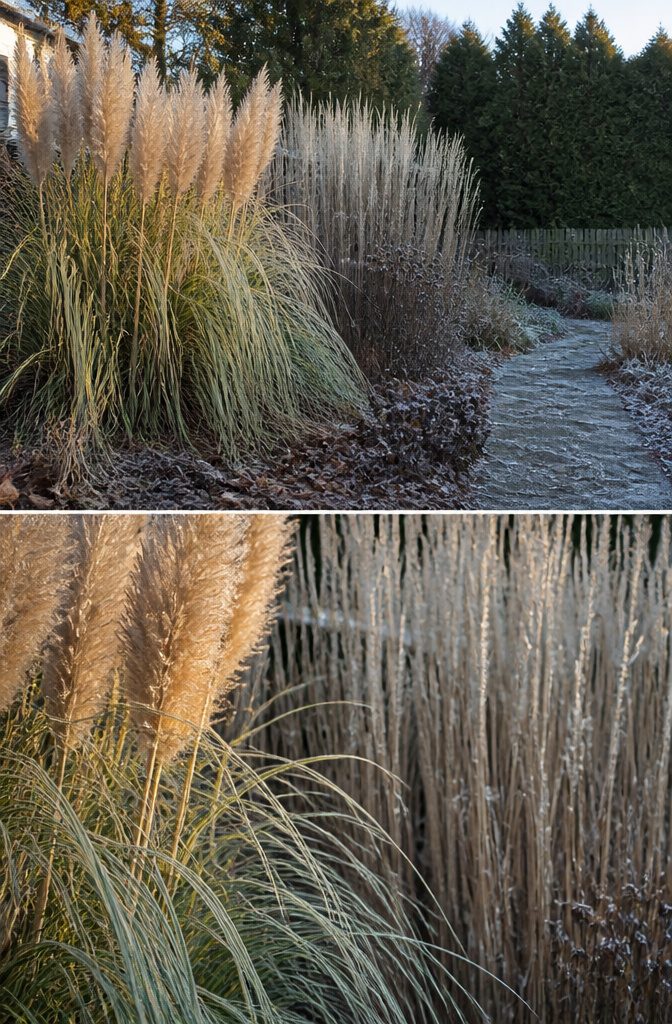
Pampas grass and gold band pampas grass are the year-round screens.
Gold band reaches 6 to 8 feet in USDA zones 8–9, and its tall autumn plumes hold through winter. ‘Cloud Nine’ switch grass covers the whole growing season and carries on well into winter in zones 4–9, at 5 to 6 feet.
Northern pampas, ‘Northwind’ and ‘Huron Solstice’ stop screening at the early-spring cutback, so expect a see-through gap until new growth rises.
Upkeep is light for all of them.
Ornamental grasses are a low-maintenance alternative to hedges and shrubs, typically needing minimal water and no fertilizer. That guidance dates from April 25, 2013, so check watering against your own climate.
Invasive Grasses to Avoid
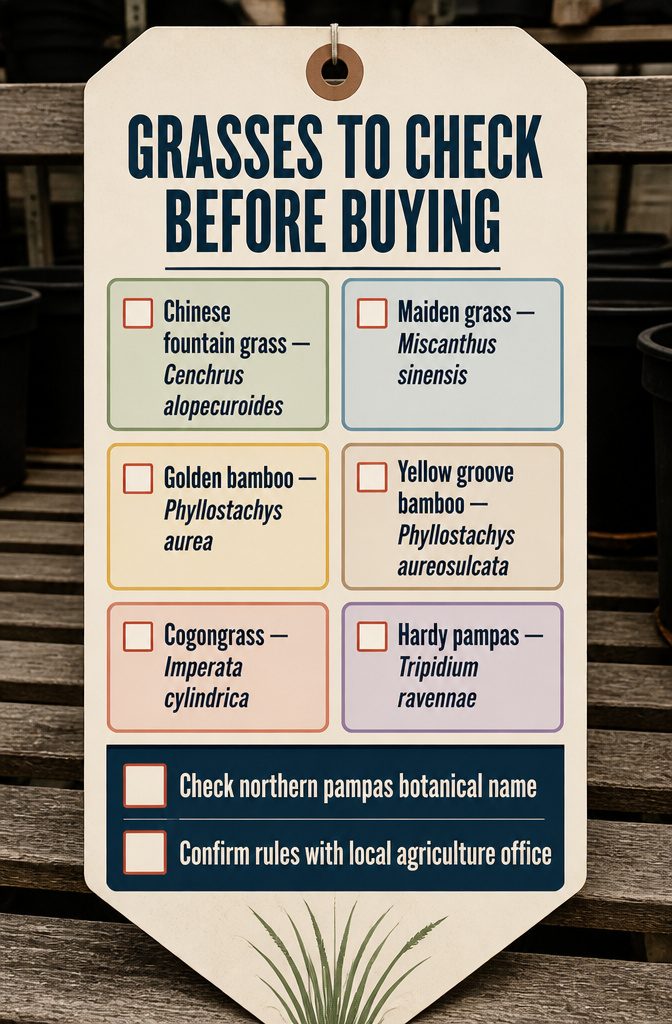
Maryland regulates or prohibits several tall grasses that nurseries may still stock, and any ornamental grass that spreads easily and takes over habitat is worth skipping:
- Chinese fountain grass (Cenchrus alopecuroides)
- Maiden grass (Miscanthus sinensis), sold under many cultivar names, including ‘Zebrinus’ and ‘Gracillimus’
- Golden bamboo (Phyllostachys aurea)
- Yellow groove bamboo (Phyllostachys aureosulcata)
- Cogongrass (Imperata cylindrica), a Federal noxious weed per the USDA and prohibited in Maryland
- Hardy pampas grass (Tripidium ravennae), also called ravenna grass or plume grass
On any northern pampas grass tag, check the botanical name against this list. Rules vary by state and county, so confirm with your state agriculture department or local extension office before buying.
Frequently Asked Questions
What is the tallest grass for privacy?
Pampas grass (Cortaderia selloana) is the tallest in this group at 7½–11½ feet, but it grows only in USDA zones 8–10.
Northern pampas grass reaches the same height in zones 6–9. Nurseries now sell it as Tripidium ravennae, and Maryland lists it as an invasive grass to avoid, so check your state’s rules before buying.
What are the downsides of ornamental grass?
Some tall grasses fail outside a narrow climate range: gold band pampas is rated only for zones 8–9, and pampas grass for zones 8–10.
Northern pampas, ‘Northwind’ and ‘Huron Solstice’ are cut to the ground in early spring, which leaves a see-through gap until new growth fills in.
A few ornamental grasses also spread aggressively, including maiden grass and Chinese fountain grass, which Maryland prohibits.
Is there a type of grass that stays short?
Yes. Japanese forest grass stays at 6–12 inches, tufted hairgrass reaches 2–3 feet, and bottlebrush grass reaches 2½–3 feet.
These soften a border, railing or window box but are too short to block a view. For real screening, choose a switch grass of 4 feet or more, such as ‘Northwind’ at 4–5 feet.









