
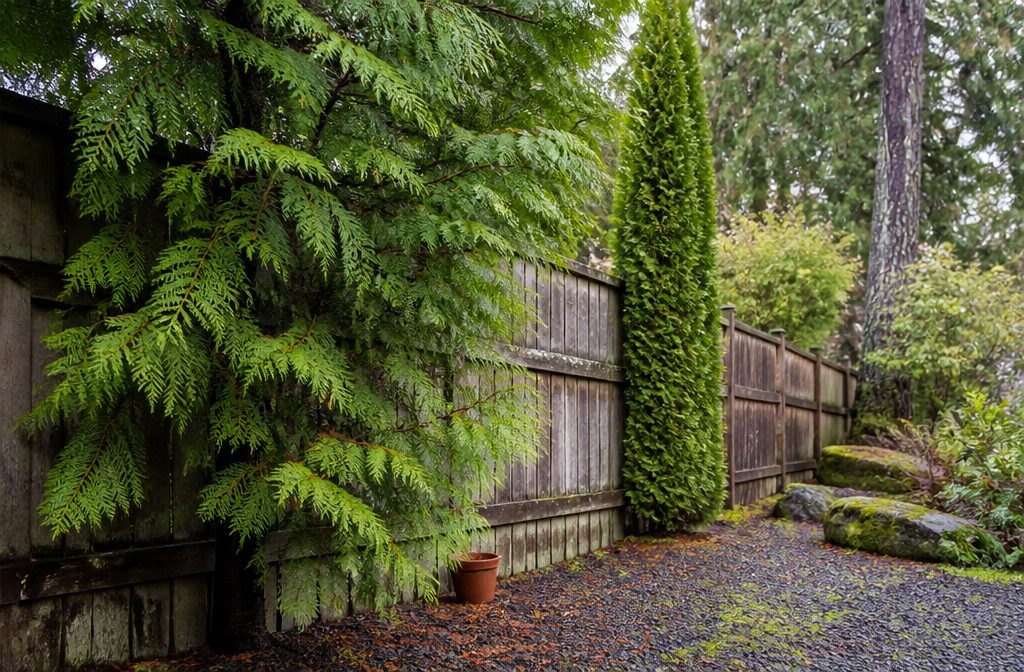
Evergreen trees planted along a fence give you cover above and around the boards, but only if you buy for mature size.
Standard thuja reaches 30–40 feet high and 15–20 feet wide, while narrow varieties stay 3 feet wide at 10–12 feet high. Check the plant tag, not the nursery pot.
Holly Trees
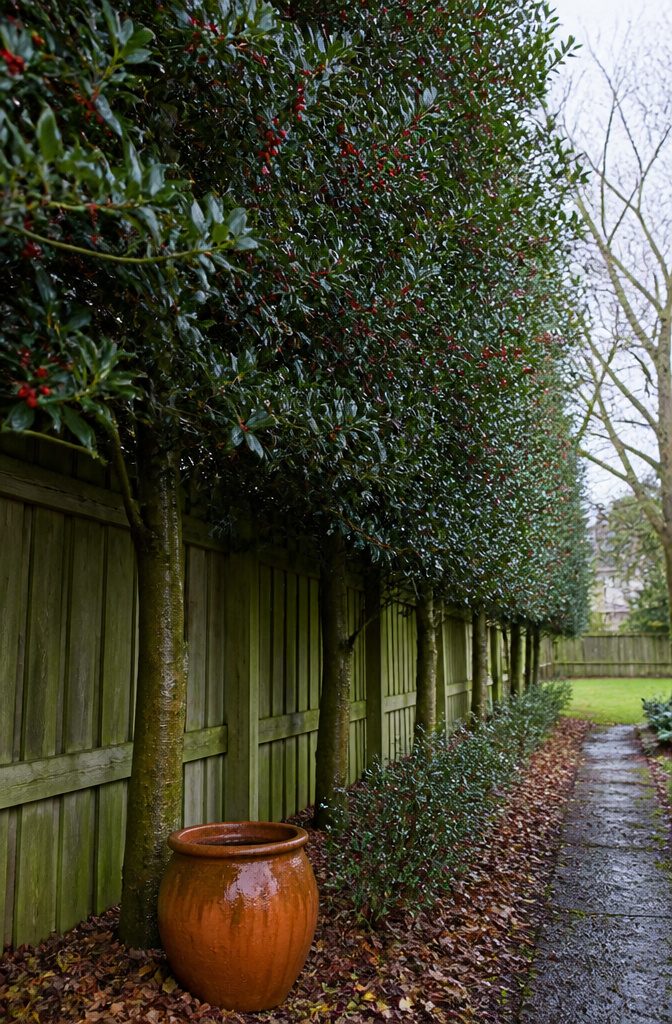
Holly gives year-round cover at 30–40 feet tall and 15–25 feet wide, growing at a medium to fast rate in zones 3–11. ‘Nellie Stevens,’ ‘Emily Brunner’ and ‘Satyr’ are the cultivars I’d shop for first.
Berries need planning.
Hollies are dioecious, so only the females fruit, and a male plant must stand within 30–40 feet of the female unless the variety is self-pollinating. Read the plant tag before buying, or you may get a screen with no berries.
Full sun suits hollies best.
In a shadier yard, ‘Satyr’ and ‘Emily Brunner’ are the better picks: the deeper the shade, the less fruit, but the evergreen cover stays. Hollies are relatively pest-free, though winter die-back and scale do show up.
Magnolia Trees
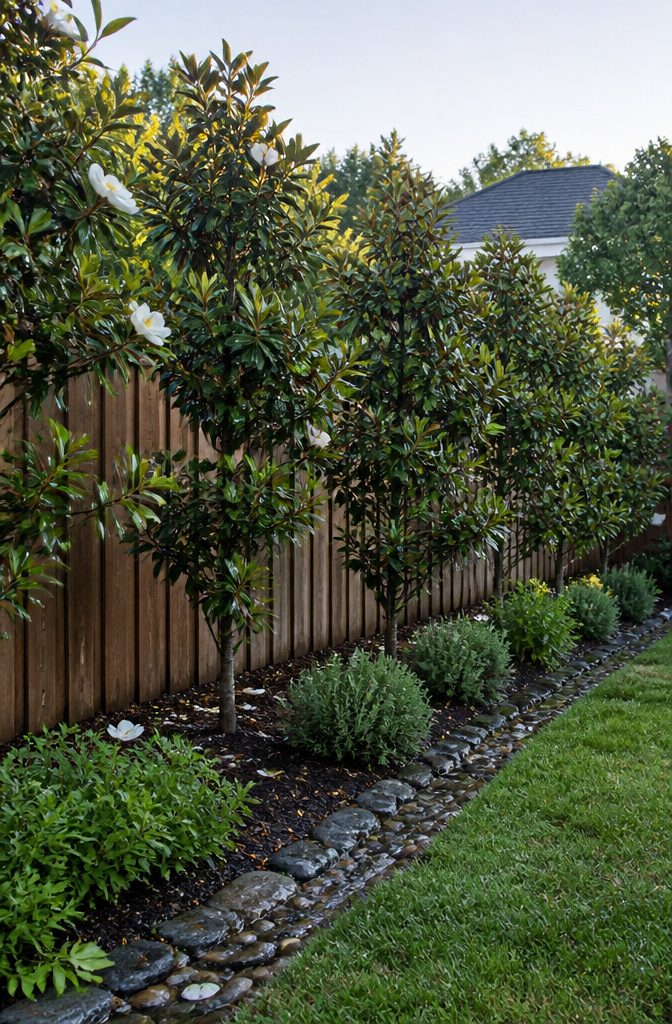
Evergreen magnolias bring big, showy blossoms to a screen, but the full-size trees are too much for most lots. I’d stick with ‘Little Gem’ or ‘Teddy Bear’, newer cultivars that suit a neighborhood yard better.
Expect 20–25 feet high and 10–15 feet wide, depending on the cultivar. Growth is slow, under 1 foot a year, so plant early and let a fence cover the gap.
‘Teddy Bear’ does best in full sun. ‘Little Gem’ takes full sun to part shade, so it’s the better pick for a yard with a shadier side.
Both tolerate mildly wet soil and grow in zones 7–9. Watch for magnolia weevil, scale and bacterial disease, especially in rainy seasons.
Thuja (Arborvitae)
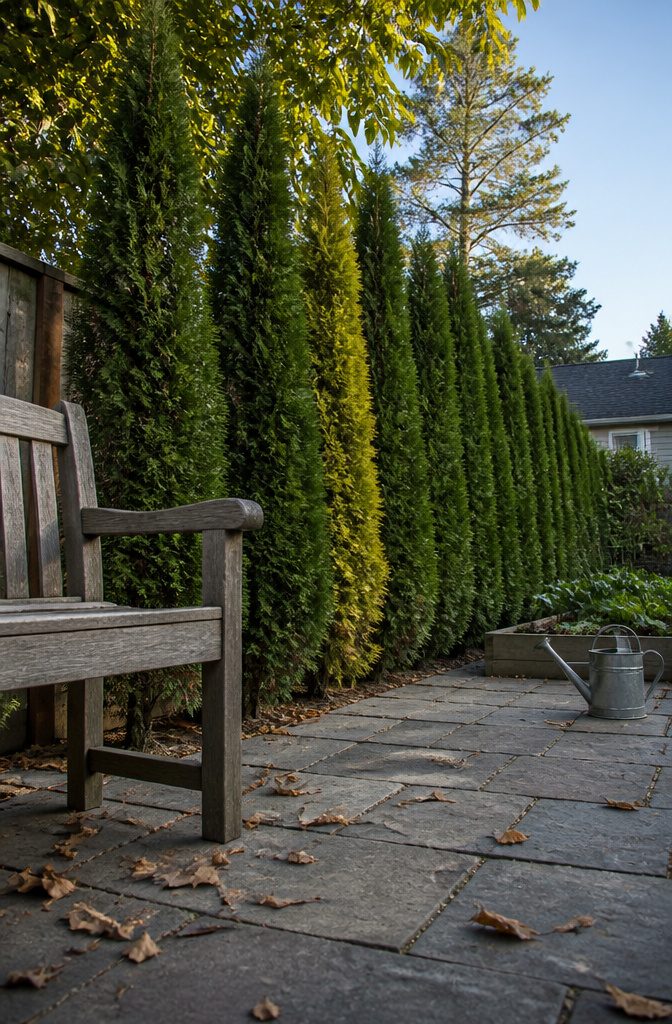
Thuja, also sold as arborvitae, is the Leyland cypress substitute I’d point most small-yard gardeners toward, and the two are hard to tell apart at a glance.
Standard types reach 30–40 feet high and 15–20 feet wide, which overwhelms a patio or small lot.
Narrow varieties stay 10–12 feet high and only 3 feet wide, so they line a fence without eating much planting space. ‘Green Giant’ and ‘Emerald Green’ are the usual choices, and ‘Yellow Ribbon’ gives a yellower look.
Growth is medium to fast, in full sun to part shade, in zones 5–8. Scale or bagworms show up occasionally, but they aren’t a serious problem.
Japanese Cedars
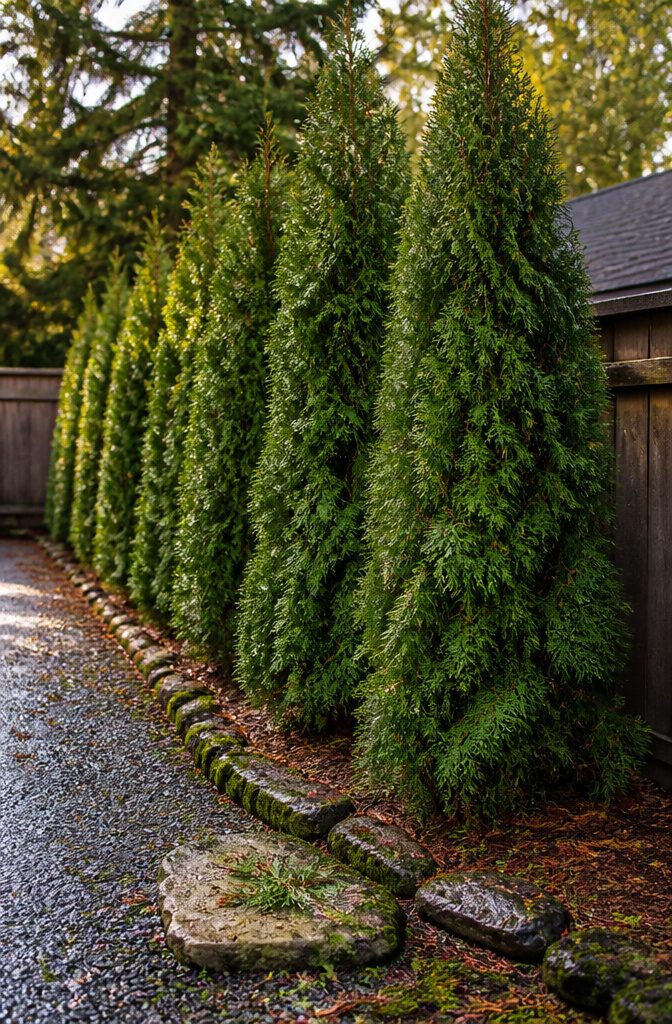
Japanese cedar (Cryptomeria japonica) grows narrow and pyramidal, with tiny cones hanging from drooping branch tips.
A row of them reads like a line of sentries beside a fence. ‘Radicans’ and ‘Yoshino’ are the two cultivars to look for. They look so much alike that I’d buy whichever one your nursery has in better shape.
Both want full sun but tolerate light shade, so a fence line that loses some light to the house or a neighbor’s tree is still workable.
Leaf blight and leaf spot are the diseases to watch, so look over the foliage before you buy and again each season.
Recommended Products

Everyone Loves Soft Hugs – This adorable, soft teddy bear stuffed animal is made with smooth, silky fur. At 13 inches, this brown bear is a perfect small teddy bear for cuddling, making it an oh-so-squeezable plush companion for anyone who loves a cozy squeeze.

𝐑𝐢𝐠 𝐑𝐞𝐚𝐫, 𝐑𝐢𝐠𝐍𝐄𝐫 𝐇𝐮𝐠𝐦: This 20" Honeycomb Brown Bear is an oversized, ultra-soft stuffed animal built for serious cuddling, perfect for nurseries, bedroom decor, or gifting to anyone who loves a big, huggable companion

Cuddliest Fur For Optimal Huggability - This incredibly cuddly and huggable Teddy Bear stuffed animal is one of the softest plush animals around, and its short fur is surface washable; perfect for baby toys as well as for girls and boys, or anyone else who loves Teddy Bears and Bear hugs
Spruces
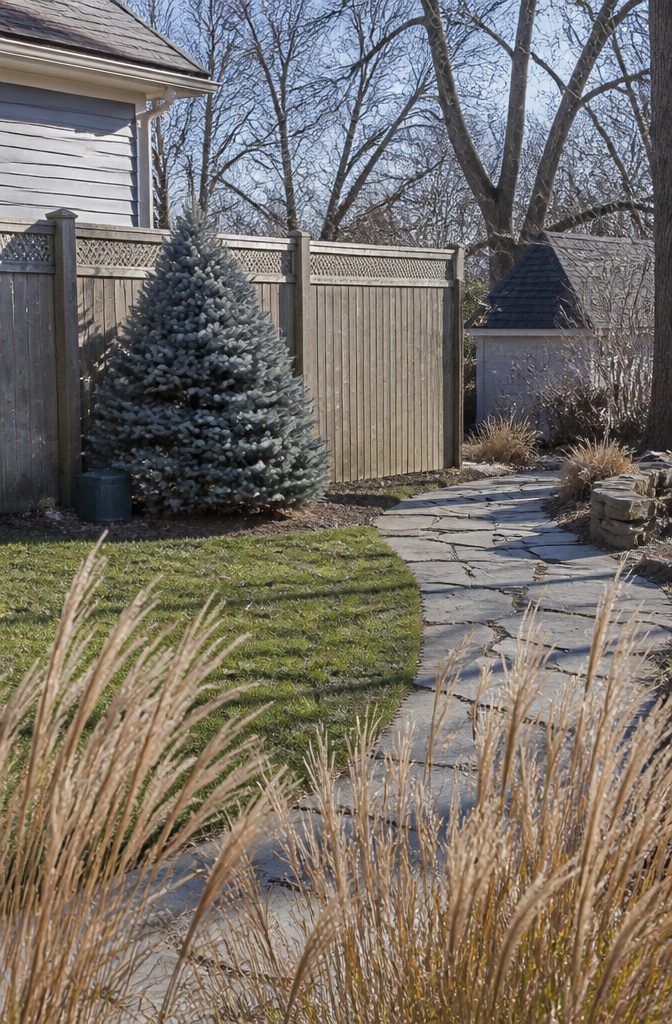
A single spruce can hide a neighbor’s shed or a utility box without a full row behind it. Norway spruce is the big option at 40–60 feet tall and 10–20 feet wide, so it only suits a yard with room.
For a small lot, I’d choose a blue spruce such as ‘Fat Albert’ or ‘Baby Blue Eyes,’ which top out around 10–15 feet in both height and width. Oriental spruce is another choice.
All of these are hardy in zones 2–8, want full sun, and do not like wet feet, so skip any low spot where water pools. Growth is slow, so buy the largest tree your budget allows if you want cover soon.
The dense branches also work as a good windscreen. Watch for needle cast, canker and bagworms.
Recommended Products

Shipped as a potted plant in its soil & Container

This Plant will Ship in a fabric Grow Bag ( see pics ) - The plants are currently growing in a 1 Quart nursery pot However they will NOT ship in a plastic pot.
We cannot ship our plants to the following states: AK, AZ, CA, CO, HI, ID, MT, NM, NV, OR, UT, WA, or WY. All orders to these states will be automatically cancelled.
Skip Laurels
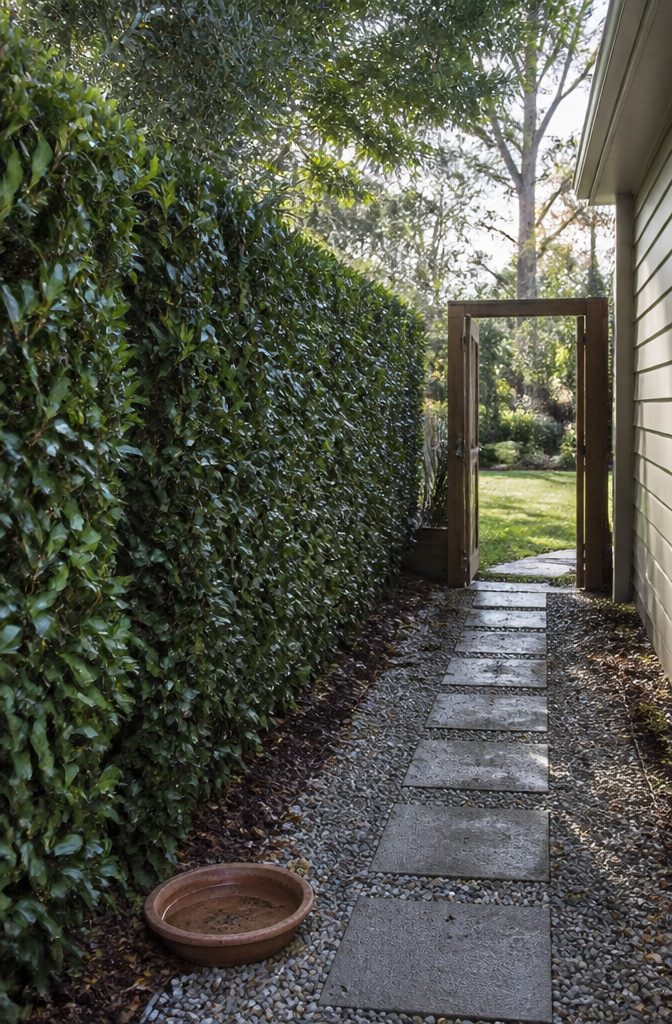
Skip laurel (Prunus laurocerasus ‘Schipkaensis’) gives you a clipped green wall without tree height. It grows 10–15 feet high and 5–7 feet wide, grows at a medium to fast pace, and is hardy in zones 6–9.
In a narrow side yard, Skinny Skip® is the better pick at 10–12 feet high but only 2–4 feet wide. ‘Mariblon’ is a third cultivar to look for.
All of them take full sun to partial shade, and they like moist soil that drains well. Poorly drained soil is the main risk, because it invites root rot, so avoid low spots where water pools.
In exposed, windy sites the leaves can scorch in winter, so I’d plant them where a fence or wall breaks the wind.
Plan for Mature Size
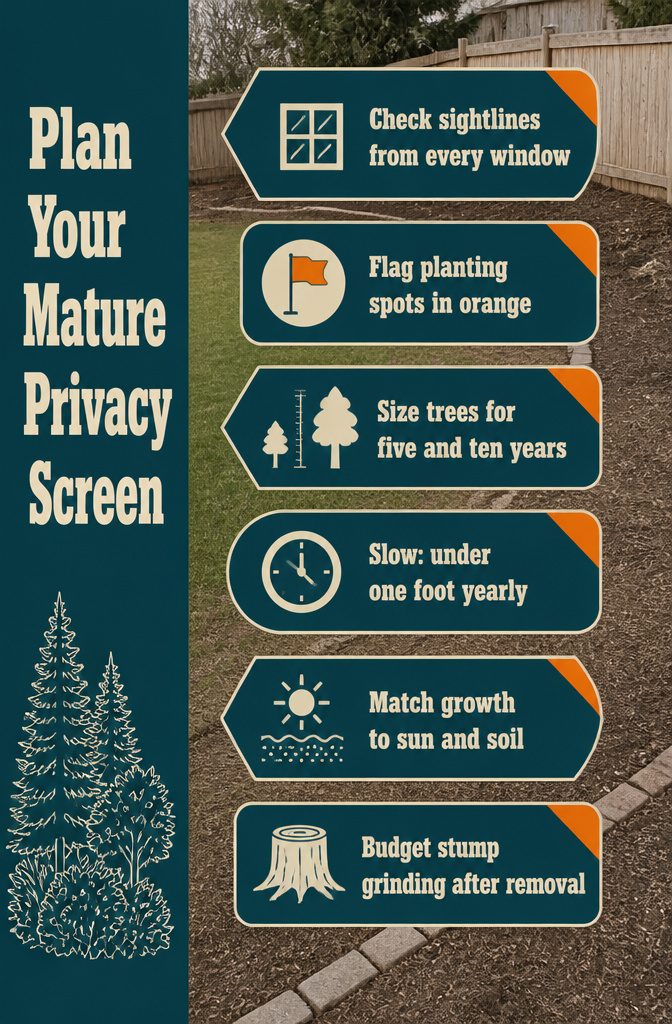
Walk the yard before you buy anything, and settle these points first:
- Stand at each window and note where outside eyes land. Those spots need coverage most.
- Mark every planting spot with an orange flag, then decide whether one tree fills the gap or a grouping does.
- Check the mature height and width on the plant tag, not the size in the nursery pot, and picture the screen at 5 years and at 10.
- Growth rate sets how fast you get privacy: slow is under 1 foot a year, medium is 13–24 inches, and fast is over 25 inches.
- Sun, soil, drainage and fertility can speed up or slow those numbers.
- If old trees come out first, budget for stump grinding. Leftover roots make planting harder.
Mix Species in Groups of 3–5
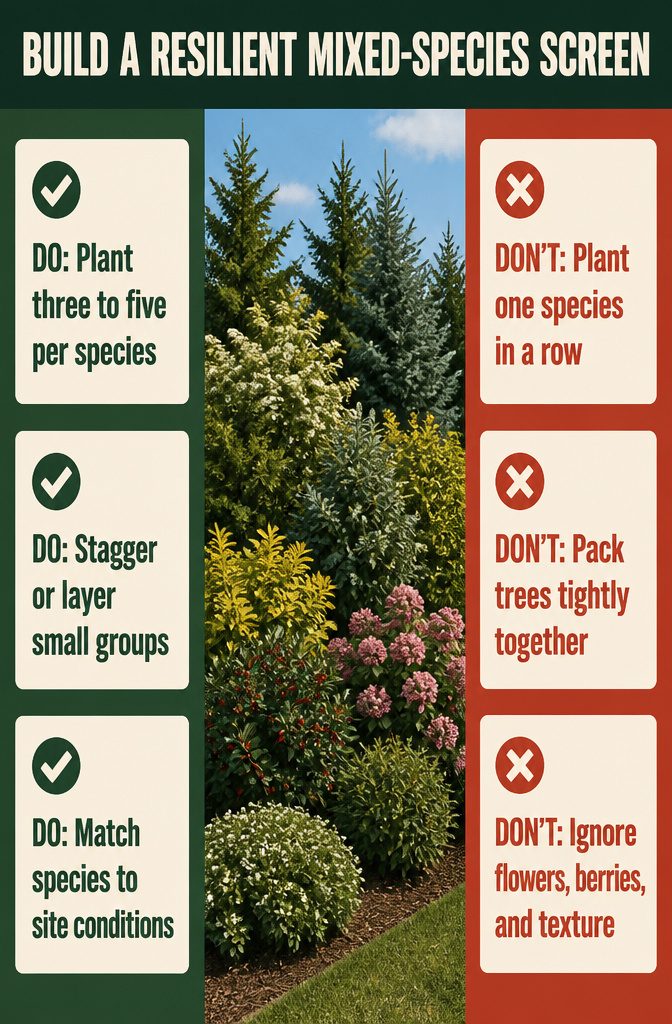
A single-species screen fails all at once: a pest that suits one species moves down the row tree by tree. Plant 3–5 of each species in small groups, staggered or layered instead of lined up like posts.
Packing plants tight for faster coverage backfires. Less air and sunlight invite fungal and bacterial disease, and crowded plants pass it among themselves.
Waiting for them to fill out is cheaper than replacing a full-grown tree in the middle of a mature row, where a matching replacement may not exist.
Choose each species for your sun, soil and drainage so it thrives rather than merely survives. Neighbors see the back of the planting too, so vary heights and textures and add flowers or berries.
Recommended Products










