
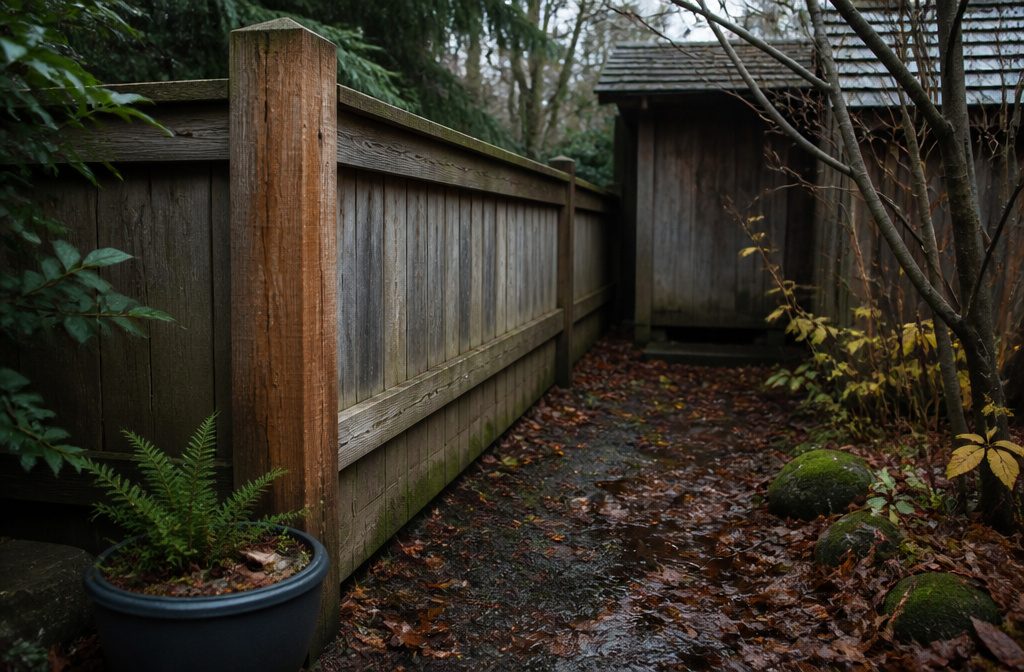
Plan on about 20 years from a Western Red Cedar fence, but that figure is a supplier’s estimate and assumes a proper installation.
Resins and tannins in the wood resist rot, mildew and insects, so use real cedar for posts, boards and rails alike; any part left out becomes the weak point.
Why Cedar Suits Fencing
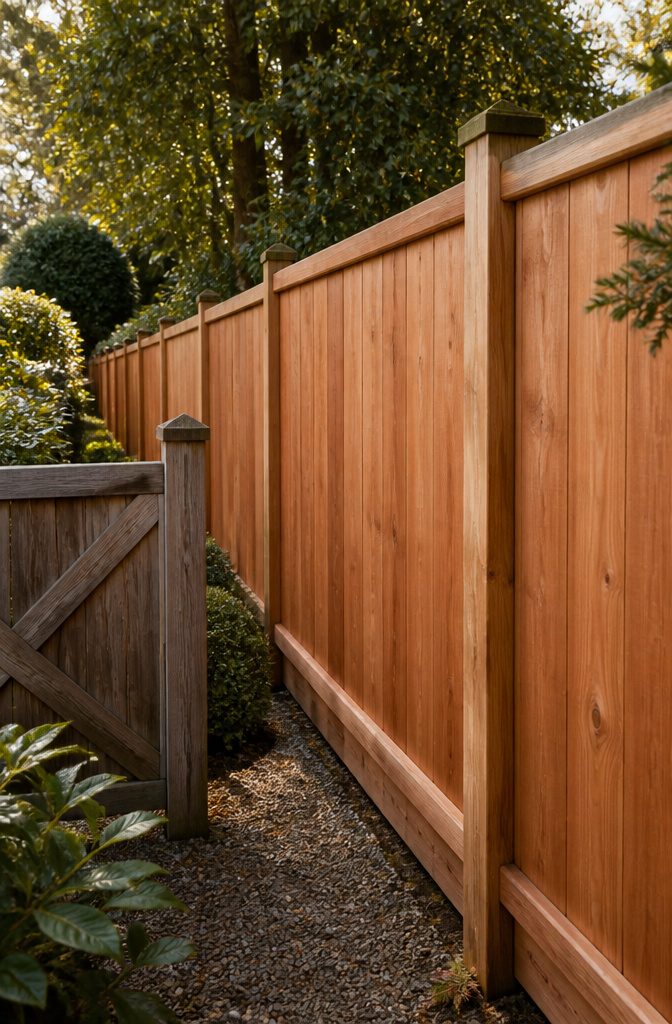
Western Red Cedar suits fencing because it is stable, stays flat and holds up in a fence better than other common woods.
That is the view of a supplier with 30+ years of selling wood products to builders and homeowners, including redwood, fir and pine.
It is still a seller’s opinion, so I treat it as a strong lead rather than a lab result.
Flatness is the part I’d weight most. Boards that resist cupping and twisting keep a fence’s lines and gaps even, so a fence board that stays flat is what makes the fence look good for years.
Knots are the trade-off. Expect some in cedar boards, and pick a grade with fewer if you want a cleaner face.
Cedar Fence Styles
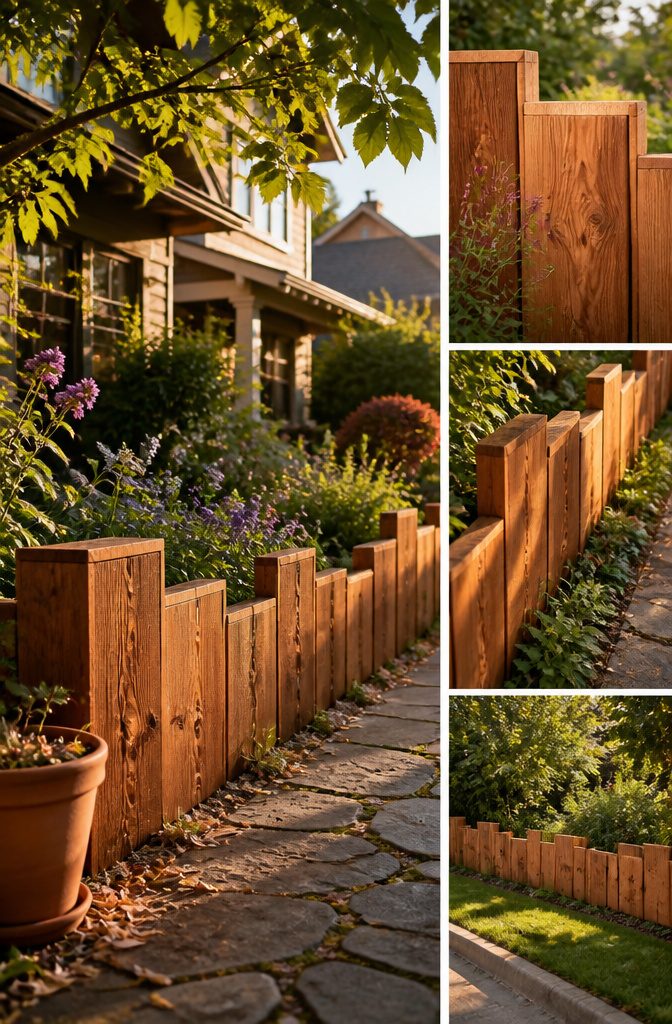
Cedar suits nearly any fence design, so the choice comes down to layout and job:
- Vertical: the classic look, and a fit for both privacy and plain boundary fences.
- Horizontal: boards run side to side for a more modern line, and it works as a privacy fence too.
- Privacy: solid construction that screens a patio or yard from view.
- Decorative: built for looks over screening, so it suits a front yard or garden edge.
- Picket: open and low-key, a good match for a traditional home and a lightly defined boundary.
- Louvered: angled slats block direct sightlines while letting air through, which I’d pick for a sunny patio.
If you want a fence up quickly, Real Cedar Pre-built Panels arrive ready-made, so you skip cutting and assembling boards.
Posts, Boards and Rails
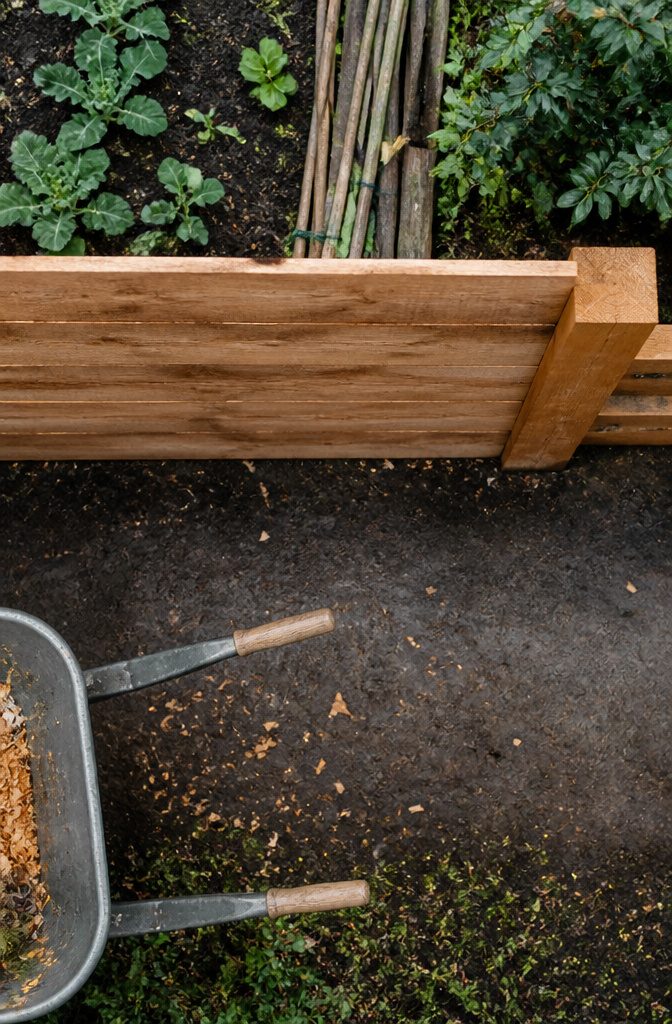
Real Cedar describes the range of pieces like this:
Real Cedar fence posts, boards and rails are available in a variety of lengths and dimensions, and come in several different surface textures to create the exact fence you’re looking for.
You can buy posts, boards and rails separately and build to your own layout, or buy pre-built panels.
On a straight, level run, panels save the most time. Sizes and spacing matter more than most beginners expect, so check the Fence Specifications and the basic fence-construction tips on the Real Cedar site before you order a single board.
Durability and Sustainability
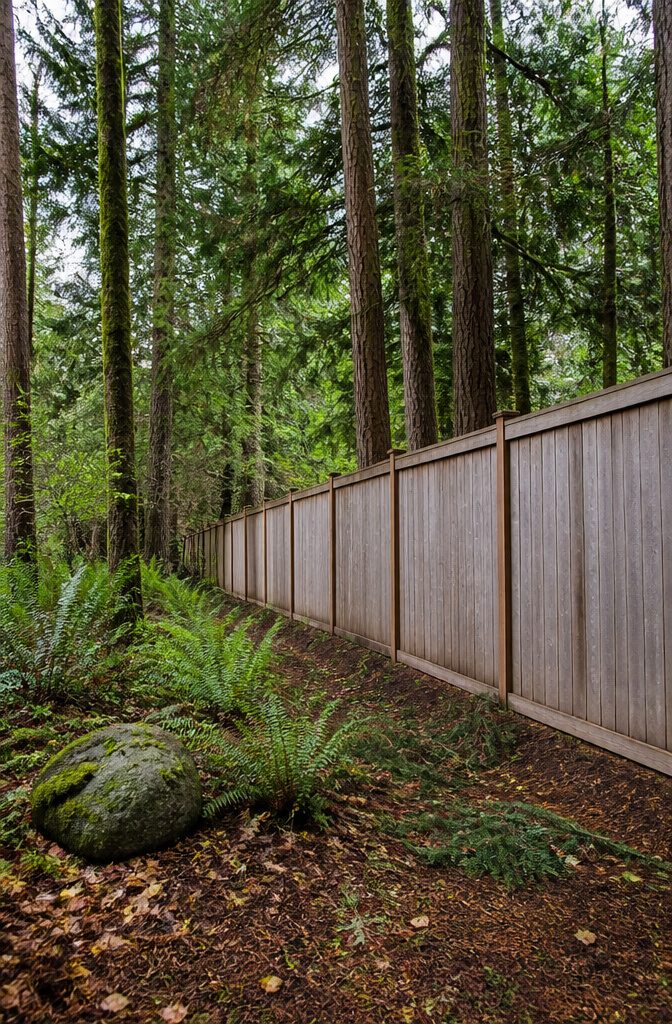
Suppliers say a properly installed Western Red Cedar fence should last 20 years, and the "properly installed" part carries the claim.
That figure is a producer estimate, not a measured result, so a sloppy build can fall well short of it. I’d treat 20 years as the target for a good installation, not a guarantee printed on the board.
The sustainability case is also the sellers’ own. Producers say cedar forests regenerate naturally and don’t need replanting after logging, and Real Cedar calls its fencing 100% natural, sustainable and ecologically responsible.
Those are descriptions from the people selling the wood, not audited results. If sourcing matters to you, ask the lumberyard where the boards came from.
Natural Resistance to Rot and Insects
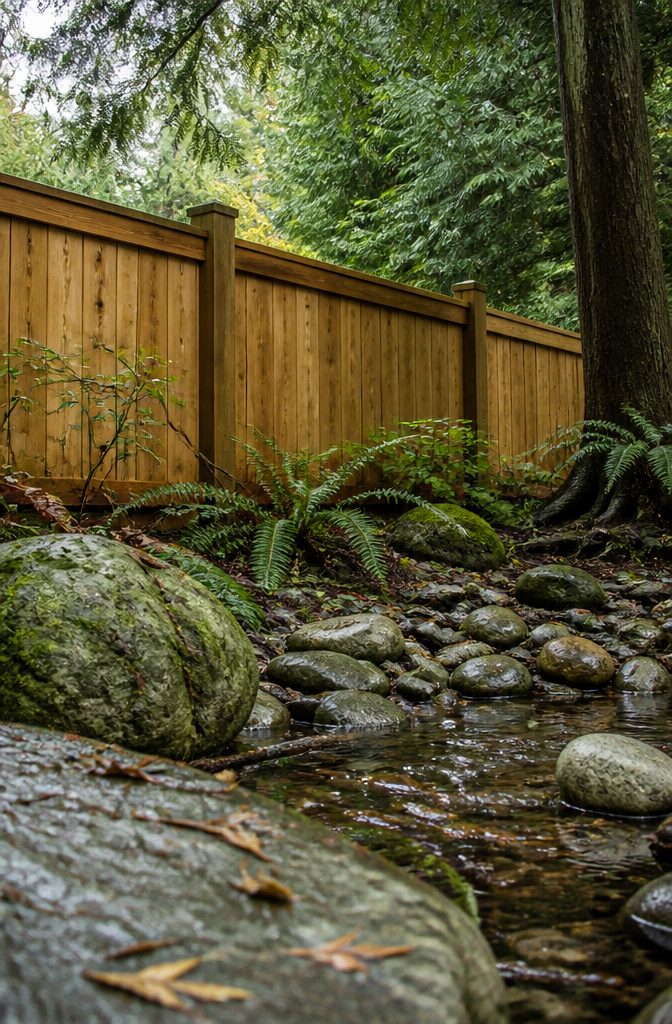
Cedar’s resistance to rot and insects comes from the wood itself. Its fibers are rich in natural compounds, including resins and tannins, that act as preservatives.
These help the boards resist moisture, decay and mildew, and they discourage insects as well, which is a large part of why a cedar fence lasts so long.
Because the protection is a trait of the species, I’d judge a fence by the wood you’re buying, not by what gets brushed on afterward.
Choose real cedar for posts, boards and rails alike, since any part left out becomes the weak point.
Textured Boards and Finishes
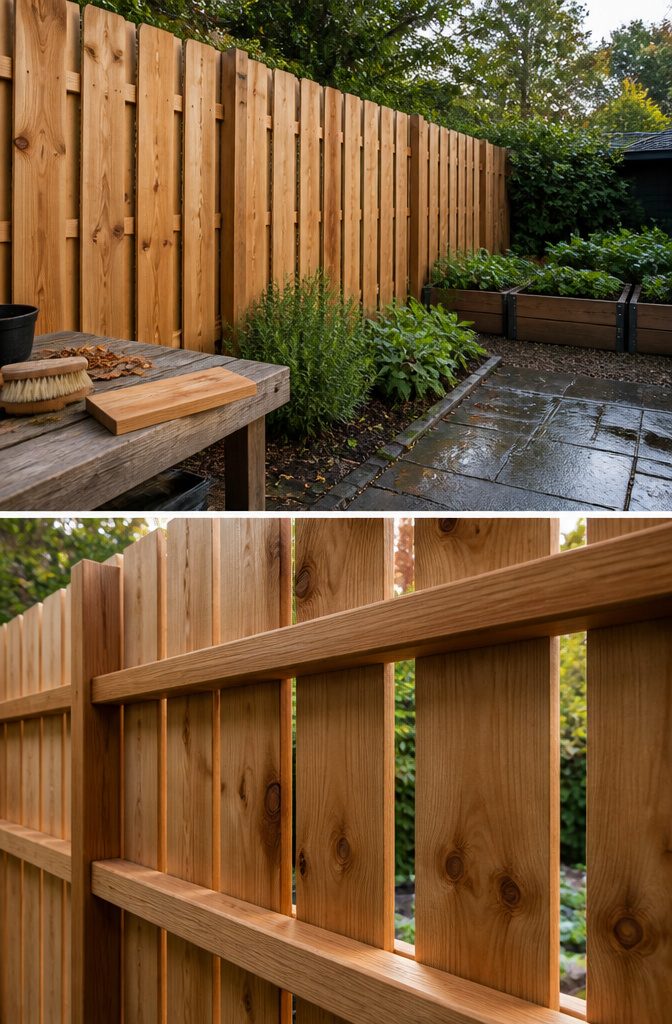
Knotty cedar boards are textured and graded on both faces, so each side performs and looks the same.
You never have a "good side" and a back side to argue over, and that evenness is a real advantage on a fence both you and your neighbor see.
The knots are part of the look, so expect a rustic result rather than clear, uniform grain.
Boards come in several surface textures, and I’d pick yours from a physical sample held outdoors in daylight. Store lighting flatters everything.
Finishing types and options are also on offer, and your choice depends on whether you want to keep cedar’s natural tone or change it.
Ask your supplier which finishes suit the texture you chose, because texture changes how any finish looks once it’s on the fence.
Frequently Asked Questions
Is cedar better than pressure-treated for fences?
A supplier with 30+ years in the wood business says Western Red Cedar holds up better than other common woods, but that is a seller’s opinion and this page has no head-to-head test against pressure-treated lumber.
Cedar’s protection comes from resins and tannins in the wood itself, and its boards resist cupping and twisting, so a fence stays flat.
A properly installed cedar fence is estimated to last about 20 years. Compare that figure with the rating or warranty on any treated lumber you are weighing.
What lasts longer, redwood or cedar?
No measured comparison is available here. The supplier behind this advice sells both redwood and cedar and says cedar holds up better in a fence, which is a seller’s view rather than a lab result.
For cedar, the estimate is about 20 years when the fence is installed properly. Ask your lumberyard for the expected lifespan of any redwood you are considering and compare the two figures.









