
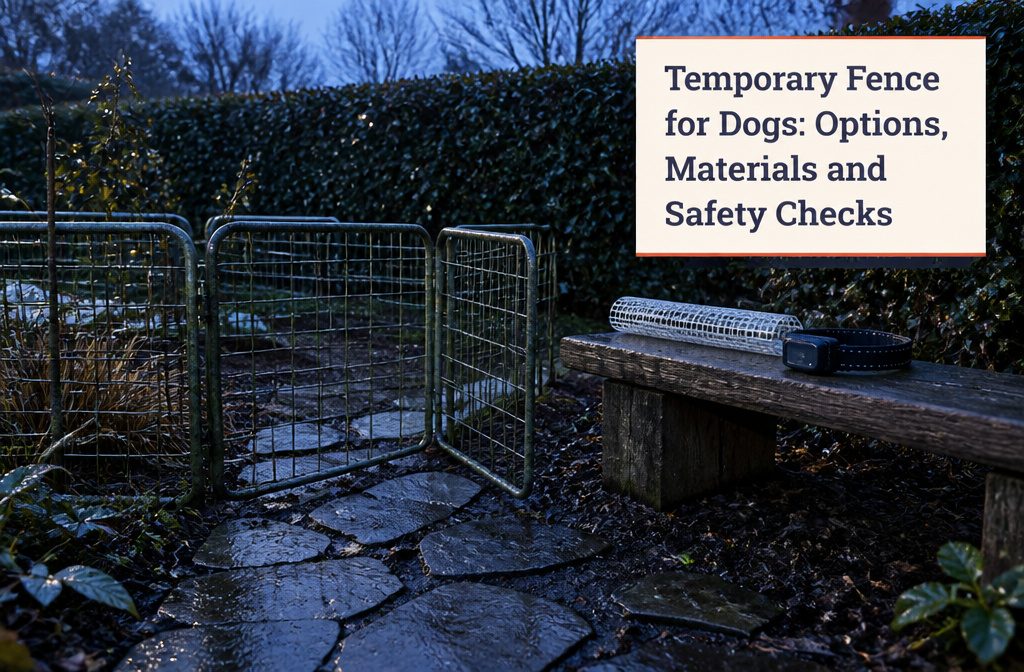
A temporary dog barrier is any fence you can set up and take down, from folding panels to PVC pipe with mesh to a wireless collar.
It works only if it fits the dog: 22-inch panels suit puppies and small dogs, and a collar needs a dog 5 months or older.
DIY Wire Fence
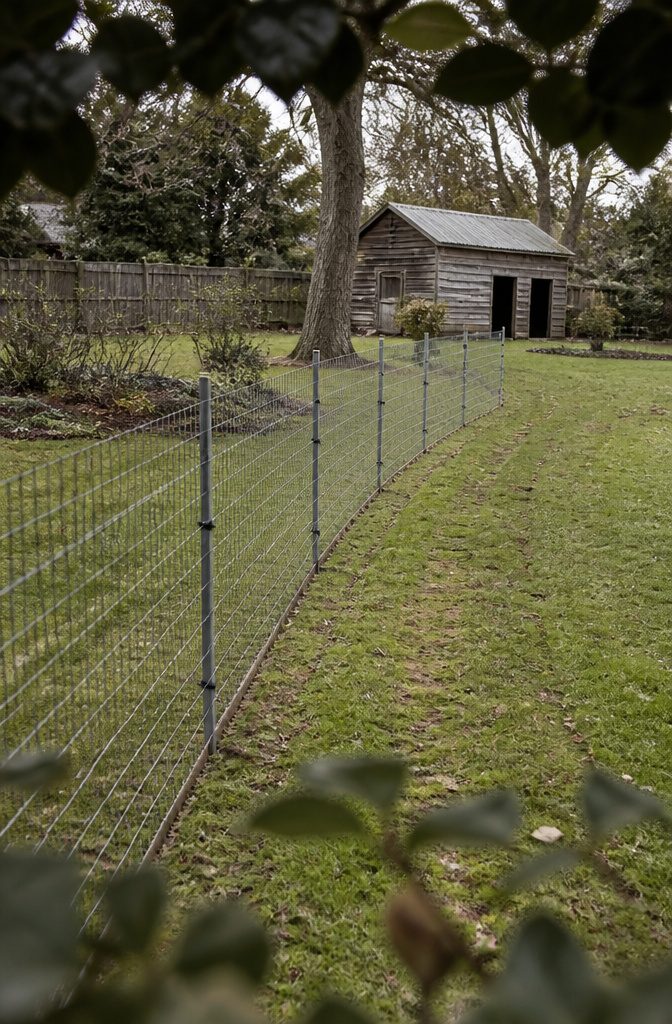
A DIY wire fence can follow any yard shape, which is its main advantage over ready-made panels. The price is your own labor: you need the skills, tools, hardware and materials before the first stake goes in.
Material sets both cost and lifespan.
Chain link and metal last longer, while vinyl or plastic costs less. For a temporary run, T-posts with wire or plastic mesh are the cost-effective pick, and chain link panels are the step up if you want something sturdier.
Pick material that handles harsh weather. Set recycled wood or metal stakes along the perimeter, then attach the fencing with zip ties and hold it down with ground anchors.
Recommended Products

EASY INSTALLATION WITH NO DIGGING-Designed for effortless setup, our no-dig garden fencing comes with pre-assembled panels that anchor into the ground using ground stakes. Create a beautiful outdoor fence without the hassle of complicated installation processes or special tools.

A win-win solution: The FXW Dog Playpen is designed to bring a win-win solution to you and your lovely dog. Different from a narrow enclosure cage or kennel, the FXW dog pen provides a spacious semi-open activity area specifically for your dog. Your dog will have fun in its safe and sturdy kingdom. Meanwhile, you can take a real break and be truly relaxed without worrying about your beloved pet. Fun, Relaxation and Well-being is the orientation of the FXW team.

Rust‑proof & Long‑lasting Construction:Made of premium metal wire with anti‑rust coating, this outdoor dog and garden fence resists cracking and bending. It holds up well against sun, rain and other harsh weather conditions for long‑term outdoor use.
Portable Pet Playpen
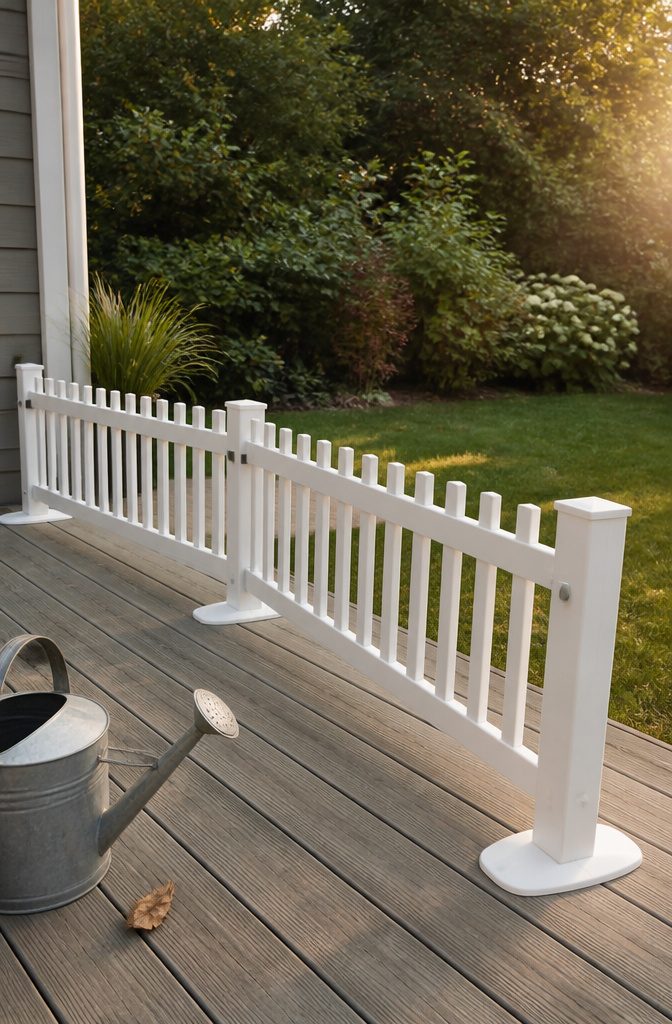
A playpen is the quickest temporary fence for a puppy.
It opens in a living room, on a deck or at a campsite, then folds away. The IRIS USA dog playpen comes in several sizes and colors.
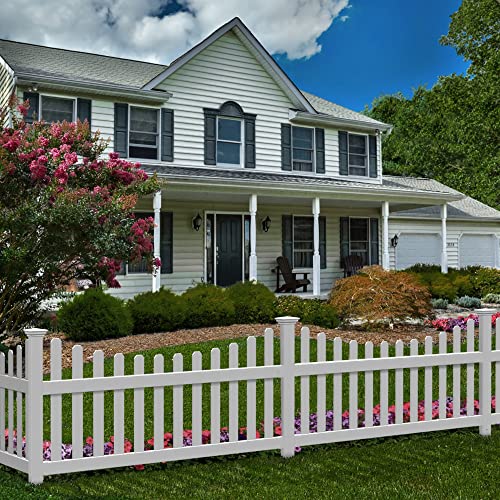
For a yard look, I’d pick the Portable Puppy Freestanding Vinyl Picket Fence: 2 panels, each 22 inches high by 44 inches wide, for $100. Connectors join panels in a straight line or at a right angle, and the feet have no-scratch pads.
It weighs 11.8 lb, needs no painting or staining, and has a 10-year warranty. Use it for puppies and small dogs only, since it isn’t recommended for large dogs.
Recommended Products

【Safe quality material】The pet playpen is made of high-grade thick mesh and 600D waterproof polyester oxford with reinforced seams. Consists of 8 mesh side panels and a half mesh top, well ventilated. You can have a 360-degree view of your pet's condition, and you can also give your pet a panoramic view of its surroundings.

All-Around Safe Haven for Multi-Pets: More than a daily indoor dog playpen, MZNZ pet enclosure serves as a soft, secure cat playpen, and gentle space for small animals need (rabbits,ferrets, hamsters, chickens), or recovering/pregnant pets. Whether separating a new rescue pet, setting up a nursing space for mom pets, or providing a calm retreat for post-surgery/sick pets, this soft puppy playpen meets your furry friend’s needs through every life stage. It’s a safe containment solution for various small to medium pets.

Safe and Superior Design: 8-panel form a circular shape, puppy playpen is composed of high-grade thick mesh and 600D polyester oxford fabric. Made from durable water-resistant materials. Removable zippered top can be removed easily removed for indoor use & closed for outdoor use to provide shade. Zippered door provides easy in/out access for your pet. Close the door to keep your pet safely inside.
Portable Fence Kit
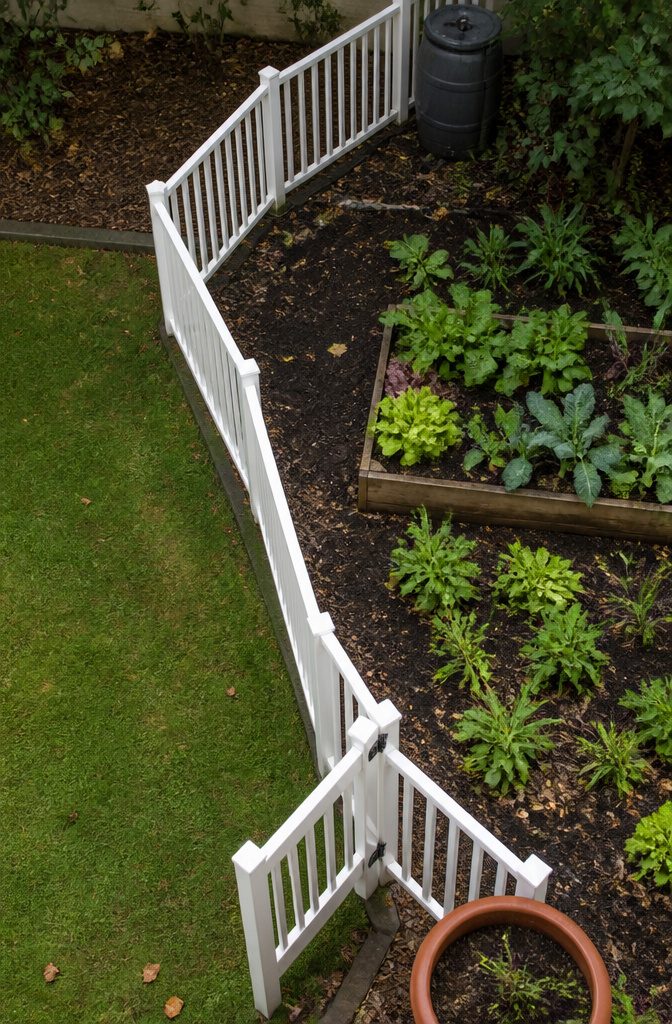
A kit supplies the raw materials for a boundary you shape yourself, so it fits an odd-shaped yard better than a playpen does. The cost is effort.
Kits often call for some installation experience and take longer to set up than a playpen. Measure the area you want to block off before ordering, so the amount of fencing matches the space.
For a first-timer, I’d pick a panel system like Mod-Fence over loose wire and staples. Its compounded PVC panels are durable and easy to clean.
They arrange into different shapes and sizes, and gate options let the dog in and out. Setup takes minutes, with no professional installers.
Recommended Products

PET & CHILD SAFE: Create a safe outdoor play area for fur babies and children. Rest assured that this fence will create a sturdy barrier to protect your family.

DIMENSIONS: Each panel measures 24" W x 24" H. One box comes with 6 total linear feet of white vinyl picket fence for your garden.

PORTABLE DOG FENCE: Perfect indoor or outdoor dog fence to keep your pet safe in front of doorways, entryways, porches, decks, and patios. Not recommended for large dogs.
Pet Gate
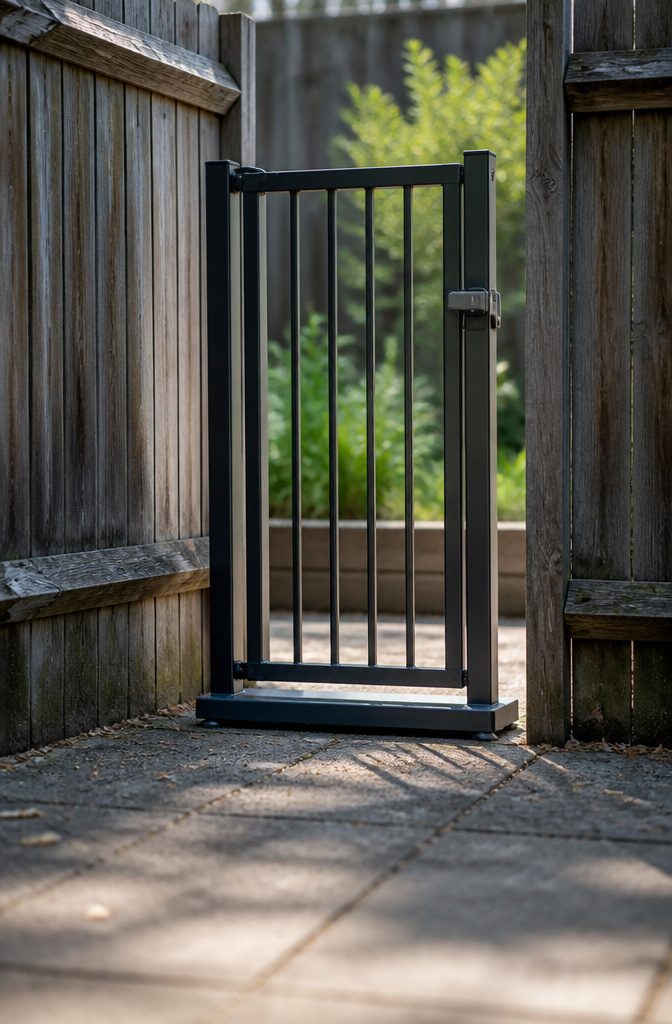
A gate works when part of the boundary already exists, such as a fence run, a wall or a gap between two structures.
Measure the opening first, then buy a gate that matches that length. For a temporary setup, a pressure-mounted gate is the better pick: it needs no hardware and goes up or comes down in minutes.
Hardware-mounted gates attach to the wall and stay there, so they suit an opening you’ll block for years.
Check the latch on either type. The Mod-Gate Panel is a good example: its secure latching system keeps a dog from opening it by accident, and its square base keeps it upright on impact.
Recommended Products

Package Including: 8 pcs of 4 feet fence post, green color, light duty. These metal posts for fence are sturdy with U-shaped design and durable.
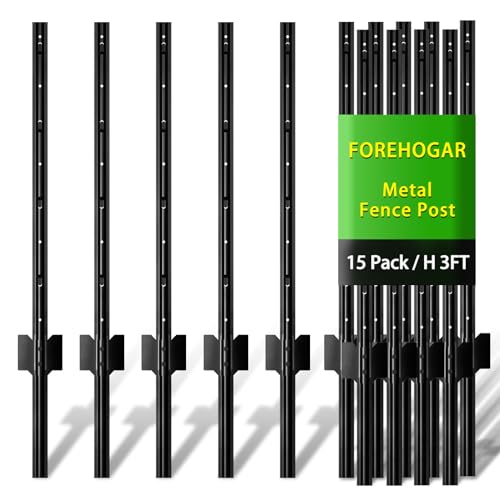
Package Including: 15 pcs of 3 feet fence post, black color, light duty. These metal posts for fence are made of rugged steel 14 Gauge thickness, which are sturdy with U-shaped design and durable.

Heavy Duty Posts: These t posts are made of 0.08" (2mm) rugged steel to ensure the fencing post is stable and durable
Wireless Dog Fence
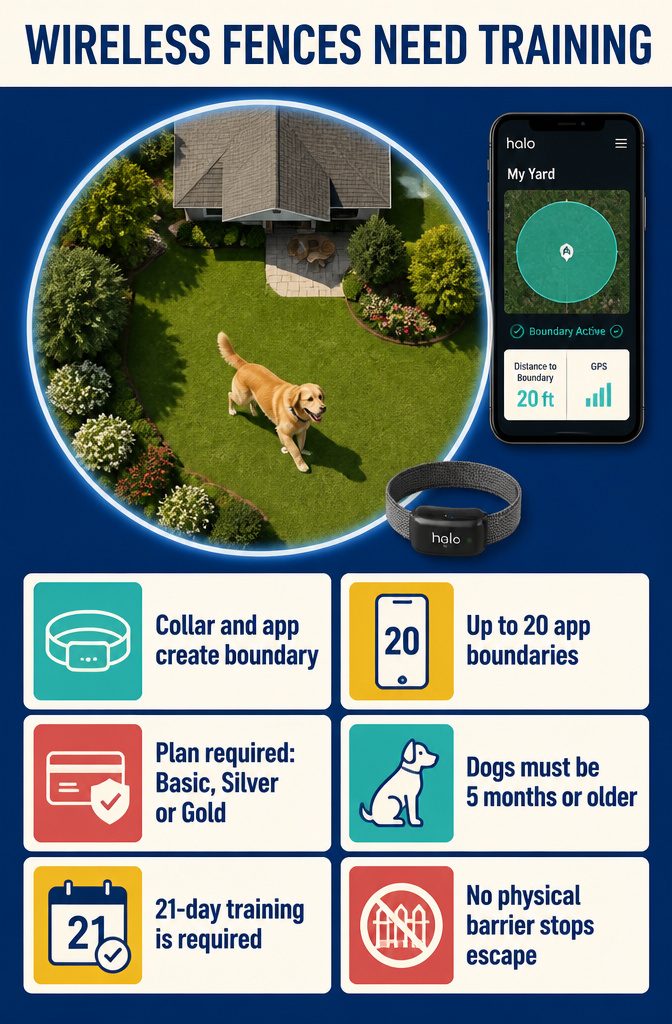
A collar and app can mark off a yard with no posts, panels or digging.
Wireless fences create a temporary barrier with a collar and mobile app so you don’t have to install physical equipment.
That suits a rental or a short stay. For the Halo 2+ Wireless Dog Fence and GPS Dog Collar, here is what to know:
- Dogs must be 5 months or older. A younger puppy needs a physical barrier.
- The app sets up to 20 wireless boundaries.
- A Basic, Silver or Gold plan is required to activate it.
- It arrives mostly preassembled, with no underground wire.
- The app includes a 21-day training program. Treat it as required.
- Nothing physical stops a dog, so the training decides whether the boundary holds.
Recommended Products

✅ TESTED & TRUSTED BABY SAFETY GATE FOR OVER 30 YEARS: Parent-trusted baby safety product certified by the Baby Safety Alliance. Designed to support everyday baby proofing and help keep babies and toddlers safe at home.

4 Pack 8MM Baby Gate Threaded Spindle Rod, Extra Longer 12CM (4.8 Inches) Replacement Hardware Parts Kit for Pet & Dog Pressure Mounted Safety Gates - Extra Long Wall Mounting Accessories Screws Rods Adapter Bolts Black

EXTRA WIDE DOG GATE FOR DOORWAYS & BOTTOM OF STAIRS: Fits openings 29–36.5" wide and stands 30" tall. Fits 29–32" without extension and 34–36.5" with the included 4" extension. DOES NOT FIT OPENINGS BETWEEN 32–34". Measure your opening before purchase to confirm fit.
PVC Pipe and Mesh Enclosure
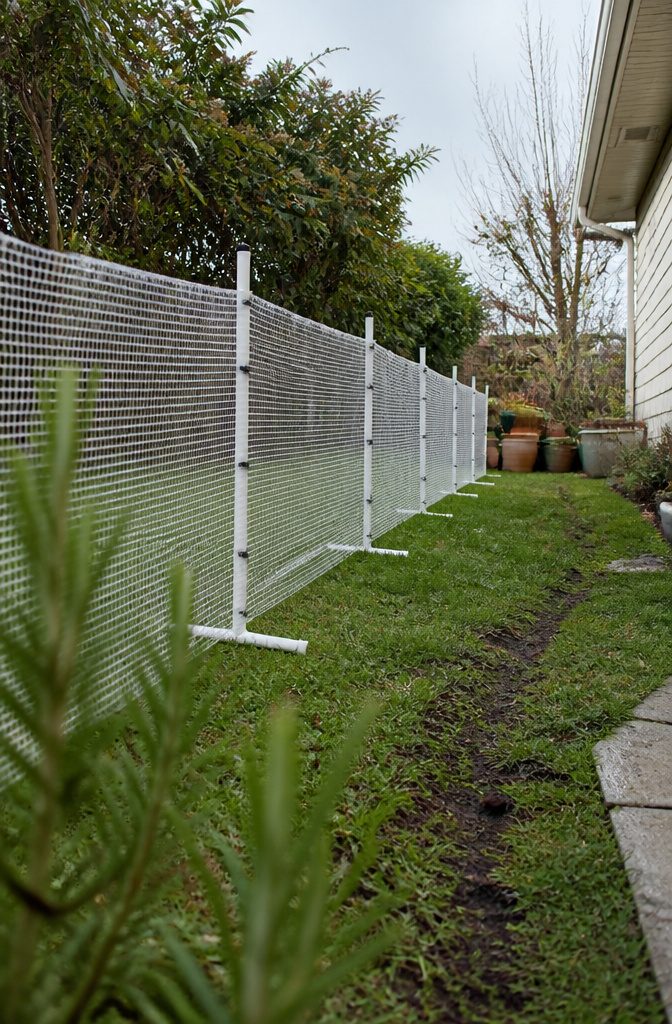
PVC pipe posts with plastic mesh make one of the lightest and cheapest temporary fences you can put together. The pipe is lightweight, affordable and easy to work with, so one person can carry and set up the whole run.
Attach the mesh to the posts with zip ties, or use clamps if you plan to take the fence down and reuse it.
Anchor every post with a ground stake or a temporary fence foot, because bare pipe is too light to hold against a pulling dog.
I’d pick this setup for a calm adult dog or a puppy still learning boundaries. A determined jumper or chewer will get past mesh and thin pipe, so choose something sturdier for those dogs.
Recommended Products

🐶 【Pet Safety Space】Our dog fence is 40" high, consisting of 16 fences with two gates,which can be built into a 100"×100"square field or other various shapes of fields. There is enough space for small/medium/large dogs to play. The height of 40"H is sufficient for safety,provide them with sufficient living and playing space.

TOTAL 30 PANELS, 42.5FT LONGER SIZE - Included 30 panels of fences, total length: 42.5 feet, more fences, and longer lengths can meet more of your needs, including filling the gaps under the bottom of the existing fence, building garden edging border, surrounding the garden bed to avoid plant damage, etc

【Minimal Upkeep, Maximum Durability】Ditch wooden fences for our rustproof metal fencing. It resists rot, warping, and fading, requiring minimal maintenance for long-lasting reliability.
Garden-Border Enclosure
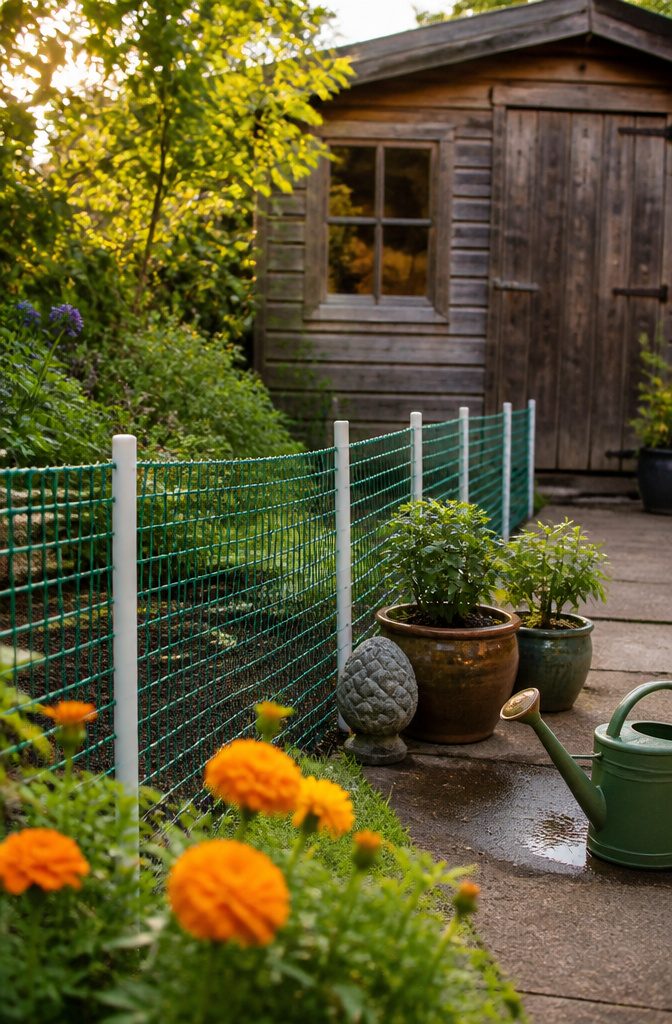
Decorative garden fencing makes a workable low barrier for a small dog, and you may already own some.
It will not stop a jumper, and a larger or more determined dog can clear it or push through it, so use it only for small dogs that tend to stay put.
Plastic garden fencing is the cheapest version. Run it between PVC pipe posts and you have an inexpensive enclosure that is quick to set up and easy to take down again.
Plastic mesh looks temporary, but pots of plants or a few garden ornaments along the outside make it blend into the yard.
Recommended Products

Safe and Superior Design: Puppy playpen is composed of 600D Oxford cloth and scratch-resistant high-grade washable thick mesh which makes the cleaning easier. It is designed into a Spacious 4-panel design with protected seams and reinforced corners to ensure your pet's safety. Zippered door provides easy in/out access for your pet. Close the door to keep your pet safely inside.

【Spacious & Comfort】: This dog playpen keeps your pet stay in this pet playpen secure, spacious interior give more fun for your pet. Size is 29*29*17 inches, great for small animals up to 10 LB. There are 1 inch error range because of technical issue. The goozii pet playpen is also a ideal present as christmas gifts for dog cat lovers.

[Suitable for Most Small Animals]:Length:47’’,width:24’’,height:15’’, then suitable for small animals, such as chinchillas, mice, mini pig, bunny, guinea-pigs, gerbils, ferrets, squirrel, reptile .etc.
Pallet Fence
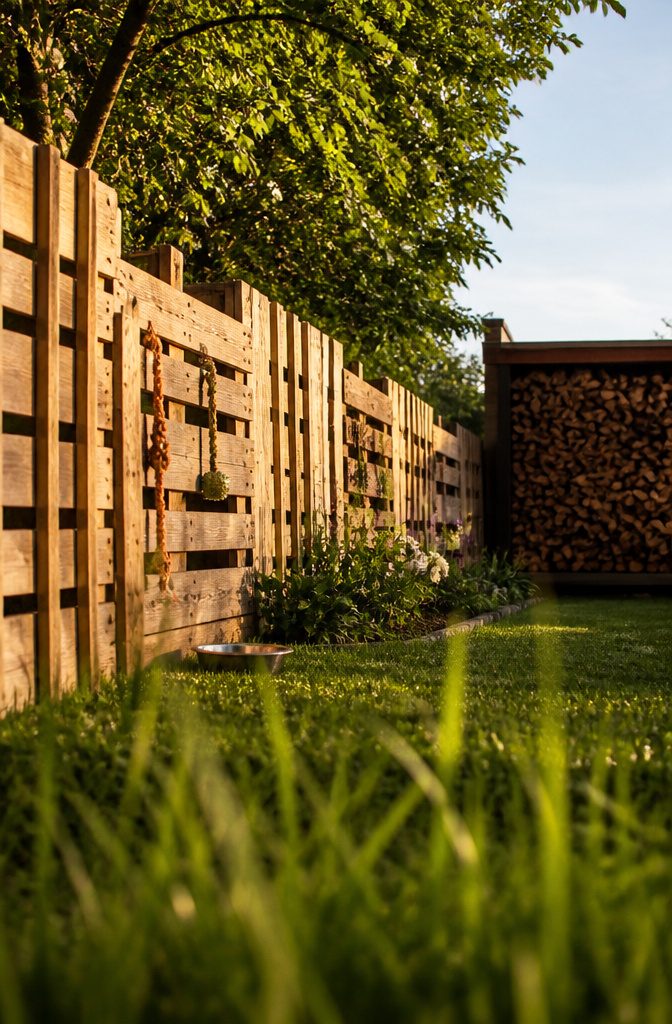
Wooden pallets stood on end and fastened together at each joint make a rustic enclosure, as long as the corners are tied firmly enough that they can’t swing open.
Attaching dog-safe toys to a few sections is a useful design detail. It gives a bored dog something to do along the fence line without adding a separate structure.
Pallets need more inspection than most temporary fencing.
Run a hand along every board for splinters, and pull or hammer down any protruding nails. Then check the slats for gaps.
Any opening a dog could squeeze through, or chew wider, should be covered or that section left out. Chewers and puppies will find the weakest slat first.
Recommended Products

High-quality and Durable Material: The welded wire garden fence mesh is made of high-quality galvanized steel wire, which is strong and not easy to break, and the black vinyl coating on the surface provides additional protection against rust and corrosion
PET & CHILD SAFE: Create a safe outdoor play area for fur babies and children. Rest assured that this fence will create a sturdy barrier to protect your family.

DIMENSIONS: Each unit is 41" H x 44" W and includes 2 complete fence panels with posts for a total of 88in of fence.
Matching the Fence to Your Dog
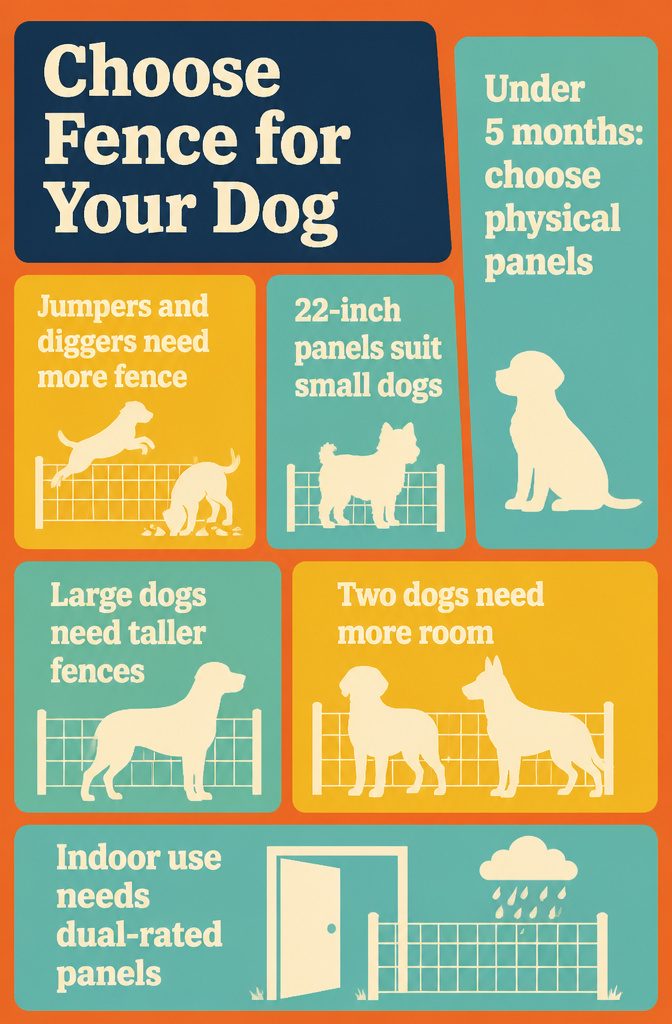
Behavior settles the choice first: a jumper, digger or escape artist needs more fence than a calm dog of the same size. Size comes next.
Panels 22 inches tall suit puppies and small dogs, and they aren’t recommended for large ones. Big dogs need taller fences, and two dogs need more room than one.
A wireless collar only works for dogs 5 months and older, so a younger puppy needs physical panels. If the dog will also exercise indoors on rainy days, buy panels rated for indoor and outdoor use.
Events, pop-up dog parks and campsites call for panels that set up in minutes and link into any shape. At home, fit the footprint to your yard layout, then weigh budget, durability and looks.
Recommended Products

[Durable Structure] The fence columns are made of high-quality metal and are designed to withstand harsh weather conditions. Nano-paint on the surface can prevent rust and corrosion and extend service life.

Package Including: 15 pack of 6 feet fence posts by splicing method. Each post consists by two parts fasting with screws, black color, light duty. Use for installing 5 feet wire fence.

Package Including: 15 pcs of 4 feet fence post, green color, light duty. These metal posts for fence are sturdy with U-shaped design and durable.
Containment and Safety Checks
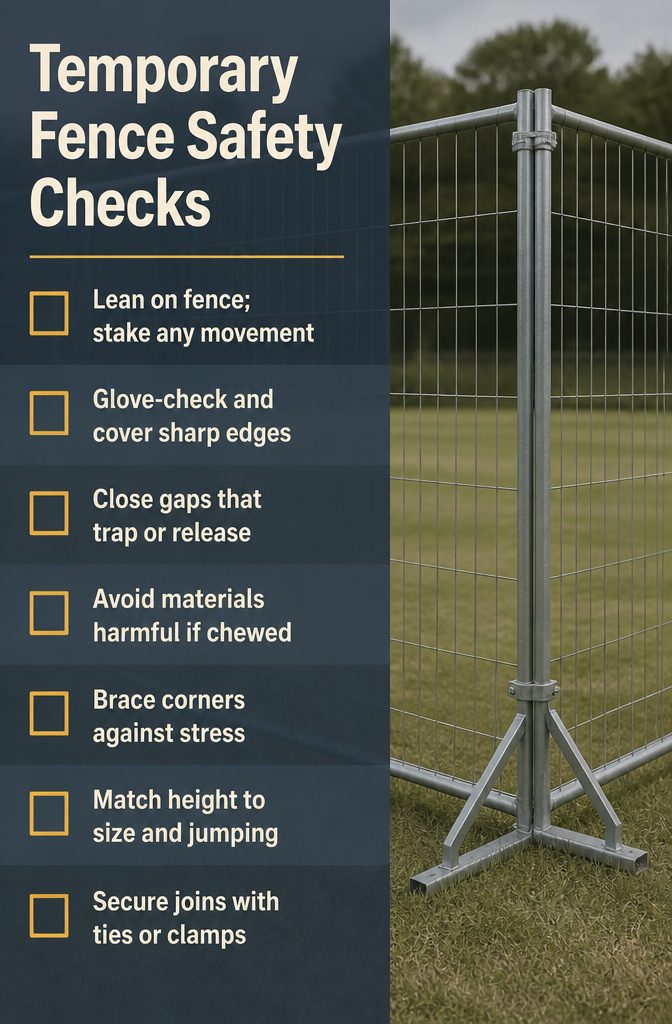
A temporary fence only works if the dog stays inside it, and a dog that gets out can wander off before you notice. Check these before leaving your dog alone with it:
- Lean on the fence yourself. If it tips or shifts, add ground stakes or temporary fence feet.
- Sharp edges: run a gloved hand along cut wire, metal ends and clamps, then file or cover any point.
- Gaps: a dog shouldn’t be able to squeeze through or get stuck in any opening.
- Chewable materials: skip anything harmful if chewed.
- Corners: they take the most stress, so brace them first.
- Height: match it to your dog’s size and jumping ability.
- Joins: fasten sections with zip ties, wire or fence clamps so they can’t be pushed apart.
Recommended Products

TESTED & TRUSTED BABY SAFETY GATE FOR OVER 30 YEARS: Parent-trusted baby safety product certified by the Baby Safety Alliance. Designed to support everyday baby proofing and safer spaces at home.
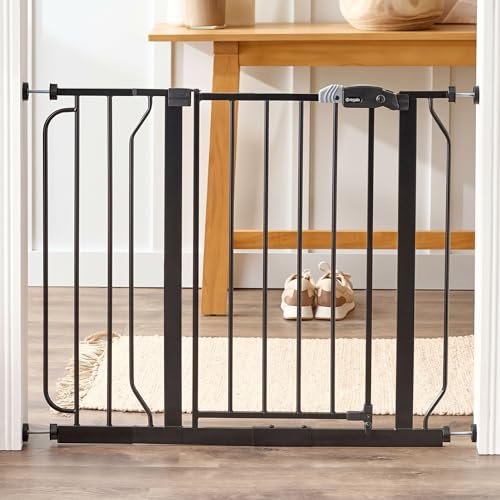
✅TESTED & TRUSTED BABY SAFETY GATE FOR OVER 30 YEARS: Parent-trusted safety gate certified by the Baby Safety Alliance.

WORRY-FREE SAFETY: Keep your pet contained and your home safe with the MYPET Universal 26" tall Pet Gate. This expandable dog gate fits a variety of openings from 26" to 42" wide. Made of strong, durable plastic and features two installation options.
Materials and Upkeep
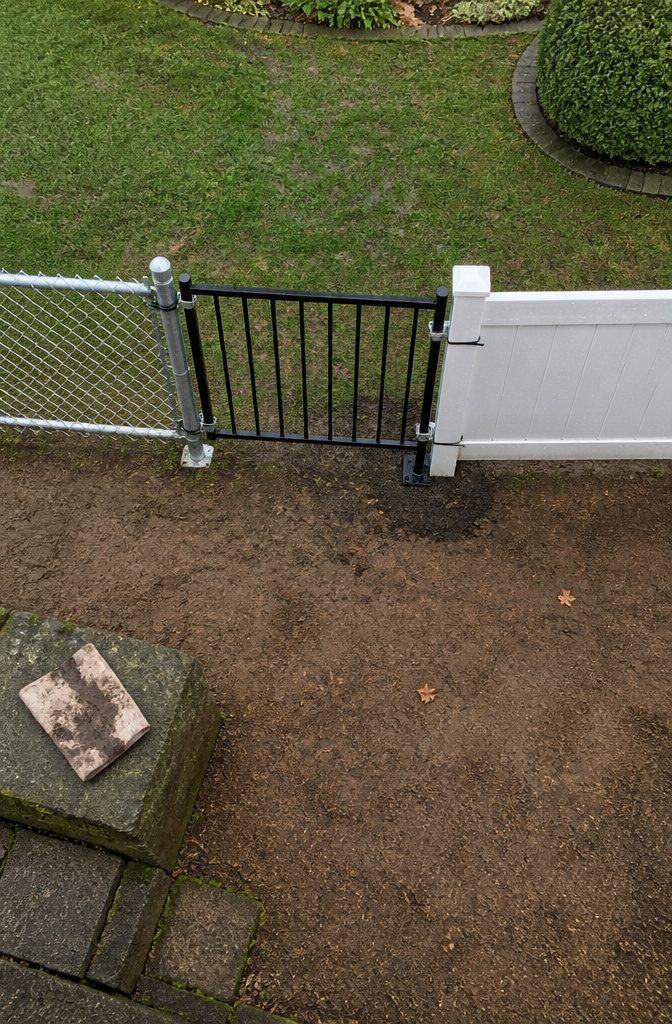
For a dog that leans on or tests the fence, I’d pick chain link or metal panels first, since they’re the most durable. Compounded PVC and vinyl come next: both wipe clean, and vinyl needs no painting or staining.
Chicken wire and plastic garden fencing cost little, but they suit only smaller, calmer dogs. Pallets can work as sturdy, rustic sections if the boards are sound.
Upkeep is short. Inspect the line regularly for loose connections, wipe off mud, repair gaps right away, and shield or take down panels before harsh weather.
Anchor every run with ground stakes or fence feet, and bind joints with zip ties, wire or clamps.
Frequently Asked Questions
What materials can I use for a temporary dog fence?
Common choices are T-posts with wire or plastic mesh, PVC pipe posts, chicken wire, plastic garden fencing, wood pallets, and chain link panels. Chain link and metal last longest, while vinyl and plastic cost less.
Chicken wire and plastic garden fencing suit only smaller, calmer dogs. Pick material that holds up to your local weather.
What are some quick and creative temporary fence ideas for dogs?
For fast setups, use PVC pipe posts with plastic mesh, chain link panels joined with zip ties as a movable run, a garden border fence for a small dog, or a pallet fence.
For something more creative, try a PVC pipe playhouse that doubles as a fence, a raised garden bed border, or a rolled bamboo screen. You can also attach dog-safe toys to pallet sections to keep a bored dog busy.
What are the cheapest ways to fence in a dog temporarily?
T-posts with wire or plastic mesh are the cost-effective pick for a temporary run. PVC pipe posts with plastic mesh or plastic garden fencing are among the cheapest and lightest options, and one person can set them up.
Anchor the posts with ground stakes or fence feet, because bare pipe is too light to resist a pulling dog.
How do I choose the right temporary fence for my dog?
Start with behavior: a jumper, digger or escape artist needs more fence than a calm dog of the same size. Next, match height to size, since 22-inch panels suit puppies and small dogs only.
Then weigh yard layout, budget, durability and looks. A playpen suits a puppy, a kit suits an odd-shaped yard, and linking panels suit events and campsites.
Will a temporary fence hold a dog that jumps, and how big a dog will it contain?
Low fencing will not hold a determined jumper. Panels 22 inches high suit puppies and small dogs only and are not recommended for large dogs, and garden border fencing will not stop a jumper at all.
Mesh on thin pipe also fails against a jumper or chewer, so choose taller, sturdier chain link or metal panels for those dogs.
Can I add a gate to a temporary dog fence?
Yes. Panel systems such as Mod-Fence offer gate options so a dog can go in and out.
If you only need to close an opening in an existing fence or wall, a pressure-mounted pet gate needs no hardware and goes up in minutes. Check that the latch keeps a dog from opening it by accident.
How can I make a temporary dog fence look better?
Set pots of plants or a few garden ornaments along the outside of plastic mesh so it blends into the yard.
A vinyl picket-style panel gives a yard look without painting or staining. Any decoration should stay outside the enclosure, where the dog cannot chew it.
How do I maintain a temporary dog fence?
Inspect the line regularly for loose connections, wipe off mud, and repair gaps right away.
Shield panels or take them down before harsh weather. Keep every run anchored with ground stakes or fence feet, and keep joints bound with zip ties, wire or clamps.
Do wireless dog fences work?
They can, for dogs 5 months or older, but nothing physical stops the dog, so training decides whether the boundary holds.
The Halo 2+ app includes a 21-day training program, which you should treat as required. A younger puppy needs a physical barrier instead.
What is a good lightweight temporary dog fence for camping?
A folding playpen is the quickest, since it opens at a campsite and folds away afterward. PVC pipe posts with plastic mesh are one of the lightest builds, but they need ground stakes to stay put.
Panels that set up in minutes and link into any shape also suit campsites. The 2-panel Portable Puppy Freestanding Vinyl Picket Fence weighs 11.8 lb but is for puppies and small dogs only.
Why would I need a temporary fence for my dog?
A temporary fence keeps a dog from wandering off, which can happen before you notice, and it gives the dog a safe space to exercise.
It suits rentals, short stays, events, pop-up dog parks and campsites. A playpen also works indoors on rainy days.









