
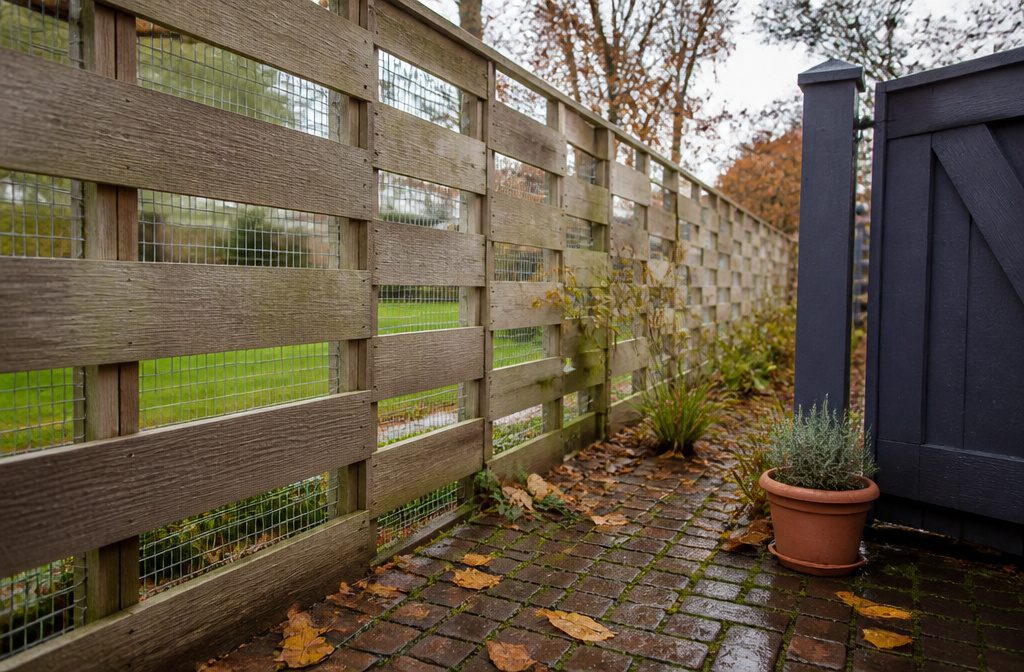
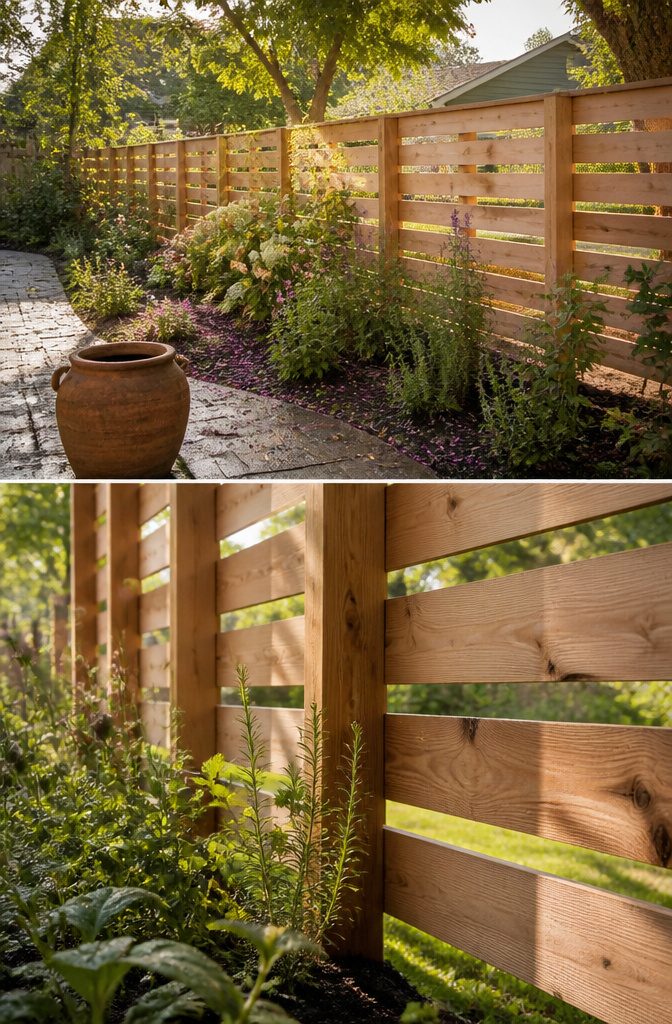
A fence with spaced boards, lattice, or shadowbox-style alternating boards screens about 50–75% of the view while passing air and light.
Gaps let small pets slip out, though, so containment needs wire mesh on the inside. Installed, it runs $15–$30 per linear foot, versus $20–$45 for a solid fence.
Visual Screening and Openness
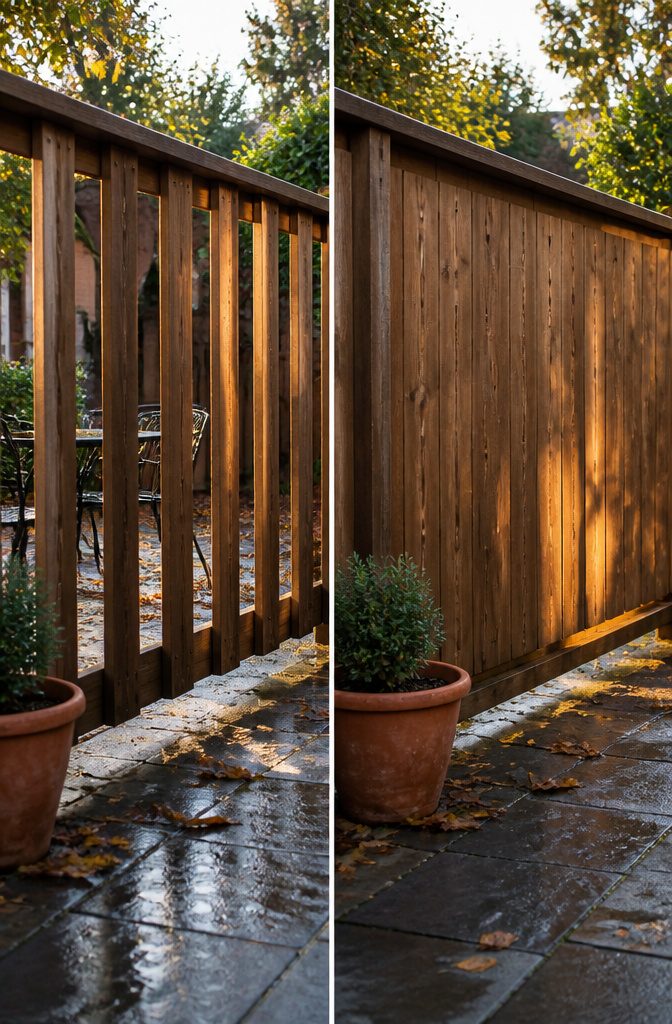
Boards set tight against each other block a view completely.
Space them out, swap in lattice, or alternate the boards on opposite sides of the rails in a shadowbox layout, and the fence stops being a wall and starts acting as a filter.
Seen straight on, these designs cover about 50–75% of the view. A neighbor or passerby can pick up movement and general outlines, such as someone at the patio table, but not a face, a label or what’s on the grill.
I’d choose this range for a yard you want to use without feeling walled in. If something has to disappear entirely, go with zero gaps instead.
Recommended Products

Privacy Fence Screen:Reed Fences are Amazing in Color and Opacity,The Bamboo reed Fencing Blocks the sun and the view of Neighbours,In additionour reed privacy screen can help hide flawed walls,replace old fences,improve backyard/balcony privacy and even prevent pets from jumping out from the balcony

High Quality Material and Construction: Shade&Beyond privacy screen is crafted from 170 gsm UV protected NON-RECYCLED HDPE fabric; featuring durable brass grommets on each side for secure installation

(Breathable Material with Some Visibility Through) Made with 100% new high density polyethylene(HDPE) material--no recycled materials used,more healthy and safe. Allow breeze and light pass through for better comfort space. Commercial solid fabric can achieve 95% UV protection to meet your requirement.Deck Shield Cover is perfect for Backyard Deck, Patio, Balcony Pool, Porch Railing.
Airflow, Wind and Shade
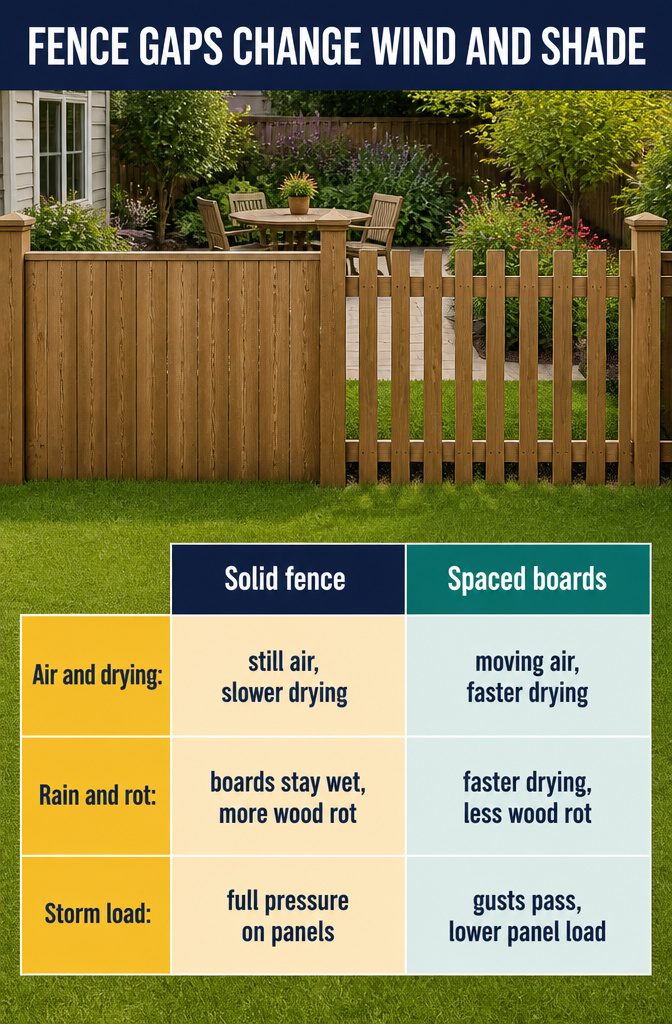
A solid fence holds air still. Shaded corners stay damp, the boards stay wet after rain, and the heavy shade can kill grass and stunt a garden.
Gaps between boards let air through, so the lawn and the fence itself dry faster, which cuts rot in wood. Filtered sunlight also reaches the beds.
Wind cuts both ways.
A solid fence shelters patio furniture and plants from gusts, but it takes the full pressure of a bad storm. Spaced boards let gusts pass, so panels and posts carry less load.
For a storm-prone yard, I’d pick gaps. Post depth and hardware still matter either way, because spacing lowers the load without removing it.
Recommended Products

MDF Fence makes great fences for router table & other too Make you own brackets or use our aluminum fence blank (Sold Separately) The following is included: 2- 16" x 4" MDF...
Privacy and Security
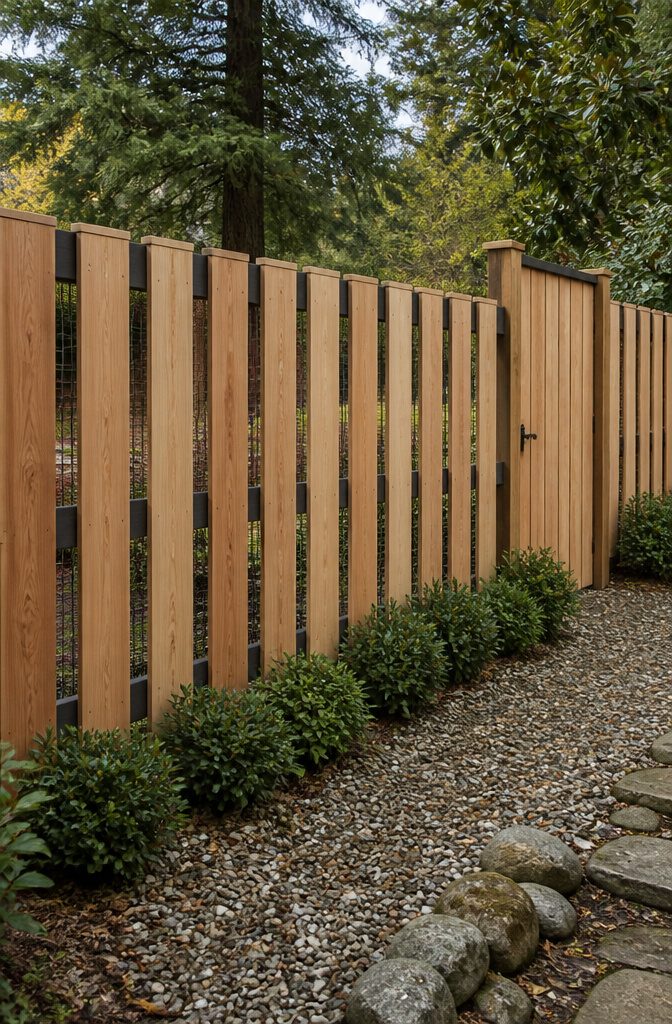
A full privacy fence uses boards set side by side with no gaps, so passersby can’t see into the yard. Kids and pets stay in, while wild animals and neighbors’ pets stay out.
A locked gate adds deterrence against intruders. For a yard with a pool or a bathtub, I’d choose it without hesitation.
A semi-private fence screens roughly 50 to 75 percent of the view from straight on. Passersby can still pick out movement and outlines, though not clear details, and the yard feels less boxed in.
Gaps also let small pets see out and possibly squeeze through, so add wire mesh along the inside before you count on it for containment.
Recommended Products
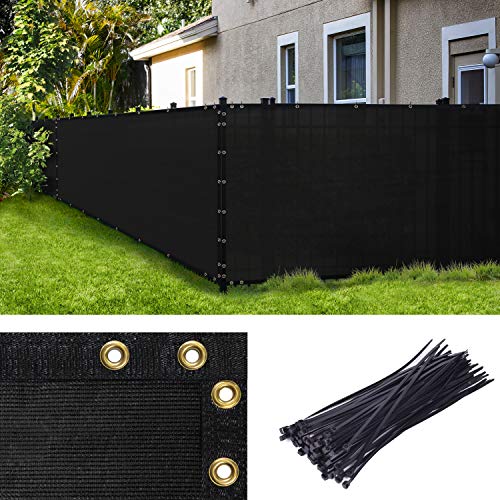
Backyard Privacy: Designed for 4-foot backyard fences, offering enhanced privacy by helping block views from neighbors and busy streets.
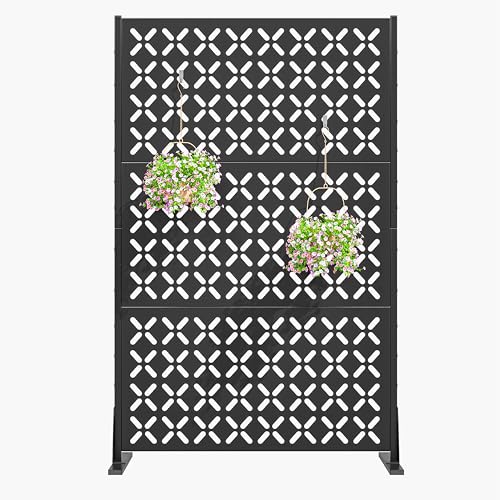
CREATE A MORE PRIVATE OUTDOOR AREA: This 72-inch outdoor privacy screen helps define a comfortable seating, dining or relaxation space without making the area feel closed in. The open geometric metal panels provide partial privacy while allowing natural airflow and light, making the screen suitable as a patio privacy screen, balcony privacy screen, deck privacy screen or decorative fence panel.

Appearance and Setting
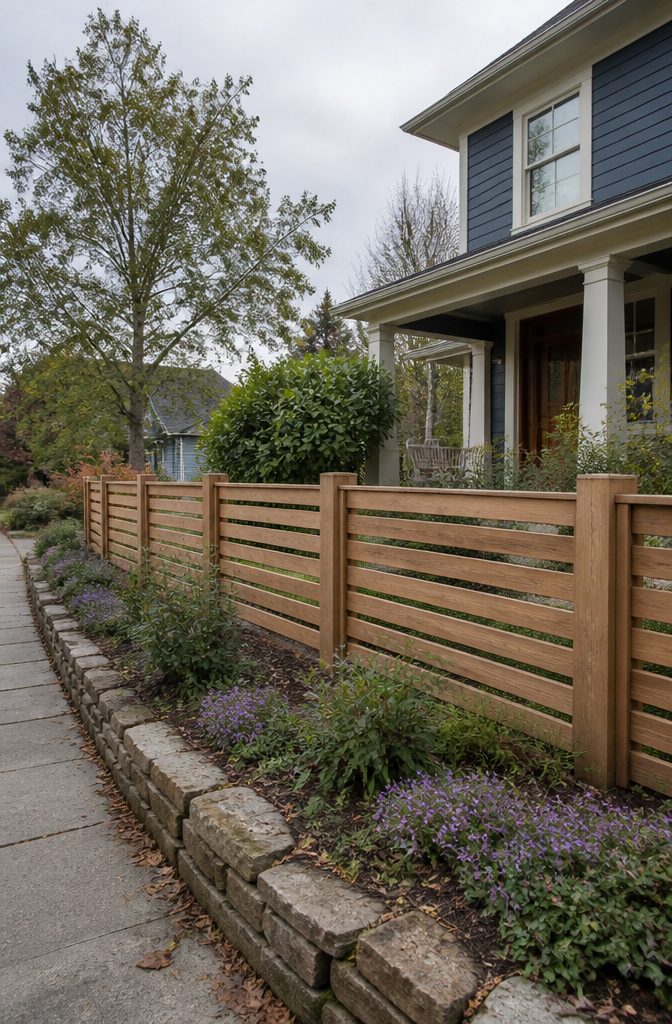
Small gaps between the boards make a semi-private fence read as see-through, so the yard stays tied to the street, the neighbor’s trees and the sky.
A solid privacy fence gives a cleaner, more enclosed backdrop. Either type adds curb appeal and frames the planting.
Heights run 4–6 feet.
For backyards, 6 feet with 8-foot panels is the common pairing. In a front yard I’d stay at 4 feet, which keeps the house visible and stays under most HOA limits.
Many areas require no permit at or below 6 feet, but local rules vary. Setbacks, HOA covenants and utility easements can still apply, so call the building department first.
Recommended Products

WELDED WIRE FENCE ROLL FOR ANIMAL ENCLOSURES AND GARDEN PROTECTION – 2 in. x 3 in. mesh welded wire fence roll designed for animal enclosures, rabbit fencing, chicken runs, garden protection, and property boundaries, providing secure containment while maintaining visibility and airflow.
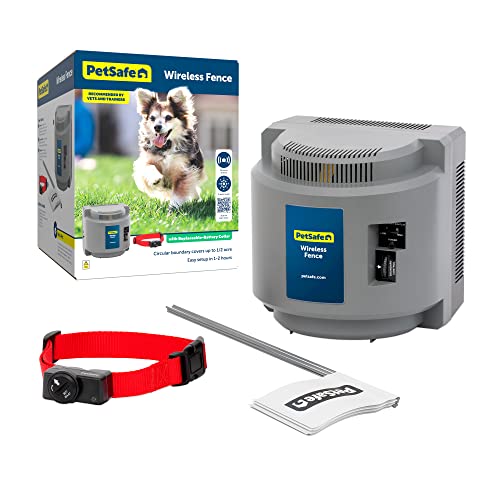
1/2 Acre Of Circular Coverage: The adjustable circular range can cover up to 1/2 acres from the placement of the portable indoor transmitter, and can be expanded further with purchase of an additional transmitter

Expand Your Existing In-Ground Fence: 500 feet covers approximately 1/3 of an acre
Lattice, Shadowbox and Slat Designs
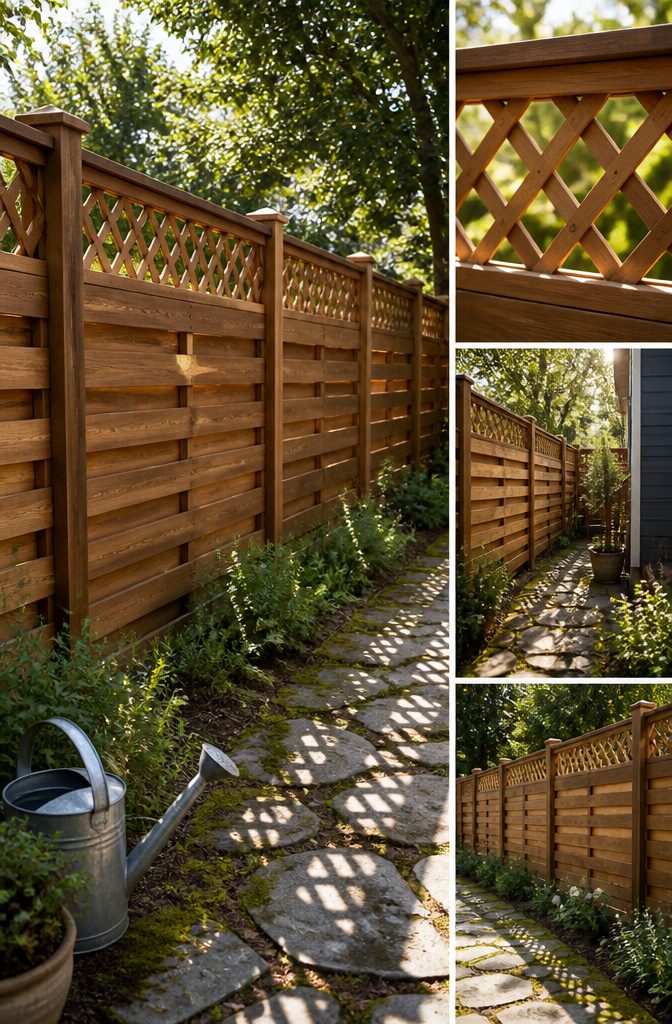
Semi-private styles differ mainly in how they open up:
- Shadowbox fixes boards on alternating sides of a central rail. Straight on it reads as solid, and from an angle air passes through. It looks the same from both sides, so it’s the one I’d start with.
- Lattice uses thin crisscross slats. A lattice top over a solid lower section lets light filter in near the top.
- Horizontal slats give a clean, modern line. Spaced boards, or planks in mixed heights and widths, add variety.
- Cedar with aluminum pairs the warmth of wood with metal’s corrosion resistance.
Full privacy sits at the other end.
Lockboard (tongue-and-groove) can block airflow, and stockade panels sit side by side with no gaps. Open picket and ranch rail fences screen almost nothing.
Recommended Products
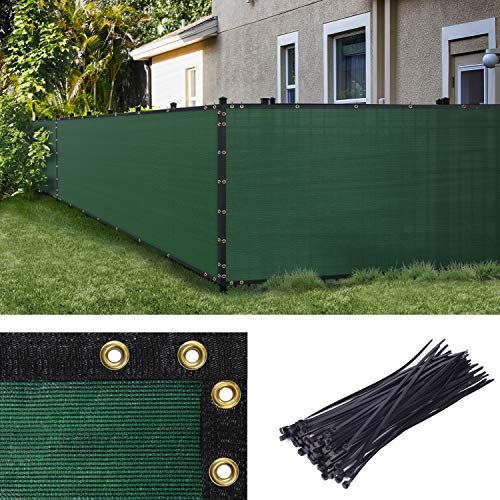
Backyard Privacy: Designed for 4-foot backyard fences, offering enhanced privacy by helping block views from neighbors and busy streets.

【Made of Quality Materials】Our fence screen is made of 100% new HDPE, which provides 90% visible coverage, 85%-90% shading rate and 95% UV protection. It allows air and wind to pass through, hiding dust, and stopping dogs from barking.

【Artistry in Gardening】 More than an assembly tool, UPHODE black metal fence post is your creative partner in realizing your ideal gardening life. A fence isn't just a boundary—it's a guardian of family memories. Now, all you need is your favorite wood. Together with your loved ones, you can build safety and warmth for your home through relaxing, joyful collaboration, as if creating a large-scale work of art. Let your garden project be filled with accomplishment and delight from the very start.
Materials and $15–$30 a Foot
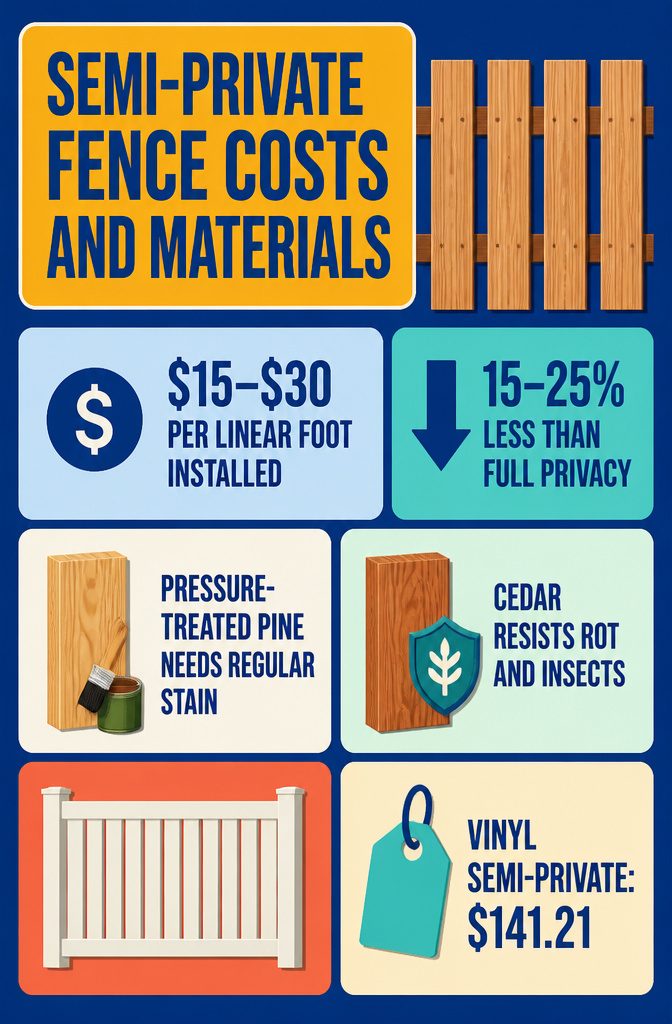
Installed cost runs about $15–$30 per linear foot for semi-private, against $20–$45 for full privacy, roughly 15–25% less.
Over a 100-foot run, that is $1,500–$3,000 versus $2,000–$4,500. Gaps between boards mean less material per foot, and the savings follow.
For the budget, I’d pick pressure-treated pine and stain it regularly. Cedar and redwood cost more but resist rot and insects, and cedar ages to a silver patina.
Vinyl and composite cost more upfront and need little upkeep. One vinyl line, made from 100% virgin vinyl at about 5 to 6 feet tall, lists semi-private at $141.21 and privacy at nearly $159.
Recommended Products

(Breathable Material with Some Visibility Through) Made with 100% new high density polyethylene(HDPE) material--no recycled materials used,more healthy and safe. Allow breeze and light pass through for better comfort space. Commercial solid fabric can achieve 95% UV protection to meet your requirement.Deck Shield Cover is perfect for Backyard Deck, Patio, Balcony Pool, Porch Railing.

Enjoy instant privacy and greenery—no watering, no fading, just effortless style all year round

High-Quality Privacy Fencing: Our composite fence panels are crafted from sustainable wood-plastic composite materials,not only offering the authentic texture of natural wood but also have a range of advantages,including environmental friendliness and durability.
Semi-Private vs Full Privacy
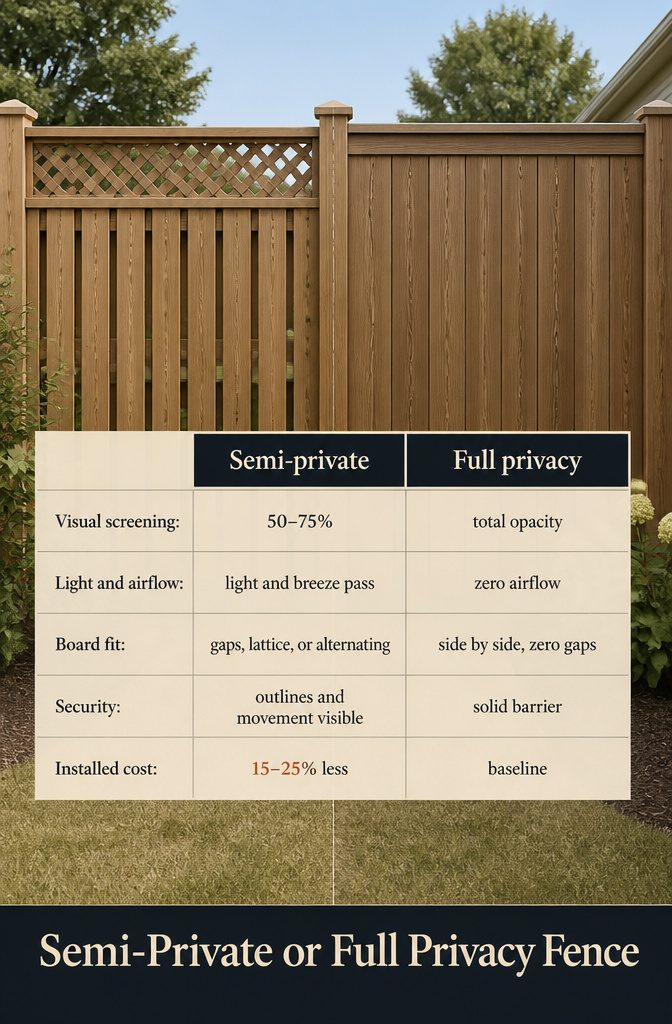
Semi-private wins for most backyards: it keeps clear details out of sight and costs less. Choose full privacy only if you need a solid wall, such as next to foot traffic or a close neighbor.
| Semi-private | Full privacy | |
|---|---|---|
| Board fit | Uniform gaps, lattice top, or alternating boards | Side by side, zero gaps |
| Visual screening | 50–75 percent from straight on | Total opacity |
| Light and airflow | Light and breeze pass through | Zero airflow |
| Security | Outlines and movement visible | Solid barrier |
| Look | Less boxed in | Solid wall |
| Installed cost | 15–25 percent less at the same height and material | Baseline |
Choosing for Your Yard
Full privacy wins in dense neighborhoods, along busy roads, next to public spaces with foot traffic, and anywhere noise is a daily problem.
Solid panels fitted tightly together block prying eyes and cut sound, and I would pick them over slats in those settings.
Semi-private wins in quieter, roomier yards, especially if you garden. Flowers, herbs and shrubs need sunlight, which a solid fence blocks, and a semi-private one also lets a breeze reach your patio on a humid day.
Go semi-private when sun and airflow matter more than total screening, and accept that neighbors can catch glimpses. Go solid when quiet and seclusion come first, and accept shade over your beds and stiller air.
Recommended Products

CREATE A MORE PRIVATE OUTDOOR AREA: This 72-inch outdoor privacy screen helps define a comfortable seating, dining or relaxation space without making the area feel closed in. The open geometric metal panels provide partial privacy while allowing natural airflow and light, making the screen suitable as a patio privacy screen, balcony privacy screen, deck privacy screen or decorative fence panel.

This expandable faux ivy fence Privacy screen are made of real woods with realistic look artificial leaves.Free replacement within 3 months if you are not satisfied with our products,Contact us by email, you will get fast and satisfactory service

Upgrade today with the 2026 Latest Upgraded Version and enjoy fuller greenery, stronger installation, and instant privacy
Frequently Asked Questions
Recommended Products
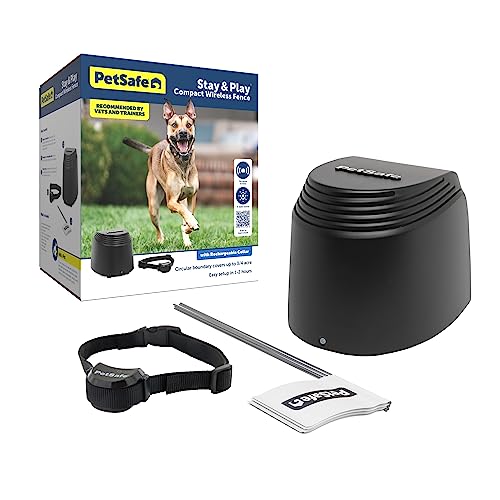
No Digging Or Wire to Bury: Sets up in just a few hours; a wireless boundary allows you to create a secure barrier around your yard to protect your pets without the time or hassle of burying wires
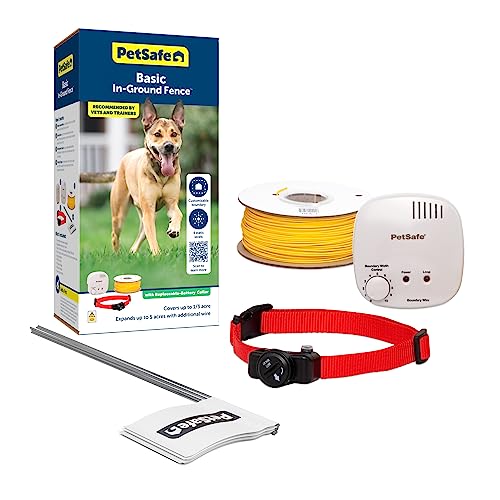
Secure A 1/3 Acre Yard: Create a safe 1/3-acre play area for your best friend with the included 500 ft of wire; purchase additional wire to fence in up to 5 acres

1,000 Feet of eXtreme Protection Electric Dog Fence Wire - Polyethylene Coated - Stronger and Longer Lasting than Factory Packaged Wire
What is a semi private fence?
A semi-private fence screens part of the view with spaced boards, lattice, or boards alternated on opposite sides of the rails (shadowbox).
It covers about 50–75% of the view from straight on, so people outside see movement and outlines but not faces or fine details. Light and breeze pass through the gaps.
Is a semi private fence cheaper than a privacy fence?
Yes.
Installed cost runs about $15–$30 per linear foot, compared with $20–$45 for full privacy, which is roughly 15–25% less at the same height and material. Over a 100-foot run that is $1,500–$3,000 versus $2,000–$4,500, because the gaps use less material per foot.
What is the best material for a semi private fence?
It depends on budget and how much upkeep you will do.
Pressure-treated pine is the budget choice if you stain it regularly. Cedar and redwood cost more but resist rot and insects, while vinyl and composite cost more upfront and need little maintenance.
Do semi private fences hold up in high winds?
Generally better than solid fences, because gaps between boards let gusts pass through and put less load on panels and posts. Spacing reduces the load without removing it, so post depth and hardware still matter in a storm-prone yard.
Do I need a permit to build a semi private fence?
Many areas require no permit for a fence 6 feet or lower, but local rules vary. Setbacks, HOA covenants and utility easements can still apply, so call your building department before you start.









