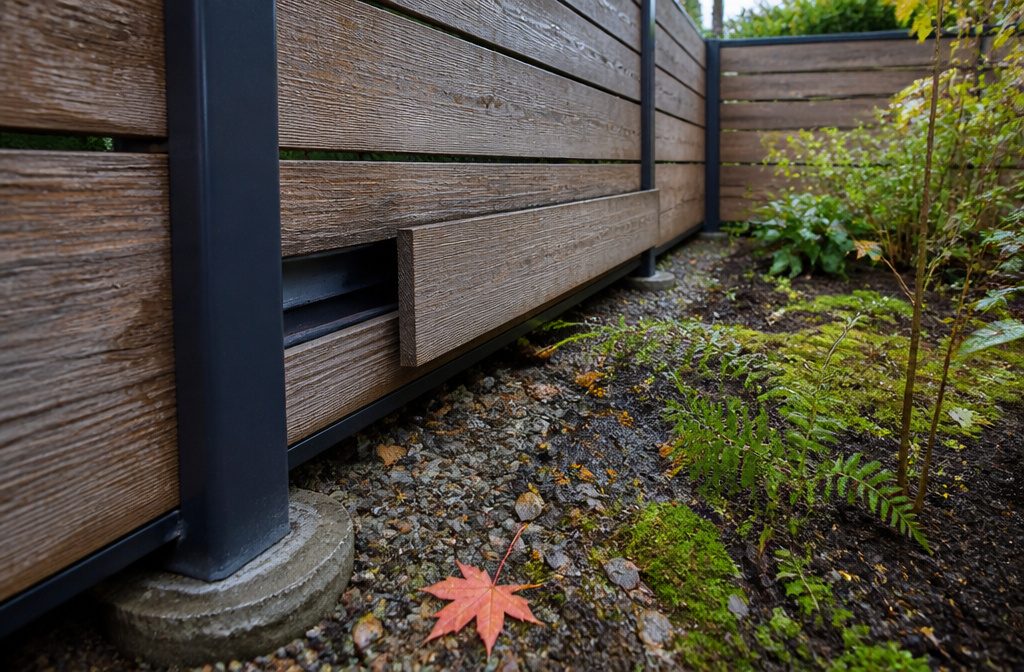
A HOFT fence is a set of aluminum posts with wood or synthetic boards that slide in horizontally, so nothing is nailed or screwed.
The boards must be 5/4 wood or 1-inch PVC or composite, and the 8-foot post doesn’t make an 8-foot fence: it’s for traditional installs that bury 2 feet in concrete.
HOFT’s Basic Design
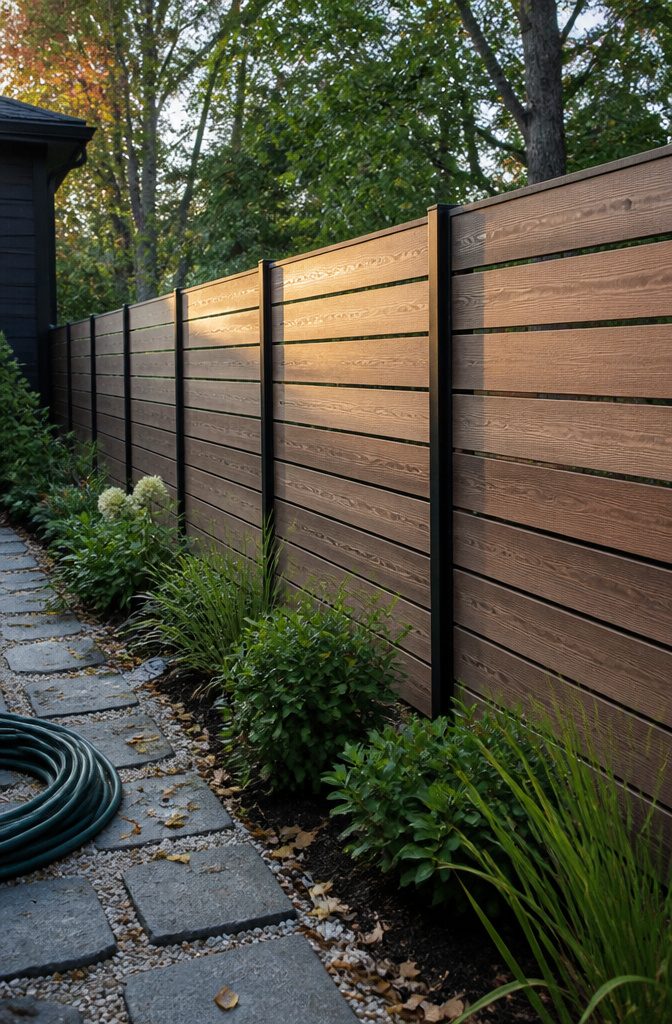
A HOFT fence splits the job in two: aluminum posts hold the line, and you choose the infill that goes between them, either wood or a synthetic material.
The boards are inserted horizontally from one post to the next, much like sliding shelves into a frame. The infill needs no nails or screws to hold it, so fastening is the part of fence building you skip.
A traditional fence of cedar or Douglas fir pickets on wooden posts has you fastening every piece.
HOFT swaps that for metal posts and boards you can pick for your own style. For a first-year fence builder, I’d take that arrangement over pickets and a box of screws.
Post Anchoring and the 8-Foot Post
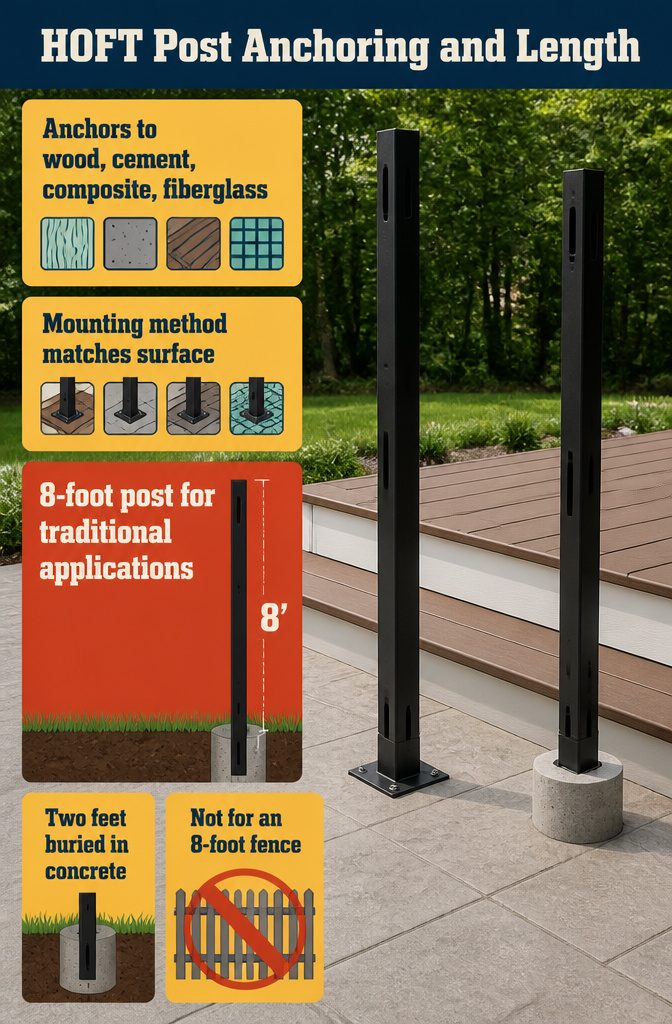
HOFT posts can be anchored to wood, cement, composite or fiberglass, so the same slide-in system works on a deck, a patio slab or another solid surface as well as in the ground.
Match your attachment method to the surface you’re mounting on.
HOFT also sells an 8-foot post, and the length invites a wrong assumption. It is not meant to make an 8-foot fence.
It is for traditional applications, where 2 feet of the post is buried in concrete. If your plan is a fence taller than the standard height, this post won’t get you there, so don’t buy it for that purpose.
Infill Board Choices
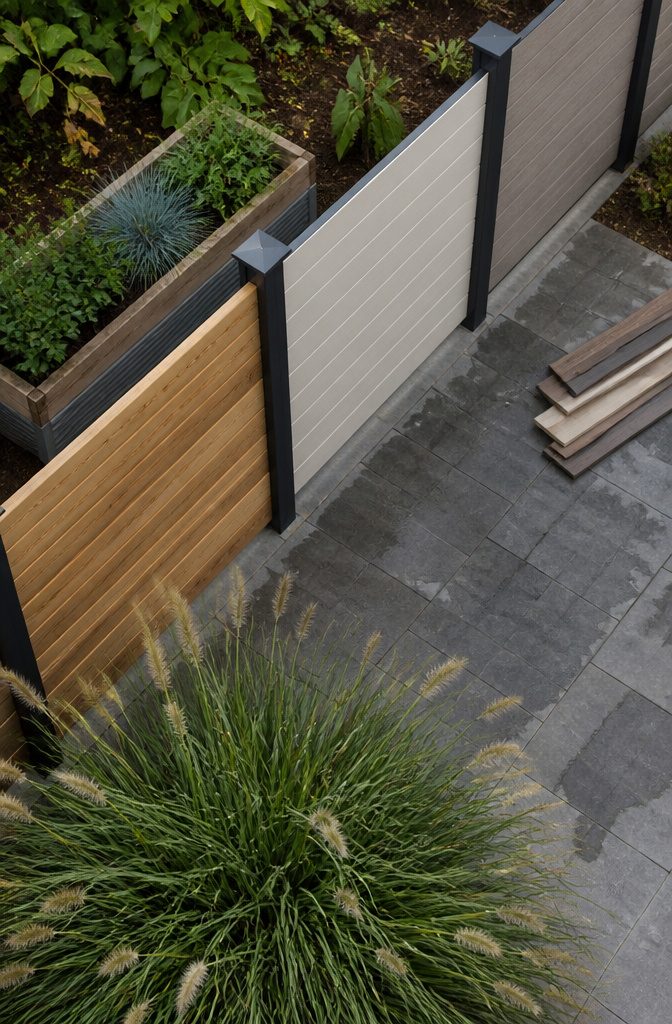
Standard deck boards work as infill in a HOFT fence, so you aren’t tied to a special panel.
The system takes 5/4 wood boards or 1-inch PVC or composite boards, and each one slides into the posts. WoodSource recommends wood or PVC, such as AZEK TimberTech, for the longevity of the system.
Wood and PVC both get that recommendation, and nothing in it ranks one above the other. I can’t tell you which wins, and a price comparison would be a guess, so I’ll skip both.
Before you buy, check the thickness printed on the board. A 5/4 or 1-inch board is what fits the slide-in channel.
Accessories and the Gate Kit
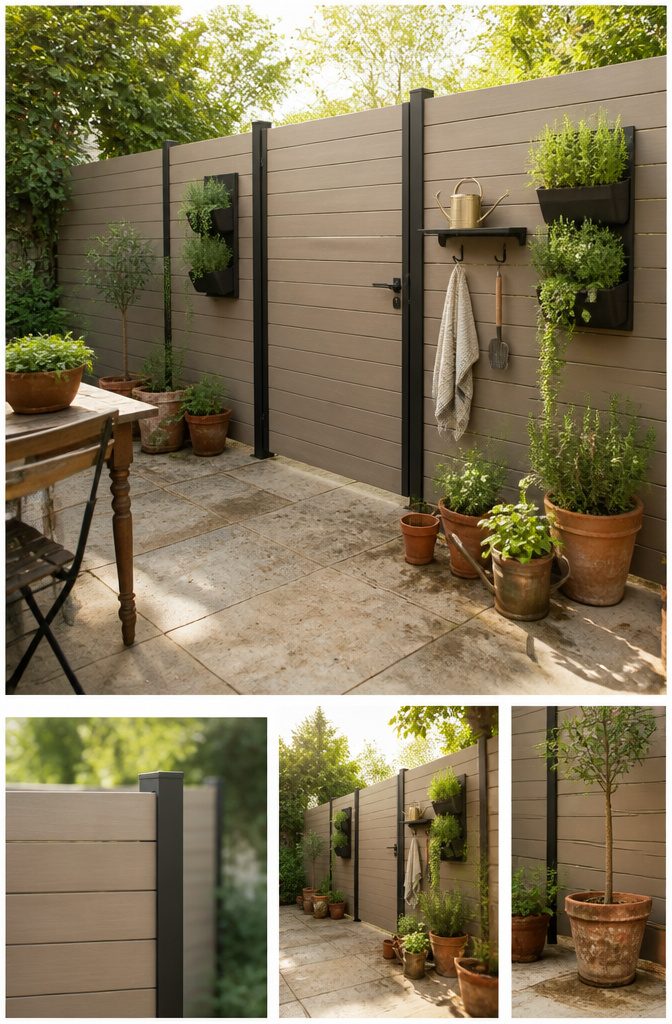
The system sells four add-ons, and the gate kit is the one most fences end up needing.
- Medium and large planters let you build a vertical garden. In a small yard or on a patio, I’d put these first, since the plants grow up the fence instead of taking floor space.
- Shelves can be added anywhere along the fence. They hold gardening tools or outdoor decor.
- Hooks come in packs of 2. Use them for towels, BBQ accessories or artwork.
- The gate kit is cut to the height and width you need, so the entry matches the rest of the fence.
Materials and Appearance
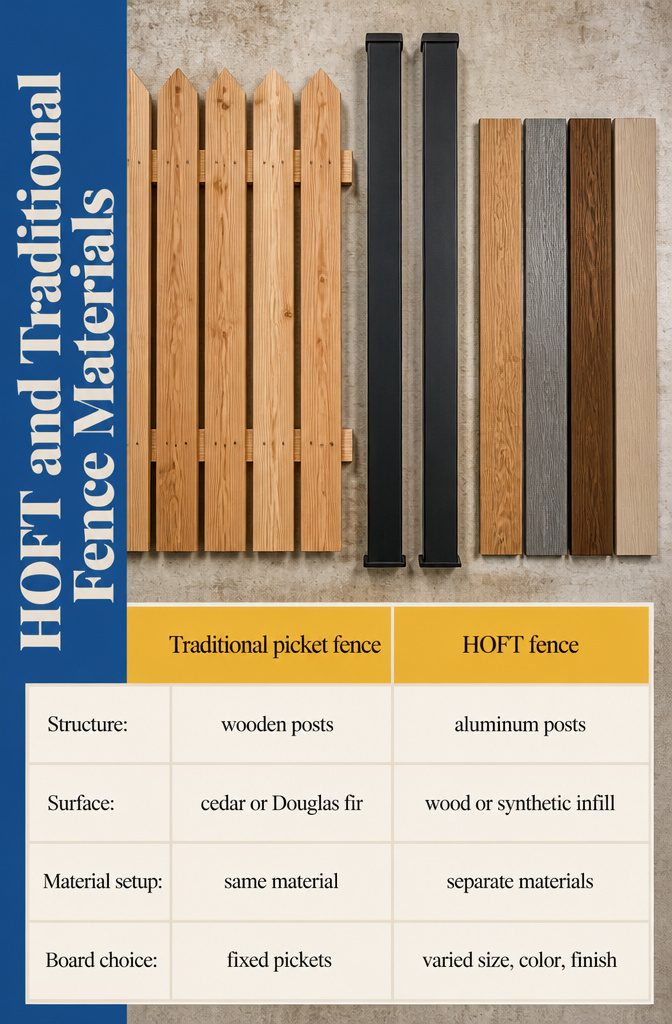
A traditional privacy fence is cedar or Douglas fir pickets nailed to wooden posts, so the structure and the surface are the same material.
HOFT separates them. The structure is aluminum posts, and the visible part is infill that fits between them, either wood or synthetic.
That split makes the look adjustable.
Infill comes in different sizes, colors and finishes, so you can keep real wood grain, choose a synthetic board that matches your siding, or pick a board size that changes how the fence reads from the street.
I see it as a genuine alternative to picket fencing for anyone who wants to choose the posts and the boards separately.
Ease and Flexibility
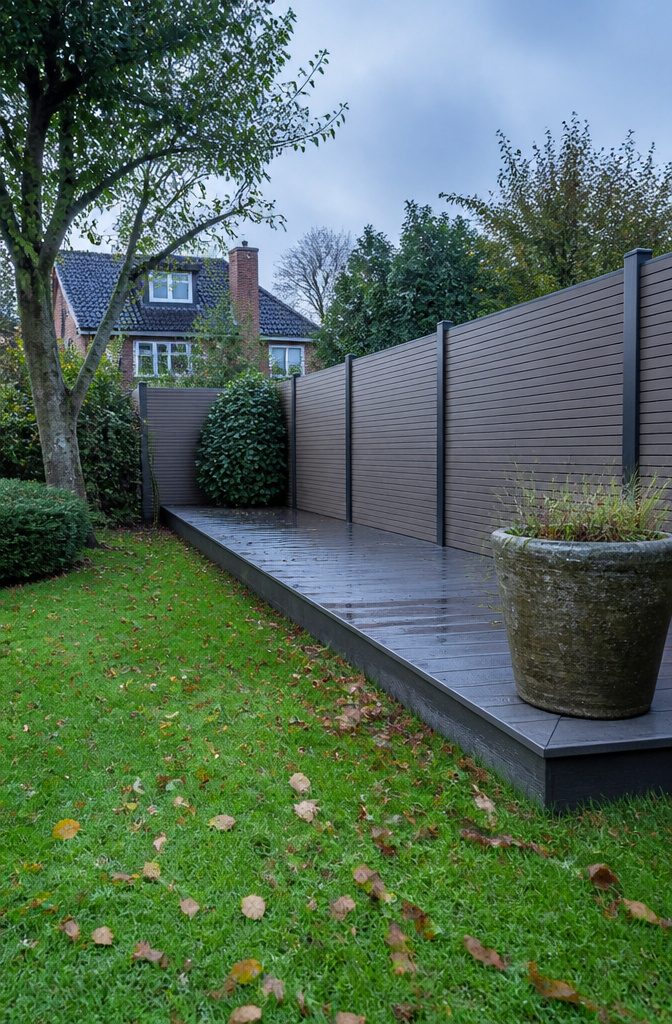
Because boards slide in horizontally between two posts, nothing gets nailed or screwed. That removes the step where a first-time builder is most likely to split a board or end up with crooked rows of fasteners.
The bigger gain is where the fence can go. The aluminum posts anchor to wood, cement, composite or fiberglass, so the fence doesn’t need bare ground.
A deck edge, a concrete patio pad or a composite platform can all hold one, which suits the small yards and patios many gardeners work with.
Traditional fences usually depend on posts set in the ground, so for a patio or deck I’d pick this system first.