
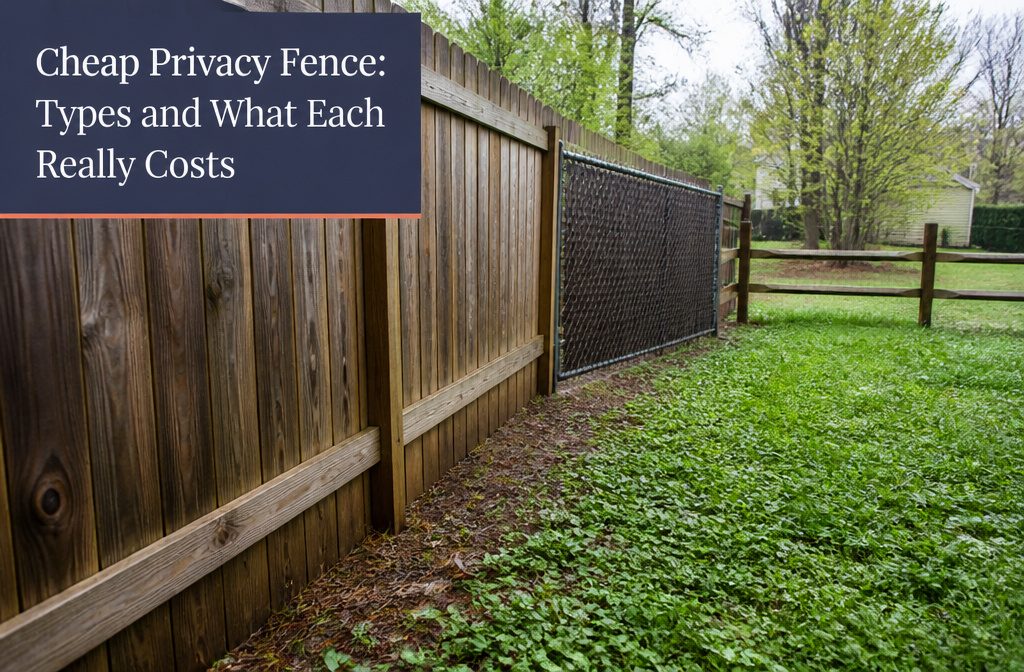
A basic 6-foot cedar fence is often the lowest-cost way to get real privacy, at about $25–$65 per linear foot installed in Illinois.
Wood grade and layout move the final number. Split rail costs less ($15–$35), but you can see straight through it, and chain link screens nothing until you add slats.
1. Cedar Privacy Fence
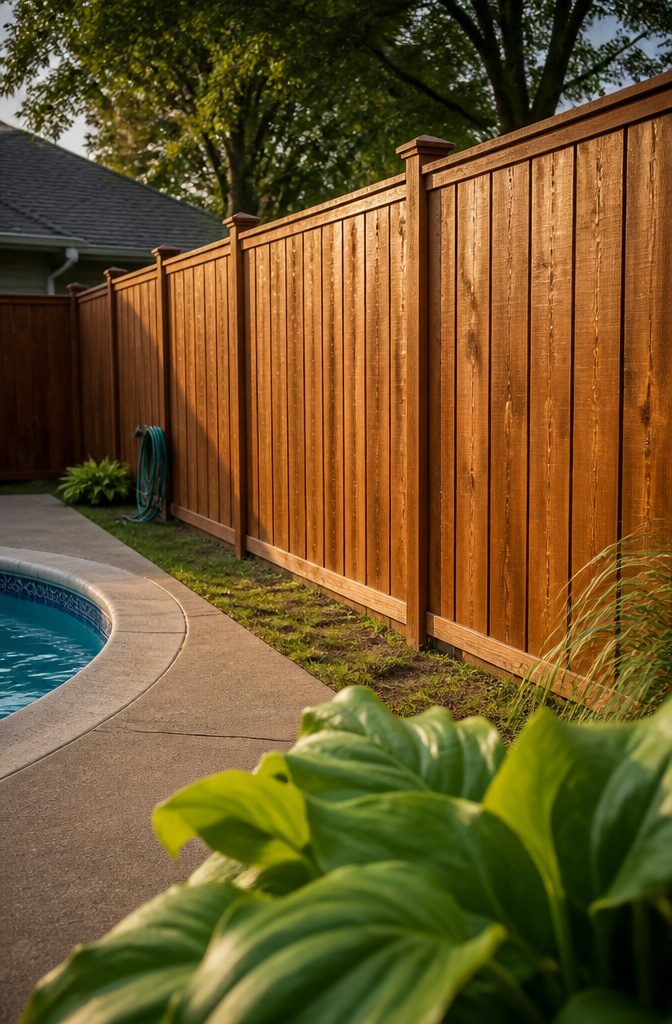
Chain link is usually the cheapest fence overall, but a basic cedar privacy fence is often the lowest-cost way to get real privacy.
A 6-foot cedar privacy fence runs about $25–$65 per linear foot installed in Illinois, and the final number moves with wood grade and layout. Ask for quotes on both before you settle on a grade.
Cedar costs more than split rail, which is cheaper because it uses less material, but split rail leaves the yard fully visible.
For homes with close neighbors, dogs or a pool area, I’d pay the extra for solid boards, since an open fence in those spots doesn’t do the job you’re buying it for.
2. Chain Link
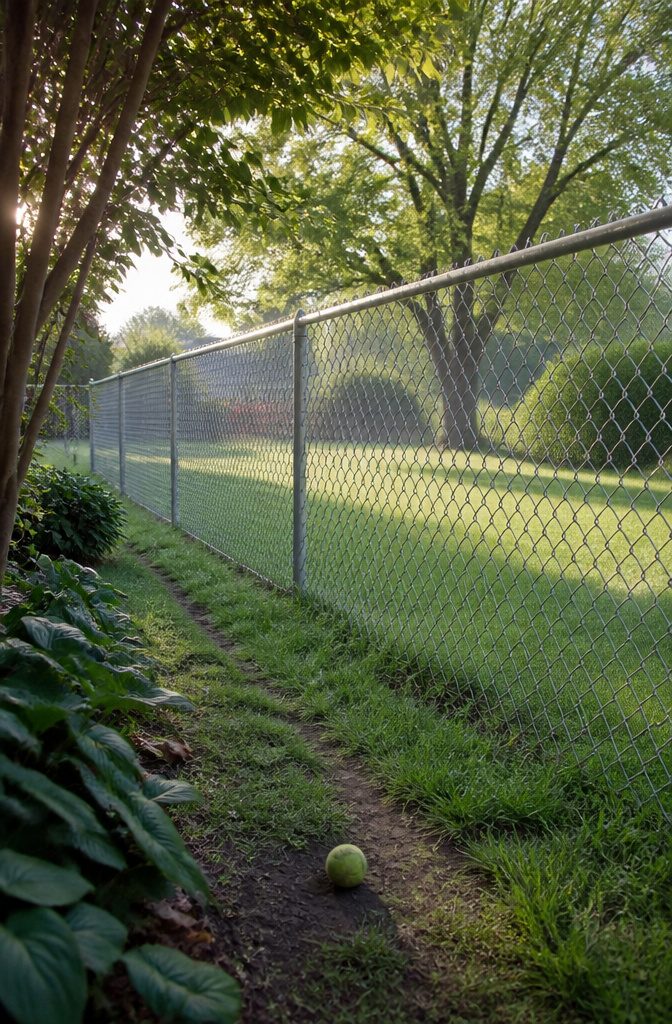
Chain link is the cheapest permanent fence for a residential yard, at about $25–$45 per linear foot installed in Illinois.
Basic galvanized starts lower, while vinyl-coated mesh and privacy slats raise the price. It lasts, needs very little upkeep, and works well for containing pets and marking property lines.
Privacy is where it falls short. Plain chain link screens almost nothing, so it only counts as a privacy fence once slats go in, and slats add to the bill.
I’d choose it when keeping a dog in or defining a boundary matters more than blocking the view. If the problem is a neighbor’s sightline, one of the other fence types here will serve you better.
3. Cedar Split Rail
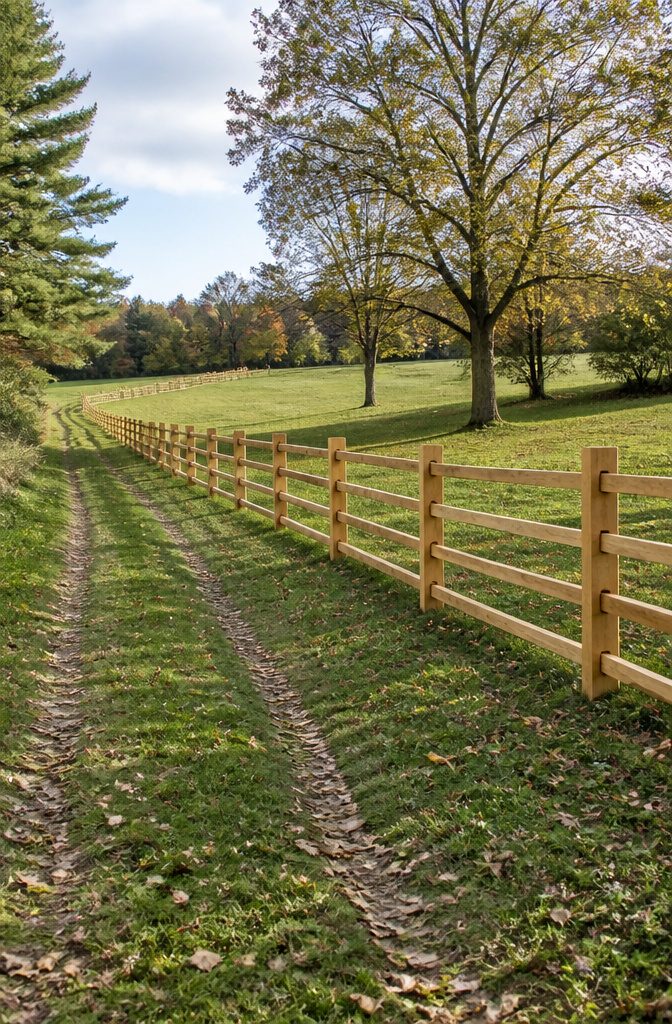
Cedar split rail runs $15–$35 per linear foot installed in Illinois, which makes it one of the cheapest wood fences you can buy. The price is low because the design uses much less lumber than a solid-board fence.
The same openness is the drawback. Neighbors and passersby see straight through it, so it does nothing for a reader who wants a cheap privacy fence, and I would cross it off that list.
Split rail fits large lots and front boundaries, where you only need to mark a property line and want a rustic look. In a small backyard, put the money into a fence with solid panels.
4. Vinyl
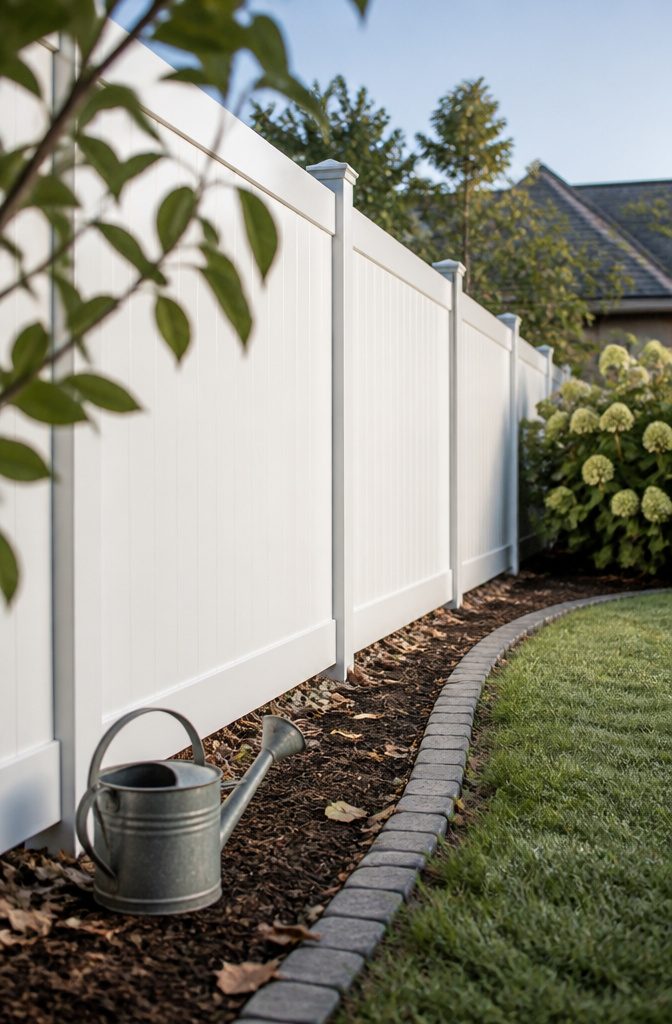
Vinyl is rarely the cheapest route to privacy. Installed prices in Illinois run $24–$60 per linear foot, and basic vinyl picket sits at the low end, but picket is not a privacy style.
Solid vinyl privacy fencing costs about $40–$60 per linear foot installed, which overlaps with cedar privacy pricing instead of landing near chain link.
What that money buys is low upkeep. If your budget is tight and the first-year price decides everything, vinyl usually loses to cheaper options.
I would choose it only when you know you don’t want to spend future weekends maintaining a fence, and accept paying cedar-level prices for that.
5. Aluminum
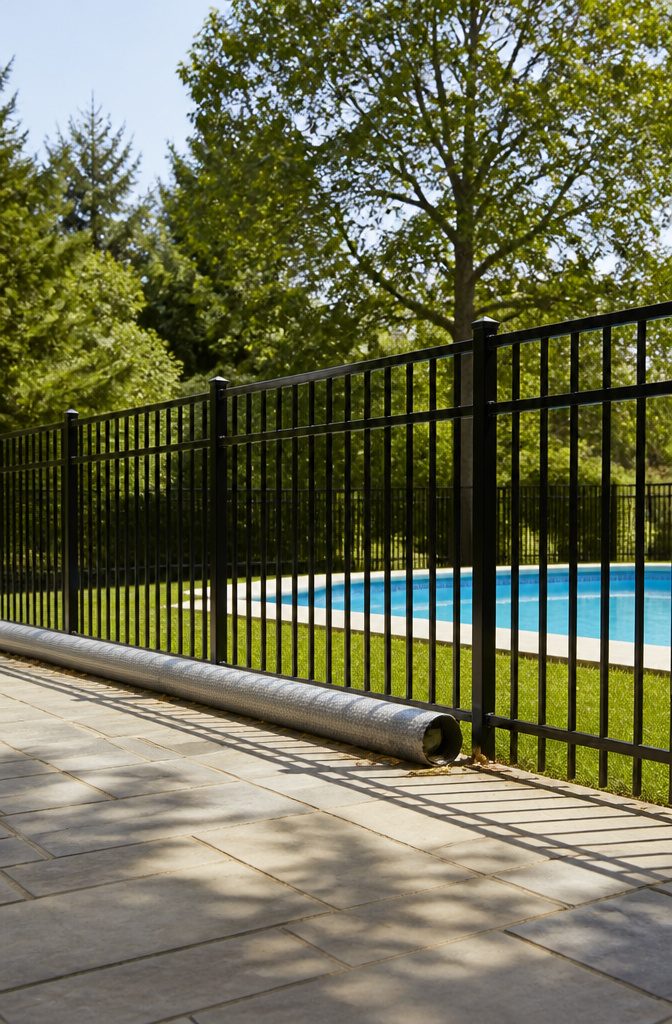
Aluminum runs about $20–$40 per linear foot installed in Illinois, and it usually starts higher than chain link, so it is no bargain.
It earns that price around pools, in front yards and on open-view lots, where curb appeal matters and the view should stay open.
That open-view purpose is why I’d skip it for privacy.
If your main job is blocking sightlines, aluminum is the wrong buy, because you pay for looks and get little screening. Vinyl privacy runs $40–$60 per linear foot and delivers solid cover.
Chain link with privacy slats also screens, and it starts from a cheaper base. Save aluminum for the side of the yard you want people to see.
6. Pallets, Hedges and Wire

These options look cheap on paper, but I would skip all of them as a finished privacy fence.
- Pallet fencing is a DIY route. Board quality varies from pallet to pallet, the labor is high, and the result looks less polished than a real fence.
- Hedges take time to fill in and need ongoing trimming.
- Bamboo also fills in slowly and has to be controlled so it stays where you plant it. Both hedges and bamboo are better as landscaping than as a fast, low-cost fence.
- Chicken wire, barbed wire and electric fencing cost less up front, but they suit gardens and livestock, not a standard residential yard.
- Trellis panels are priced low and suit decoration, so treat them as an accent rather than the fence itself.
Count the Full Cost
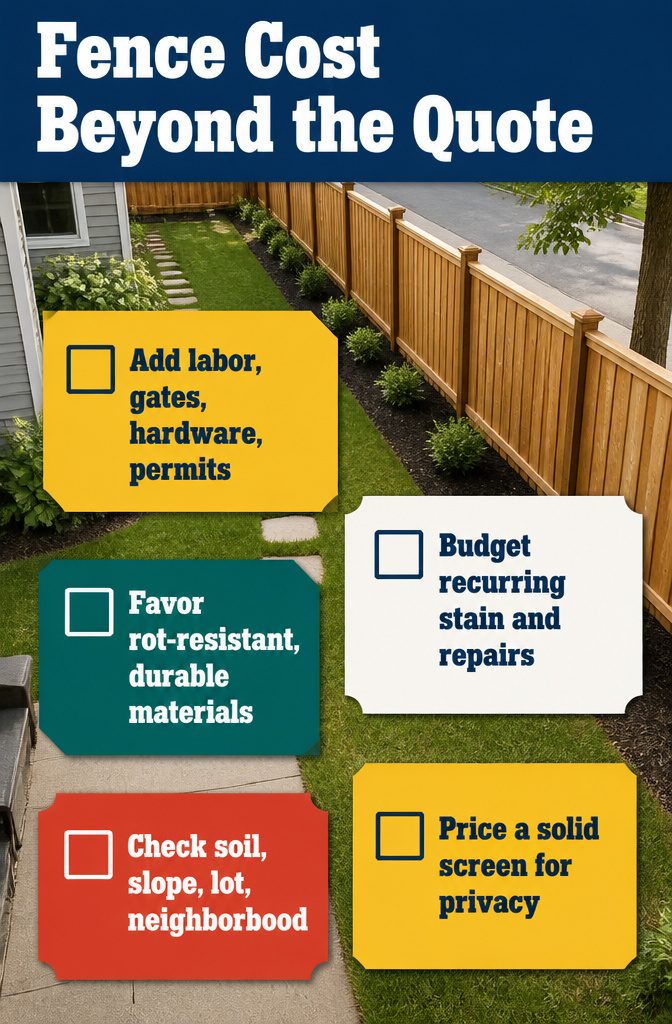
A per-foot quote covers only the fence itself. Before comparing bids, add up the rest:
- Project extras: material, labor, gates, hardware, removal of the old fence, grading and permits all belong in the total.
- Upkeep: staining, sealing, repainting and repairs recur every few years and add up.
- Lifespan: naturally rot-resistant wood, vinyl and composite resist weather, moisture, pests and daily wear better than bargain boards.
- Your lot: soil, slope, lot size and neighborhood style all change what makes sense.
- Your goal: if privacy is the only job, price a solid screen and skip features you won’t use.
I’d pay more up front for a material that holds its shape. A fence that needs early repair or replacement was never the cheap one.
DIY or Hire a Pro
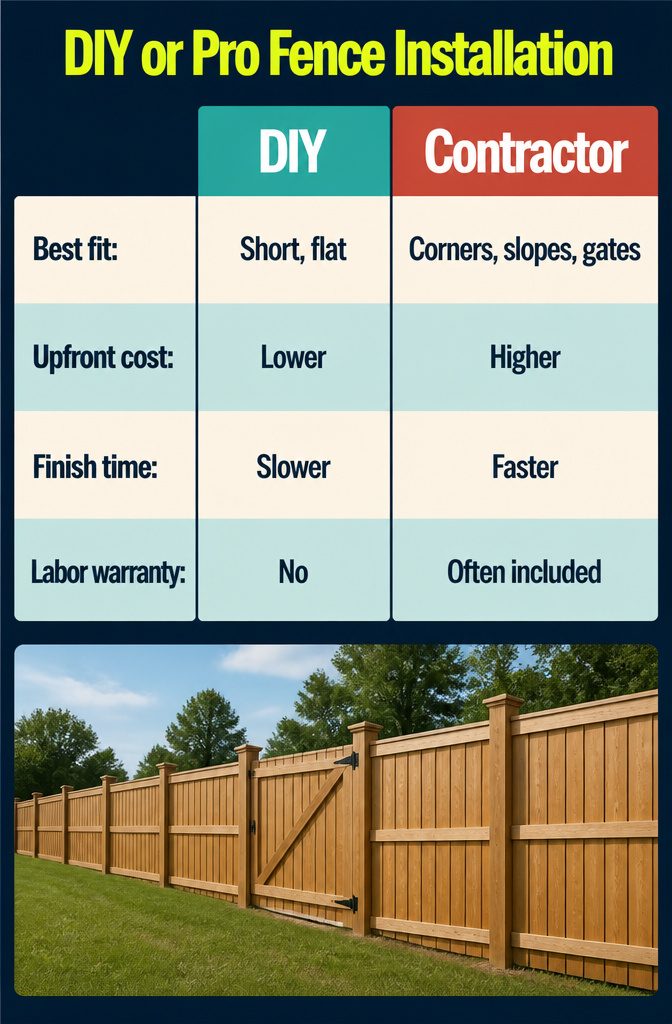
DIY works for a short, straight fence on flat ground. Add slopes, several corners, a gate, dense soil or a permit, and the labor savings shrink fast.
Tool rentals, extra concrete, delivery fees, cutting errors, old fence removal and rework after a failed inspection all land on top of the material quote.
Post spacing, depth and alignment decide the result.
Small errors show up as leaning sections, loose panels and gates that drag. Have utilities marked before you dig.
Once the job has corners, grade changes, tear-out or multiple gates, I’d get a contractor’s quote. It costs more upfront, but a pro usually finishes faster, catches height and placement rules early, and often warranties the labor.
Frequently Asked Questions
What is the cheapest fence to have installed?
Chain link is usually the cheapest permanent fence, at about $25–$45 per linear foot installed in Illinois.
If you need privacy, a basic cedar privacy fence is often the lowest-cost choice, because plain chain link screens almost nothing and added slats raise its price.
Cedar split rail costs $15–$35 per linear foot, but it leaves the yard fully visible.
How much does a 100-foot privacy fence cost?
A 100-foot, 6-foot-tall cedar privacy fence runs about $2,500–$6,500 installed in Illinois, based on $25–$65 per linear foot.
Solid vinyl privacy fencing at $40–$60 per linear foot comes to roughly $4,000–$6,000. Wood grade and layout move the cedar total, and gates, old fence removal, grading and permits are added on top.









